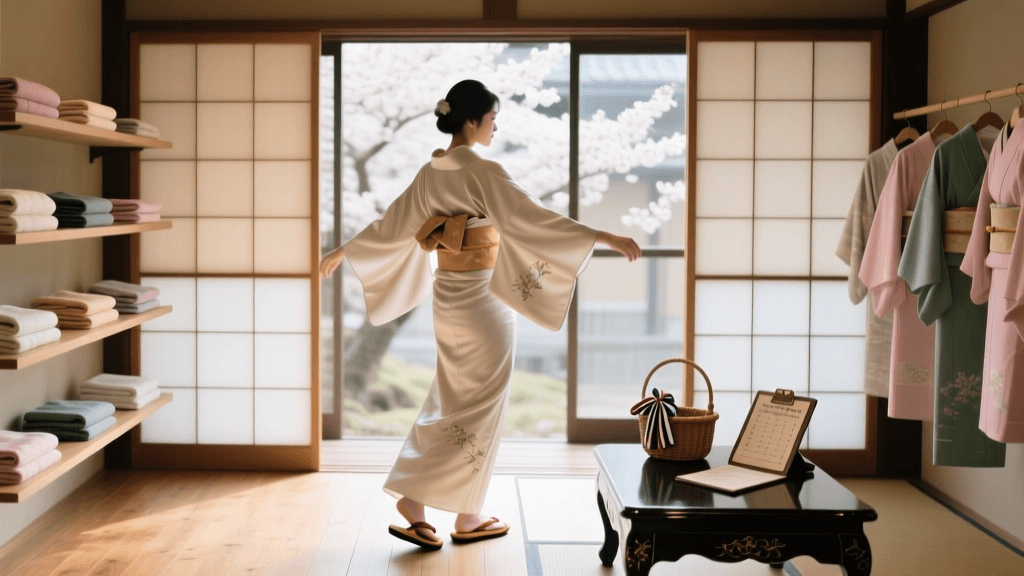
Zen Kimono Dressing: Mindful Kitsuke Meditation Guide 2026
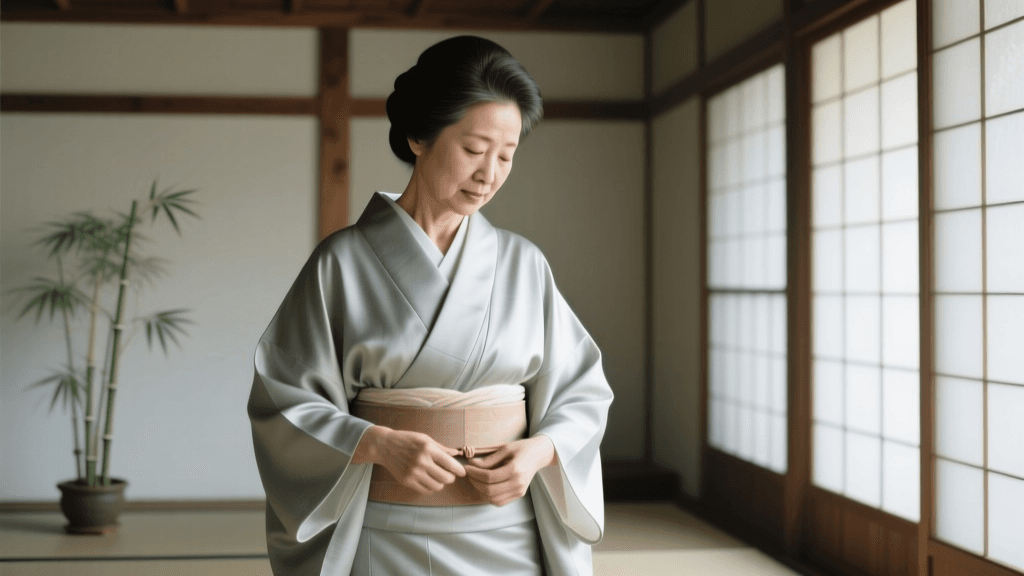
The Intersection of Zen and Textiles in 2026
In the modern wellness landscape of 2026, the pursuit of mindfulness has expanded far beyond the meditation cushion. While seated meditation (zazen) remains a cornerstone of Zen practice, the concept of moving meditation has gained profound traction, particularly through traditional arts. Among the most powerful yet underutilized forms of moving meditation is kitsuke—the traditional Japanese art of kimono dressing. Far from being a mere sartorial chore, kitsuke is a deliberate, sensory-rich ritual that demands absolute presence, making it an ideal gateway to Zen spirituality.
Zen Buddhism teaches that enlightenment is found in everyday activities: chopping wood, carrying water, and, by extension, the act of dressing. When you engage in mindful kitsuke, the garments themselves become meditation anchors. The weight of the silk, the tension of the cotton ties, and the precise alignment of the seams all serve to pull the wandering mind back to the present moment. According to teachings highlighted by Lion's Roar, Zen is fundamentally about experiencing reality exactly as it is, without judgment. The tactile reality of traditional Japanese textiles provides an immediate, undeniable connection to this present reality.
Enclothed Cognition: The Psychology of the Kimono
Psychologists refer to the phenomenon where clothing influences the wearer's psychological processes as "enclothed cognition." In 2026, wellness researchers and traditional garment artisans have increasingly recognized how the structural nature of the kimono physically enforces a meditative state. Unlike Western clothing, which often prioritizes stretch and unconstrained movement, the kimono requires the wearer to adopt a specific posture. The straight seams restrict slouching, the obi (sash) engages the core and supports the lower back, and the narrow hemline necessitates a gliding, deliberate walking style known as namba-aruki.
When you dress mindfully, you are not just putting on fabric; you are stepping into a physical architecture that supports deep breathing and spinal alignment. The Kyoto National Museum frequently showcases how historical garments were constructed not just for aesthetic beauty, but to reflect the philosophical and social ideals of the wearer. By adopting the kimono for daily meditation, modern practitioners are reviving this ancient mind-body connection, using the garment as a wearable sanctuary against the digital noise of the 2026 world.
The Layers of Mindful Kitsuke: A Sensory Guide
To practice kitsuke as a Zen meditation, one must shift focus from the final aesthetic result to the sensory experience of each layer. Below is a guide to the physical and mental anchors provided by the foundational layers of the kimono.
| Garment Layer | Physical Anchor | Zen Focus / Intention | Breath Cue |
|---|---|---|---|
| Hadajuban (Skin Underwear) | Cotton or hemp against the skin | Grounding; feeling the boundary between self and the world | Deep inhale, feeling the chest expand against the fabric |
| Nagajuban (Under-kimono) | Smooth silk or synthetic blend | Fluidity; smoothing out mental friction and daily anxieties | Slow exhale, releasing tension in the shoulders |
| Se (Back Seam Alignment) | Centering the spine | Balance; aligning the physical body with the moral center | Natural breath, holding the spine tall without rigidity |
| Koshihimo (Tying Cords) | Firm pressure at the hips | Commitment; securing the practice and gathering scattered energy | Sharp exhale on the knot, followed by relaxed breathing |
| Obi (Outer Sash) | Weight and core compression | Support; finding strength in restriction and discipline | Diaphragmatic breathing into the lower belly (hara) |
A Step-by-Step Moving Meditation Routine
Transforming your morning dressing routine into a Zen practice requires intentionality. In 2026, many sustainable textile cooperatives in Kyoto and Niigata offer "Mindful Kitsuke" starter bundles—featuring ethically sourced Oshima Tsumugi silk or breathable Iyo-kasuri cotton—priced around ¥35,000 ($230 USD), specifically marketed for daily meditative wear rather than formal events.
1. Preparation and Purification
Before touching your garments, wash your hands and face with cold water. Stand in front of your mirror, feet together, and take three deep breaths. Acknowledge the artisans who wove, dyed, and sewed the fabric. This gratitude practice shifts the mind from a state of consumption to a state of reverence.
2. Aligning the Se (Back Seam)
Drape the kimono over your shoulders. Reach behind and find the se, the central back seam. In Zen philosophy, the center line represents the axis of the universe. Aligning the seam with your spine is a physical manifestation of finding your own center. If the seam is crooked, your mind is crooked. Adjust it with slow, deliberate movements until it rests perfectly along your vertebrae.
3. The Collar (Eri) and the Throat
Cross the left side over the right (always left over right for the living). The collar should rest lightly against the base of your throat. This gentle pressure serves as a continuous physical reminder to remain present. If you lose focus, you will feel the collar shift. Use this tactile feedback to gently guide your attention back to the act of dressing.
4. Tying the Koshihimo
The koshihimo are the thin ties used to secure the kimono at the hips. Tying them requires a specific technique: pulling taut, crossing, and tucking. Treat the tying of the knot as a metaphor for gathering your scattered thoughts and binding them into a single point of focus. As you pull the cord tight, exhale fully, emptying the lungs of stale air and mental clutter.
Curating Your 2026 Zen Dressing Space
The environment in which you practice kitsuke is just as important as the garments themselves. According to cultural guidelines promoted by the Japan National Tourism Organization, traditional Japanese aesthetics rely heavily on the harmony between the object and its surrounding space. To create a Zen dressing altar in your home:
- Minimalist Mirroring: Use a single, full-length mirror with a natural wood frame (such as hinoki or walnut). Avoid brightly lit vanity mirrors; opt for soft, diffused morning light.
- Olfactory Anchoring: Light a stick of traditional incense before you begin. Scents like sandalwood (byakudan) or aloeswood (jinko) from heritage brands like Shoyeido or Baieido signal to the brain that it is time for spiritual practice.
- Tactile Flooring: If possible, stand on a natural rush (igusa) tatami mat or a woven hemp rug. The connection between your bare or tabi-clad feet and the natural floor grounds your energy.
Transitioning from Kitsuke to Zazen
Once fully dressed, the practice does not end; it transitions. The kimono naturally restricts the crossing of legs, making the traditional Burmese or half-lotus sitting positions highly comfortable while keeping the spine impeccably straight. The stiff obi acts as a lumbar support, preventing the lower back from rounding during extended periods of zazen.
As you lower yourself onto your zafu (meditation cushion), perform a final check of your eri (collar) and sleeves. Smooth the fabric over your knees. The rustling sound of the silk—known in Japanese as kinusure—is a celebrated auditory aesthetic. Listen to it as you settle into your posture. Let the gentle weight of the garment embrace you, not as a constraint, but as a protective boundary that holds your energy inward.
Conclusion: The Garment as a Teacher
In an era dominated by fast fashion and digital distraction, the deliberate, slow practice of mindful kitsuke offers a profound antidote. By treating the kimono not merely as a costume, but as a spiritual tool, practitioners in 2026 are rediscovering the deep, resonant wisdom woven into Asian textile traditions. The fabric becomes a teacher, the seams become guides, and the simple act of getting dressed becomes a daily return to the stillness of the Zen mind.