Japanese Natural Dye Plants: Sustainable Eco Methods 2026
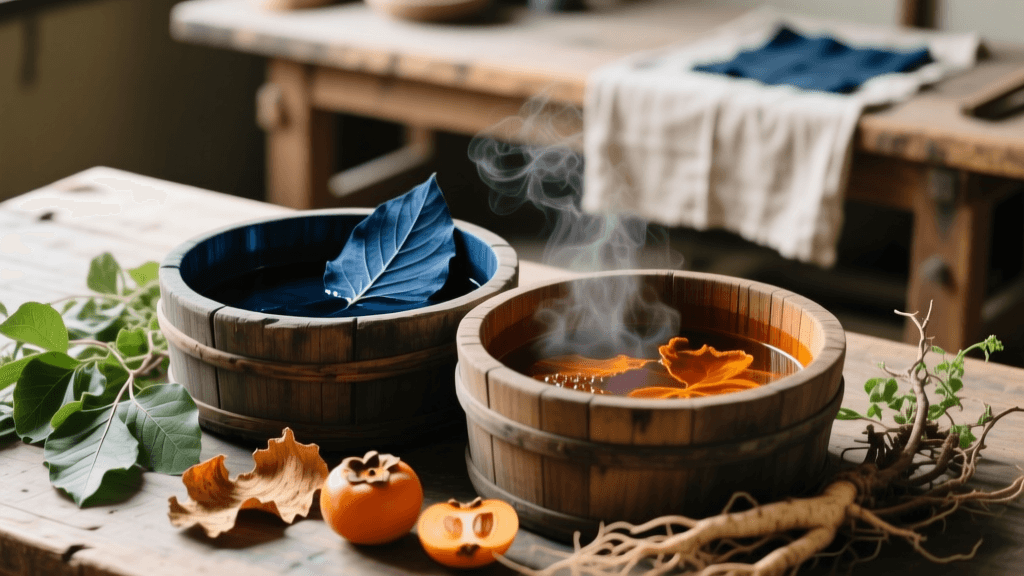
The Renaissance of Kusaki-Zome in 2026
As the global textile industry faces mounting pressure to reduce its environmental footprint, the ancient Japanese art of kusaki-zome (plant and tree dyeing) has experienced a massive resurgence. In 2026, sustainable fashion is no longer a niche market but a baseline expectation. According to recent circularity reports from the Ellen MacArthur Foundation, the fashion sector is aggressively pivoting toward regenerative agricultural inputs and closed-loop water systems. Japanese natural dye plants offer a masterclass in this transition, providing vibrant, colorfast pigments without the toxic runoff associated with synthetic azo dyes.
For modern artisans, textile designers, and eco-conscious hobbyists, mastering these traditional plants requires an understanding of both historical techniques and modern ecological stewardship. This guide explores the most prominent Japanese natural dye plants, their sustainable advantages, and the eco-friendly methodologies defining the craft in 2026.
Core Japanese Dye Plants and Their Eco-Advantages
1. Ai (Japanese Indigo)
Derived from the leaves of Polygonum tinctorium, Japanese indigo (Ai) is arguably the most famous natural dye in the country. Unlike synthetic indigo, which relies on petrochemicals and heavy reducing agents like sodium dithionite, traditional Ai utilizes a natural fermentation process. The leaves are composted into sukumo, which is then fermented in an alkaline vat using wood ash lye and sake.
2026 Sustainability Edge: Modern Ai dyeing operates entirely in cold water (20°C to 25°C), eliminating the energy costs of heating large vats. Furthermore, the spent indigo vat is highly alkaline and rich in nitrogen; in 2026, zero-waste studios in Tokushima are successfully neutralizing and repurposing exhausted vat sludge as high-grade organic fertilizer for local agriculture.
Cost & Yield: A premium 500g bag of Tokushima sukumo retails for approximately $55 USD in 2026. It can sustain a 20-liter vat capable of dyeing over 15 kilograms of cotton or linen before requiring replenishment.
2. Kakishibu (Persimmon Tannin)
Kakishibu is a liquid extracted from the fermentation of unripe, astringent persimmons (Diospyros kaki). It produces beautiful earthy tones ranging from pale amber to deep, rich mahogany. What makes kakishibu extraordinary from an ecological standpoint is its dual function: it acts as both a dye and a natural sizing agent, imparting water resistance, insect repellency, and structural strength to paper and textiles.
2026 Sustainability Edge: Kakishibu requires absolutely no chemical mordants to bind to cellulose fibers. It cures and oxidizes exclusively through exposure to UV sunlight. By utilizing solar curing, artisans completely bypass the electricity and water consumption typically required for heat-setting synthetic dyes.
3. Akane (Japanese Madder)
Rubia argyi, or Japanese madder, yields stunning reds, oranges, and terracottas. The dye is extracted from the roots of the plant, which are typically harvested after three to four years of growth. Akane plays a vital role in regenerative farming, as its deep root systems help prevent soil erosion and improve soil microbiome health.
2026 Sustainability Edge: While madder requires a mordant, modern eco-dyers have moved away from heavy metal salts. Instead, 2026 protocols heavily favor plant-based synergists and bio-mordants, drastically reducing heavy metal accumulation in local waterways.
Eco-Friendly Mordanting: Moving Beyond Heavy Metals
Historically, metallic salts like alum (potassium aluminum sulfate), iron, and copper were used to bind dye molecules to textile fibers. While alum is relatively safe in small doses, the mining and processing of metallic mordants carry a significant carbon footprint. In 2026, the Textile Exchange standards have heavily incentivized the use of bio-mordants and protein binders.
- Soy Milk Protein Binder: For cellulose fibers (cotton, hemp, linen), soaking the fabric in a 15% Weight of Fabric (WOF) dilution of organic, unflavored soy milk creates a protein layer that mimics animal fibers, allowing natural dyes to bond without metallic salts.
- Symplocos (Plant Alum): The leaves of the Symplocos tinctoria plant naturally accumulate aluminum from the soil. Boiling these leaves creates a 100% botanical mordant bath that provides the same color-brightening effects as mined alum, but with a fully biodegradable lifecycle.
- Pomegranate Rind Tannin: Rich in natural tannins, discarded pomegranate rinds from the juice industry are upcycled in 2026 as a powerful, eco-friendly mordant that deepens reds and yellows while improving lightfastness.
2026 Water Conservation and Closed-Loop Vat Management
Water scarcity remains a critical global challenge, and traditional dyeing can be notoriously thirsty. However, contemporary Japanese dye studios have pioneered closed-loop water systems.
"The goal of modern kusaki-zome is not just to avoid toxic chemicals, but to treat every drop of water as a precious, reusable resource. Our 2026 studio metrics show a 78% reduction in freshwater withdrawal compared to standard industry practices." — Master Dyer, Kyoto Textile Collective
Actionable Water-Saving Techniques:
- Rainwater Harvesting for Scouring: Natural dyes are highly sensitive to mineral content. Instead of using heavily filtered municipal water, studios now use UV-treated rainwater for the initial fabric scouring and dye extraction, reserving purified water only for the final rinse.
- Sequential Dye Baths: Never dump a dye pot after one use. A primary Akane bath yielding deep red can be used for a secondary bath to dye a lighter salmon pink, and a tertiary bath to tint a delicate peach.
- Indigo Vat Longevity: With proper pH monitoring (maintaining a pH between 9.0 and 10.5) and regular feeding of wheat bran and calcium hydroxide, a single indigo vat can remain active and productive for over a year, entirely eliminating the need for frequent water changes.
Step-by-Step Sustainable Scouring and Dyeing Protocol
To ensure optimal color uptake without synthetic detergents, follow this 2026 eco-scouring protocol before applying any natural dye:
- Botanical Scouring: Fill a stainless steel pot with enough water to allow the fabric to move freely. Add 20% WOF of crushed soapnuts (Sapindus mukorossi) or 5% WOF of soda ash (sodium carbonate) if dealing with heavily oiled commercial cotton.
- Simmer and Steep: Bring the water to 80°C and maintain for 45 minutes. Turn off the heat and let the fabric steep overnight as the water cools. This slow cooling process opens the cellulose fibers gently.
- Compost the Bath: The soapnut scouring liquid is 100% biodegradable and can be poured directly into garden beds or compost systems, acting as a mild, natural pest deterrent.
- Mordant/Bind: Submerge the damp, scoured fabric into your chosen bio-mordant (e.g., soy milk or symplocos) for 2 hours at room temperature. Wring out gently—do not rinse.
- Dye and Oxidize: Submerge in your prepared plant dye bath. For Ai (indigo), dip for 3 minutes, remove, and allow to oxidize in the air for 15 minutes until the fabric turns from yellow-green to deep blue. Repeat 4 to 6 times for a rich, colorfast navy.
Comparison Chart: Japanese Natural Dyes vs. Synthetic Equivalents
| Feature | Japanese Natural Dyes (Kusaki-Zome) | Conventional Synthetic Dyes |
|---|---|---|
| Primary Input | Regenerative botanicals (leaves, roots, fruits) | Petrochemical byproducts, coal tar |
| Water Toxicity | Non-toxic; biodegradable effluent | High toxicity; requires heavy chemical treatment |
| Energy Requirement | Low (Cold vats, solar curing for Kakishibu) | High (Prolonged boiling, heat fixation) |
| End-of-Life | Fully compostable textiles | Microplastic shedding, landfill persistence |
| Color Longevity | Develops patina; fades gracefully over decades | Harsh fading; color bleeding in wash |
Sourcing Ethical Dye Materials in 2026
As demand for natural dyes scales, ethical sourcing is paramount to prevent over-harvesting of wild plants. When purchasing materials in 2026, look for suppliers certified by regenerative agriculture boards. For Japanese indigo, seek out cooperatives in Tokushima and Saitama that practice crop rotation with rice and vegetables. For Kakishibu, ensure the persimmon tannin is sourced from orchards that utilize the fruit for multiple purposes (juice, agriculture, and dye) to minimize food waste.
By embracing these sustainable, eco-friendly methods, textile artists and designers do more than create beautiful garments; they participate in a vital ecological loop, honoring the Japanese philosophy of mottainai (a sense of regret concerning waste) while pioneering the future of sustainable fashion.