Viral Hanfu Trends: Recreating Douyin Transitions on TikTok
The Rise of the Hanfu Transition Trend
Over the past few years, the traditional Chinese clothing movement has exploded from a niche historical hobby into a mainstream global phenomenon. According to BBC News, the Hanfu movement is largely driven by Gen Z consumers seeking a tangible connection to their cultural heritage. On platforms like Douyin (the Chinese counterpart to TikTok) and TikTok itself, the #Hanfu hashtag has amassed tens of billions of views. The most viral format? The Hanfu Transformation or transition video.
These videos typically start with a creator in mundane, modern streetwear, executing a specific physical trigger—a shoe drop, a fan snap, or a sleeve toss—before instantly cutting to a breathtaking, slow-motion reveal in full traditional attire. For content creators and cultural enthusiasts looking to replicate these viral Douyin transitions on TikTok, mastering the interplay of garment physics, camera framing, and precise editing timing is essential.
Anatomy of a Viral Douyin Hanfu Transformation
A successful Hanfu transition video relies on a strict three-act structure compressed into 10 to 15 seconds. Understanding this pacing is crucial for audience retention on TikTok's algorithm.
- Act 1: The Mundane Setup (0.0s - 3.0s): The creator wears modern, often oversized or muted clothing. The setting is usually everyday (a bedroom, a city street). The audio is typically muffled or building up to a beat drop.
- Act 2: The Trigger (3.0s - 3.5s): A deliberate, sharp movement. This could be throwing a shoe at the camera, snapping a folding fan, or tossing a jacket. This frame serves as the exact cut point.
- Act 3: The Cinematic Reveal (3.5s - 15.0s): The beat drops. The creator is now in full Hanfu, hair, and makeup. The footage is often shot in 60fps and slowed down to 24fps or 30fps in post-production to emphasize the flow of the fabric.
Sourcing the Right Hanfu for Video Dynamics
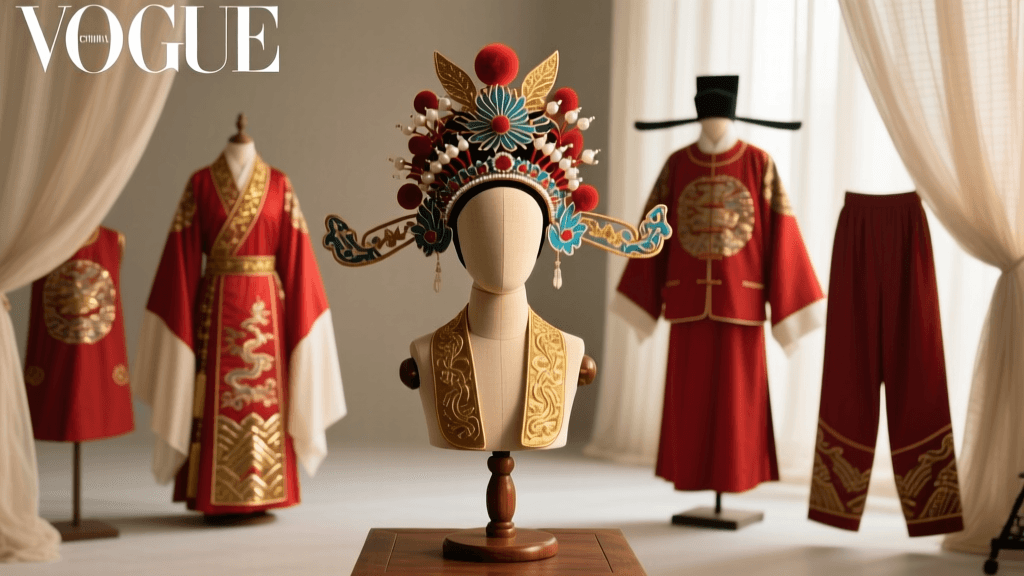
Not all Hanfu is created equal when it comes to camera dynamics. While museum-accurate, heavyweight brocades are stunning in person, they do not catch the wind or spin well on video. For viral transitions, you need garments with high movement factors. As noted by NPR, the modern Hanfu industry has adapted to these visual demands, producing lightweight, camera-friendly iterations of historical garments.
Here is a breakdown of the best Hanfu styles for TikTok transitions, including estimated costs and fabric recommendations:
| Hanfu Style | Era Inspiration | Best Video Move | Avg. Cost (USD) | Fabric Recommendation |
|---|---|---|---|---|
| Mamianqun Set | Ming Dynasty | Skirt Spins & Kicks | $60 - $150 | Pleated Polyester/Chiffon (120g/m2) |
| Beizi & Song Pants | Song Dynasty | Elegant Walks & Turns | $45 - $90 | Linen blends, Lightweight Silk |
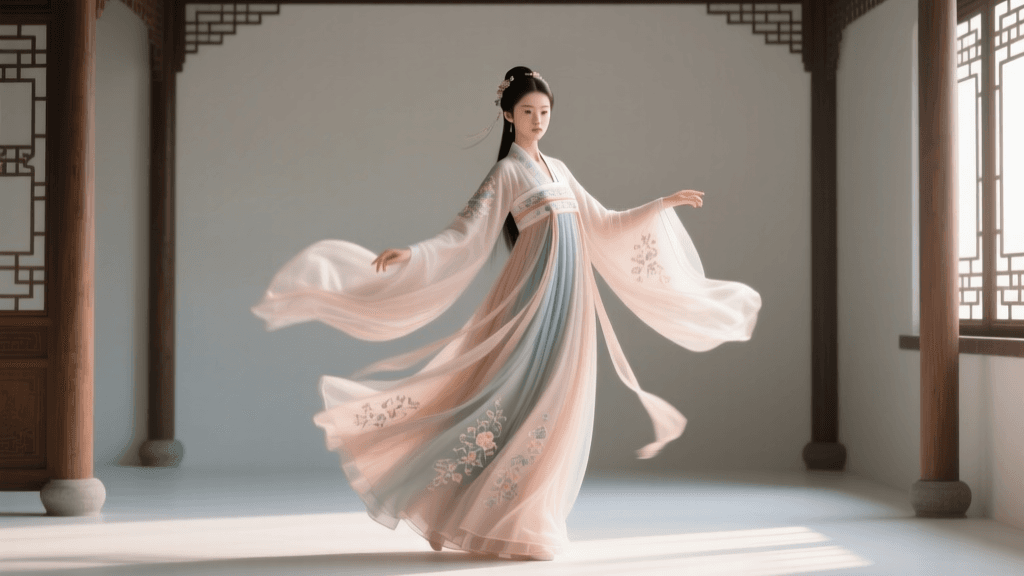
| Wei Jin Cross-Collar | Wei/Jin Dynasties | Wind Catches & Sleeve Tosses | $50 - $110 | Large-sleeve Chiffon, Organza |
Sizing Tip: For a dramatic skirt spin, ensure your Mamianqun (horse-face skirt) length is exactly 5cm off the ground when wearing your filming shoes. A standard 105cm length works for creators around 160cm tall, while 115cm is better for those around 170cm. If the skirt drags, it will ruin the slow-motion spin.
Step-by-Step Guide to Filming the Perfect Transition
Camera Setup and Lighting
To achieve the cinematic Douyin look, avoid shooting directly in the TikTok app. Use your phone's native camera or a mirrorless setup. Shoot the Before clip in standard 30fps or 4k/60fps. Shoot the After clip exclusively in 4k at 60fps. This allows you to slow the footage down by 50% in editing without losing crispness or introducing motion blur.
Position the camera on a tripod exactly 1.5 to 2 meters away from your mark. Use a 24mm or 28mm wide-angle lens equivalent to capture the full wingspan of large Hanfu sleeves (which can measure up to 60cm in width). Lighting should be diffused; a ring light placed slightly above eye level at a 45-degree angle creates the catchlight in the eyes that is signature to Douyin beauty and fashion videos.
The Shoe Drop Technique (Timing & Measurements)
The shoe drop is the most reliable transition for beginners. Here is the exact formula:
- The Setup: Stand 1.5 meters from the camera. Hold a traditional embroidered cloud shoe (or a modern sneaker for contrast) in your right hand.
- The Toss (Before Clip): Toss the shoe directly toward the camera lens. The clip should end the exact millisecond the shoe completely covers the lens (blocking out the light).
- The Catch (After Clip): Change into your Hanfu. Stand in the exact same spot. Start the recording with the shoe already pressed against the lens, then quickly pull it away and down, revealing your full outfit as you step back into a pose.
- The Edit: In CapCut or Premiere, cut the Before clip at the frame of total darkness. Cut the After clip at the frame where the shoe begins to pull away. Align these two cuts precisely on the bass drop of your chosen audio track.
Location Scouting for Hanfu Cinematography
The backdrop of your Hanfu transition can make or break the visual impact. While Douyin creators often utilize high-budget studio sets or famous heritage sites like the Forbidden City, TikTok creators can achieve similar results with strategic local scouting.
- Architectural Contrast: Film the Before clip in a hyper-modern environment (e.g., a neon-lit subway station, a brutalist concrete building, or a glass-walled cafe). Film the After clip in a natural or historically textured environment (e.g., a bamboo grove, a traditional botanical garden, or an old stone bridge). This juxtaposition emphasizes the time-travel aspect of the Hanfu movement.
- The Wind Tunnel Effect: For styles requiring dramatic sleeve tosses (like the Wei Jin cross-collar), scout locations with natural wind corridors. Coastal cliffs, open park fields, or the space between two tall urban buildings provide consistent, directional wind that eliminates the need for expensive off-camera leaf blowers or fans.
- Golden Hour Timing: Schedule your After reveal shoot exactly 45 minutes before sunset. The warm, directional light will highlight the metallic threads (often used in Ming Dynasty Mamianqun weaves) and create long, cinematic shadows that add depth to the pleats of the skirt.
Color Theory and Contrast in Hanfu Videography
Mobile camera sensors struggle with certain color combinations, particularly when compressed by TikTok's algorithm. When sourcing your Hanfu for video, pay strict attention to color theory to ensure your garment pops on screen.
Avoid Moiré Patterns: Highly detailed, tight geometric brocades or dense houndstooth-like weaves can cause a moiré effect (a shimmering, distorted visual artifact) on digital sensors, especially when the fabric moves in slow motion. Instead, opt for solid colors with subtle embroidered borders, or large-scale, sweeping floral motifs that read clearly on a 6-inch smartphone screen.
High-Contrast Pairings: Viral videos often utilize stark color blocking. A classic, highly engaging combination is a deep crimson or navy blue Mamianqun paired with a crisp, pure white or pale gold Duijin Shan (parallel collar top). This high-contrast ratio helps the camera's auto-focus lock onto the subject instantly during the transition, preventing the focus hunting that ruins many amateur transformation videos.
Hair, Makeup, and Accessory Hacks for the Lens
Hanfu styling requires specific accessories to read well on a small mobile screen. The Sixth Tone highlights how modern Hanfu enthusiasts blend historical accuracy with contemporary visual aesthetics, particularly in hair styling.
- Hairpins (Zanzan): Use oversized, tasselled hairpins. On camera, standard 10cm pins look invisible. Opt for 15cm to 20cm pins with dangling pearls or jade beads that sway during your slow-motion spin.
- Forehead Decals (Huadian): Instead of hand-painting intricate floral designs which can look messy on camera, use pre-cut metallic gold or red foil decals. Apply them with a dab of spirit gum to ensure they do not peel off during dynamic movements.
- The Pibo (Silk Shawl): To prevent the Pibo from slipping off your shoulders during a spin, use two small pieces of double-sided fabric tape on the collarbone area of your inner shirt. This keeps the drape perfectly symmetrical in the final reveal.
Editing and Audio Syncing for Maximum Impact
The secret to a viral Douyin-style video is audio-visual synchronization. Choose trending audio tracks that feature a distinct swoosh sound effect right before the beat drops. Add a manual whoosh sound effect in your editing software (like CapCut) precisely on the transition frame. Lower the volume of the music by 10% for the Before clip, and raise it to 100% with a slight bass-boost on the After clip. This auditory shift subconsciously signals to the viewer that a transformation has occurred, drastically increasing watch time and replay value.
By combining the rich cultural heritage of traditional Chinese garments with modern, high-retention video editing techniques, creators can produce stunning Hanfu content that honors the past while dominating the algorithms of the future.