Traditional Chinese Footwear 2026: Cloud Shoes & Boots Guide
The 2026 Xin Zhongshi Movement: Footwear Takes Center Stage
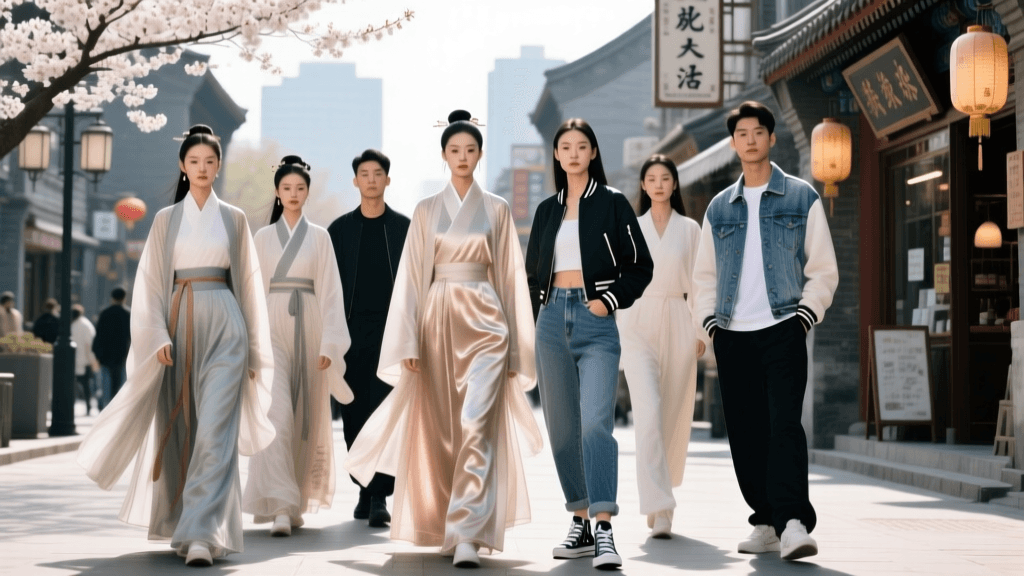
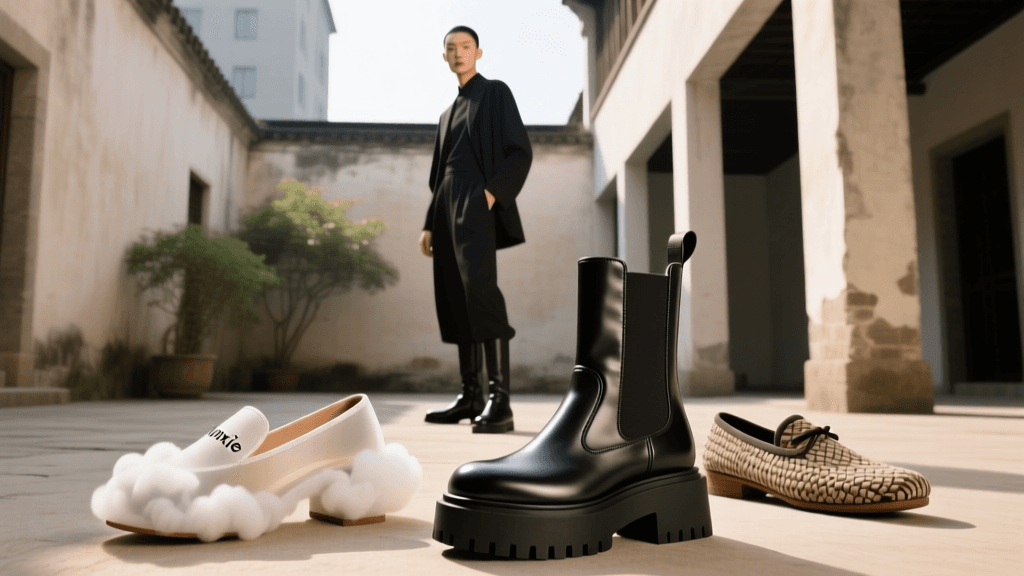
The global fashion landscape of 2026 has seen the 'Xin Zhongshi' (New Chinese Style) movement evolve from a niche subculture into a dominant force in daily streetwear. While the past few years focused heavily on garments like the Mamianqun (horse-face skirt) and the Song-style Beizi, 2026 is undeniably the year of traditional Chinese footwear. No longer reserved for historical reenactments, weddings, or stage performances, heritage-inspired shoes are now being engineered for urban commuting, office wear, and international travel. According to cultural analysis from Sixth Tone, the modern consumer demands a seamless blend of historical aesthetics and contemporary ergonomic technology. This comprehensive guide explores the most prominent traditional Chinese footwear styles making waves in 2026, including Yunxie (cloud shoes), Huapenxie (Manchu platforms), and Qiancengdi (thousand-layer sole) boots, offering practical advice on styling, sizing, and maintenance.
Yunxie (Cloud Shoes): The Upturned Toe Returns
Yunxie, historically known as Qiaotou Lü (upturned-toe shoes), are perhaps the most recognizable silhouette in Han Chinese footwear history. Characterized by their elegantly curved, upward-pointing toe caps, these shoes were originally designed during the Tang and Song dynasties to prevent the hems of long, flowing robes from dragging on the ground and to provide a smooth gliding motion when walking. The Asian Art collections at the Victoria and Albert Museum highlight how the upturned toe also served as a canvas for intricate embroidery, often featuring motifs of clouds, lotuses, or phoenixes, which gave rise to the poetic moniker 'cloud shoes'.
Modern Materials and 2026 Innovations
In 2026, the traditional Yunxie has been radically reimagined for modern comfort. Leading heritage brands and contemporary Xin Zhongshi designers have replaced the stiff, multi-layered paper and cloth toe caps with flexible, 3D-printed thermoplastic elastomers (TPE) that retain the iconic upward curve while allowing for natural foot flexion. Furthermore, the uppers are no longer limited to delicate, easily stained silks. Modern iterations utilize high-tenacity vegan silk blends and recycled jacquard fabrics that offer the luxurious sheen of traditional brocade but are treated with nano-coatings for water and stain resistance. The soles, once made of compressed cotton, now feature lightweight EVA (ethylene-vinyl acetate) midsoles with memory foam insoles, making them viable for all-day wear on concrete city streets.
Styling Yunxie for Daily Wear
Styling Yunxie in 2026 is all about juxtaposition. While they pair naturally with a traditional Mamianqun, the current trend involves grounding minimalist, Western-style tailored clothing with the ornate curves of the cloud shoe. Try pairing a monochromatic, wide-leg linen trouser with a pair of deep crimson or navy Yunxie. The upturned toe will subtly peek out from the hem, providing a striking historical accent to a modern silhouette. For casual weekends, pastel-colored Yunxie with subtle tone-on-tone embroidery look exceptional with cropped denim and a structured Mandarin-collar jacket.
Huapenxie (Manchu Platforms) Reimagined as Chunky Boots
Originating in the Qing Dynasty, Huapenxie, or 'flower pot bottom' shoes, were worn by Manchu noblewomen. The defining feature is the towering, centralized platform sole—traditionally carved from wood and covered in white cloth—which forced the wearer into a swaying, willow-like gait. While the historical Huapenxie was notoriously difficult to walk in and highly impractical for modern life, its architectural silhouette has profoundly influenced the 2026 trend of neo-platform boots.
Today's designers have extracted the visual essence of the Huapenxie—the elevated, flared central base—and translated it into wearable, chunky platform boots. By utilizing lightweight, high-density polyurethane and incorporating modern arch support and rocker-bottom geometry, these 2026 platform boots offer the commanding height and dramatic presence of their Qing Dynasty predecessors without the associated foot fatigue. These boots are frequently crafted from vegan leather or heavy cotton canvas, featuring subtle embroidered motifs of peonies or cranes on the side panels. They are the ultimate statement piece for autumn and winter, pairing flawlessly with oversized knitwear, cropped wide-leg trousers, or modernized Qipao dresses.
Qiancengdi Cloth Boots: Heritage Winter Footwear
For those seeking unparalleled winter comfort, the Qiancengdi (thousand-layer sole) cloth boot remains a pinnacle of traditional Chinese craftsmanship. The 'thousand-layer' sole is a marvel of textile engineering, created by stacking dozens of layers of cotton cloth, pasting them together with natural flour paste, and then hand-stitching them tightly with hemp thread. This process creates a sole that is remarkably durable, naturally shock-absorbing, and highly breathable. The Metropolitan Museum of Art's Asian Art department notes that this technique was essential for surviving the harsh winters of northern China before the advent of modern rubber and synthetic insulation.
In 2026, heritage brands like Beijing's legendary Neiting (内联升) have introduced winterized versions of the Qiancengdi boot. While maintaining the traditional hand-stitched cotton sole for indoor warmth and grounding, these modern boots incorporate hidden Thinsulate linings and water-resistant waxed-cotton uppers. The result is a boot that honors the intangible cultural heritage of Chinese shoemaking while providing the thermal insulation required for modern winter commuting. They are exceptionally lightweight compared to Western leather winter boots, making them a favorite for travel and long days of walking.
2026 Buyer’s Comparison Chart
To help you navigate the diverse market of traditional Chinese footwear, here is a structured comparison of the top three styles dominating the 2026 Xin Zhongshi market.
| Footwear Style | Historical Origin | 2026 Modern Adaptation | Avg. Price Range (USD) | Best Use Case |
|---|---|---|---|---|
| Yunxie (Cloud Shoe) | Tang/Song Dynasty | Flexible TPE toe cap, memory foam insole, stain-resistant jacquard | $60 - $150 | Daily office wear, pairing with Mamianqun, light walking |
| Neo-Huapenxie Boot | Qing Dynasty | Chunky PU platform, ergonomic arch support, embroidered canvas | $120 - $280 | Fashion statements, autumn/winter streetwear, events |
| Qiancengdi Cloth Boot | Ming/Qing Dynasty | Hand-stitched cotton sole, Thinsulate lining, waxed-cotton upper | $90 - $220 | Winter commuting, travel, indoor/outdoor warmth |
Sizing Guide: Navigating Chinese Footwear Metrics
One of the most common hurdles for international buyers exploring traditional Chinese footwear is navigating the sizing metrics. In 2026, most established brands utilize the Standard Chinese Sizing (CN) system, which is numerically identical to the European (EU) sizing system. For example, a CN 38 is equivalent to an EU 38, which generally translates to a US Women's 7.5 or a US Men's 6.
However, the critical factor in traditional footwear is width. Historically, Chinese shoes were crafted with a narrow, tapered toe box to accommodate the aesthetic ideals of the time and the binding practices of certain eras. While modern 2026 designs have vastly improved in accommodating natural foot shapes, shoes with heavy embroidery or structured brocade uppers often lack the lateral stretch of modern knit sneakers. If you have a wide foot (E or EE width), it is highly recommended to size up by a half or full size when purchasing structured Yunxie or embroidered cloth boots, or to seek out brands that explicitly offer 'wide-fit' (Kuanban) options in their 2026 catalogs.
Maintenance: Caring for Silk, Brocade, and Cotton
Traditional footwear requires specific care routines to maintain its structural integrity and vibrant embroidery. Unlike synthetic sneakers, you cannot simply throw Yunxie or Huapenxie into a washing machine.
- Silk and Brocade Uppers: Avoid water immersion. Use a specialized dry-foam upholstery cleaner and a soft-bristled brush to gently lift dirt from the embroidered threads. Always brush in the direction of the embroidery stitch to prevent snagging.
- Cotton and Linen Uppers: Spot clean with a mild, pH-neutral detergent and a damp microfiber cloth. Allow them to air dry away from direct sunlight, which can cause the natural dyes to fade rapidly.
- Shape Retention: The upturned toes of Yunxie and the structured shafts of cloth boots are prone to collapsing when stored. Always stuff them with acid-free tissue paper or use specialized cedar shoe trees designed for tapered toe boxes to maintain their architectural shape.
- Sole Care: For Qiancengdi (thousand-layer) cotton soles, avoid walking in heavy rain or snow, as the compressed cotton layers can absorb moisture and take days to dry, potentially leading to mildew. If they do get damp, place them in a well-ventilated area with silica gel packets to draw out the moisture slowly.
Travel Packing: Transporting Delicate Heritage Shoes
As traditional Chinese footwear becomes a staple of the global 2026 wardrobe, knowing how to pack them for travel is essential. The delicate embroidery and structured silhouettes of Yunxie and platform boots can easily be crushed in a standard suitcase. Invest in rigid, cylindrical shoe cases or use hard-shell sunglasses cases for delicate silk slippers. For the chunky Neo-Huapenxie boots, place a rolled-up pair of socks inside the shaft to prevent the ankle from creasing, and wrap the soles in reusable silicone shower caps to keep your clothing clean. By treating these garments with the same care as high-end luxury accessories, you ensure that your traditional Chinese footwear remains a vibrant, functional part of your wardrobe for years to come.