Xiangyunsha Silk: China's Intangible Heritage Craft
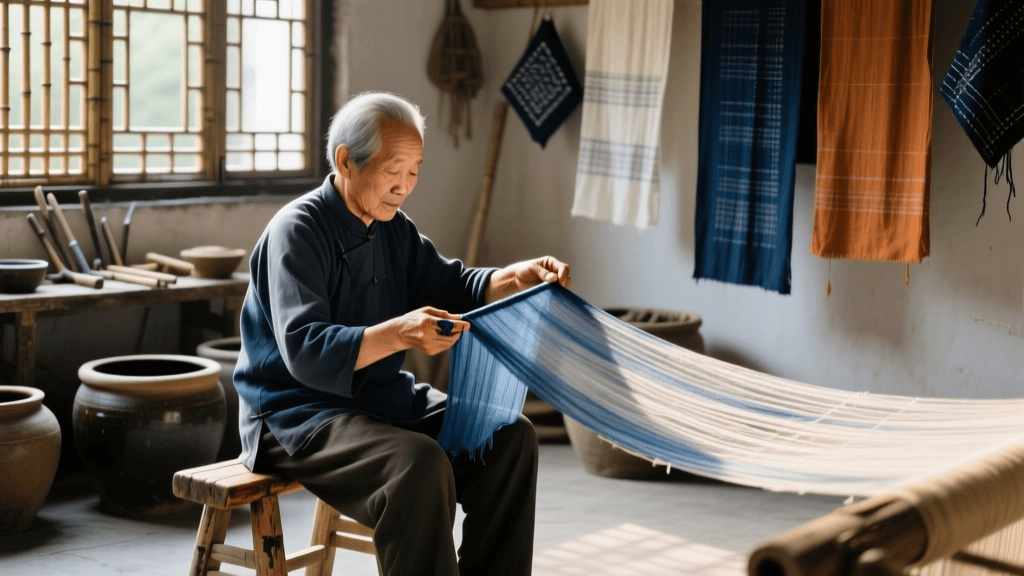
The Legacy of Xiangyunsha: China's 'Soft Gold'
Xiangyunsha, widely revered as Gambiered Canton Gauze, is a masterpiece of Chinese textile engineering and a shining example of traditional Asian craftsmanship. Originating in the Shunde district of Foshan in Guangdong province, this luxurious silk fabric is often referred to as 'soft gold' due to its complex, labor-intensive production process and its historical value as a premium trade commodity. Unlike mass-produced modern textiles, authentic Xiangyunsha is deeply tied to the specific geography, climate, and ancestral knowledge of the Pearl River Delta. In 2008, the traditional dyeing and weaving techniques of Xiangyunsha were officially inscribed on China's National Intangible Cultural Heritage (ICH) list, recognizing the urgent need to protect the aging artisans who hold this centuries-old knowledge.
To understand the profound cultural significance of such textile traditions, one must look at how global organizations define and protect these practices. According to the UNESCO Intangible Cultural Heritage framework, safeguarding traditional craftsmanship is not merely about preserving the physical objects produced, but rather about protecting the skills, knowledge, and community practices that bring them to life. For the artisans of Shunde, Xiangyunsha is a living heritage that requires a harmonious relationship with nature.
The Botanical and Chemical Alchemy of the Dye
The creation of Xiangyunsha is a grueling, sun-dependent process that cannot be replicated in a climate-controlled factory. It relies on a fascinating chemical reaction between plant tannins and mineral-rich mud. The primary dye is extracted from the Dioscorea cirrhosa tuber, locally known as 'shoulang'. This wild yam species is rich in tannic acid. Artisans crush the tubers and soak them in water to extract a deep, reddish-brown juice.
The silk gauze is repeatedly dipped into this tannin-rich bath and laid out on the grass to dry under the intense subtropical sun. However, the true magic of Xiangyunsha occurs during the mud-coating phase. Artisans harvest a specific type of iron-rich river mud from the Pearl River Delta. When the tannin-soaked silk is coated with this iron-rich mud, a rapid chemical reaction occurs, forming iron tannate. This reaction transforms the fabric, giving it a dark, lustrous, almost leather-like finish on one side, while the reverse side remains a warm, earthy brown. This dual-tone characteristic is a hallmark of authentic gambiered gauze.
The 14-Step Artisan Dyeing Process
The traditional production of Xiangyunsha involves up to 14 distinct steps and over 30 cycles of dyeing and drying. The entire process takes several months and is strictly bound to the calendar. Production typically begins in March and ends in November, with the highest quality fabric produced during the intense, dry heat between July and October. Below is a summary of the critical phases managed by the master artisans:
- Preparation and Scouring: The raw silk gauze is washed to remove natural sericin and impurities, ensuring the fibers are perfectly receptive to the dye.
- Shoulang Dyeing Cycles: The silk is immersed in the yam juice and sun-dried. This cycle is repeated dozens of times until the fabric achieves a deep, uniform reddish-brown hue.
- Mud Coating (Guo Wu): Conducted only in the early morning before the sun peaks, artisans meticulously spread the iron-rich river mud over the fabric by hand. This step requires immense physical strength and precise timing.
- Washing and Boiling: After the mud reaction, the fabric is washed in the river to remove excess silt, then boiled to set the color and soften the fibers.
- Final Sun-Drying and Resting: The fabric is dried one last time and then stored in a dark, cool warehouse for several months to 'rest', allowing the colors to deepen and the fibers to stabilize.
Identifying Authentic Xiangyunsha: A Buyer's Guide
As the global appreciation for traditional Asian garments like Hanfu and modern heritage-inspired fashion grows, so does the market for counterfeit Xiangyunsha. Commercial imitations are often produced using chemical dyes and synthetic mud coatings, stripping the fabric of its breathability, historical value, and skin-nourishing properties. For collectors, designers, and cultural enthusiasts, knowing how to identify authentic heritage Xiangyunsha is essential.
Market Realities and Pricing Table
Authentic Xiangyunsha is an investment piece. Because the process relies on manual labor, specific weather conditions, and natural resources, the yield is limited. Below is a comparison to help you navigate the market and understand the costs associated with genuine intangible heritage crafts.
| Feature | Authentic Xiangyunsha (Heritage) | Commercial Imitation (Chemical) |
|---|---|---|
| Price per Meter | $120 - $350+ USD | $15 - $40 USD |
| Visual Appearance | Subtle 'ice crackle' pattern; asymmetric coloring (dark/black face, brown reverse) | Uniform color on both sides; flat, artificial-looking sheen |
| Scent | Faint, earthy, herbal scent (fades over time) | Chemical, synthetic, or completely odorless |
| Texture and Drape | Crisp yet fluid; softens beautifully with wear; highly breathable | Stiff, plasticky feel; lacks the natural drape of pure silk |
| Standard Width | Typically 114 cm or 140 cm (hand-loomed or traditional power-loomed) | Varies widely, often mass-produced standard widths |
Key Authentication Markers
When purchasing Xiangyunsha, look for the 'ice crackle' pattern. Because the mud coating shrinks slightly as it dries in the sun, it creates microscopic, web-like fissures in the dark surface layer. This is a natural occurrence that cannot be perfectly mimicked by digital printing. Additionally, authentic Xiangyunsha is renowned for its skin-care benefits; the tannins and natural minerals are known to be hypoallergenic and soothing, making it highly prized for summer garments in humid climates.
Caring for Gambiered Canton Gauze
Owning a piece of intangible cultural heritage comes with the responsibility of proper maintenance. The iron-tannate bond is strong, but the silk fibers and natural coatings require specific care to ensure longevity.
'Treat Xiangyunsha not merely as a garment, but as a living skin that breathes, ages, and softens with your body's natural oils over time.'
- Washing: Always hand wash in cool water (under 30°C). Never use alkaline detergents or standard laundry soaps, as they will strip the natural tannins and damage the mud coating. Use a pH-neutral silk wash or even plain water for lightly soiled items.
- Drying: Never wring or twist the fabric. Gently press out excess water and lay it flat or hang it to dry in a well-ventilated, shaded area. Direct sunlight during the drying phase can cause the dark coating to become brittle and crack.
- Ironing: If ironing is necessary, use the lowest heat setting (silk mode) and always place a cotton pressing cloth between the iron and the dark side of the fabric to prevent scorching the mud coating.
- Storage: Store in a cool, dry place away from direct sunlight. Avoid plastic garment bags; use breathable cotton covers to prevent moisture buildup, which can lead to mildew on the organic dyes.
Supporting the Artisans of Shunde
The survival of Xiangyunsha relies entirely on the transmission of skills from master artisans to the next generation. However, the grueling nature of the work—particularly the mud-coating phase, which requires workers to bend over in the hot sun for hours—has led to a decline in young people entering the profession. To support this intangible heritage, buyers and institutions must prioritize ethical sourcing.
When traveling to China, visiting the Shunde Xiangyunsha Cultural Heritage Center or the National Museum of China in Beijing can provide profound context on how these textiles shaped regional economies and fashion histories. For those unable to travel, supporting certified heritage workshops that pay fair wages to their dye masters is crucial. Look for sellers who provide transparency regarding their supply chain, specifically naming the workshops in Foshan and detailing the harvest of the Dioscorea cirrhosa root.
The historical continuity of Chinese silk is a testament to human ingenuity and our deep connection to the natural environment. As noted by the Metropolitan Museum of Art's Heilbrunn Timeline of Art History, silk has been a cornerstone of Chinese cultural expression and global trade for millennia. By choosing authentic Xiangyunsha, you are not just buying a luxury fabric; you are actively participating in the safeguarding of a 500-year-old ecological and artistic tradition, ensuring that the 'soft gold' of the Pearl River Delta continues to shine for generations to come.