Hanfu Fabric Drape and Comfort Analysis: 2026 Guide
The Renaissance of Hanfu in 2026: Beyond the Aesthetic
The Xin Zhongshi (New Chinese Style) movement has completely transformed the Hanfu landscape by 2026. No longer confined to ceremonial wear, historical reenactments, or weekend photography outings, traditional Chinese garments are now seamlessly integrated into daily urban wardrobes across Asia and the global diaspora. As Hanfu transitions from occasional costume to everyday fashion, the criteria for selecting garments have shifted dramatically. While historical accuracy and intricate embroidery remain important, modern wearers are increasingly prioritizing fabric texture, drape, and all-day comfort. In this comprehensive 2026 analysis, we break down the textile physics, material innovations, and practical sourcing strategies for Hanfu fabrics, ensuring your wardrobe is as comfortable as it is culturally resonant.
The Physics of Drape: Understanding Flexural Rigidity
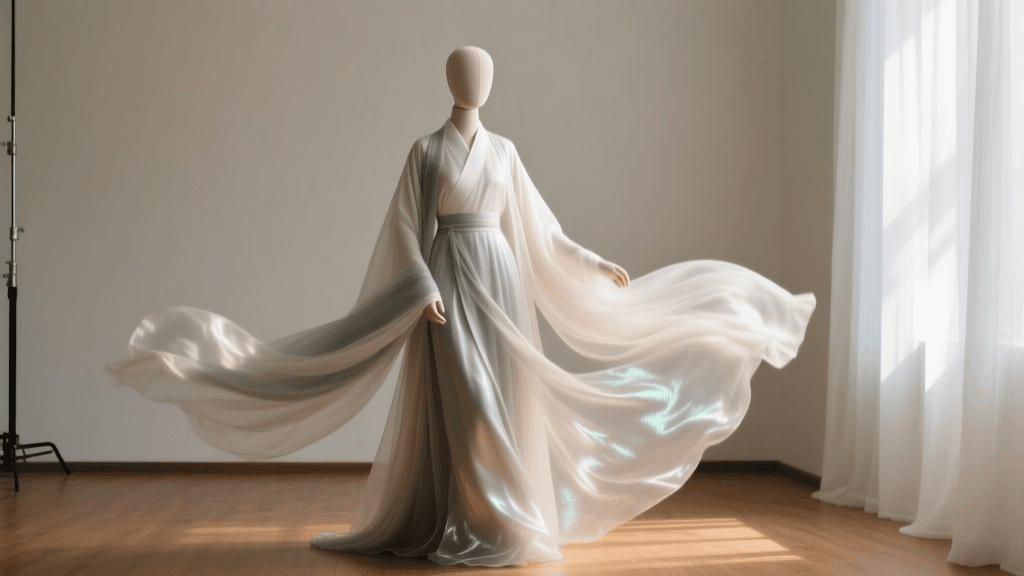
To truly appreciate Hanfu fabric texture, one must understand the science of drape. In textile engineering, drape is quantified by a fabric's flexural rigidity and bending stiffness. When a garment like a Mamianqun (horse-face skirt) or a flowing Ruqun is in motion, the fabric must exhibit low shear hysteresis—meaning it should easily fold and unfold without resisting or holding stiff creases. High-quality Hanfu relies on a delicate balance of weight and fluidity.
In 2026, the ideal Hanfu fabric typically falls within a GSM (grams per square meter) range of 40 to 80 for inner layers and summer wear, and 120 to 180 for structured outerwear. A fabric that is too light will cling uncomfortably to the skin in humid weather, while a fabric that is too heavy will restrict movement and cause shoulder fatigue. The 'flow' of a sleeve or the sharp, architectural pleats of a skirt are entirely dictated by the yarn twist and the weave structure. According to foundational research on textile history and material properties documented by institutions like the Metropolitan Museum of Art, the historical mastery of silk weaving was precisely about manipulating these physical properties to create garments that moved harmoniously with the human body.
Xiangyunsha: The Pinnacle of Breathable Drape
When discussing premium Hanfu fabrics in 2026, Xiangyunsha (Gambiered Canton Gauze) remains the undisputed champion of drape and comfort. Originating from the Foshan region, this unique textile is recognized for its complex, eco-friendly dyeing process. The silk is repeatedly dipped in the juice of the Dioscorea cirrhosa (a type of yam) and then coated with iron-rich river mud before being baked in the sun. This creates a dual-textured fabric: one side is a glossy, deep black, while the other is a matte, earthy brown.
From a comfort perspective, Xiangyunsha is unparalleled for summer Hanfu. The tannin-rich coating makes the fabric naturally antibacterial, moisture-wicking, and incredibly cool to the touch. Its drape coefficient is exceptionally high, allowing it to cascade over the body like liquid glass while maintaining enough structural integrity to hold the sharp pleats of a Mamianqun. Furthermore, the fabric produces a distinct, soft rustling sound when walking, historically referred to as 'Xiangyun' (singing clouds). The cultural and technical significance of this material is so profound that its traditional production methods are safeguarded as an intangible cultural heritage, as detailed by the UNESCO Intangible Cultural Heritage registry.
However, authenticity is a major concern in the 2026 market. Genuine Foshan Xiangyunsha requires weeks of manual labor and specific climatic conditions. When sourcing, expect to pay between $140 and $220 per meter for authentic, certified Xiangyunsha. Beware of synthetic imitations that attempt to mimic the glossy finish using polyurethane coatings; these lack the breathability and natural drape of the genuine article, leading to severe discomfort in warm weather.
Song Brocade and Heavy Weaves: Structured Elegance
While Xiangyunsha excels in fluidity, Song Brocade (Songjin) offers the structural elegance required for outer garments like the Beizi (traditional overcoat) or structured winter wear. Historically reserved for royalty and high-ranking officials, modern Song Brocade utilizes advanced 2026 Jacquard loom technology to reduce the fabric's overall weight without sacrificing its intricate, multi-layered patterns.
The drape of Song Brocade is intentionally stiffer. It does not cling; rather, it creates a majestic, architectural silhouette that stands away from the body. This makes it highly comfortable in cooler months, as it traps a layer of insulating air between the garment and the wearer's inner layers. Modern iterations often blend mulberry silk with a small percentage of metallic threads or high-tenacity rayon to improve durability and reduce the cost, bringing the price down to an accessible $60 to $90 per meter for everyday Xin Zhongshi enthusiasts.
Modern Tech-Blends in the Xin Zhongshi Era
The Xin Zhongshi movement has heavily embraced modern textile engineering to solve the historical pain points of pure silk: high maintenance, wrinkle-proneness, and fragility. In 2026, Cupro-silk blends and Tencel-linen mixtures dominate the entry-level and mid-tier Hanfu market. Cupro, a regenerated cellulose fiber derived from cotton linter, mimics the silky drape and cooling sensation of mulberry silk but offers superior moisture absorption and machine-washability.
For the modern commuter, a Cupro-blend Ruqun provides the aesthetic flow of traditional Hanfu with the practical resilience required for a day at the office or navigating public transit. These blends typically exhibit a drape coefficient nearly identical to 100% mulberry silk but boast a 40% higher resistance to wrinkling. The global push for sustainable fashion has also influenced this sector, with organizations like the Food and Agriculture Organization (FAO) noting the increasing integration of sustainable sericulture practices and eco-friendly regenerated fibers in Asian textile markets.
2026 Hanfu Fabric Comparison Matrix
To help you make informed purchasing decisions, we have compiled a comprehensive comparison of the most popular Hanfu fabrics available in the 2026 market, analyzing their physical properties and ideal use cases.
| Fabric Type | Avg. GSM | Drape Coefficient | Breathability | Ideal Garment | 2026 Avg. Cost/Meter |
|---|---|---|---|---|---|
| Xiangyunsha (Authentic) | 55-70 | Very High (Fluid) | Exceptional | Summer Mamianqun, Inner Ru | $140 - $220 |
| 100% Mulberry Silk (Crepe) | 40-60 | High (Flowing) | Excellent | Flowing Sleeves, Summer Tops | $80 - $120 |
| Song Brocade (Modern Blend) | 130-160 | Low (Structured) | Moderate | Winter Beizi, Structured Collars | $60 - $90 |
| Cupro-Silk Blend | 80-100 | High (Flowing) | Very Good | Daily Commuter Hanfu, Skirts | $35 - $55 |
| Tencel-Linen Mix | 110-140 | Medium (Crisp) | Excellent | Spring/Autumn Outer Layers | $25 - $45 |
Sourcing, Tailoring, and Maintenance in 2026
Acquiring the right fabric is only the first step; proper tailoring and maintenance are crucial for preserving the drape and comfort of your Hanfu. When commissioning custom Hanfu in 2026, always request that the tailor cut the fabric on the bias for areas requiring maximum fluidity, such as the curved collars of a Jiaoling Youren (cross-collared top). This technique utilizes the natural stretch of the weave, preventing the collar from gaping and ensuring a smooth, comfortable fit across the chest and shoulders.
Maintenance protocols must be strictly followed to prevent silk amino acid degradation. Never use alkaline detergents on Xiangyunsha or pure mulberry silk, as they will strip the natural sericin and tannin coatings, resulting in a stiff, lifeless drape. Instead, use pH-neutral, enzyme-free silk washes. For storage, avoid wire hangers which distort the shoulder seams and ruin the drape of heavy garments like Song Brocade coats. Invest in padded, wide-shoulder wooden hangers, and store your most precious Xiangyunsha pieces rolled around acid-free tissue tubes to prevent permanent creasing along the warp threads.
Conclusion
The evolution of Hanfu into a staple of the 2026 Xin Zhongshi wardrobe is a testament to the enduring appeal of traditional Asian aesthetics, beautifully augmented by modern textile science. Whether you are investing in the luxurious, cooling rustle of authentic Xiangyunsha or opting for the practical elegance of a Cupro blend, understanding the physics of fabric drape and comfort is essential. By selecting the right materials and caring for them properly, you ensure that your Hanfu not only honors centuries of cultural heritage but also provides unparalleled comfort for the modern lifestyle.