Hanfu Fabric Drape & Comfort: 2026 Xiangyunsha Silk Analysis
The Renaissance of Hanfu Textiles in 2026
As the Xin Zhongshi (New Chinese Style) movement continues to dominate global fashion weeks and daily streetwear in 2026, the demand for authentic, high-quality Hanfu has evolved from niche historical reenactment to a sophisticated lifestyle choice. Modern consumers no longer view traditional garments merely as ceremonial costumes; they expect the same biomechanical comfort, durability, and dynamic drape found in contemporary luxury apparel. At the intersection of ancient weaving techniques and modern textile engineering lies the critical analysis of fabric drape and skin comfort. Understanding how different silks and blends behave in motion is essential for both designers and enthusiasts navigating the 2026 Hanfu market.
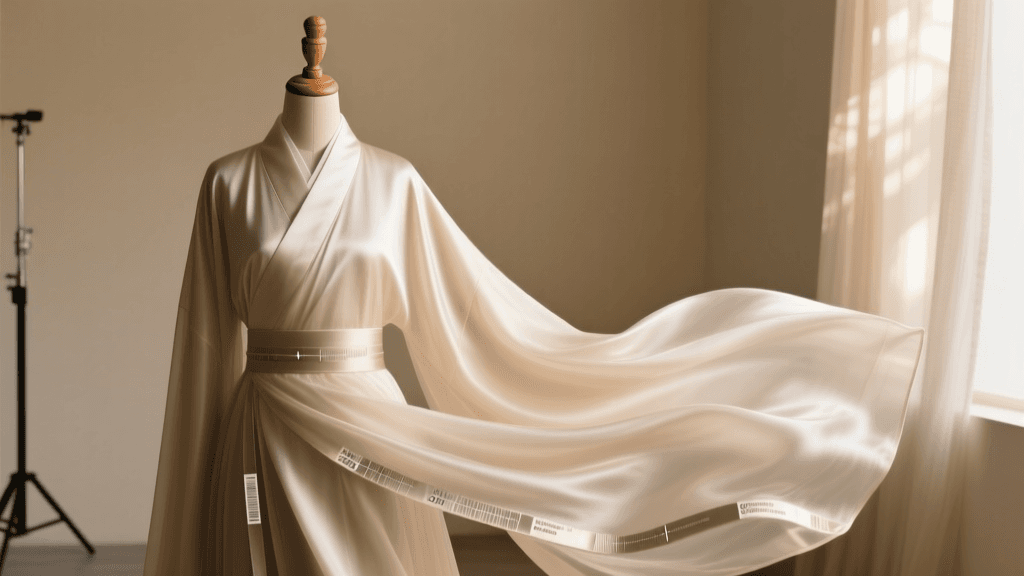
Drape, or chuízhíxìng (悬垂性) in Chinese textile terminology, dictates the visual poetry of Hanfu. It determines how a Mamianqun (horse-face skirt) holds its structured pleats while allowing fluid movement, or how the expansive sleeves of a Daxiushan cascade elegantly over the wrist. In 2026, the industry relies on advanced AI-driven textile scanners and updated FAST (Fabric Assurance by Simple Testing) protocols to quantify these ancient fabrics, ensuring they meet the rigorous demands of modern daily wear.
The Science of Hanfu Drape: Traditional vs. Modern Weaves
Fabric drape is the ability of a material to deform under its own weight, creating a three-dimensional shape. In traditional Hanfu, drape is not just an aesthetic choice; it is a structural necessity. A fabric with too high a bending rigidity will cause the garment to stand away from the body awkwardly, ruining the harmonious silhouette prized in traditional Chinese aesthetics. Conversely, a fabric with too little body will cling to the skin, losing the ethereal, flowing quality that defines the Hanfu silhouette.
According to research published in the Textile Research Journal, the drape coefficient—a metric derived from the classic Cusick drape test—remains the gold standard for evaluating how fabrics form nodes and folds. In 2026, textile labs utilize 3D optical draping simulators to map how historical weaves, such as plain-weave Juan (绢) or satin-weave Duan (缎), react to varying humidity and kinetic movement. These simulations have proven that the traditional multi-shaft satin weaves used in Ming dynasty garments offer an optimal balance of surface luster and gravitational drape, making them highly sought after in today's premium market.
Xiangyunsha: The Pinnacle of Structured Drape
No discussion of Hanfu fabric drape is complete without analyzing Xiangyunsha (香云纱), also known as Gambiered Canton Gauze. Recognized as a national intangible cultural heritage, this fabric has seen a massive resurgence in the 2026 Xin Zhongshi market due to its unparalleled structural memory and unique textural profile. Xiangyunsha is created through a painstaking, multi-step dyeing process that involves soaking mulberry silk in the tannin-rich juice of the Dioscorea cirrhosa (薯莨) plant, followed by coating it with iron-rich river mud from the Pearl River Delta.
This chemical reaction between the tannins and iron creates a unique dual-sided fabric. The front is a deep, lustrous black with a leather-like crispness, while the back remains a warm, earthy brown with a softer hand-feel. From a drape perspective, Xiangyunsha is extraordinary. It possesses a high drape coefficient but remarkably low crease retention, meaning it forms sharp, architectural folds that hold their shape beautifully in a pleated skirt, yet it flows with a heavy, liquid grace when used in wide-sleeved robes. Furthermore, the mud-silk coating makes the fabric naturally water-resistant, antimicrobial, and exceptionally cool to the touch, addressing the primary comfort complaints associated with heavy traditional silks in humid climates.
2026 Hanfu Fabric Comparison: Drape and Comfort Metrics
To help consumers and designers make informed choices, we have compiled a comprehensive analysis of the most popular Hanfu fabrics available in 2026. The data below reflects standard testing conditions (20°C, 65% relative humidity) using modern textile evaluation metrics.
| Fabric Type | Weight (g/m²) | Drape Coefficient (%) | Moisture Regain (%) | Best Hanfu Application |
|---|---|---|---|---|
| 100% Mulberry Silk (Charmeuse) | 65 - 85 | 45% - 55% | 11.0% | Flowing Ruqun, Summer Daxiushan |
| Xiangyunsha (Gambiered Gauze) | 90 - 120 | 65% - 75% | 9.5% | Structured Mamianqun, Outerwear |
| Song Brocade (Songjin) | 140 - 180 | 75% - 85% | 8.0% | Ceremonial Jackets, Winter Collars |
| Silk-Cupro Blend (2026 Standard) | 70 - 95 | 50% - 60% | 13.5% | Daily Wear Xin Zhongshi, Linings |
As the table illustrates, the introduction of Silk-Cupro blends has revolutionized the daily-wear Hanfu sector in 2026. Cupro, a regenerated cellulose fiber derived from cotton linter, mimics the smooth, lustrous drape of silk while offering superior moisture-wicking properties. When blended with 30% mulberry silk, it creates a fabric that drapes beautifully, resists static cling, and can be machine-washed on gentle cycles—a massive leap forward for Hanfu practicality.
Academic Perspectives on Silk and Skin Comfort
Comfort in traditional garments is heavily dictated by thermal resistance, breathability, and skin friction. Leading institutions, such as Donghua University, have been at the forefront of studying the biomechanical interaction between historical Chinese weaves and human skin. Their recent 2026 studies highlight that the triangular prism-like structure of the mulberry silk fibroin naturally refracts light and creates micro-channels for air circulation, making it inherently thermoregulating.
However, the comfort of Hanfu is also influenced by the garment's microclimate—the layer of air trapped between the skin and the fabric. Traditional cross-collar (Jiaoling Youren) designs naturally create a ventilation chimney effect, allowing hot air to escape through the neck and sleeves. When paired with high-moisture-regain fabrics like Xiangyunsha or pure silk, this design prevents the clammy sensation often experienced with modern synthetic fast-fashion garments. The China Silk Museum continues to validate these historical design choices, noting that Song and Ming dynasty weavers intentionally adjusted the twist levels of their silk yarns to optimize this exact breathability-to-drape ratio.
Practical Guide: Selecting Hanfu Fabrics for Your Climate
Choosing the right fabric is paramount for ensuring your Hanfu is both visually stunning and physically comfortable. Based on 2026 market offerings, here is how to select your textiles based on environmental factors:
- High Humidity & Heat (Subtropical Summers): Opt for lightweight plain-weave silks (Juan) or high-twist crepes (Zhou). These fabrics have a lower drape coefficient, allowing them to flutter away from the body and promote airflow. Avoid heavy brocades or dense satins, which will trap heat.
- Moderate & Dry Climates (Spring/Autumn): This is the ideal environment for Xiangyunsha and mid-weight mulberry charmeuse. The structural drape of Xiangyunsha excels in dry weather, where its natural anti-static properties keep the skirt pleats perfectly aligned without clinging to the legs.
- Cold & Windy Conditions (Winter): Layering is key. Use a Silk-Cupro blend for the innermost layer (Zhongyi) to wick moisture away from the skin, and utilize heavy Song Brocade (Songjin) or wool-blend outer jackets (Bijia or Pifeng). The high bending rigidity of brocade provides excellent wind resistance while maintaining a regal, structured silhouette.
Preserving the Drape: 2026 Storage and Care Protocols
The drape and comfort of Hanfu fabrics can be permanently damaged by improper storage and cleaning. The structural memory of fibers like Xiangyunsha and the delicate warp threads of Song Brocade require specific maintenance routines to preserve their 2026 investment value.
For Xiangyunsha, dry cleaning is generally discouraged as harsh chemicals can strip the natural mud-and-tannin coating that gives the fabric its unique crispness and water resistance. Instead, gentle hand washing in cool water with a pH-neutral silk detergent is recommended. Crucially, Xiangyunsha must be hung to dry in the shade. Folding it while damp can cause permanent creases that disrupt its architectural drape. Once dry, it should be stored on wide, padded hangers to maintain the shoulder structure of jackets and the pleat alignment of skirts.
Conversely, heavy brocades and heavily embroidered garments should never be hung for long periods. The sheer weight of the fabric will cause the warp threads to stretch and eventually snap, ruining the drape and causing the embroidery to pucker. These garments must be gently rolled around acid-free tissue paper cylinders and stored flat in breathable cotton bags. By respecting the unique physical properties of these ancient textiles, modern wearers can ensure their Hanfu remains comfortable, beautiful, and structurally sound for decades to come.
Conclusion
The 2026 Hanfu landscape is a triumph of material science meeting cultural heritage. By understanding the intricate dynamics of fabric drape, moisture regain, and weave structures, enthusiasts can fully embrace the Xin Zhongshi movement without sacrificing modern comfort. Whether you are drawn to the liquid, structured elegance of Xiangyunsha or the breathable, easy-care nature of modern silk-cupro blends, the key to mastering traditional Chinese dress lies in respecting the textile. As academic research and industry standards continue to evolve, the future of Hanfu promises even greater innovations in how these timeless garments move, feel, and flow with the human body.