2026 Hanfu Milestone Rites: Guan Li, Ji Li & Weddings
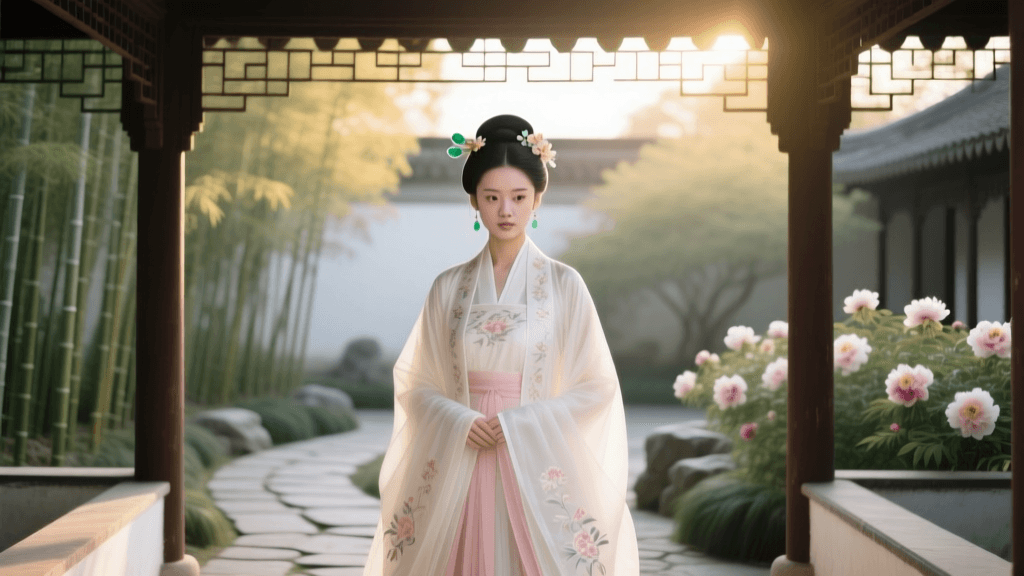
The global Hanfu movement has evolved dramatically by 2026, transitioning from a niche internet subculture into a deeply respected practice of living heritage. For modern practitioners, traditional Chinese clothing is no longer reserved solely for photography or casual streetwear; it has reclaimed its sacred role in life’s most pivotal milestones. The revival of Guan Li (the male coming-of-age capping ceremony), Ji Li (the female coming-of-age hairpinning ceremony), and Hun Li (traditional wedding rites) represents a profound reconnection with Confucian etiquette, ancestral reverence, and historical textile artistry.
Whether you are planning a milestone ceremony for yourself, a family member, or a client, understanding the historical protocols, dynastic garment selections, and modern 2026 sourcing realities is essential. This comprehensive guide details how to authentically orchestrate these profound rites of passage.
The Coming of Age: Ji Li and Guan Li
In ancient China, reaching adulthood was not merely a matter of biology but a formal transition of social responsibility. The Liji (Book of Rites) dictates that a man becomes an adult at twenty through the Guan Li, while a woman reaches adulthood at fifteen (or twenty, depending on the era and marital status) through the Ji Li. In 2026, these ceremonies are frequently held on the subject's 18th or 20th birthday, often coinciding with university graduation or entry into the professional world.
The San Jia (Three Additions) Protocol
The core of both coming-of-age ceremonies is the San Jia, or the "Three Additions" of clothing. Each layer represents a progression in maturity, responsibility, and social standing.
- First Addition (Chu Jia): The initiate is dressed in simple, unadorned garments. For women, this is typically a basic RuqunShenyi (deep robe) is worn.
- Second Addition (Zai Jia): The garments become more formal and structured. Women don a Beizi (long, elegant jacket) over their skirt, often in silk or fine linen, representing the grace and duties of a young adult. Men are presented with a Xuan Duan (formal dark robe) and a leather belt, signifying their readiness for martial or civic duties.
- Third Addition (San Jia): The pinnacle of the ceremony. Women receive their formal hairpins (Ji) and are dressed in elaborate court-style attire, such as a Ming Dynasty Zhaiyi or a heavily embroidered Song Dynasty formal gown. Men receive their formal caps (Guan) and don the grand Juebian or official court robes, marking their full integration into adult society.
The intricate textiles used in these milestone garments often rely on techniques recognized globally, such as those detailed in the UNESCO Intangible Cultural Heritage registry for Chinese sericulture and silk craftsmanship. Sourcing authentic Xiangyunsha (gambiered Canton gauze) or Song brocade for the Third Addition has become a hallmark of premium 2026 ceremonies.
The Solemnity of Hun Li (Traditional Weddings)
Unlike modern banquet weddings, which are often loud and festive, the traditional Han Hun Li is characterized by solemnity, quiet dignity, and profound reverence for the cosmos and ancestors. The ceremony is traditionally held at dusk (the character for marriage, 婚, shares a root with the word for dusk, 昏), symbolizing the harmonious blending of yin and yang.
Dynastic Color and Silhouette Choices for 2026
Couples in 2026 are increasingly moving away from the ubiquitous red qipao and are instead commissioning historically accurate dynastic wedding sets. The choice of dynasty dictates the color palette and silhouette:
- Zhou/Han Dynasty Style: Characterized by flowing, wide sleeves and a deeply solemn color palette of black and crimson red. This style is favored by couples seeking a minimalist, ancient, and highly ritualistic aesthetic.
- Tang Dynasty Style: Known for its opulence, featuring high-waisted skirts, wide shawls (Pibo), and vibrant color contrasts, most notably crimson and green. It reflects the cosmopolitan energy of the Silk Road, a dynamic extensively documented by the Metropolitan Museum of Art's Heilbrunn Timeline of Art History.
- Ming Dynasty Style: The most popular choice for 2026 Han weddings. The bride wears a Fengguan Xiapei (phoenix coronet and clouded scarf) with a crimson Yuanlingpao (round-collar robe) or a blue/green Dashan. The groom wears a dark blue or black Dao Pao or official-style robe with a winged hat. The use of Zhuanghua brocade (woven gold and silver threads) is highly prized.
Core Rituals of the Hun Li
A traditional Han wedding focuses on the couple rather than the guests. Key rituals include Tong Lao (the sharing of a sacrificial pig's meat, symbolizing the merging of two bodies into one) and He Jin (the sharing of wine from two halves of a bitter gourd, symbolizing the willingness to share both the sweet and bitter aspects of life).
2026 Sourcing Guide: Fabrics, Pricing, and Lead Times
The Hanfu market in 2026 has bifurcated into mass-market ready-to-wear and high-end bespoke tailoring. For life milestone ceremonies, where historical accuracy and fabric drape are paramount, enthusiasts are turning to bespoke tailors in Hangzhou, Suzhou, and specialized ateliers in Caoxian that have upgraded their craftsmanship to meet premium demands.
For those seeking visual references for authentic dynastic cuts and drapes before commissioning a tailor, the Victoria and Albert Museum’s Asian collections remain an invaluable resource for modern tailors and enthusiasts studying historical garment construction.
| Milestone & Style | Primary 2026 Fabrics | Estimated Cost (USD) | Tailoring Lead Time |
|---|---|---|---|
| Ji Li (Song Dynasty) | Mulberry Silk, Ramie, Damask | $400 - $750 | 3 - 5 Weeks |
| Guan Li (Ming Dynasty) | Woven Brocade, Heavy Linen, Silk Twill | $550 - $900 | 4 - 6 Weeks |
| Hun Li (Zhou/Han Style) | Raw Silk, Hemp Blends, Heavy Crepe | $900 - $1,600 | 6 - 8 Weeks |
| Hun Li (Ming Style, Full Set) | Zhuanghua Brocade, Xiangyunsha, Velvet | $1,500 - $4,000+ | 8 - 14 Weeks |
Note: Prices reflect 2026 bespoke tailoring rates including custom embroidery and natural dyeing processes. Mass-market alternatives are available at 40% of these costs but often compromise on historical patterning and synthetic fabric blends.
Orchestrating the Ceremony: Protocol and Modern Adaptations
Executing a milestone rite requires careful attention to protocol. The most critical role in a Guan Li or Ji Li is the Zheng Bin (Main Guest of Honor). Historically, this was a highly respected elder or scholar. In 2026, practitioners often invite a university professor, a respected community elder, or a master of traditional arts to serve as the Zheng Bin, who is responsible for bestowing the cap or hairpin and reading the blessing.
Venue Selection
While modern event halls are frequently used, there is a massive surge in 2026 for hosting these rites in boutique heritage gardens, restored ancestral halls, or quiet tea pavilions. The acoustic environment is vital; traditional ceremonies rely on the recitation of classical texts, the playing of the Guqin (zither), and the striking of bronze bells, all of which require a serene, low-noise environment.
"The capping ceremony marks the beginning of all ethical duties. It is the first of the auspicious rites. When a young man is capped, he is treated as an adult, and he must fulfill the duties of a son, a brother, a subject, and a junior."
— The Liji (Book of Rites), Chapter on the Meaning of Capping
The Role of the Zan Zhe (Assistants)
Modern ceremonies require a dedicated team of Zan Zhe (assistants). These individuals are responsible for preparing the garments on bamboo trays, guiding the initiate through the washing of hands (a purification ritual), and managing the flow of the ceremony. In 2026, many local Hanfu societies offer professional ritual officiating services, ensuring that the choreography of the bows, the passing of the cups, and the folding of the sleeves adhere strictly to historical etiquette.
Conclusion: Wearing History, Living Tradition
The resurgence of Hanfu for life milestones is more than a sartorial trend; it is a profound reclamation of cultural identity. Whether it is the quiet dignity of a Zhou dynasty wedding or the elegant layering of a Song dynasty Ji Li, these ceremonies offer a bridge between the ancient world and the modern individual. By investing in historically accurate garments, respecting the solemnity of the rituals, and understanding the deep philosophical roots of these rites, practitioners in 2026 are ensuring that the beauty and gravity of Asian traditional milestones will endure for generations to come.