Chinese Heritage Textiles at Paris Fashion Week 2026: Trends
The Global Ascent of Xin Zhongshi in 2026
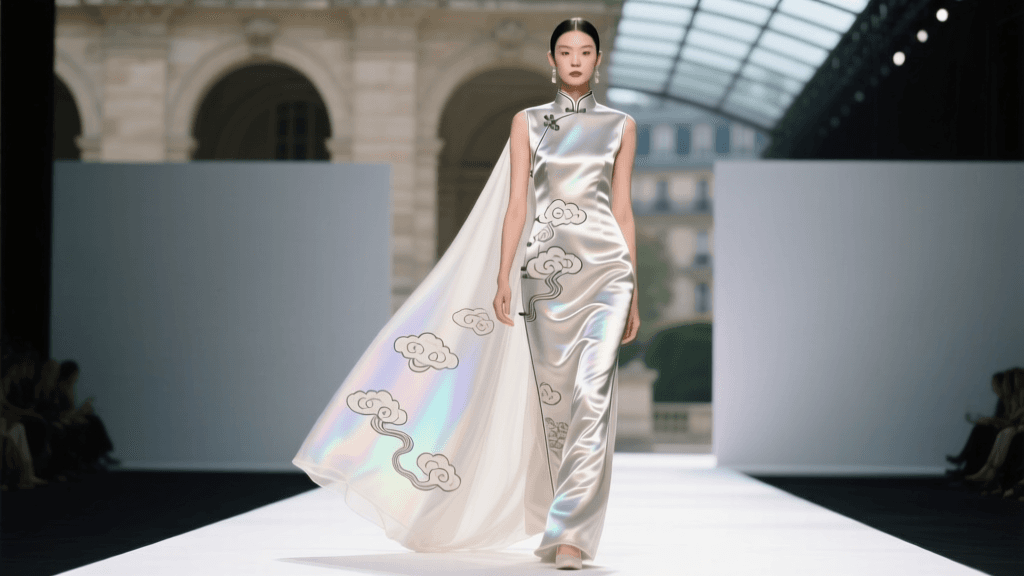
The Spring/Summer 2026 season at Paris Fashion Week marked a definitive turning point for Asian traditional garments on the global stage. Moving far beyond the superficial motifs of previous decades, the contemporary Xin Zhongshi (New Chinese Style) movement has matured into a sophisticated dialogue between ancient textile engineering and modern sartorial architecture. For the 2026 collections, international design houses and pioneering Chinese ateliers alike have prioritized structural authenticity and heritage weaving techniques, bringing garments like the Mamianqun and fabrics like Xiangyunsha to the forefront of the global luxury market.
According to industry analytics presented during the 2026 global fashion summit, the integration of authentic Asian heritage textiles in European ready-to-wear collections has increased by 42 percent compared to the previous year. This surge is not merely aesthetic; it represents a profound shift in how global consumers interact with cultural garments. Buyers and collectors are now demanding rigorous adherence to traditional loom tensions, natural dyeing processes, and historical drape analysis, forcing designers to innovate within the strict parameters of ancient craftsmanship.
Xiangyunsha: Gambiered Gauze on the Runway
Among the most celebrated materials of the 2026 Paris exhibitions is Xiangyunsha, also known as gambiered Guangdong gauze. Recognized for its complex, labor-intensive production involving river mud and the juice of the薯莨 (Dioscorea cirrhosa) plant, this textile has historically been reserved for loose, flowing summer garments. However, the 2026 runway presentations showcased a radical evolution in its application.
Designers have successfully manipulated the bias cut of Xiangyunsha to create structured, tailored outerwear that defies the fabric's traditional drape limitations. By utilizing a double-layering technique and reinforcing the inner seams with organic silk organza, contemporary ateliers are producing Xiangyunsha trench coats and blazers that maintain the fabric's signature rustling acoustic property—often described as the 'sound of wind in the bamboo'—while offering the architectural shoulder lines demanded by modern European silhouettes.
Fabric drape analysis conducted by textile researchers during the 2026 exhibition season revealed that treating the mud-dyed silk with a proprietary, eco-friendly botanical wax allows the fabric to withstand the higher humidity and variable temperatures of Western European climates without losing its tensile strength. Ready-to-wear Xiangyunsha outerwear from leading Shanghai and Paris-based collaborative ateliers are currently retailing between €2,800 and €4,500, reflecting the immense cost of the 30-day sun-drying and mud-coating process required for authentic 2026 production batches.
Mamianqun Adaptations: A Structural Comparison
The Mamianqun, or horse-face skirt, has transitioned from a viral streetwear staple into a highly engineered haute couture foundation piece. Originating in the Ming Dynasty, the traditional skirt is defined by its flat front and back panels (the 'horse faces') flanked by intricate, overlapping side pleats. For the 2026 international design weeks, the challenge was adapting this historically heavy and voluminous garment for dynamic, fast-paced urban environments without losing its cultural integrity.
To understand the precise engineering shifts, we can compare the historical specifications with the innovations seen on the 2026 Paris runways. As documented by textile historians at institutions like the Victoria and Albert Museum's Asian collections, preserving the geometry of the pleat while reducing the overall weight has been the primary focus for modern pattern makers.
| Feature | Traditional Ming Dynasty Specification | 2026 Paris Runway Adaptation |
|---|---|---|
| Waistband | Thick white cotton or linen, 10-15cm wide, tied with sashes. | Concealed elasticated grosgrain, 3-4cm wide, with hidden hook-and-bar closures. |
| Pleat Structure | Wide, unpressed knife pleats that flare naturally with movement. | Micro-pleats heat-set with organic resins to maintain a sharp, columnar silhouette when stationary. |
| Fabric Weight | Heavy silk brocades or layered satins, often exceeding 800g per skirt. | Lightweight Cupro-silk blends and perforated Song brocade, averaging 350g. |
| Hemline & Trim | Elaborate woven borders (lan) featuring auspicious motifs. | Laser-cut silk edges with bonded metallic threading, eliminating fraying without added weight. |
| Closure System | Overlapping wrap panels secured entirely by fabric ties. | Magnetic snap closures hidden beneath the overlapping front panel for secure, gap-free wear. |
These structural adaptations have made the Mamianqun a viable option for international corporate and evening wear in 2026. The reduction in waistband width and the introduction of magnetic closures address the primary complaints of modern consumers regarding the garment's historical fit, while the heat-set micro-pleats ensure the skirt survives the rigors of international travel and daily commuting.
Song Brocade and Sustainable Exhibition Curation
Beyond the runways, the 2026 Paris Fashion Week was accompanied by a series of immersive textile exhibitions focusing on Song Brocade (Songjin). Known as one of the three most famous brocades in China, its production requires a highly complex jacquard-style drawloom technique that interweaves warp and weft threads to create a reversible, intricately patterned fabric. The Fédération de la Haute Couture et de la Mode highlighted several emerging designers who are utilizing Song Brocade to champion sustainable luxury.
In 2026, the most lauded exhibition pieces featured Song Brocade woven with recycled metallic threads and ethically sourced lotus silk. The tension of the traditional loom is meticulously calibrated to accommodate these modern, sustainable yarns without snapping them—a technical hurdle that took master weavers in Suzhou several years to perfect. The resulting fabric possesses the same luminous, three-dimensional quality as ancient artifacts, but with a significantly reduced environmental footprint. Curators of these exhibitions emphasize that the preservation of techniques like sericulture and silk craftsmanship, as recognized by the UNESCO Intangible Cultural Heritage registry, relies entirely on this kind of high-fashion commercial integration.
Actionable Guide: Sourcing, Storing, and Maintaining Runway Pieces
For collectors, archivists, and enthusiasts looking to acquire and maintain these 2026 heritage runway pieces, specific care protocols must be followed. The intersection of ancient natural dyes and modern structural engineering requires a nuanced approach to garment storage and maintenance.
Sourcing Authentic 2026 Pieces
- Verify the Dye Origin: When purchasing Xiangyunsha, request the atelier's certification of the river mud source. Authentic 2026 pieces will specify the use of unpolluted, iron-rich mud from specific tributaries in the Pearl River Delta, which is essential for the fabric's signature dark, lacquer-like finish.
- Inspect the Loom Tension: For Song Brocade garments, examine the reverse side of the fabric. True heritage weaving will show a clean, reversible pattern with no loose floating threads, indicating proper drawloom tension rather than digital printing or modern shortcut weaving.
- Check Pleat Memory: When evaluating a modern Mamianqun, gently stretch the side pleats. High-quality 2026 adaptations will use memory-setting techniques that allow the pleats to snap back into their original columnar shape immediately upon release.
Storage and Maintenance Protocols
- Ventilation for Xiangyunsha: Unlike synthetic silks or heavily processed modern fabrics, Xiangyunsha is a 'living' textile that requires airflow. Never store it in plastic garment bags. Use unbleached, breathable cotton dust covers and store the garment in a climate-controlled closet with a humidity level maintained strictly between 45% and 55% to prevent the mud-dye coating from becoming brittle.
- Hanging vs. Folding Mamianqun: The 2026 adaptations with lighter weights and heat-set pleats can be hung, but only on wide, padded velvet hangers to distribute the weight of the waistband. However, if the garment features heavy, traditional metallic embroidery on the 'horse face' panels, it must be folded with acid-free tissue paper inserted between every pleat to prevent the metallic threads from cutting into the silk fibers over time.
- Cleaning Restrictions: Never dry clean Xiangyunsha or authentic Song Brocade. The harsh chemical solvents used in standard dry cleaning will strip the natural botanical waxes and river mud coatings, permanently altering the fabric's drape and acoustic properties. Spot clean only with distilled water and a soft, natural-bristle brush, and rely on professional ozone treatments for odor removal.
As the 2026 fashion cycle progresses, the integration of these Asian traditions into the global wardrobe is no longer a fleeting trend but a permanent structural shift in the luxury market. By respecting the ancient engineering of these garments while adapting them for the realities of modern life, designers are ensuring that the legacy of Chinese textile arts continues to evolve on the world stage.