Kabuki Noh And Bunraku Theater Kimono Costumes In 2026
The Living Textiles of Japanese Traditional Theater
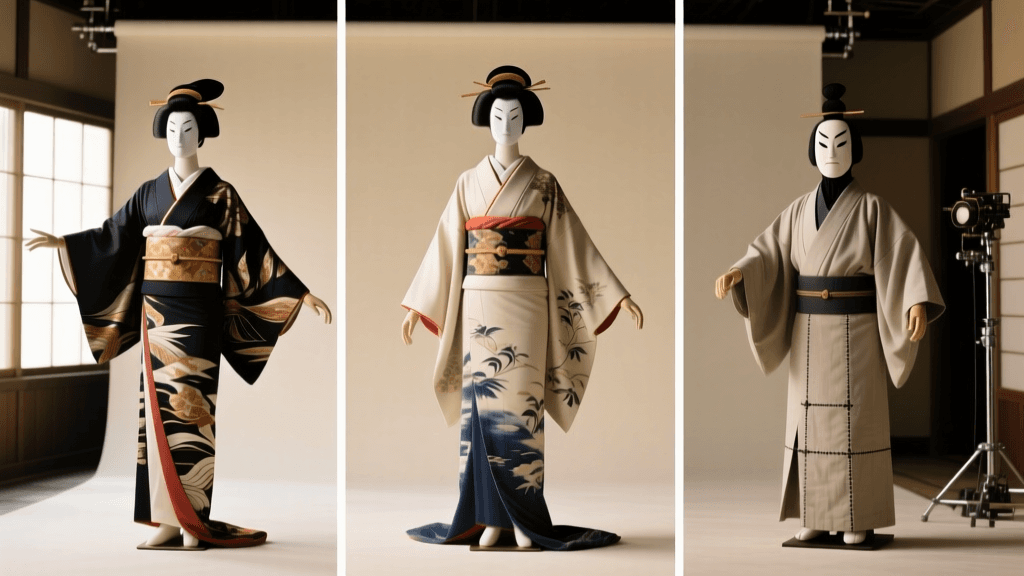
Japanese traditional theater is a profound feast for the eyes, and at the very heart of this visual splendor lies the kimono. In 2026, as global interest in heritage textiles and sustainable fashion surges, the intricate stage garments of Noh, Kabuki, and Bunraku offer masterclasses in weaving, dyeing, and structural engineering. Unlike everyday kimono, which prioritize comfort and seasonal subtlety, theatrical costumes are designed for extreme visibility, rapid transformation, and deep symbolic storytelling. For textile enthusiasts, collectors, and cultural travelers visiting Japan this year, understanding the distinct sartorial languages of these three art forms is essential. This guide explores the unique kimono traditions of Japan's premier theatrical stages, offering actionable insights for appreciation and collection in 2026.
Noh Theater: Subtlety, Symbolism, and the Karaori
Noh, the oldest of the three forms, relies on the aesthetic principle of yugen—a profound, mysterious sense of beauty. The costumes, known collectively as shozoku, are not meant to be historically accurate replicas of any specific era, but rather timeless, stylized representations of character archetypes. The most iconic Noh garment is the Karaori (Chinese-style weave), a stiff, heavily brocaded jacket worn by female characters (who are traditionally played by male actors). The stiffness of the Karaori is intentional; it restricts the actor's movement, forcing the slow, deliberate, and gliding suriashi footwork that defines Noh.
Another vital textile technique in Noh is Surihaku, where gold or silver foil is pressed onto the fabric using a rice paste resist method, creating stunning, reflective geometric or natural motifs. According to The Noh Costume Project, these garments are often passed down through generations of acting families, with some Karaori in active use today dating back to the Edo period. In 2026, the preservation of these ancient weaving techniques is heavily supported by the Nishijin-ori weavers in Kyoto, who continue to produce reproduction Karaori using traditional draw-looms, a process that can take over a year for a single garment.
Kabuki: Spectacle, Hikinuki, and Bold Aesthetics
If Noh is a whisper, Kabuki is a shout. Emerging in the Edo period as entertainment for the merchant classes, Kabuki is defined by its bombastic energy, dramatic mie (poses), and spectacular costumes. Kabuki kimono are characterized by their massive scale, bold patterns, and vibrant colors, designed to be visible from the back rows of large theaters like Tokyo's Kabukiza. The textiles often feature oshiki (large, repeating patterns) and heavily padded hems to give the actors a larger-than-life, imposing silhouette.
The most thrilling costume mechanism in Kabuki is the hikinuki (pulling out). This is an on-stage quick-change technique where stage assistants (kurogo) pull specific basting threads on the actor's outer kimono. In a single, fluid motion, the outer garment falls away or flips inside out to reveal a completely different kimono underneath, instantly signaling a transformation in the character's identity, emotion, or supernatural state. For example, a character revealing a hidden demonic nature might instantly shed a subdued blue kimono to reveal one patterned with fierce red flames and lightning bolts. The official Kabukiza Theatre frequently offers English audio guides in 2026 that specifically highlight when a hikinuki is about to occur, allowing international audiences to fully appreciate the textile engineering involved.
Bunraku: Miniature Mastery and Puppet Layering
Bunraku, or Ningyo Johruri, is traditional Japanese puppet theater. The puppets are roughly one-half to two-thirds human size and are operated by three visible puppeteers. The kimono in Bunraku are marvels of miniature tailoring and structural ingenuity. Because the main puppeteer (omozukai) operates the head and right arm, while the hidarizukai operates the left arm and the ashizukai operates the legs, the kimono must be meticulously tailored to allow these separate operators to manipulate the fabric in unison, creating the illusion of a single, living entity.
The layering in Bunraku is exceptionally complex. A single female puppet might wear a juban (under-kimono), a kosode (main kimono), an uchikake (outer robe), and a heavily tied obi. The textiles are scaled-down versions of authentic Nishijin silks and Yuzen-dyed cottons. As recognized by UNESCO's Intangible Cultural Heritage registry, the art of dressing and manipulating these puppets takes decades to master. In 2026, the National Bunraku Theatre in Osaka offers behind-the-scenes workshops where visitors can see the internal wooden frames and the specialized kimono fastenings that allow the garments to drape naturally despite the puppet's rigid core.
Comparative Analysis: Noh vs. Kabuki vs. Bunraku Kimono
To understand the distinct roles these garments play, it is helpful to compare their core textile characteristics and stage functions side-by-side.
| Feature | Noh Theater | Kabuki Theater | Bunraku Puppet Theater |
|---|---|---|---|
| Primary Aesthetic | Subtle, symbolic, timeless | Bold, dramatic, highly stylized | Realistic draping, scaled-down luxury |
| Signature Garment | Karaori (brocaded jacket) | Happi coats, padded uchikake | Layered kosode and obi sets |
| Key Technique | Surihaku (gold/silver foil imprint) | Hikinuki (on-stage thread-pull change) | Internal frame rigging and split seams |
| Weight & Structure | Extremely stiff, heavy, restricts movement | Heavy padding, wide sleeves for posing | Lightweight silks tailored over wood/wire |
| Color Palette | Muted golds, deep greens, symbolic reds | High-contrast reds, blacks, vivid blues | Historically accurate Edo-period dyes |
Collecting and Preserving Theatrical Kimono in 2026
For serious textile collectors, acquiring authentic stage-used or vintage theatrical kimono is a thrilling pursuit. In 2026, the market for these pieces is robust, driven by a growing appreciation for Japanese performance art history. However, buyers must be discerning.
- Sourcing: The best physical locations to find vintage theatrical pieces are the antique markets at Toji Temple in Kyoto (held on the 21st of each month) and the Oedo Antique Market in Tokyo. Online, Yahoo Auctions Japan (accessed via proxy services like Buyee or ZenMarket) remains the primary hub for retired Kabuki and Noh garments.
- Pricing: Authentic, mid-20th-century Kabuki stage kimono typically range from $800 to $3,500 USD, depending on the complexity of the embroidery and the fame of the actor who wore them. Noh Karaori reproductions from Nishijin can exceed $5,000 USD due to the intensive labor required for the float-weave brocade.
- Authentication: Look for the chikara-nuno (reinforcement cloth) at the neck and the specific basting stitch patterns used for hikinuki in Kabuki garments. Noh garments will often feature the crest (mon) of the specific acting school or family on the back of the neck.
- Preservation: Theatrical kimono, especially those with Surihaku foil or heavy metallic threads, should never be folded tightly or dry-cleaned with harsh chemicals. In 2026, conservation experts recommend storing them flat in acid-free, unbuffered tissue paper within cedar boxes (tansu) to protect the metallic threads from tarnishing and the silk from dry rot.
Experiencing Theater Kimono Live
There is no substitute for seeing these textiles in motion. If you are planning a cultural trip to Japan in 2026, prioritize attending a live performance. In Tokyo, the Kabukiza Theatre in Ginza offers hitomaku-mi (single-act) tickets, which are perfect for travelers wanting to experience the visual spectacle of a single, costume-heavy play without committing to a full four-hour program. In Kyoto, the Minamiza Theatre hosts the famous Kaomise (face-showing) performances in December, where the most elaborate and expensive new kimono of the season are debuted by top-tier actors. For Bunraku, the National Bunraku Theatre in Osaka provides an unparalleled look at the synchronized movement of the puppet's layered silks, a testament to the enduring legacy of Japan's theatrical tailors.