Ancient Chinese Drawloom Weaving Techniques for 2026 Xin Zhongshi
The Resurgence of the Shu Brocade Drawloom in 2026
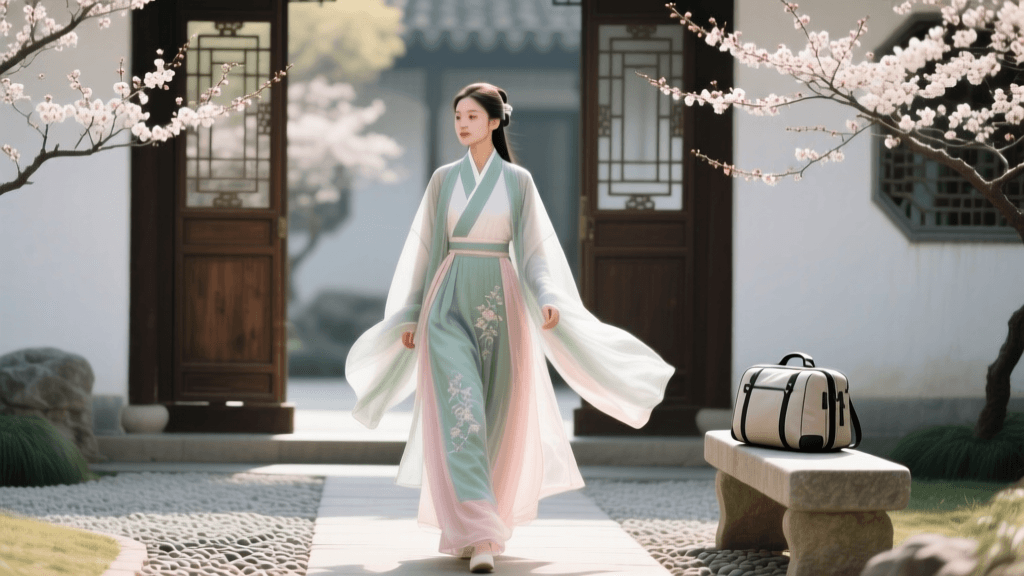
As the Xin Zhongshi (New Chinese Style) movement matures in 2026, contemporary fashion designers and heritage enthusiasts are moving beyond superficial motifs and mass-produced imitations. Today’s discerning market demands structural authenticity, driving a massive resurgence in the use of traditional Chinese drawlooms, particularly those used for weaving Shu brocade (蜀锦). Originating from Sichuan province, Shu brocade is one of the oldest and most prestigious silk weaving traditions in the world. In 2026, luxury Xin Zhongshi brands are increasingly sourcing authentic, hand-woven drawloom textiles to create garments that possess unparalleled drape, historical resonance, and structural integrity.
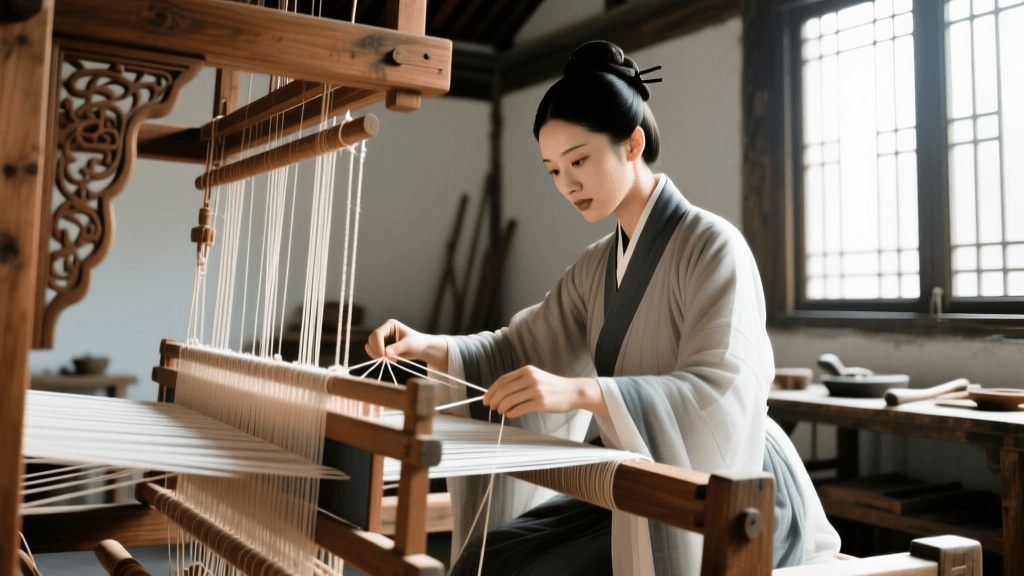
Unlike modern electronic Jacquard looms that rely on digital punch cards or computerized hooks, the traditional wooden drawloom (提花机) is a marvel of ancient mechanical engineering. It requires a profound understanding of textile physics, binary-coded pattern cords, and synchronized human effort. According to the UNESCO Intangible Cultural Heritage registry, the sericulture and silk craftsmanship of China represent a vital link to ancient technological innovation, a fact that modern designers are leveraging to elevate 2026 fashion collections.
Anatomy of the Traditional Wooden Drawloom
To understand the value of these textiles in today's market, one must first understand the imposing machinery used to create them. A traditional Shu brocade wooden drawloom is a massive structure, typically measuring over 5 meters in length and 1.5 meters in width. It is constructed entirely from hardwoods like elm or oak, joined without metal nails to allow for the natural expansion and contraction of the wood in varying humidity levels.
The Pattern Tower and Huaben (Binary Cords)
The most distinctive feature of the drawloom is the elevated pattern tower, where the huaben (花本) are housed. The huaben is essentially an ancient form of binary programming. Long cords are tied with specific knots that correspond to the warp threads below. When the pattern puller lifts these cords, they isolate the exact warp threads needed to create a complex, multi-colored motif. The Victoria and Albert Museum notes in their extensive archive on Chinese silk that this mechanical memory system predates the French Jacquard loom by several centuries, highlighting China's pioneering role in automated textile manufacturing.
Heddles and the Reed
Below the tower, the warp threads pass through the heddles (综) and the reed (筘). The heddles control the shedding (the separation of warp threads to allow the weft to pass through), while the reed beats the weft thread tightly into place. In 2026, master loom builders in Chengdu still carve these reeds from specific densities of bamboo to ensure the precise tension required for heavy brocade threads.
Step-by-Step: Weaving Complex Brocade Patterns
Creating authentic Shu brocade for a 2026 Xin Zhongshi collection is a painstaking, multi-month process. It cannot be rushed, which is why lead times for bespoke drawloom fabrics often exceed 90 days.
1. Silk Degumming and Natural Dyeing
Raw silk contains sericin, a natural gum that makes the threads stiff. The first step is degumming the silk in boiling alkaline water to reveal the fiber's natural luster and softness. In 2026, eco-conscious designers are heavily favoring traditional botanical dyes over synthetic alternatives. Artisans use Sichuan indigo for deep blues, madder root for rich reds, and pagoda tree buds for vibrant yellows. These natural dyes bond with the silk protein, creating colors that age beautifully and develop a unique patina over time.
2. Warping the Loom (穿综)
Warping involves aligning thousands of continuous silk threads across the length of the loom. A single Shu brocade garment panel might require over 4,000 individual warp threads. Each thread must be passed through the correct heddle eye and the reed dent in a specific sequence. A single error in this stage will result in a flawed pattern that cannot be corrected without dismantling the entire warp.
3. The Two-Weaver Operation (挽花与织造)
The actual weaving process requires two highly skilled artisans working in perfect synchronization. The weaver (织工) sits at the front of the loom, operating the treadles to open the base shed and throwing the shuttle carrying the weft thread. Meanwhile, the pattern puller (挽花工) sits atop the pattern tower. Following a rhythmic chant or visual cue, the puller lifts the specific huaben cords to open the pattern shed. The weaver then passes the colored pattern weft through this secondary shed. This dual-operation limits production speed to mere centimeters per day, ensuring an incredibly dense and durable textile.
Comparison: Traditional Drawloom vs. Modern Jacquard Looms
For designers sourcing materials in 2026, understanding the practical differences between traditional drawloom fabrics and modern electronic Jacquard alternatives is crucial for pricing and positioning.
| Feature | Traditional Wooden Drawloom | 2026 Electronic Jacquard Loom |
|---|---|---|
| Production Speed | 5 - 15 cm per day | 50 - 100 meters per day |
| Pattern Complexity | Unlimited colors, highly textured, raised relief motifs | High complexity, but generally flatter surface profile |
| Textile Drape & Hand-feel | Heavy, structural, molds to the body over time | Lighter, more uniform, standard commercial drape |
| 2026 Wholesale Cost | $180 - $450 per meter | $15 - $40 per meter |
| Heritage Value | Certified Intangible Cultural Heritage, highly marketable | Standard commercial textile, no heritage premium |
While electronic Jacquard looms dominate the fast-fashion Xin Zhongshi sector, luxury houses and bespoke tailors in 2026 exclusively utilize traditional drawloom textiles for their flagship pieces, leveraging the heritage value to justify premium retail pricing.
Sourcing Authentic Drawloom Textiles for 2026 Collections
Sourcing genuine hand-woven Shu brocade requires navigating a specialized network of heritage cooperatives and state-backed institutes. The Chengdu Shu Brocade Institute remains the premier authority, but several independent master-weaver studios in the Sichuan basin have emerged to cater specifically to international and high-end domestic fashion labels.
When negotiating contracts in 2026, designers must account for the physical limitations of the wooden loom. The maximum weaving width is typically restricted to 60-70 centimeters. Therefore, garment patterns must be designed with zero-waste, narrow-panel cutting techniques, echoing ancient Chinese tailoring methods like those used in traditional Hanfu and Mamianqun (horse-face skirts). This limitation has inadvertently sparked a trend in 2026 toward modular, panel-based garment construction that celebrates the selvedge edges of the drawloom fabric.
Preserving Intangible Cultural Heritage Through Fashion
The integration of ancient drawloom techniques into modern wardrobes is not merely an aesthetic choice; it is a vital economic engine for heritage preservation. The Metropolitan Museum of Art has long documented the historical significance of the Silk Road and Chinese textile exchanges, emphasizing that these crafts only survive when they remain economically viable. By paying premium prices for authentic drawloom brocades, 2026 Xin Zhongshi brands are directly funding the apprenticeships of young pattern pullers and loom builders.
Furthermore, the tactile nature of drawloom weaving connects the modern wearer to a lineage of artisans stretching back over two millennia. The slight irregularities in the weave, the rich depth of botanical dyes, and the structural weight of the silk serve as a physical reminder of human ingenuity. As the fashion industry continues to grapple with issues of sustainability and mass production, the slow, deliberate, and profoundly mechanical process of the Chinese wooden drawloom offers a masterclass in creating garments that are truly built to last generations.
Final Thoughts for Designers and Collectors
Whether you are a designer looking to incorporate authentic Shu brocade into your upcoming 2026 runway collection, or a collector seeking investment-grade Xin Zhongshi garments, understanding the mechanics of the drawloom is essential. Look for the distinctive raised relief of the weft threads, verify the botanical dye certifications, and appreciate the binary-coded huaben that made it all possible. In embracing these ancient techniques, we ensure that the rhythmic clack of the wooden shuttle continues to echo into the future of global fashion.