Xiangyunsha Gambiered Silk: 2026 Cheongsam Fabric Buying Guide
The Pinnacle of Asian Textiles: What is Xiangyunsha?
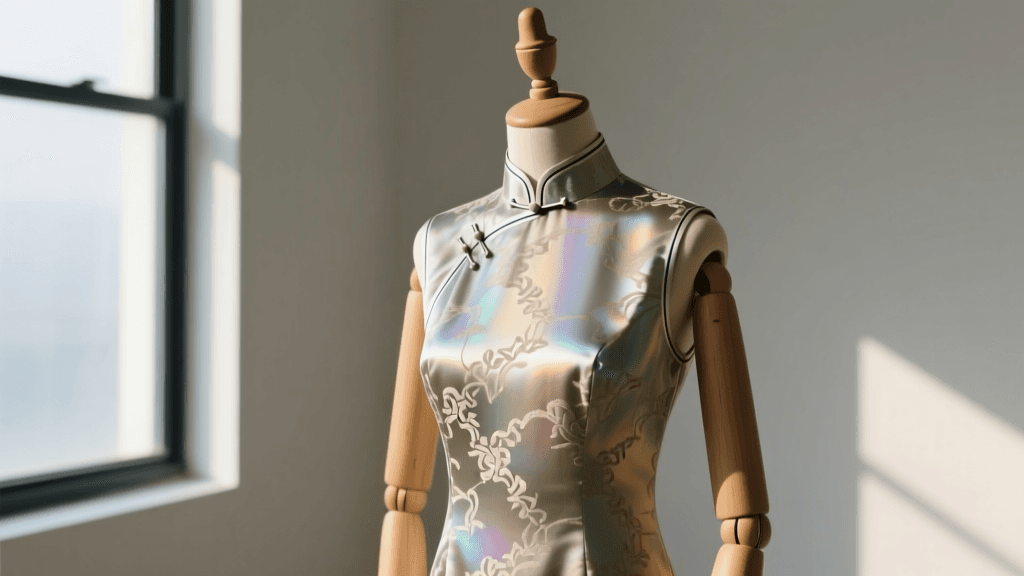
When discussing the most luxurious and historically significant fabrics in Asian traditional garments, few textiles command the reverence of Xiangyunsha (香云纱). Often translated as 'Fragrant Cloud Silk' or 'Gambiered Canton Gauze,' this extraordinary textile is the undisputed holy grail for bespoke cheongsam (qipao) tailoring. As we navigate the 2026 market for heritage Asian garments, understanding the nuances of Xiangyunsha is no longer just for collectors; it is essential for anyone commissioning a high-end, structured cheongsam that honors traditional craftsmanship while offering modern wearability.
Unlike standard mulberry silks that rely solely on the quality of the silkworm's thread, Xiangyunsha is defined by a complex, post-weaving dyeing process that marries botanical extracts with mineral-rich earth. The result is a fabric that is naturally cooling, water-resistant, antibacterial, and possesses a distinctive, leathery luster that deepens and softens with age. For the 2026 season, top-tier ateliers in Shanghai, Hong Kong, and Singapore are exclusively sourcing authenticated Shunde Xiangyunsha to meet the surging demand for heritage-inspired, sustainable luxury fashion.
The 30-Step Alchemy: Yam Juice and Pearl River Mud
To appreciate the 2026 pricing and scarcity of genuine Xiangyunsha, one must understand its grueling production cycle, which is strictly bound to the geography and climate of the Shunde district in Guangdong, China. The process takes a minimum of 15 days and involves over 30 distinct manual steps. According to frameworks recognized by UNESCO Intangible Cultural Heritage initiatives, preserving these localized, hyper-specific artisanal methods is vital to global textile history.
The alchemy begins with raw, undyed silk gauze. Artisans repeatedly soak the fabric in the astringent, tannin-rich juice of the Dioscorea cirrhosa (Shuliang) yam. After dozens of immersions and sun-drying cycles, the silk takes on a deep amber hue. The true magic, however, occurs during the 'mud-coating' phase. Craftsmen harvest iron-rich, mineral-dense mud from the specific riverbeds of the Pearl River Delta at dawn. This mud is smeared across the yam-dyed silk. A rapid chemical reaction between the yam's tannic acid and the mud's iron ions creates a dark, lustrous, black-brown coating on one side of the fabric, while the reverse remains a rich amber. The fabric is then washed in the river and dried one final time, resulting in a textile that is structurally reinforced and uniquely textured.
2026 Market Realities: Pricing, Scarcity, and GI Protections
As of early 2026, the Shunde district has aggressively enforced Geographical Indication (GI) protections to combat the flood of chemical imitations that plagued the market in the early 2020s. Genuine, mud-dyed Xiangyunsha is now heavily regulated, and authentic bolts are tracked via blockchain-verified QR codes from the loom to the retail floor. Consequently, the price for authentic Xiangyunsha has stabilized at a premium tier, reflecting the intense labor and shrinking availability of untreated river mud.
When sourcing fabric for a custom cheongsam in 2026, buyers must be prepared for significant investments. Below is a comparative breakdown of current market offerings to help you budget accurately for your bespoke project.
2026 Xiangyunsha Fabric Comparison Chart
| Fabric Type | Average 2026 Price (USD/m) | Momme Weight | Origin & Process | Durability & Drape |
|---|---|---|---|---|
| Authentic Shunde Xiangyunsha | $180 - $350+ | 19mm - 28mm | Guangdong, China (Mud & Yam) | Exceptional; crisp, sculptural drape |
| 'Washed' Chemical Imitation | $40 - $80 | 12mm - 16mm | Various (Chemical Dyes) | Poor; prone to tearing, lacks structure |
| Standard Mulberry Silk (Crepe) | $60 - $120 | 16mm - 22mm | Global (Standard Dyeing) | Moderate; fluid drape, requires lining |
Authenticating the Weave: How to Spot Counterfeits
With the premium pricing of 2026, distinguishing genuine Gambiered Canton Gauze from chemically treated 'washed silk' is a critical skill for the modern garment buyer. As detailed in the Metropolitan Museum of Art's Heilbrunn Timeline of Art History, the historical manipulation of silk fibers through natural dyes leaves distinct physical markers that modern synthetic shortcuts cannot replicate.
- The Two-Tone Reversal: Authentic Xiangyunsha is distinctly dual-toned. The face (mud-coated side) is a deep, glossy black or dark brown, while the reverse (yam-dyed side) is a matte, warm amber or ochre. Chemical imitations are often dyed uniformly black or brown throughout.
- The 'Crackle' Effect: Examine the dark side of the fabric under bright light. Genuine mud-dyed silk features a microscopic network of fine, natural cracks in the coating, resembling the patina of aged leather or antique porcelain. This is caused by the tension of the drying mud. Chemical coatings appear perfectly smooth and plastic-like.
- The Olfactory Test: Rub the fabric briskly between your fingers and smell it. Authentic Xiangyunsha carries a faint, earthy scent reminiscent of damp soil, sweet potatoes, and herbal medicine. Counterfeits will smell of synthetic vinegar, formaldehyde, or harsh alkaline detergents.
- The Acoustic 'Scroop': High-quality heritage silks possess a 'scroop'—a distinct, crisp rustling sound when compressed. Xiangyunsha's sound is deeper and more resonant than standard silk due to the mineral coating.
Tailoring the 2026 Cheongsam: Drape, Grain, and Structure
Commissioning a cheongsam from Xiangyunsha requires a tailor who deeply understands the fabric's unique structural properties. Unlike fluid silk crepes or satins that cling to the body, Xiangyunsha has a natural stiffness and architectural memory. It is highly favored for the structured, high-collared, and A-line or mermaid silhouettes that dominate 2026 formal qipao trends.
Because the mud coating adds a layer of rigidity, tailors must adjust their seam allowances and pressing techniques. Standard ironing can melt or crack the natural resinous coating; therefore, seams must be pressed with a low-heat steam iron over a thick cotton pressing cloth. Furthermore, the fabric's crispness makes it the absolute best textile for crafting traditional pankou (knotted frog buttons), as the edges hold their shape without requiring excessive synthetic interfacing.
Momme Weight Guide for Qipao Silhouettes
Selecting the correct momme (mm) weight is crucial for your desired cheongsam silhouette in 2026:
- 16mm - 19mm (Lightweight): Best for flowing, romantic, or semi-sheer summer cheongsams. Often features open-weave jacquard patterns. Requires a silk habotai lining to prevent the stiff texture from scratching the skin.
- 20mm - 24mm (Midweight): The gold standard for everyday luxury and office-appropriate qipaos. Offers the perfect balance of breathability and structural integrity, holding the iconic mandarin collar upright without heavy interfacing.
- 25mm - 30mm+ (Heavyweight): Reserved for winter wear, bridal cheongsams, or highly sculptural, avant-garde evening gowns. This weight behaves almost like a soft leather or heavy brocade, demanding master-level tailoring to manage the bulk at the seams.
Preservation and Care: Maintaining the Mud-Dyed Luster
The longevity of a Xiangyunsha cheongsam relies entirely on proper maintenance. The iron-tannin bond is incredibly durable against UV fading and water spots, but it is highly vulnerable to alkaline substances. General textile conservation principles outlined by Encyclopedia Britannica's comprehensive guide on silk dictate that protein-based fibers require pH-neutral environments, but Xiangyunsha demands an extra layer of vigilance due to its mineral coating.
Washing Protocols: Never dry-clean authentic Xiangyunsha using standard perc (perchloroethylene) solvents, as the harsh chemicals will strip the mud coating and leave the fabric brittle. If cleaning is necessary, hand-wash in cool water using a specialized, pH-neutral silk detergent or a mild baby shampoo. Do not soak for more than three minutes. Never wring or twist the fabric; instead, roll it in a clean, dry microfiber towel to absorb excess moisture, then lay it flat in the shade to dry.
Storage Solutions: Store your cheongsam in a breathable, unbleached cotton garment bag. Never use plastic dry-cleaning bags, as trapped moisture and off-gassing plastics will cause the amber reverse side to develop mildew or yellowing. To maintain the fabric's natural suppleness, wear your Xiangyunsha cheongsam regularly; the natural oils from your skin and the gentle friction of movement will gradually soften the 'crackle' coating, transforming the garment into a bespoke, second-skin heirloom that tells the story of its wearer.