Kimono vs Hanbok vs Cheongsam: 2026 Event Styling Guide
Navigating Asian Heritage Fashion in 2026
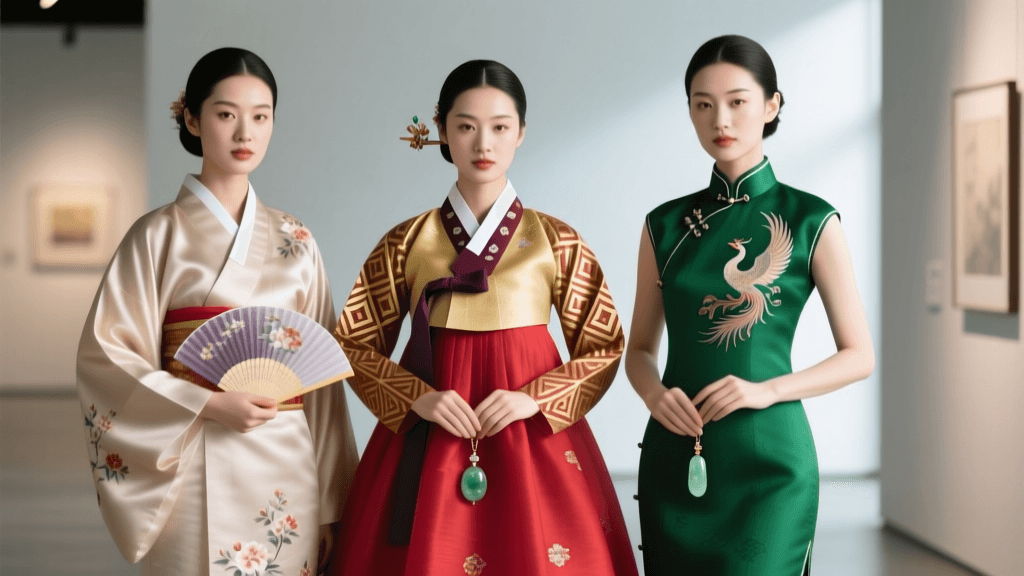
As global fashion continues to embrace cultural heritage in 2026, the kimono, hanbok, and cheongsam have transcended their historical boundaries to become staple choices for modern galas, weddings, and high-profile cultural festivals. No longer confined strictly to traditional ceremonies, these three iconic Asian garments are being reimagined through sustainable textiles, contemporary tailoring techniques, and modern styling. For the discerning wardrobe curator or event attendee, choosing between Japan’s kimono, Korea’s hanbok, and China’s cheongsam requires an understanding of their unique silhouettes, construction methods, and the practicalities of wearing them today. This comprehensive guide breaks down the structural differences, 2026 market trends, and styling nuances of each garment to help you make an informed, culturally respectful, and fashion-forward choice.
The Kimono: Japan’s T-Shaped Masterpiece
The Japanese kimono, literally translating to 'thing to wear,' is renowned for its T-shaped, straight-lined silhouette that wraps left over right and is secured by a wide sash known as an obi. According to Britannica's comprehensive guide to the Kimono, the garment's evolution reflects centuries of Japanese aesthetic philosophy, prioritizing surface design, textile artistry, and seasonal motifs over the physical contours of the human body.
In 2026, the kimono market is heavily driven by the 'neo-vintage' movement. With the declining domestic demand for brand-new, hand-woven silk kimono, a massive influx of high-quality vintage pieces from the Showa era has entered the global market. Modern stylists are pairing these vintage silk garments with contemporary, 3D-printed obi accessories and sustainable, washable silk under-layers (juban) developed by Kyoto-based textile innovators. For formal events like weddings, the furisode (long-sleeved kimono for unmarried women) or the tomesode (for married women) remain the gold standard. However, the 2026 pricing for a brand-new, bespoke silk furisode can range from $4,000 to over $10,000 USD, factoring in the intricate yuzen dyeing and gold leaf application. Conversely, a professionally curated, upcycled vintage kimono ensemble can be sourced for $400 to $900, making it an accessible yet luxurious option for international gala attendees. The primary challenge of the kimono is mobility and the requirement for professional dressing (kitsuke), which can take up to an hour and restricts the wearer's stride, necessitating a graceful, measured pace.
The Hanbok: Korea’s Voluminous Elegance
The Korean hanbok is characterized by its vibrant colors, graceful lines, and dramatic volumetric contrast between the fitted upper garment and the expansive lower half. The traditional women's hanbok consists of the jeogori (a short jacket) and the chima (a full, wrap-around skirt), while the men's version pairs the jeogori with baji (roomy trousers). As detailed in Britannica's historical overview of the Hanbok, the silhouette is designed to create a bell-like shape that allows for immense freedom of movement, a reflection of Korea's historical nomadic and agrarian roots.
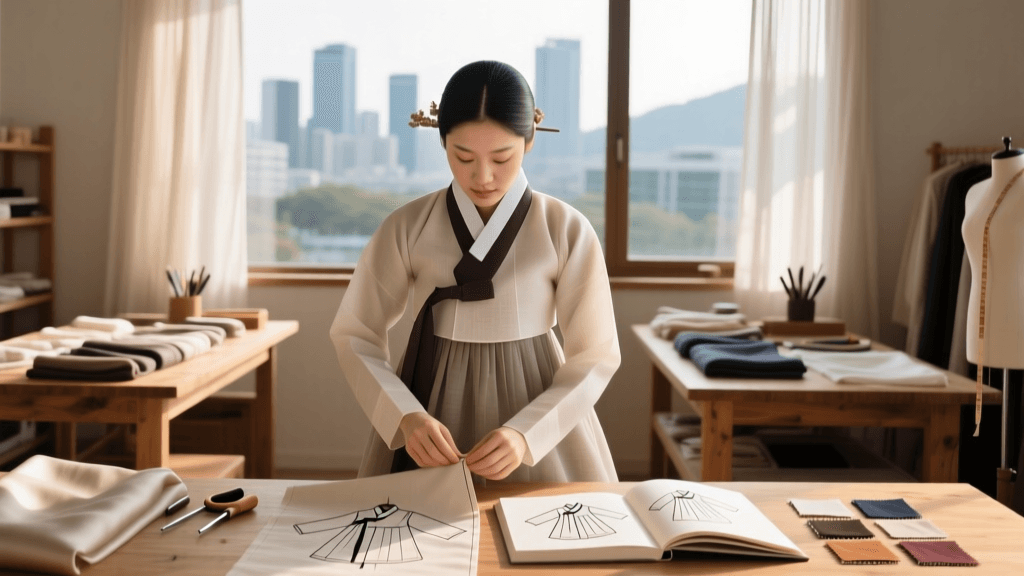
In 2026, the 'saenghwal hanbok' (daily life hanbok) and modern ceremonial hanbok dominate the event-wear scene. Contemporary Korean designers are utilizing lightweight, recycled PET organza and cruelty-free peace silk to construct the chima, giving the skirt a buoyant, ethereal quality without the heavy weight of traditional brocades. The 2026 trend also favors asymmetrical jeogori hems and muted, pastel 'macaron' color palettes over the stark, high-contrast primary colors of the past. For a formal wedding or red-carpet event, a custom-tailored modern hanbok from a boutique in Seoul's Bukchon Hanok Village typically costs between $800 and $2,500. The hanbok is arguably the most comfortable of the three garments for long-duration events; the high waistline of the chima sits above the natural waist, avoiding abdominal constriction, and the voluminous skirt easily conceals flat, comfortable footwear. Styling the hanbok in 2026 often involves minimalist hair updos adorned with a modernized binyeo (hairpin) and delicate, contemporary drop earrings, bridging the gap between Joseon dynasty elegance and modern minimalist chic.
The Cheongsam: China’s Sculpted Silhouette
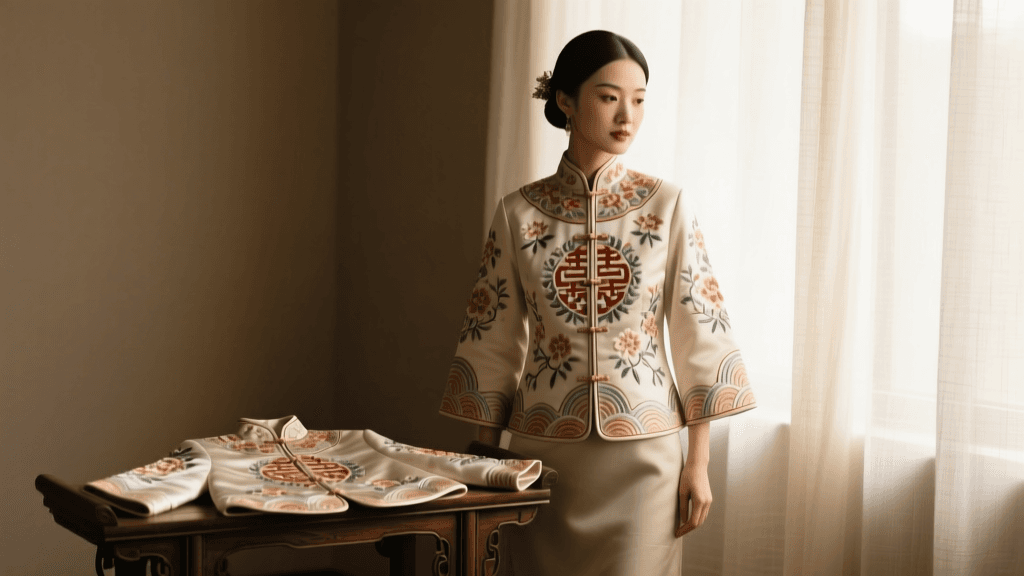
The cheongsam, also widely known as the qipao, is China’s most globally recognized traditional garment, celebrated for its form-fitting silhouette, high mandarin collar, and intricate pankou (knotted button) closures. Originating in the 1920s in Shanghai as a modernization of traditional Manchu dress, the cheongsam is designed to accentuate the natural curves of the wearer. Britannica's analysis of the Cheongsam highlights its historical significance as a symbol of female emancipation and modernity in early 20th-century China.
Fast forward to 2026, and the cheongsam has undergone a technological and textile revolution. Top tailors in Shanghai, Hong Kong, and Singapore are now employing AI-assisted 3D body scanning to achieve a flawless bespoke fit, reducing the traditional multi-week fitting process to just ten days. Furthermore, the integration of elastane into heavy silk brocades and jacquards has solved the historical issue of the cheongsam's restrictive nature, allowing for greater mobility and comfort during seated dinners or dancing. For a high-quality, bespoke cheongsam tailored in 2026, prices generally range from $600 for a standard silk-blend day dress to over $3,000 for a floor-length, hand-embroidered masterpiece featuring traditional Suzhou embroidery techniques. Styling the cheongsam for a modern gala requires careful attention to undergarments, as the sheer or tightly fitted nature of the fabric leaves little room for error. Seamless shapewear and specialized low-back bras are essential. In terms of footwear, the cheongsam demands a heel to elongate the leg line and complement the side slits, though 2026 fashion has seen a rise in pairing midi-length, relaxed-fit qipaos with luxury leather loafers for high-end daytime cultural festivals.
2026 Comparative Analysis: Fit, Function, and Formality
To help you decide which garment best suits your upcoming event, refer to the comparison table below detailing the practical differences between the kimono, hanbok, and cheongsam in the current fashion landscape.
| Feature | Kimono (Japan) | Hanbok (Korea) | Cheongsam / Qipao (China) |
|---|---|---|---|
| Silhouette | T-shaped, straight, wraps left over right | Bell-shaped, fitted top, voluminous skirt | Form-fitting, sculpted, side slits |
| Mobility | Low (restricts stride, requires specific posture) | High (loose fit, expansive skirt) | Medium (tailored fit, stretch blends help) |
| 2026 Avg. Bespoke Cost | $4,000 - $10,000+ (Formal Silk) | $800 - $2,500 (Modern Ceremonial) | $600 - $3,000+ (Bespoke Tailored) |
| Dressing Time | 45-60 mins (often requires professional help) | 10-15 mins (can be self-dressed) | 5-10 mins (zipper/pankou closures) |
| Best 2026 Occasion | Tea ceremonies, traditional weddings, high-art galas | Chuseok, weddings, outdoor cultural festivals | Cocktail parties, red carpets, formal dinners |
Sourcing, Care, and Maintenance in 2026
Acquiring and maintaining these garments requires specific knowledge, especially as the textile industry shifts toward more sustainable but delicate eco-fibers. When sourcing a kimono, international buyers in 2026 should look for certified vintage dealers in Tokyo's Oji or Kyoto's Nishijin districts who provide authenticity certificates for vintage silks. For the hanbok, online bespoke services from Seoul now offer virtual consultations, allowing global buyers to input exact measurements for a custom chima and jeogori set shipped worldwide. For the cheongsam, while off-the-rack options are plentiful, the true magic lies in bespoke tailoring; booking a consultation with a heritage tailor in Hong Kong's Central district remains the premier route for a flawless qipao.
Essential 2026 Care Guidelines
- Kimono Care: Never hang a silk kimono on standard wire hangers, as the weight will distort the shoulders. In 2026, specialized eco-friendly dry cleaners use liquid silicone solvents that are safe for delicate metallic threads and gold leaf. Always store folded in a breathable, acid-free tatou paper.
- Hanbok Care: Modern organza and synthetic blend hanboks are often machine washable on delicate cycles, but traditional silk ramie (mosi) must be hand-washed or professionally pressed. The chima should be hung by its waistband to maintain the pleat structure.
- Cheongsam Care: Because of the structured darts and side slits, cheongsams should never be wrung out. Spot cleaning with pH-neutral silk detergent is recommended for minor stains. Store on padded, wide-shoulder hangers to maintain the mandarin collar's rigid structure.
Final Thoughts on Cultural Appreciation
Wearing a kimono, hanbok, or cheongsam in 2026 is a beautiful way to engage with Asian heritage, provided it is done with respect and an understanding of the garment's context. Whether you opt for the architectural grandeur of the Japanese kimono, the sweeping, joyful volume of the Korean hanbok, or the sleek, sophisticated lines of the Chinese cheongsam, the key to modern styling lies in balancing traditional integrity with contemporary comfort. By investing in proper tailoring, understanding the 2026 textile innovations, and adhering to respectful styling practices, you can confidently wear these masterpieces of Asian sartorial history to any global event.