Hanfu Travel Guide 2026: Wrinkle-Free Packing & Top Spots
The Rise of Hanfu Tourism in 2026
The year 2026 has ushered in a golden era for cultural tourism across Asia, with the Hanfu movement evolving from a niche hobby into a mainstream travel lifestyle. Millions of travelers are now curating their itineraries around traditional Chinese garment photography, seeking out historical architecture, classical gardens, and ancient city walls to showcase their meticulously crafted attire. However, traveling with delicate, multi-layered traditional garments presents a unique set of logistical challenges. From preserving the sharp pleats of a Mamianqun to preventing silk creases during high-speed rail transit, mastering the art of Hanfu packing is essential for any modern cultural explorer.
Whether you are a seasoned Hanfu enthusiast or a newcomer eager to participate in the Xin Zhongshi (new Chinese style) travel trend, this comprehensive 2026 guide will equip you with wrinkle-free packing techniques, essential gear recommendations, and a curated list of the best photography destinations in China.
Choosing the Right Fabrics for Travel
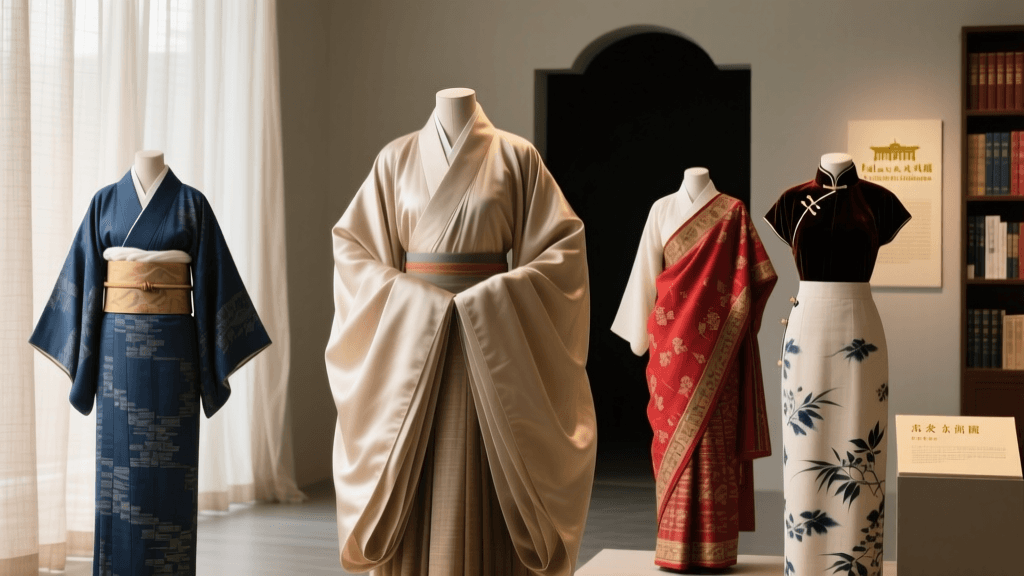
Before you even begin packing, evaluating your wardrobe for travel suitability is crucial. Historically, the evolution of Chinese dress has always been tied to the availability and mastery of textiles, as detailed by the Victoria and Albert Museum. While pure mulberry silk remains the gold standard for luxury and historical accuracy, it is notoriously difficult to maintain on the road.
For 2026 travel, we recommend a hybrid approach to your Hanfu wardrobe:
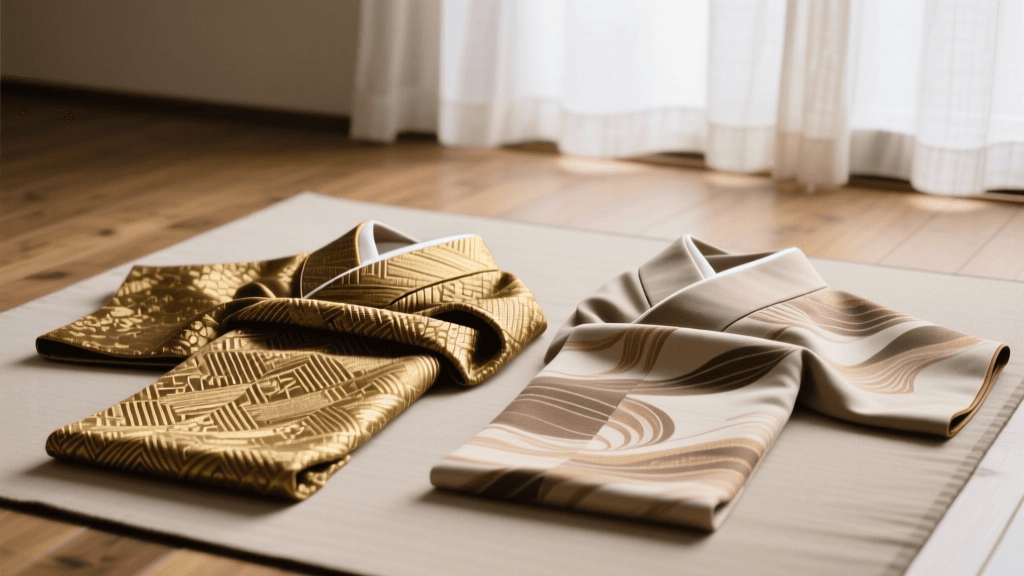
- Outer Layers (Silk/Jacquard): Reserve pure silk or heavy brocade for your outermost garments like the Beizi or Pifeng. These drape beautifully and are less prone to deep creasing if packed correctly.
- Base Layers (Cotton/Linen Blends): Opt for high-quality cotton-linen blends for your inner Ru (tops) and Zhongyi (undergarments). They breathe well in humid climates and resist wrinkling.
- Skirts (Polyester-Silk Blends): Modern textile manufacturing has produced incredibly convincing polyester-silk blends that hold Mamianqun pleats perfectly, even after being compressed in a suitcase. These are a traveler's best friend.
Essential Hanfu Packing Gear for 2026
To protect your garments, you need more than just a standard suitcase. The following items are considered essential for the 2026 Hanfu traveler:
- Silk-Lined Compression Cubes: Unlike standard nylon packing cubes, silk-lined cubes reduce friction, preventing micro-tears and static buildup in delicate embroidery.
- Magnetic Pleat Clips: Specifically designed for Mamianqun, these clips lock the horse-face skirt pleats in place during transit.
- Portable Capsule Steamer: The latest 2026 models of travel steamers weigh under 400 grams, heat up in 15 seconds, and easily fit into a daypack for on-the-go touch-ups.
- Acid-Free Tissue Paper: Used to buffer folds and prevent hard creases from setting into embroidered motifs.
The Roll-and-Tuck Method: Wrinkle-Free Packing
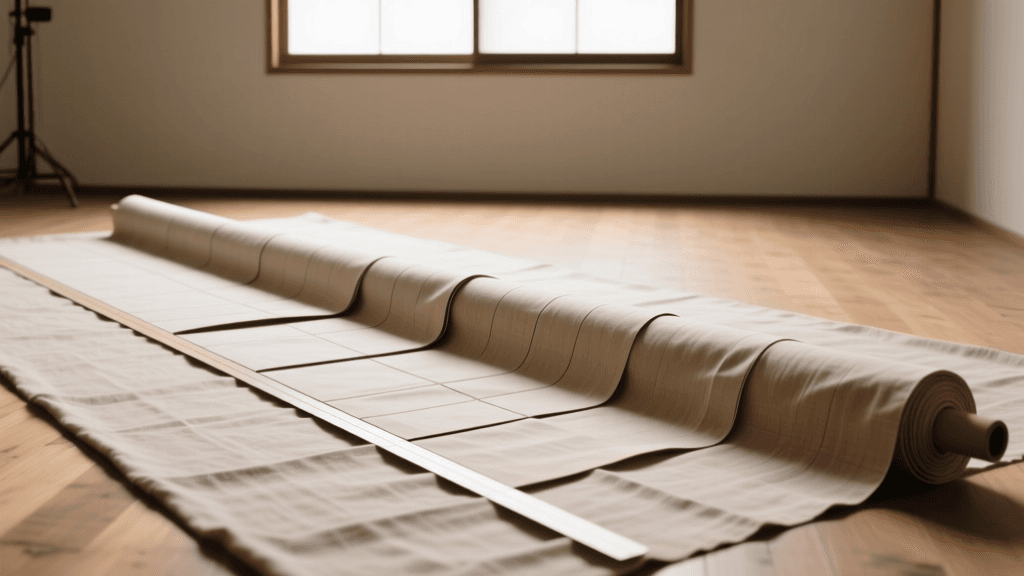
The traditional folding method is the enemy of travel-ready Hanfu. Instead, adopt the Roll-and-Tuck method, which minimizes hard fold lines and maximizes suitcase space.
How to Pack a Mamianqun (Horse-Face Skirt)
The Mamianqun is iconic, but its structured pleats can easily collapse if packed improperly. According to historical textile conservation methods, maintaining the structural integrity of pleated garments requires uniform pressure.
- Lay the skirt flat on a clean surface and align the front and back panels.
- Secure the pleats on both sides using magnetic pleat clips or smooth binder clips padded with tissue paper.
- Starting from the hem, roll the skirt tightly and evenly upward toward the waistband. The rolling motion prevents sharp creases from forming across the pleats.
- Place the rolled skirt into a cylindrical packing tube or a dedicated skirt bag to maintain its shape.
How to Pack Qixiong Ruqun and Beizi
For chest-high skirts (Qixiong Ruqun) and long outer coats (Beizi), use the tissue-buffered fold. Lay the garment flat, place a sheet of acid-free tissue paper over the embroidered areas, and fold the sleeves inward. Roll the garment from the bottom hem to the collar. The tissue paper acts as a shock absorber, ensuring that metallic threads and beadwork do not snag or crush under the weight of other clothes.
Top Hanfu Photography Destinations in 2026
China's historical sites have heavily invested in Hanfu-friendly infrastructure over the past few years, offering dedicated changing rooms, luggage storage, and specialized lighting for traditional garment photography. Here are the top three destinations for your 2026 itinerary.
1. Xi'an: The Tang Dynasty Illusion
Xi'an is the undisputed capital of Tang Dynasty aesthetics. The Datang Everbright City pedestrian district transforms into a sea of Qixiong Ruqun and Pibo (silk shawls) as soon as the sun sets. In 2026, the district has introduced augmented reality (AR) photography zones, allowing travelers to digitally integrate historical Chang'an architecture into their photos without needing to edit out modern crowds. The vibrant, high-saturation colors of Tang-style Hanfu contrast beautifully with the warm, golden lantern light of the ancient city walls.
2. Suzhou: Classical Gardens and Song Dynasty Elegance
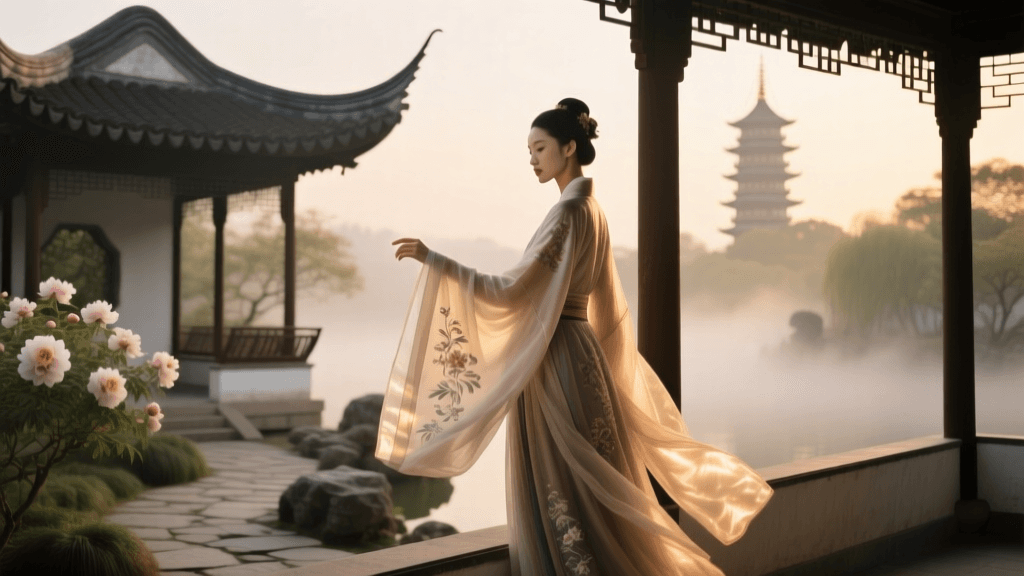
For a more subdued, intellectual aesthetic, Suzhou offers the perfect backdrop for Song Dynasty Hanfu, characterized by slender silhouettes, muted tones, and the elegant Beizi. The Classical Gardens of Suzhou, recognized as a masterpiece of landscape design by the UNESCO World Heritage Centre, provide intimate, framed vistas ideal for portraiture. To avoid the massive 2026 tourist crowds, book the earliest possible morning entry slot at the Humble Administrator's Garden. The soft, diffused morning light filtering through the bamboo and lattice windows is unparalleled for capturing the subtle textures of Song-style silk.
3. Luoyang: Wei-Jin Aesthetics and Peony Season
Luoyang is the spiritual home of the Wei-Jin aesthetic—think flowing, wide-sleeved robes, cross-collars, and an air of carefree scholarly elegance. The Longmen Grottoes provide a monumental, spiritual backdrop, while the ancient streets of the Luoyi Ancient City are perfect for dynamic, sweeping photography. If you travel in April, you can coordinate your Hanfu colors with the blooming of the famous Luoyang peonies, a tradition that has inspired Chinese textile patterns for centuries, a history well-documented by The Metropolitan Museum of Art in their extensive archives on Chinese silk and sericulture.
2026 Destination Comparison Chart
| Destination | Best Hanfu Style | Ideal Season | 2026 Crowd Level | Photography Vibe |
|---|---|---|---|---|
| Xi'an | Tang Dynasty (Qixiong Ruqun, Pibo) | Autumn (Sept-Nov) | High (Nighttime) | Vibrant, Cinematic, Grand |
| Suzhou | Song Dynasty (Beizi, Pleated Skirts) | Spring (Mar-May) | Moderate (Mornings) | Intimate, Elegant, Muted |
| Luoyang | Wei-Jin (Wide Sleeves, Daxiushan) | Spring (April) | Moderate | Ethereal, Scholarly, Flowing |
| Hangzhou | Ming Dynasty (Mamianqun, Aoqun) | Winter (Dec-Feb) | Low | Crisp, Structured, Regal |
On-the-Go Garment Care and Steaming
Even with the best packing techniques, your Hanfu will need some refreshing upon arrival at your hotel. Never use a traditional hotel iron directly on traditional garments, as the direct heat can melt synthetic blends or scorch delicate silk weaves. Instead, hang the garment in the bathroom while you take a hot shower; the ambient steam will release minor creases naturally.
For stubborn wrinkles, use your portable capsule steamer. Always steam from the inside of the garment to protect the outer embroidery and metallic threads. Keep a small bottle of fabric static guard in your daypack—this is especially vital during the dry autumn months in northern cities like Xi'an and Beijing, where static cling can ruin the drape of a lightweight silk Pibo.
Dealing with Unexpected Weather
Spring and summer travel in southern China often brings sudden rain showers. While modern umbrella technology and waterproof cloaks exist, it is wise to treat the hems of your skirts with a fabric-safe hydrophobic spray before your trip. This invisible barrier prevents mud and water from wicking up the fabric, saving your garment from permanent water stains and allowing you to continue your photoshoot even in a light drizzle.
Conclusion
Traveling with Hanfu in 2026 is a deeply rewarding experience that bridges the gap between historical reverence and modern exploration. By investing in the right packing gear, mastering wrinkle-free rolling techniques, and choosing destinations that complement your specific garment style, you can ensure that your traditional attire looks as immaculate on the road as it does in your wardrobe. Pack smart, respect the heritage of your textiles, and step confidently into the living history of Asia's most beautiful landscapes.