Nishijin-Ori vs Hakata-Ori Obi Fabrics: 2026 Buyer Guide
The Heart of the Kimono: Understanding the Obi Textile
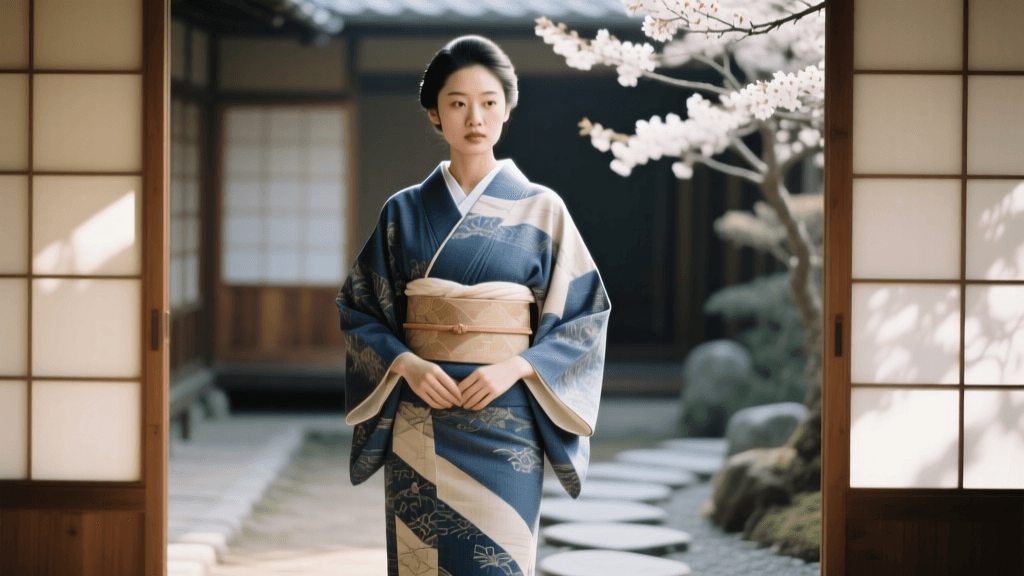
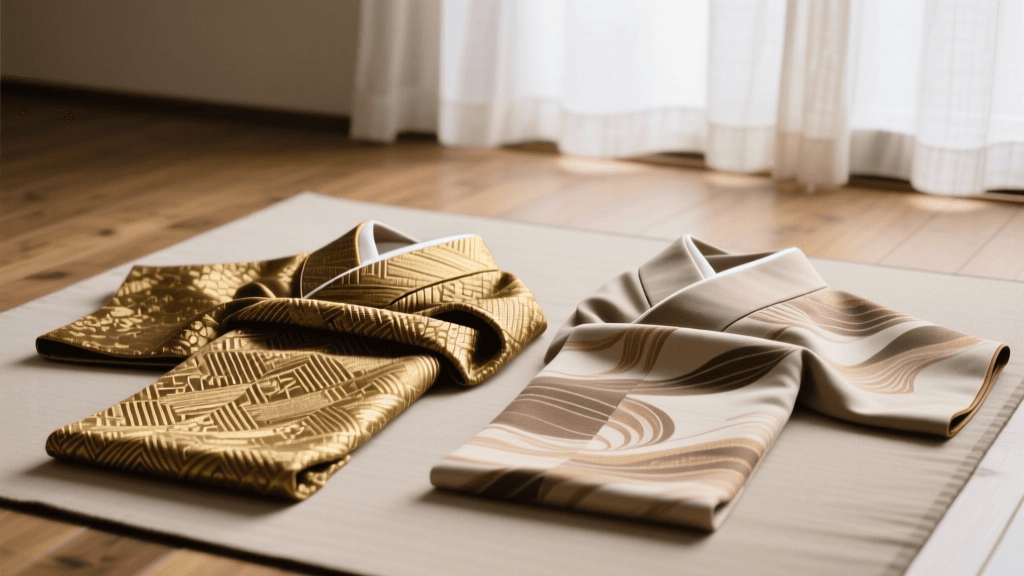
In the intricate world of traditional Japanese garments, the kimono often receives the lion's share of attention. However, any seasoned practitioner of Asian traditional dress knows that the true focal point—and the most significant financial investment—lies in the obi, the wide sash that secures the garment. As we navigate the 2026 textile market, the choice of obi fabric dictates not only the formality of the ensemble but also the comfort, drape, and structural integrity of the final silhouette. Among the myriad of weaving traditions in Japan, two prestigious textiles dominate the high-end market: Kyoto’s Nishijin-ori and Fukuoka’s Hakata-ori.
Choosing between these two legendary brocades requires an understanding of their distinct structural properties, historical contexts, and modern applications. Whether you are assembling a formal furisode ensemble for a coming-of-age ceremony or curating a refined, understated look with a woven tsumugi kimono, this comprehensive 2026 buyer’s guide will help you select the perfect textile for your needs.
Nishijin-Ori: The Brocade of Kyoto
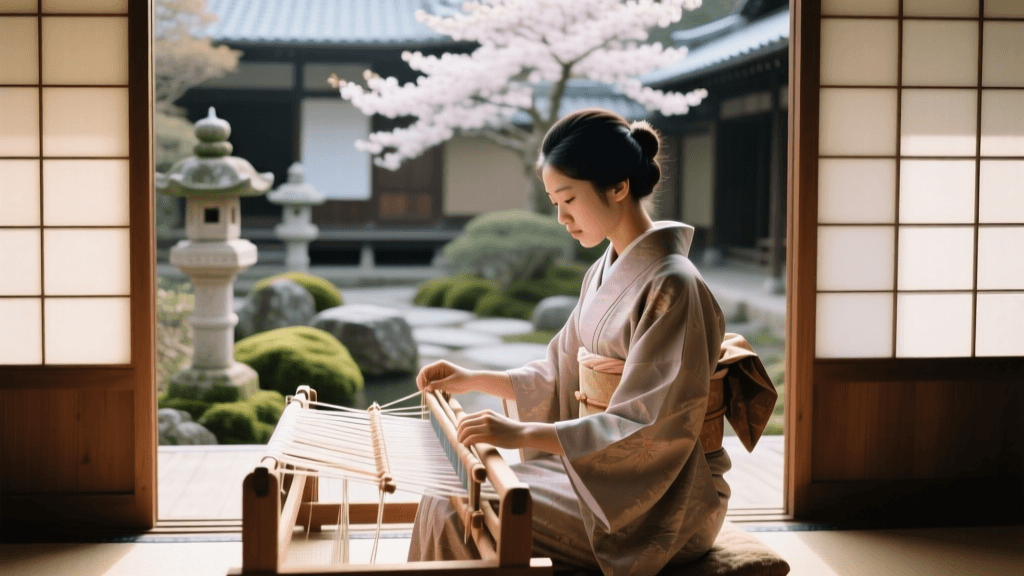
Nishijin-ori is not a single fabric, but rather a collective term for a variety of luxurious, multi-colored, patterned textiles produced in the Nishijin district of Kyoto. With a history spanning over a millennium, Nishijin weaving is renowned for its complex jacquard techniques, rich color palettes, and frequent incorporation of metallic threads, gold leaf, and silver foil. According to cultural heritage resources like the Nishijin Textile Center, the hallmark of this textile is its weft-faced weave, where the horizontal threads (weft) are densely packed to completely cover the vertical threads (warp), allowing for incredibly detailed, painterly motifs.
2026 Innovations and Sustainability in Nishijin
In 2026, the Nishijin textile industry has seen a major push toward sustainable luxury. Master weavers are increasingly integrating traceable, ethically farmed domestic silk (such as the revived Gunma and Nagano silk strains) alongside traditional metallic threads. Furthermore, modern digital jacquard looms are now being used in tandem with hand-finishing techniques, allowing for hyper-customized, small-batch obi production that reduces material waste. Despite these technological aids, the highest echelon of Nishijin-ori remains entirely hand-woven, a process that can take a single artisan several months to complete a single fukuro obi (a formal, pouch-style sash).
Hakata-Ori: The Singing Silk of Fukuoka
In stark contrast to the ornate, heavy brocades of Kyoto, Hakata-ori originates from Fukuoka Prefecture in Kyushu and is celebrated for its structural brilliance rather than its pictorial complexity. Recognized as a traditional craft by the Ministry of Economy, Trade and Industry (METI), Hakata-ori is characterized by a warp-faced weave. This means the vertical warp threads are tightly twisted and densely packed, while the thicker horizontal weft threads are beaten in forcefully to create bold, geometric patterns, most notably the kenjo (offering) design featuring Buddhist altar motifs and stripes.
The Acoustic and Structural Marvel
The most famous attribute of authentic Hakata-ori is its acoustic signature. Because the warp threads are wound with such extreme tension, tying a Hakata obi produces a distinctive, high-pitched squeaking or 'singing' sound known as kinari. This sound is highly prized by kimono connoisseurs as the ultimate proof of authenticity and superior weaving tension. In 2026, Hakata-ori remains the undisputed champion of durability and ease of tying; its firm yet pliable nature holds complex knots (like the taiko musubi) impeccably well without slipping, making it a favorite for both daily wear and rigorous ceremonial use.
Direct Comparison: Nishijin-Ori vs. Hakata-Ori
To make an informed purchasing decision, it is essential to compare these textiles across several practical metrics. The following table outlines the core differences as they stand in the 2026 market.
| Feature | Nishijin-Ori (Kyoto Brocade) | Hakata-Ori (Fukuoka Warp-Faced) |
|---|---|---|
| Weave Structure | Weft-faced, complex jacquard, pictorial | Warp-faced, tightly twisted, geometric/striped |
| Weight & Drape | Heavy, stiff, holds elaborate sculptural shapes | Firm but pliable, excellent tension and grip |
| Acoustic Property | Silent, soft rustle of silk and metallic threads | Distinctive 'singing' or squeaking sound when tied |
| Visual Aesthetic | Opulent, multi-colored, gold/silver accents | Understated, elegant, matte or subtle sheen |
| Best Kimono Pairing | Furisode, Houmongi, Kurotomesode, Iromuji | Tsumugi, Komon, Edo Komon, Everyday Wool/Cotton |
| 2026 Avg. Price (Fukuro) | ¥250,000 - ¥1,500,000+ ($1,600 - $10,000+ USD) | ¥80,000 - ¥350,000 ($550 - $2,300 USD) |
Pairing Textiles with Kimono Types in 2026
The golden rule of Asian traditional garment styling is harmony between the textile weights and formality levels. As noted by textile historians at the Victoria and Albert Museum, the structural relationship between the kimono body and the obi is paramount to the garment's historical and aesthetic integrity.
When to Choose Nishijin-Ori
- Furisode & Houmongi: For these highly formal, long-sleeved and visiting garments, a heavy, gold-threaded Nishijin fukuro obi is mandatory. The stiff drape of the brocade supports the large, elaborate fukura-suzume or tateya knots required for unmarried women's formal wear.
- Kurotomesode & Irotomesode: For married women attending weddings or royal events, Nishijin-ori with auspicious motifs (cranes, pine, bamboo, plum) woven in gold and silver leaf provides the necessary regal gravity.
When to Choose Hakata-Ori
- Tsumugi (Pongee Silk):strong> Tsumugi is a slubbed, matte silk that is technically considered casual or semi-formal despite its high cost. Pairing it with a flashy Nishijin brocade is a major fashion faux pas. A refined, striped Hakata-ori provides the perfect understated contrast.
- Komon & Edo Komon: For everyday patterned kimono or micro-patterned Edo Komon, a Hakata obi offers a sleek, modern silhouette. Its grip ensures that the obi stays perfectly in place during long days of walking or attending tea ceremonies.
Sourcing Authentic Textiles in the 2026 Market
The global market for traditional Asian garments has expanded significantly, but this has also led to an influx of synthetic imitations. In 2026, buyers must be vigilant. Authentic Nishijin-ori and Hakata-ori will always feature a woven or stamped certification label on the inner fold (the taiko padding area). For Hakata-ori, look for the official Fukuoka Prefecture and METI certification seals. When purchasing online or from international boutiques, request high-resolution macro photos of the reverse side of the textile; true jacquard and warp-faced weaves will show distinct, clean thread transitions, whereas printed synthetic imitations will show blurred ink bleed.
Furthermore, the 2026 market has seen a surge in 'upcycled' or 'remade' vintage obis. While these offer incredible value and historical charm, buyers should inspect the fold lines for dry rot or weakened silk fibers, a common issue in garments stored improperly over the last few decades.
Care and Maintenance for Woven Obis
Investing in high-end textiles requires meticulous care. Neither Nishijin nor Hakata obis should ever be washed with water or subjected to standard dry cleaning, as the chemicals can strip the natural sericin from the silk and tarnish metallic threads. Instead, rely on professional arai-hari (traditional washing and re-stretching) services only when absolutely necessary. After wearing, always air out the obi in a shaded, well-ventilated area for 24 hours to allow moisture from the body to evaporate. When storing for the season, roll the obi around a specialized acid-free cardboard tube rather than folding it, which prevents permanent creases and protects the structural integrity of the tightly wound Hakata warp threads and the delicate Nishijin metallic foils.
Conclusion
Choosing between Nishijin-ori and Hakata-ori is not merely a matter of budget; it is a decision rooted in the specific sartorial requirements of your kimono wardrobe. Nishijin-ori offers unparalleled opulence, transforming the wearer into a walking canvas of Kyoto's artistic heritage. Conversely, Hakata-ori provides a masterclass in structural engineering, offering the reliable, 'singing' silk that makes the physical act of dressing a secure and deeply satisfying experience. By understanding these textile nuances, you ensure that your traditional garments are not only visually stunning but culturally and structurally authentic for years to come.