The Complete Guide to Japanese Kimono & Hakama Styles in 2026
The Renaissance of Japanese Traditional Garments in 2026
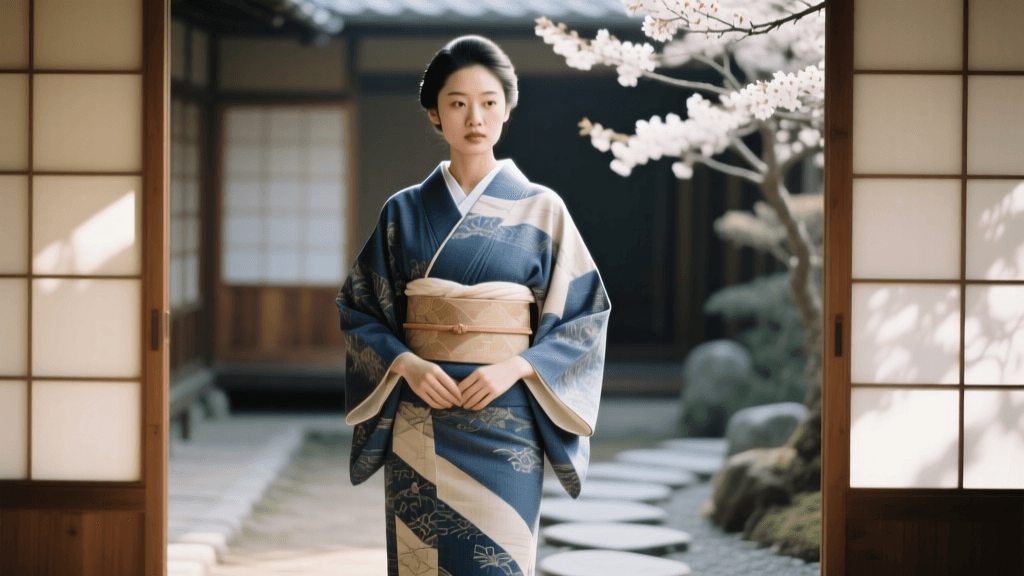
The global appreciation for Japanese traditional garments has reached a fascinating inflection point in 2026. No longer confined to ceremonial occasions or historical reenactments, garments like the kimono, yukata, and hakama are being embraced by a new generation of global fashion enthusiasts who value sustainability, artisanal craftsmanship, and cultural depth. As noted by The Metropolitan Museum of Art, the kimono is not merely a garment but a profound reflection of Japanese aesthetics, social status, and seasonal awareness. Today, the intersection of heritage weaving techniques and modern styling has created a vibrant market for both vintage collectors and those seeking newly commissioned, ethically produced silk textiles.
This comprehensive guide explores the core types of Japanese traditional garments, provides actionable sourcing and pricing data for the 2026 market, and offers essential advice on the art of kitsuke (dressing) and long-term textile preservation.
Decoding the Core Garment Types
Kimono: The T-Shaped Canvas
The word "kimono" literally translates to "thing to wear." Constructed from straight bolts of fabric (tanmono), the kimono is cut into standard panels approximately 36 centimeters wide. This zero-waste construction method is highly celebrated in 2026's sustainable fashion movements. Kimono are categorized by formality:
- Kurotomesode: The most formal kimono for married women, featuring a black base with patterns only below the waist and five family crests (kamon).
- Furisode: The most formal kimono for unmarried women, distinguished by dramatically long, swinging sleeves that can measure up to 114 centimeters in length.
- Komon: An informal, everyday kimono featuring a repeating pattern across the entire garment, suitable for casual outings and modern street styling.
Yukata: Summer Breathability
Originally worn as a bathrobe by the nobility during the Heian period, the yukata is now the quintessential summer garment. Made from unlined cotton, hemp, or modern breathable synthetic blends, it is worn directly over undergarments. In 2026, yukata festivals (matsuri) worldwide have driven a surge in demand for bold, contemporary graphic prints that appeal to younger demographics.
Hakama: Pleated Elegance
Hakama are traditional pleated trousers or skirt-like garments worn over a kimono. They feature seven deep pleats, symbolizing the seven virtues of the samurai. While historically worn by men of high status, they are now widely worn by women for university graduations and by practitioners of martial arts like kendo and aikido. The andon-bakama (lantern hakama) is a tube-like, skirt version popular for formal female attire, while the umamori-bakama (horseback hakama) features divided legs.
Haori: The Versatile Jacket
The haori is a hip- or thigh-length jacket worn open over the kimono. In 2026, the haori has become a massive crossover hit in global fashion, frequently styled over contemporary clothing such as turtlenecks, tailored trousers, and even denim, acting as a luxurious, unstructured blazer.
2026 Sourcing, Pricing, and Authenticity Guide
Sourcing authentic Japanese garments requires navigating a mix of vintage markets, specialized online retailers, and direct artisan commissions. According to the Japan National Tourism Organization, Kyoto remains the undisputed epicenter for Nishijin-ori weaving and Yuzen dyeing, offering unparalleled access to master craftsmen. For international buyers, specialized platforms and curated vintage exporters have streamlined the process, utilizing AI-assisted sizing tools to match vintage garment dimensions with modern global body types.
| Garment Type | Formality Level | 2026 Estimated Price (USD) | Best Sourcing Method |
|---|---|---|---|
| Vintage Silk Kimono (Komon) | Informal / Everyday | $45 – $250 | Online vintage exporters (e.g., Ichiroya, Yamatoku) |
| New Artisan Silk Kimono | Formal / Ceremonial | $1,800 – $6,000+ | Direct Kyoto artisan commissions, Nishijin district |
| Cotton / Hemp Yukata | Casual / Summer | $50 – $180 | Japanese department store global shipping, Matsuri vendors |
| Formal Hakama Set | Graduation / Martial Arts | $150 – $600 | Specialized martial arts suppliers, Kyoto rental-to-buy shops |
| Vintage Haori Jacket | Casual / Smart-Casual | $30 – $150 | Global antique markets, curated online vintage boutiques |
The Anatomy of Kitsuke: Obi and Accessories
The art of wearing the kimono, known as kitsuke, relies heavily on the obi (sash) and a network of hidden and visible accessories. The kimono itself has no fasteners; it is secured entirely through precise folding and tying.
Understanding the Obi
The obi dictates the formality of the outfit just as much as the kimono itself.
- Hanhaba Obi: A narrow (15 cm) informal obi used primarily with yukata and casual komon kimono. It is tied in simple bows like the bunko knot.
- Nagoya Obi: The most versatile and popular obi for modern wearers. Pre-folded and stitched at one end to make tying the iconic o-taiko (drum) knot easier, it bridges the gap between casual and semi-formal wear.
- Fukuro Obi: A fully formal, heavily brocaded obi measuring about 30 cm wide and over 4 meters long, reserved for ceremonial kimono and complex, ornate knots.
Essential Accessories
To achieve the correct silhouette in 2026, dressers utilize koshihimo (thin cotton ties) to secure the kimono at the waist, and datejime (wide elastic or silk bands) to smooth the fabric before the obi is applied. Footwear consists of tabi (split-toe socks) paired with zori (formal flat sandals) or geta (elevated wooden clogs for yukata).
Modern Care and Sustainable Preservation
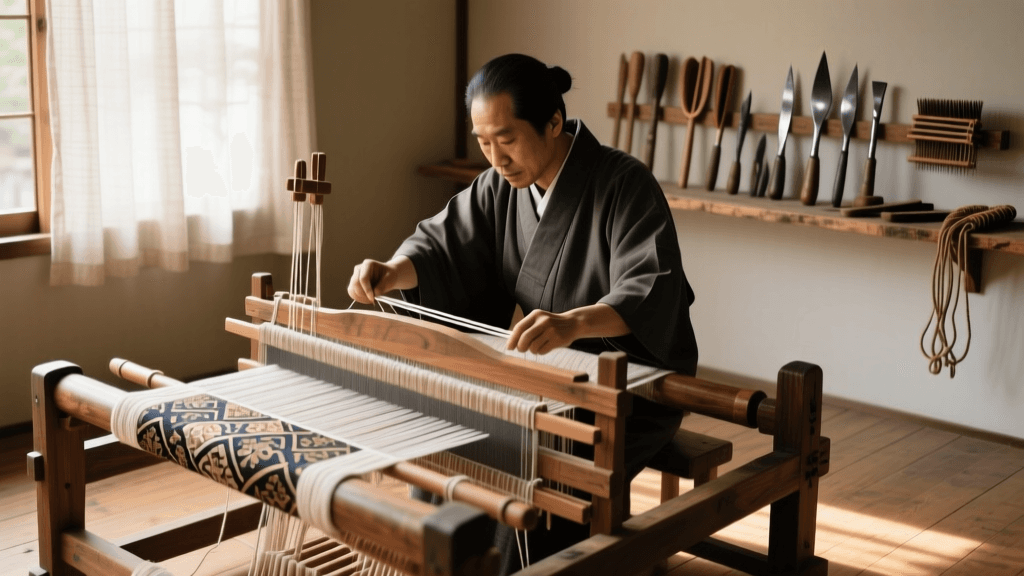
Preserving silk and natural fiber garments requires specific environmental controls. The traditional method of arai-hari—completely un-stitching the kimono, washing the flat fabric panels, and re-sewing it—was standard for centuries. While still practiced by heritage preservationists, most modern owners in 2026 rely on specialized eco-friendly dry cleaning.
Recent advancements in waterless CO2 cleaning technology have become the gold standard for delicate Nishijin-ori and Yuzen-dyed silks, effectively removing oils and stains without degrading the metallic threads or natural dyes. Between cleanings, garments should be aired out in the shade and folded with acid-free tatou paper.
The Victoria and Albert Museum emphasizes the importance of proper archival storage for silk textiles to prevent light degradation and moisture damage. For long-term storage, investing in a traditional kiri-bako (paulownia wood box) is highly recommended. Paulownia wood naturally regulates humidity and repels insects, creating an ideal microclimate for heirloom silks. By combining these historical preservation techniques with modern sustainable care, collectors and enthusiasts can ensure these masterpieces of Asian textile art endure for generations to come.