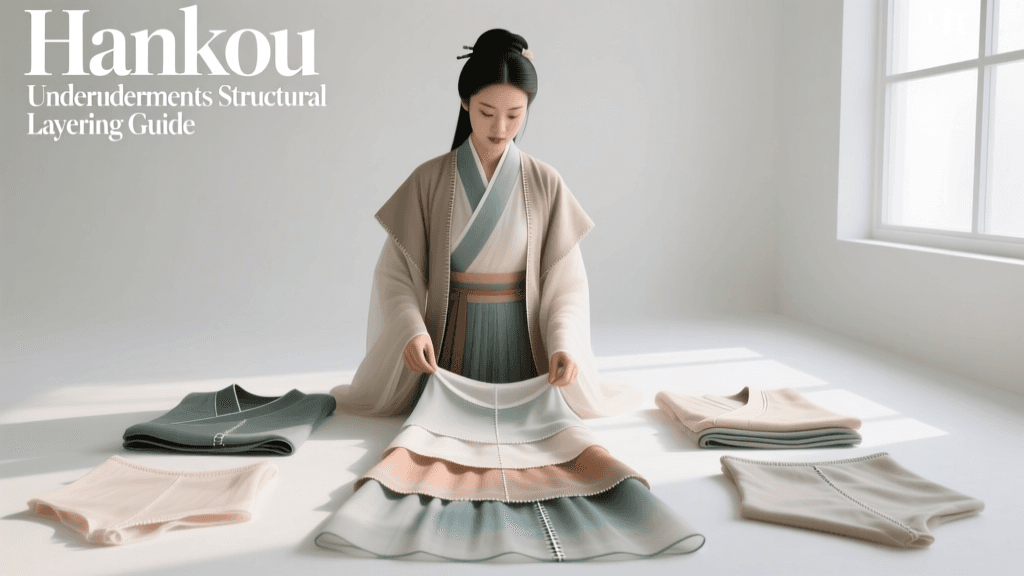
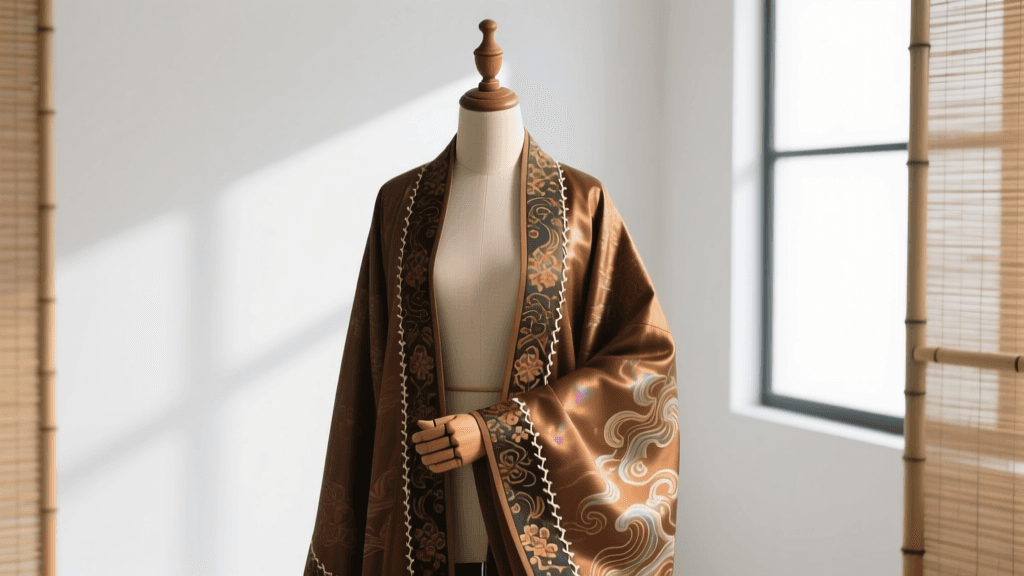
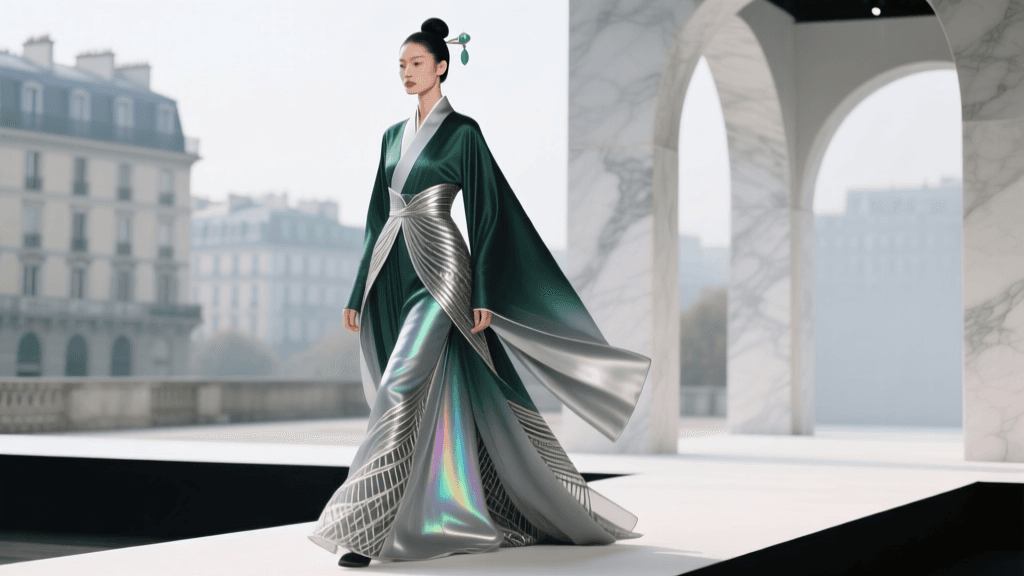
Kimono vs Hanbok vs Cheongsam: 2026 Event Styling
Introduction to East Asian Formal Wear in 2026
As we navigate the 2026 global formal event season, the intersection of heritage and haute couture has never been more prominent. Traditional East Asian garments are no longer confined to historical reenactments or strictly localized ceremonies; they are celebrated centerpieces at international galas, modern weddings, and high-profile cultural festivals. For enthusiasts and newcomers alike, choosing between the Japanese kimono, the Korean hanbok, and the Chinese cheongsam (qipao) requires an understanding of their distinct silhouettes, structural engineering, and contemporary styling norms.
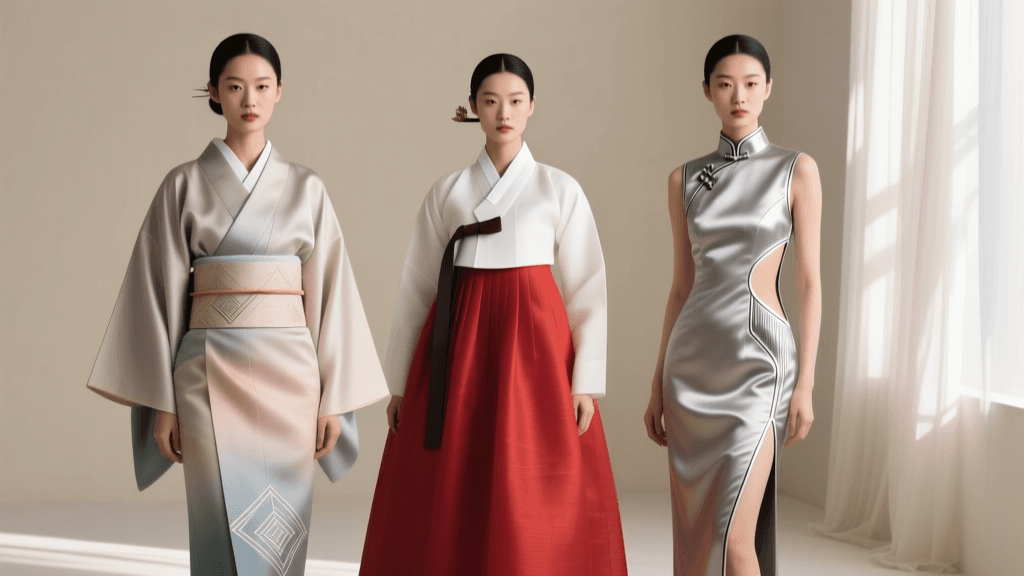
While all three garments share a profound respect for textile artistry and cultural symbolism, their approaches to the human form are radically different. The kimono wraps and layers, the hanbok expands and floats, and the cheongsam contours and reveals. In this comprehensive 2026 guide, we will break down the construction, modern innovations, and practical considerations for wearing these three iconic garments, ensuring you make an informed and respectful choice for your next formal occasion.
The Kimono: T-Shaped Elegance and Structural Layering
The Japanese kimono is fundamentally defined by its T-shaped, straight-line construction. Unlike Western tailoring, which cuts fabric to follow the curves of the body, the kimono is crafted from rectangular panels of fabric, creating a cylindrical silhouette that conceals the body's natural shape. The focal point of the kimono is not the cut, but the textile and the 'obi' (the wide sash used to secure the garment).
Construction and 2026 Textile Trends
Historically, kimono fabrics were woven to a standard width of about 14 inches, meaning the garment could be entirely deconstructed and re-woven or resized. In 2026, the 'eco-heritage' movement has taken hold of the kimono market. According to archival research highlighted by the Metropolitan Museum of Art's Asian Art collection, the preservation of historical weaving techniques has inspired a new wave of sustainable fashion. Today's formal kimono, such as the 'furisode' (for unmarried women) or 'kurotomesode' (for married women), frequently utilize upcycled vintage silks from the Taisho and early Showa eras, restored using modern, color-fast organic dyes.
Furthermore, 2026 has seen the rise of high-end, washable tech-silk blends for formal wear. These fabrics mimic the heavy drape and luster of traditional 'rinko' silk but offer resistance to humidity and accidental spills, a massive practical advantage for outdoor summer weddings or lengthy gala events.
Styling and Formality
Wearing a kimono requires the expertise of a 'kitsuke' (professional dresser). The layering involves a 'nagajuban' (under-robe), the main kimono, and the highly complex tying of the obi, which can take up to 45 minutes. For 2026 formal events, minimalist obi knots like the 'fukura-suzume' are favored for their modern, architectural appearance, pairing beautifully with contemporary metallic 'zori' sandals and structured clutch bags.
The Hanbok: Voluminous Curves and Vibrant Hues
In stark contrast to the linear kimono, the Korean hanbok is defined by its dramatic curves, voluminous skirts, and vibrant color blocking. The traditional women's hanbok consists of the 'jeogori' (a cropped, tailored jacket) and the 'chima' (a full, wrap-around skirt). The silhouette creates a striking bell shape, emphasizing a high waistline and allowing for immense freedom of movement.
The 2026 'Neo-Hanbok' Evolution
While traditional hanbok made from heavy silk and ramie remain popular for Chuseok and Seollal, the 2026 formal event scene is dominated by the 'gaeryang hanbok' (modernized hanbok) movement. Designers in Seoul are currently utilizing structured organza, lightweight tech-taffeta, and 3D-printed mesh to maintain the traditional bell shape without the heavy, restrictive layering of the past. The 'goreum' (the long ribbon tying the jeogori) has also evolved; in 2026, we see asymmetrical, detachable goreum that function as statement jewelry pieces.
The Smithsonian National Museum of Asian Art frequently documents the evolution of Korean textile arts, noting how the hanbok's vibrant 'obangsa' (the five traditional colors representing the elements) continues to influence modern color theory in global fashion. In 2026, muted, pastel interpretations of these traditional hues—such as dusty celadon, soft peach, and slate blue—are highly sought after for evening galas and red-carpet events.
Styling and Formality
The hanbok is inherently more forgiving in its fit than the cheongsam and less restrictive in its lower half than the kimono. The jeogori must fit snugly across the shoulders and chest, but the high-waisted chima simply ties securely above the bust. Modern styling in 2026 often pairs the hanbok with delicate, embroidered 'kkotshin' (traditional shoes) or even sleek, pointed-toe stilettos, bridging the gap between Joseon-era elegance and contemporary haute couture.
The Cheongsam: Tailored Form and Mandarin Collars
The Chinese cheongsam, also known as the qipao, represents the pinnacle of form-fitting, tailored elegance. Originating in the 1920s in Shanghai as a modernization of the loose-fitting Manchu robe, the cheongsam is characterized by its high Mandarin collar, asymmetrical front opening, 'pankou' (intricate knotted buttons), and strategic side slits that allow for movement.
Bespoke Tailoring and 3D Scanning in 2026
Because the cheongsam follows the natural contours of the body, the fit is paramount. In 2026, the bespoke cheongsam industry in Shanghai, Hong Kong, and Singapore has been revolutionized by smartphone LiDAR scanning. Clients can now generate mathematically perfect 3D body avatars, allowing master tailors to draft patterns that account for every micro-movement and posture shift. This technology has reduced the traditional three-fitting process down to a single, flawless final fitting.
The Victoria and Albert Museum's Asian textiles archive provides extensive documentation on the evolution of Chinese dress, particularly the shift from heavy brocades to fluid silks. Today's 2026 cheongsams often feature bias-cut silk crepe and laser-cut lace overlays, offering a sensual, fluid drape that moves beautifully in indoor, climate-controlled environments. The pankou knots, once purely functional, are now crafted from metallic threads or semi-precious stones, serving as the garment's primary jewelry.
Styling and Formality
The cheongsam is the most inherently 'modern' of the three garments in its silhouette, making it a favorite for black-tie dinners and corporate galas. It requires precise undergarments, as the tailored cut leaves little room for bulky layers. In 2026, styling leans towards minimalist elegance: hair is typically swept up to highlight the Mandarin collar and the neckline, and accessories are kept sparse to let the intricate textile patterns and pankou knots take center stage.
2026 Comparison Chart: Silhouette, Fabric, and Formality
To help you decide which garment best suits your 2026 event, refer to the comparative breakdown below:
| Feature | Kimono (Japan) | Hanbok (Korea) | Cheongsam / Qipao (China) |
|---|---|---|---|
| Silhouette Profile | Cylindrical, T-shaped, concealing | Bell-shaped, high-waisted, voluminous | Form-fitting, contoured, linear |
| Primary Fastening | Obi (wide sash), no buttons | Goreum (fabric ribbon ties) | Pankou (knotted fabric buttons) |
| 2026 Fabric Trend | Upcycled vintage silks, washable tech-blends | Structured organza, 3D-printed mesh | Bias-cut silk crepe, laser-cut lace |
| Best Formal Occasion | Tea ceremonies, traditional weddings, outdoor cultural festivals | Red carpets, evening galas, engagement parties | Black-tie dinners, corporate galas, cocktail events |
| Avg. Bespoke Cost (USD) | $3,500 - $8,500+ | $800 - $2,500 | $1,200 - $4,000 |
| Dressing Assistance | High (requires professional kitsuke) | Moderate (can self-dress with practice) | Low (worn like a standard dress) |
Sourcing and Tailoring in 2026
Acquiring a high-quality traditional garment in 2026 requires navigating a mix of heritage ateliers and modern digital platforms. For the kimono, the most authentic route remains visiting the Nishijin district in Kyoto or utilizing specialized online concierge services that connect international buyers with certified Japanese artisans. Expect a lead time of three to six months for a fully bespoke, hand-painted 'yuzen' silk kimono.
For the hanbok, Seoul's Bukchon Hanok Village remains the epicenter of master tailors. However, many prominent Korean designers now offer virtual consultations, shipping customized 'gaeryang' hanbok globally within four weeks. The cheongsam market is highly accessible, with master tailors in Shanghai's former French Concession offering both in-person and LiDAR-assisted remote tailoring. When purchasing online, always request a 'toile' (a mock-up of the garment in cheap muslin) to be shipped first, ensuring the pattern is correct before the final silk is cut.
Cultural Appreciation and Modern Etiquette
As these garments become more visible on the global stage in 2026, the conversation around cultural appreciation versus appropriation remains vital. Wearing a kimono, hanbok, or cheongsam is widely celebrated by the cultures of origin when done with respect, proper context, and a commitment to authenticity.
- Avoid Costuming: Never mix and match elements from different cultures (e.g., wearing a cheongsam with a Japanese obi). Treat each garment with the distinct cultural boundaries it possesses.
- Respect the Collar: In kimono wearing, the left side must always cross over the right. Crossing right over left is strictly reserved for dressing the deceased. This rule is absolute and must be respected in 2026 just as it was centuries ago.
- Support Authentic Artisans: Avoid mass-produced, fast-fashion knockoffs that appropriate sacred or highly specific ceremonial motifs (like the Korean royal 'dragon robe' patterns) for casual clubwear. Invest in pieces from verified cultural heritage artisans or licensed contemporary designers.
Conclusion
The kimono, hanbok, and cheongsam are not merely relics of the past; they are living, breathing garments that have adapted to the demands of 2026 without sacrificing their historical soul. Whether you are drawn to the architectural wrapping of the kimono, the joyful volume of the hanbok, or the sleek, tailored precision of the cheongsam, understanding their unique structures and cultural contexts will ensure you wear them with the elegance and respect they command. As global fashion continues to look eastward for inspiration, these three masterpieces of Asian textile heritage remain the ultimate standard for formal grace.