Japanese Traditional Looms & Hand-Weaving Guide 2026
The Renaissance of Japanese Hand-Weaving in 2026
In 2026, the global slow fashion and heritage craft movements have reached an unprecedented zenith, bringing traditional Japanese hand-weaving methods into the international spotlight. As consumers and artisans alike turn away from mass-produced textiles, the rhythmic clatter of wooden shuttles and the meticulous tensioning of silk warps are experiencing a profound renaissance. Japanese traditional looms are not merely tools; they are complex, wooden extensions of the weaver’s body, engineered over centuries to produce some of the most intricate and durable fabrics in the world. From the rural farmhouses producing rustic cottons to the elite ateliers of Kyoto crafting imperial silks, understanding these looms offers a masterclass in precision, patience, and material science. This comprehensive guide explores the mechanics, preservation, and modern application of Japan’s most iconic hand-weaving apparatuses, providing actionable insights for textile artists, historians, and collectors navigating the 2026 market.
Anatomy of the Jibata: The Traditional Floor Loom
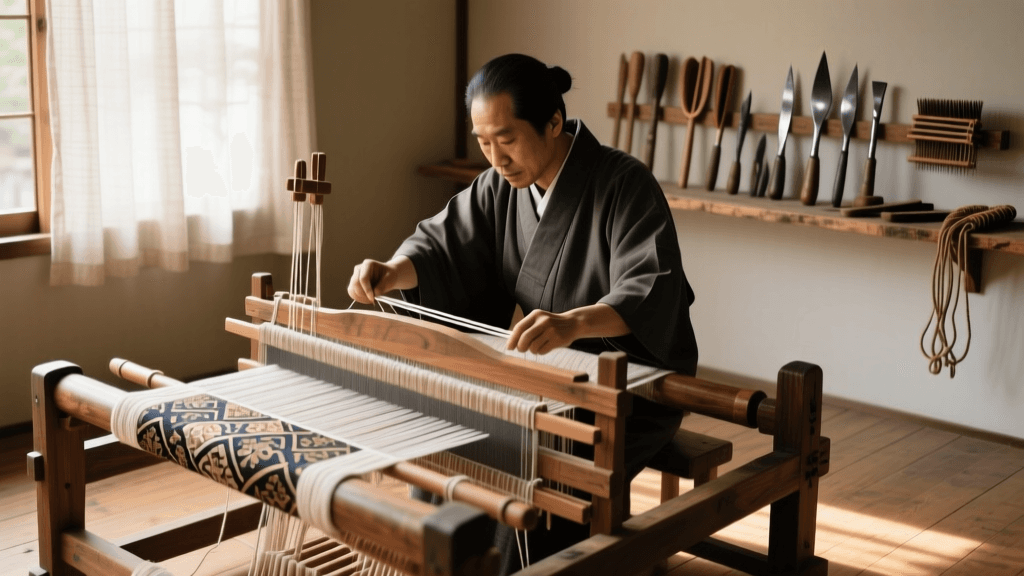
The Jibata (floor loom) is the cornerstone of traditional Japanese textile production, particularly renowned for its use in weaving Kasuri (ikat) and high-quality cottons like those from the Kurume and Bingo regions. Unlike Western counterbalance or jack looms, the traditional Japanese Jibata often features a unique seating arrangement and tie-up system that allows the weaver to sit directly on a low wooden platform (koshikake) integrated into the loom’s frame.
Key Components and Mechanics
To master the Jibata, one must understand its specialized terminology and structural elements:
- Mekura (Heddles): Traditionally made from hand-spun cotton or hemp cord, the heddles lift individual warp threads to create the shed. In 2026, while synthetic heddle cords exist for durability, purists and Living National Treasures still advocate for natural fibers to reduce friction on delicate hand-spun silk and cotton warps.
- Hi (Shuttle): The Japanese shuttle is often longer and heavier than its Western counterpart, designed to be thrown with a specific flick of the wrist and caught smoothly to maintain consistent selvedge tension.
- Osa (Reed/Beater): Suspended from an overhead beam, the osa is pulled toward the weaver to beat the weft into place. The swinging motion relies on gravity and the weaver’s core strength, producing a remarkably even beat that machines struggle to replicate.
- Ayatori (Pattern Rods): For complex geometric patterns, bamboo pattern rods are used in conjunction with the treadles, allowing the weaver to manually manipulate the shed without requiring a multi-harness setup.
Warping the Jibata
Warping a Jibata requires immense precision. The process of seikei (warping) involves measuring the warp threads on a large wooden creel and warping board. In 2026, artisan studios emphasize the traditional maki-tori method, where the warp is wound onto the back beam under uniform, high tension using heavy stone or cast-iron weights. This ensures that the Kasuri patterns align perfectly during the weaving process, a hallmark of premium Japanese ikat.
The Takadai: Elevating Kumihimo Braiding
While the Jibata is used for broadcloth, the Takadai is a specialized, elevated loom used exclusively for Kumihimo (Japanese braiding). Unlike the more common Marudai (round stand) used for cylindrical cords, the Takadai is designed to produce flat, complex, and multi-layered braids historically used for samurai armor lacing (odoshi) and obi sash ties.
The Takadai consists of a tall wooden frame with a mirrored surface (kagami) at the base. The weaver sits on a raised platform, manipulating dozens of weighted bobbins (tama). The mirror is not merely decorative; it allows the weaver to see the underside of the braid as it forms, ensuring the complex interlacing of silk threads remains flawless. In 2026, contemporary fashion houses in Tokyo and Paris are collaborating with Takadai masters to integrate these flat silk braids into luxury handbag straps and haute couture structural elements, driving a renewed demand for apprenticeship in this highly specialized discipline.
Nishijin-ori and the Sorabiki Drawloom
When discussing the pinnacle of Japanese weaving, one must look to Kyoto’s Nishijin district and the Nishijin-ori tradition. The most breathtakingly complex tool in this arsenal is the Sorabiki (drawloom). Before the advent of the Jacquard mechanism, the Sorabiki required two artisans to operate: the orite (weaver) who sits at the front managing the shuttle and beat, and the hikite (puller) who sits atop the massive loom structure, manually pulling the pattern cords to lift specific warp threads.
According to the Kyoto Museum of Traditional Crafts, the preservation of the Sorabiki is a critical cultural priority. While modern Nishijin weaving relies heavily on computerized Jacquard looms, the 2026 Kyoto Craft Summit highlighted a resurgence in bespoke, hand-pulled Sorabiki commissions for imperial shrines and ultra-luxury interior textiles. The human element of the hikite allows for micro-adjustments in tension that give hand-drawn Nishijin brocades their signature three-dimensional texture and luminous depth.
Comparing Traditional Japanese Looms (2026 Market Data)
For collectors, studios, and serious hobbyists looking to acquire traditional Japanese looms in 2026, understanding the market landscape, spatial requirements, and investment costs is crucial. The following table outlines the current market realities for these heritage tools.
| Loom Type | Primary Textile Application | Skill Level Required | Average 2026 Cost (USD) | Space Required (Sq Ft) |
|---|---|---|---|---|
| Jibata (Floor Loom) | Kasuri (Ikat), Cotton, Rustic Silk | Intermediate to Advanced | $3,500 - $9,000 | 80 - 120 |
| Takadai (Braiding Loom) | Flat Kumihimo, Obi Ties, Armor Lacing | Advanced | $2,200 - $5,500 | 25 - 40 |
| Sorabiki (Drawloom) | Nishijin Brocade, Complex Figured Silk | Master / Dual-Operator | $25,000 - $60,000+ | 200 - 300 |
| Tehata (Backstrap Loom) | Narrow Bands, Oki-ori (Ryukyu Textiles) | Beginner to Intermediate | $400 - $1,200 | 15 - 20 |
Sourcing Authentic Looms and Silk Yarns in 2026
Acquiring an authentic, antique Japanese loom requires navigating a specialized market. In 2026, the most reliable method for sourcing a vintage Jibata or Takadai is through specialized heritage brokers in Kyoto and Kanazawa, or via estate auctions managed by the Agency for Cultural Affairs, Government of Japan. When purchasing vintage wood, it is imperative to verify that the hinoki (Japanese cypress) or keyaki (Japanese elm) frames have not suffered from dry rot or wood-boring insects.
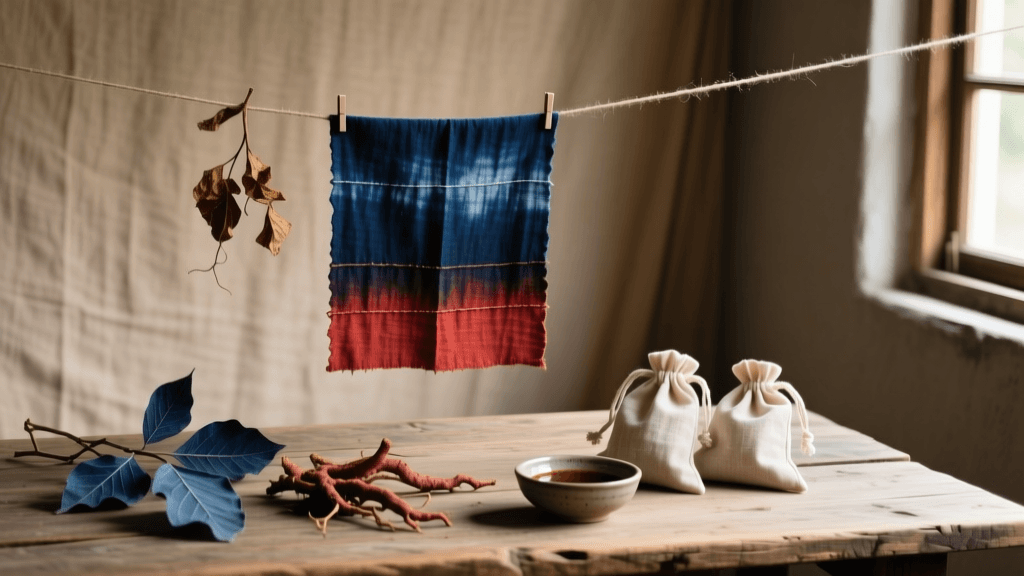
Equally important is the sourcing of authentic yarns. For the Jibata, artisan spinners in the Ibaraki prefecture still produce Yuki-tsumugi silk, a hand-spun, knot-tied silk thread that is incredibly labor-intensive and commands prices upwards of $150 per 100 grams in 2026. For cotton weavers, naturally dyed Aizome (indigo) cotton from Tokushima remains the gold standard, offering the deep, living blues that synthetic dyes cannot mimic.
Essential Maintenance for Wooden Heritage Looms
Traditional Japanese looms are masterpieces of joinery, often built without the use of metal nails. To preserve these functional antiques, strict environmental and physical maintenance protocols must be followed:
- Humidity Control: Wood expands and contracts with moisture. Maintain your weaving studio at a consistent 50% to 60% relative humidity. In 2026, smart-climate humidification systems are commonly integrated into textile studios to prevent the wooden gears and heddle bars from warping or cracking.
- Oiling and Polishing: Apply pure tsubaki abura (camellia oil) to the shuttle race and moving wooden joints bi-annually. Camellia oil is traditional, non-toxic, and will not go rancid or stain the delicate silk warps like modern synthetic lubricants might.
- Tension Release: When the loom is not in use for extended periods, release the tension on the warp beam and the heddle tie-ups. Leaving a traditional Jibata under high tension for months can permanently stretch the hemp cords and warp the wooden beams.
Conclusion
The survival and thriving of Japanese traditional looms in 2026 is a testament to the enduring value of human touch in textile creation. Whether you are threading the intricate heddles of a Jibata, managing the weighted bobbins of a Takadai, or simply studying the monumental architecture of a Nishijin Sorabiki, engaging with these tools connects you to an unbroken lineage of Asian material culture. By understanding their mechanics, respecting their maintenance, and supporting the artisans who keep them alive, we ensure that the rhythmic heartbeat of the handloom continues to echo into the future.