2026 Sashiko Boro Sneaker And Outerwear Collabs Guide
The Intersection of Heritage and Hype in 2026
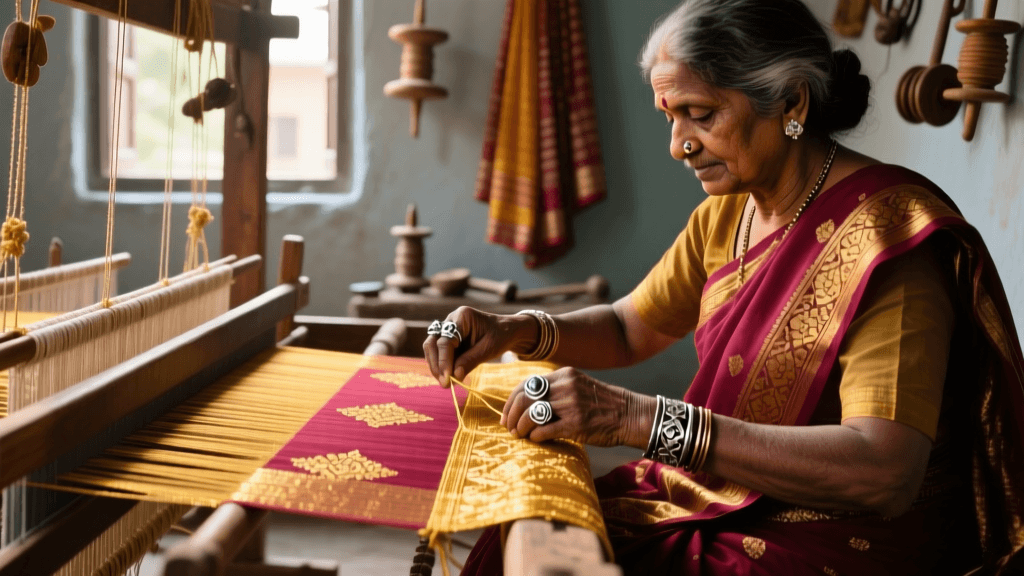
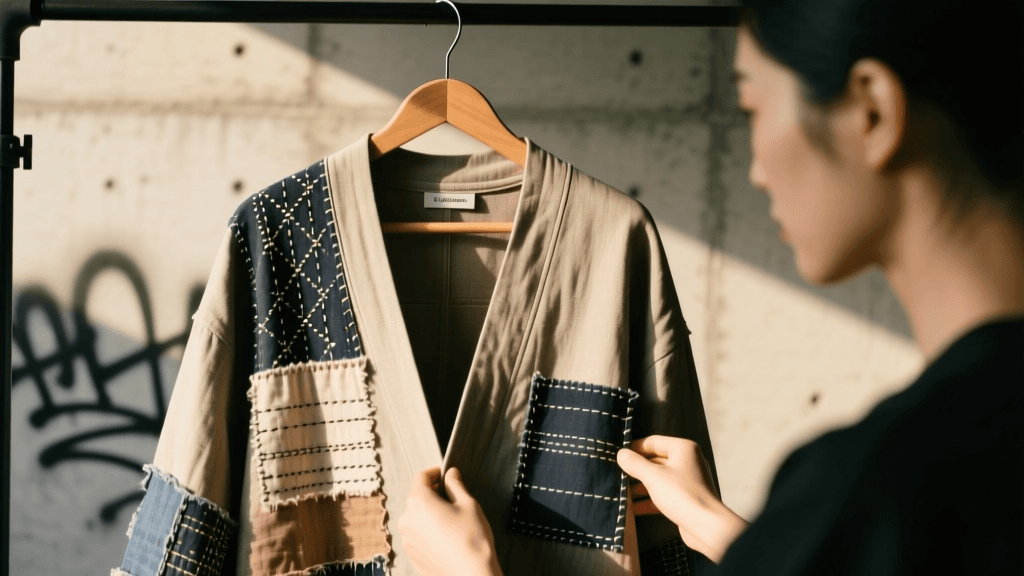
The global fashion landscape in 2026 has fully embraced the philosophy of wabi-sabi, moving away from the mass-produced uniformity of the early 2020s and leaning heavily into the tactile, imperfect beauty of traditional Japanese textiles. Nowhere is this more evident than in the realm of international design collaborations, where Western streetwear giants and luxury houses are partnering directly with Japanese artisans to integrate Sashiko (decorative reinforcement stitching) and Boro (patchwork mending) into modern footwear and outerwear. This is no longer mere aesthetic appropriation; the 2026 market demands authentic artisan compensation, sustainable material sourcing, and historical accuracy.
For collectors, streetwear enthusiasts, and heritage fashion aficionados, navigating this year's releases requires a keen eye for craftsmanship. This comprehensive buyer's guide breaks down the most significant 2026 Sashiko and Boro collaborations, providing actionable advice on authentication, sizing, and garment care.
The Historical Roots and 2026 Sustainability Mandates
To understand the value of these 2026 releases, one must understand the origins of the techniques. Boro, derived from the Japanese term boroboro (meaning tattered or repaired), was born out of necessity in rural Japan during the Edo period. Peasants, forbidden from wearing expensive silks or bright colors, patched together scraps of hemp and cotton, securing them with Sashiko stitching to extend the life of their workwear. Today, institutions like the Victoria and Albert Museum archive these historical garments, highlighting their profound structural ingenuity.
In 2026, these techniques align perfectly with new global sustainability mandates. The European Union's updated textile waste directives have pushed major brands to adopt "circular design" principles. By partnering with Japanese heritage workshops, brands are not only preserving cultural techniques championed by organizations like The Japan Foundation, but also championing the ultimate form of sustainable fashion: visible mending and zero-waste patchwork. Furthermore, the recognition of traditional craftsmanship by entities such as UNESCO Intangible Cultural Heritage has elevated these textile practices from mere manufacturing steps to protected cultural arts.
Top 2026 Sashiko and Boro Collaborations
This year's lineup features highly technical outerwear and meticulously crafted sneakers that bridge the gap between trail-ready performance and gallery-worthy art.
1. Converse x Kapital "Boro-Weave" Chuck 70 Hi (2026 Edition)
Release Price: $285 USD
Key Materials: 14oz Japanese Selvedge Denim, Natural Indigo Dyed Cotton Thread
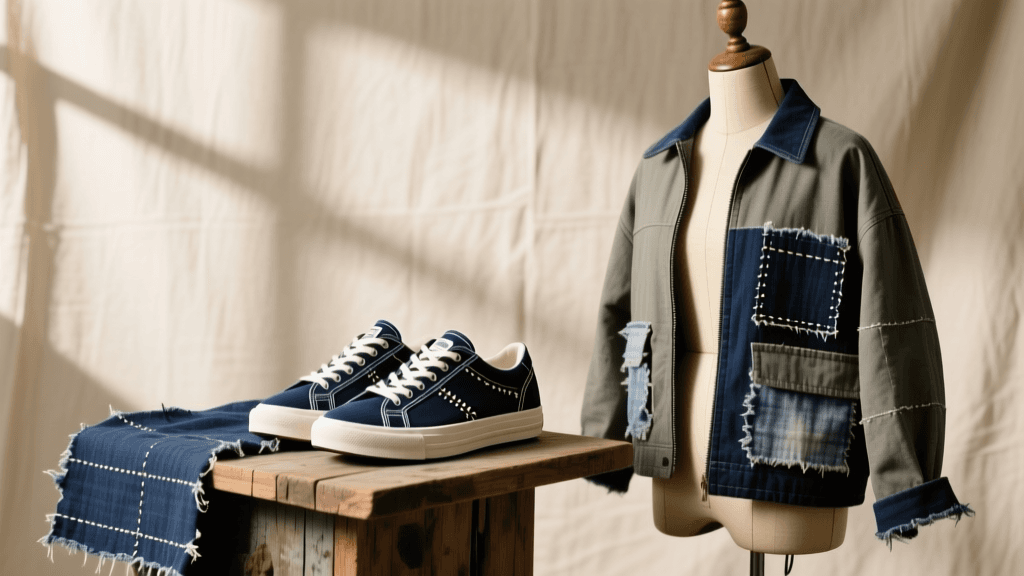
The Details: Kapital's 2026 iteration of the Chuck 70 Hi is a masterclass in modern Boro. The upper is constructed from heavyweight 14oz selvedge denim, featuring hand-applied patchwork sourced from vintage 19th-century Japanese futon covers. The Sashiko stitching is done using natural sukumo (fermented indigo) thread, which will fade uniquely based on the wearer's foot creases. The vulcanized rubber sole features a subtle off-white "aged" tint, and the interior is lined with breathable organic cotton. Only 5,000 pairs were produced globally, each accompanied by a certificate of authenticity signed by the lead artisan in Kurashiki.
2. Nike ACG x White Mountaineering "Sashiko-Trail" Gore-Tex Jacket
Release Price: $650 USD
Key Materials: 3-Layer Gore-Tex Pro, Sashiko-Reinforced Cordura
The Details: Merging high-alpine performance with Edo-period aesthetics, this 2026 outerwear piece is designed for the urban commuter and the mountain trekker alike. The jacket utilizes a 3-layer Gore-Tex Pro membrane for maximum waterproofing, but the high-wear areas—specifically the elbows, shoulders, and cuffs—are reinforced with Cordura nylon panels bound by dense, hand-stitched Sashiko. The stitching density is an impressive 8 stitches per inch, providing genuine structural reinforcement rather than just surface decoration. It features YKK AquaGuard zippers, fully taped seams, and an adjustable hood that accommodates climbing helmets. The deep "Kakishibu" (persimmon tannin) brown dye offers a natural, earthy alternative to standard black technical gear.
3. New Balance x Nonnative "Nishijin-ori" 990v6
Release Price: $320 USD
Key Materials: Nishijin-ori Silk Blends, Premium Pigskin Suede
The Details: While Sashiko and Boro dominate the rugged workwear space, Nonnative's 2026 collaboration with New Balance introduces the elegance of Nishijin-ori (traditional Kyoto silk weaving) to the iconic 990v6 silhouette. The lateral and medial panels feature a custom-woven Nishijin-ori textile that incorporates metallic silver threads, catching the light dynamically during movement. The mudguard and heel counter are wrapped in supple, charcoal-grey pigskin suede. The ENCAP midsole provides the signature New Balance comfort, making this a hybrid sneaker that transitions seamlessly from a Tokyo boardroom to a minimalist art gallery opening.
Buyer’s Guide: Authenticating Hand-Stitched Heritage
As the demand for Japanese heritage fashion has surged in 2026, so has the market for machine-made imitations. Fast-fashion retailers often use computerized embroidery to mimic the look of Sashiko. Here is how to authenticate genuine artisan collaborations:
- Examine the Reverse Side: Authentic hand-stitched Sashiko will show the thread loops and slight tension variations on the "wrong" side of the fabric. Machine embroidery typically uses a bobbin thread that looks flat and uniform, often with a synthetic sheen.
- Check the Stitch Length: Hand-stitching features micro-variations in stitch length (usually between 2mm and 4mm). If every stitch is mathematically identical, it is machine-made.
- Feel the Tension: Genuine Sashiko pulls the fabric slightly, creating a subtle, tactile puckering that gives the garment its structural integrity and unique drape. Machine embroidery lies perfectly flat and stiff.
Comparison Chart: 2026 Heritage Collabs
| Product | Price (USD) | Primary Technique | Best Use Case | Weight/Durability |
|---|---|---|---|---|
| Converse x Kapital Chuck 70 | $285 | Boro Patchwork / Sashiko | Casual Streetwear / Collecting | 14oz Denim (High) |
| Nike ACG x White Mountaineering | $650 | Reinforcement Sashiko | Technical Outerwear / Hiking | Gore-Tex Pro (Extreme) |
| NB x Nonnative 990v6 | $320 | Nishijin-ori Weaving | Smart Casual / Lifestyle | Silk/Suede (Moderate) |
The Zen Philosophy of Visible Mending
Beyond the physical garments, the 2026 collaborations are deeply rooted in Zen spirituality and the concept of Mottainai (a sense of regret concerning waste). Wearing Boro and Sashiko in a modern context is a meditation on impermanence and the beauty of aging. Unlike Western luxury, which often prizes pristine, unblemished condition, Japanese heritage fashion celebrates the patina of use. A frayed cuff or a fading indigo dye is not a defect; it is a record of the wearer's life. This philosophical approach to clothing encourages consumers in 2026 to buy fewer, higher-quality items and to repair them visibly when they tear, transforming damage into art.
Sizing and Styling Actionable Advice
Japanese sizing and silhouettes differ significantly from Western standards. When purchasing these 2026 collaborations, keep the following measurements and styling tips in mind:
Footwear Sizing
Japanese sneaker sizing is measured in centimeters (CM). A general rule for 2026 releases from brands like New Balance and Converse tailored for the Japanese market is to size up by half a centimeter for a comfortable fit, especially with thick selvedge denim uppers that do not stretch.
- US 8 = JP 26.5cm
- US 9 = JP 27.5cm
- US 10 = JP 28.5cm
- US 11 = JP 29.5cm
Outerwear Silhouettes
Japanese outerwear often features a "boxy" or cropped silhouette with dropped shoulders to allow for layering. The Nike ACG x White Mountaineering jacket uses a unisex Japanese sizing scale:
- Size 1 (Small): Chest 42", Length 27" (Best for US XS-S)
- Size 2 (Medium): Chest 44", Length 28" (Best for US M)
- Size 3 (Large): Chest 46", Length 29.5" (Best for US L-XL)
Styling Tip: Let the garment be the focal point. Pair the Boro Chuck 70s with simple, wide-leg olive drab fatigue pants and a plain white heavyweight tee. For the Gore-Tex jacket, layer it over a minimalist merino wool turtleneck to balance the visual complexity of the Sashiko stitching.
Care and Maintenance: Preserving the Craft
Proper care is essential to maintain the integrity of natural dyes and hand-stitching. Never dry-clean Boro or Sashiko garments, as the harsh chemicals will strip the natural indigo and degrade the cotton fibers.
The Golden Rule of Indigo Care: Wash your Sashiko sneakers and outerwear only when absolutely necessary. When you must wash them, turn the garment inside out, use cold water (below 20°C/68°F), and a pH-neutral detergent like baby shampoo or specialized denim wash. Never use a washing machine's spin cycle, and always air dry in the shade. Direct sunlight will cause the natural indigo to oxidize and turn brittle.
If a patch on your Boro footwear or jacket begins to fray in 2026, do not hide it. Embrace the tradition by sourcing a contrasting cotton thread and adding your own running stitches to secure the fabric. This act of visible mending connects you directly to the centuries-old lineage of Japanese textile preservation, ensuring your garment continues to tell its story for decades to come.