2026 Guide to Kimono for Birth, Coming-of-Age & Memorials
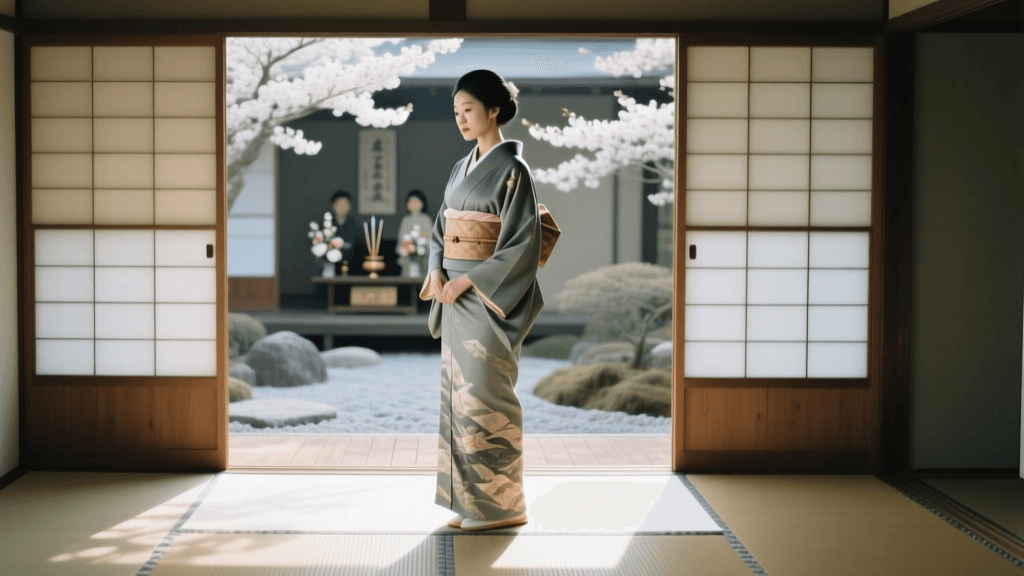
The Tapestry of Life: Kimono in Japanese Family Ceremonies
In Japan, the human life cycle is intimately woven into the art of the kimono. From the first breaths of a newborn to the solemn remembrance of ancestors, traditional garments serve as a visual language of respect, transition, and familial duty. As we navigate 2026, the intersection of ancestral customs and modern sustainability has reshaped how families approach ceremonial dress. While the core rules of kitsuke (kimono dressing) and formality remain steadfast, contemporary sourcing, rental markets, and climate-adaptive fabrics have evolved.
This comprehensive guide explores the specific kimono requirements for Japan’s most pivotal family ceremonies in 2026: birth and shrine visits, the Coming-of-Age milestone, and solemn memorial observances. Whether you are a practitioner of Japanese culture, a textile enthusiast, or planning your own family’s ceremonial wardrobe, understanding the nuanced rules of fabric, crests, and seasonal adaptations is essential.
Welcoming Life: Oshichiya and Miyamairi
The earliest ceremonial milestones in a Japanese child’s life occur within the first month after birth. On the seventh day, families celebrate Oshichiya, the naming ceremony, often marking the occasion with formal family portraits. However, the most significant public and spiritual debut is Miyamairi, the baby’s first shrine visit, typically held between 30 and 33 days after birth.
For the infant, the traditional garment is the ubugi, a pristine white silk kimono symbolizing purity and new beginnings. In 2026, many families opt for vintage or sustainably sourced silk ubugi adorned with auspicious motifs like cranes, turtles, or pine trees, which are hand-painted or embroidered on the back panel. The baby is held in the arms of the mother or grandmother, who acts as the primary presenter to the Shinto deity.
Mothers attending Miyamairi traditionally wear a homongi (visiting kimono) or an iromuji (solid-colored kimono) featuring one to three family crests (kamon). Because postpartum recovery is still ongoing, modern 2026 trends see many mothers utilizing specialized two-piece kimono sets that offer the formal appearance of a homongi but with the comfort and ease of modern maternity-friendly tailoring. Fathers typically wear a formal montsuki hakama (a crested black kimono with pleated trousers) or a conservative Western suit. According to experts detailing Shinto shrine customs and Miyamairi, it is customary to offer a prayer fee (hatsuhoryo) to the shrine, and dressing formally shows the utmost respect to the resident kami (spirits) protecting the child.
Seijin-shiki 2026: The Coming-of-Age Milestone
Held annually on the second Monday of January, Seijin no Hi (Coming-of-Age Day) is a vibrant celebration of youth transitioning into adulthood. Under the current legal adulthood framework observed in 2026, municipalities have adapted their ceremonies to honor young adults, making it one of the most significant events in the Japanese ceremonial calendar.
For young women, the undisputed garment of the day is the furisode, characterized by its dramatic, floor-sweeping sleeves. The length of the sleeve denotes the highest level of unmarried female formality. In 2026, the rental market for furisode is highly competitive, with young adults booking their fittings up to a year in advance. Contemporary designs are seeing a resurgence of bold, retro Taisho-era patterns alongside modern digital-printing techniques that allow for hyper-personalized, vibrant motifs. Essential accessories include the zori (formal sandals), tabi (split-toe socks), and an elaborately tied fukuro obi.
For young men, the traditional choice is the montsuki hakama, featuring a black silk kimono adorned with five white family crests, paired with a stiff, striped hakama. While Western suits have become common, 2026 has seen a notable revival in young men embracing traditional hakama, driven by a broader cultural interest in heritage crafts and artisanal textile preservation. For a deeper look into the history and modern execution of these events, resources on Coming of Age Day (Seijin no Hi) traditions highlight how cities across Japan blend ancient rites with contemporary civic celebrations.
2026 Seijin-shiki & Ceremony Pricing and Planning Table
Understanding the financial and logistical commitment of ceremonial kimono is crucial for families. The table below outlines the average market rates and timelines for 2026.
| Ceremony | Primary Garment | 2026 Avg. Rental Cost | 2026 Avg. Purchase Cost | Booking Lead Time |
|---|---|---|---|---|
| Miyamairi (Baby) | Ubugi (White Silk) | ¥15,000 - ¥25,000 | ¥80,000 - ¥150,000 | 1 - 2 Months |
| Seijin-shiki (Women) | Furisode (Long Sleeve) | ¥40,000 - ¥80,000 | ¥300,000 - ¥800,000+ | 6 - 12 Months |
| Seijin-shiki (Men) | Montsuki Hakama | ¥20,000 - ¥35,000 | ¥150,000 - ¥300,000 | 3 - 6 Months |
| Mourning (Funeral) | Mofuku (5-Crest Black) | ¥15,000 - ¥30,000 | ¥200,000 - ¥400,000 | Immediate / 1 Week |
| Memorial (3rd/7th) | Iromuji (1-3 Crest) | ¥20,000 - ¥40,000 | ¥120,000 - ¥250,000 | 1 - 2 Months |
Honoring the Departed: Memorials and Mourning
At the opposite end of the life cycle, Japanese mourning and memorial customs demand the strictest adherence to kimono etiquette. Funerals (ososhiki) and subsequent memorial services (hoyo, such as the 49th day, 1st, 3rd, and 7th anniversaries) require garments that project solemnity, humility, and respect for the deceased.
For immediate family members at a funeral, the mandatory garment is the mofuku. This is a deeply dyed, matte black silk kimono bearing five family crests (itsutsumon). The crests are placed on the center back, the back of the sleeves, and the front chest. Every accessory must align with the mourning code: the obi is a matte black woven silk, the obijime (cord) is black and white, and the zori sandals are plain black with white straps. Jewelry is strictly forbidden, save for a single strand of white pearls or a simple jade necklace, which are believed to ward off evil spirits.
As time passes and the family transitions from deep mourning to remembrance, the dress code softens. For the 3rd and 7th anniversary memorials, or during the summer Obon festival when ancestors' spirits are believed to return, women transition to an iromuji (a solid-colored kimono in subdued tones like navy, charcoal, or dark plum) bearing one to three crests. Men may wear a dark, uncrested kimono with a subdued hakama. Detailed guidelines on Japanese funeral and mourning etiquette emphasize that the level of formality and darkness of the garment must always correspond to the attendee's closeness to the deceased, ensuring that immediate family remains the most somberly dressed.
The Rules of Kamon (Family Crests) and Formality
Across all these ceremonies, the kamon (family crest) serves as the ultimate arbiter of formality. In 2026, while many young adults renting furisode for Coming-of-Age Day opt for crestless, purely decorative designs, ceremonial events like weddings, Miyamairi, and memorials still heavily rely on crest placement.
- Five Crests (Itsumon): The highest level of formality. Used exclusively for mofuku (mourning) and the most formal bridal or immediate-family wedding attire.
- Three Crests (Mitsumon): Placed on the center back and back of the sleeves. Standard for homongi worn by mothers at Miyamairi or formal tea ceremonies.
- One Crest (Hitotsumon): Placed only on the center back. Common for iromuji worn to later-year memorials or graduation ceremonies.
For families who do not have a registered family crest, or for international practitioners of Japanese arts, 2026 has seen a rise in the use of tsukimon (seasonal crests) or generic auspicious crests like the kiri (paulownia) or fuji (wisteria) applied via modern, washable decal techniques for rental garments.
2026 Sourcing, Climate Adaptations, and Sustainability
The kimono industry in 2026 is highly responsive to both environmental concerns and shifting climate realities. Summer memorials during Obon (August) are notoriously hot and humid. To combat this, the use of ro and sha (sheer, leno-weave silk) mourning garments has become standard for summer funerals and memorials. Furthermore, modern cooling undergarments made from advanced moisture-wicking synthetic blends are now widely worn beneath traditional silk to prevent heatstroke during outdoor shrine visits or cemetery cleanings.
Sustainability is also reshaping the market. While purchasing brand-new, hand-dyed Yuzen silk remains a prestigious investment, a thriving 2026 market for upcycled and vintage ceremonial kimono allows families to honor traditions without the steep environmental and financial costs of new production. Many specialty boutiques now offer professional cleaning, re-dyeing, and crest-application services for inherited garments, allowing a grandmother’s iromuji to be respectfully worn by a granddaughter at a family memorial.
Conclusion
The kimono is far more than a beautiful textile; it is a living archive of a family’s history and a marker of life’s most profound transitions. Whether wrapping a newborn in the pure white silk of an ubugi, celebrating a young adult’s future in a vibrant furisode, or honoring a loved one’s memory in the quiet dignity of mofuku, the garments we choose speak volumes before a single word is uttered. By understanding the rules of formality, seasonal adaptations, and modern sourcing options available in 2026, families can navigate these sacred milestones with grace, respect, and cultural authenticity.