Top Chinese Natural Dye Plants for Eco-Fashion 2026
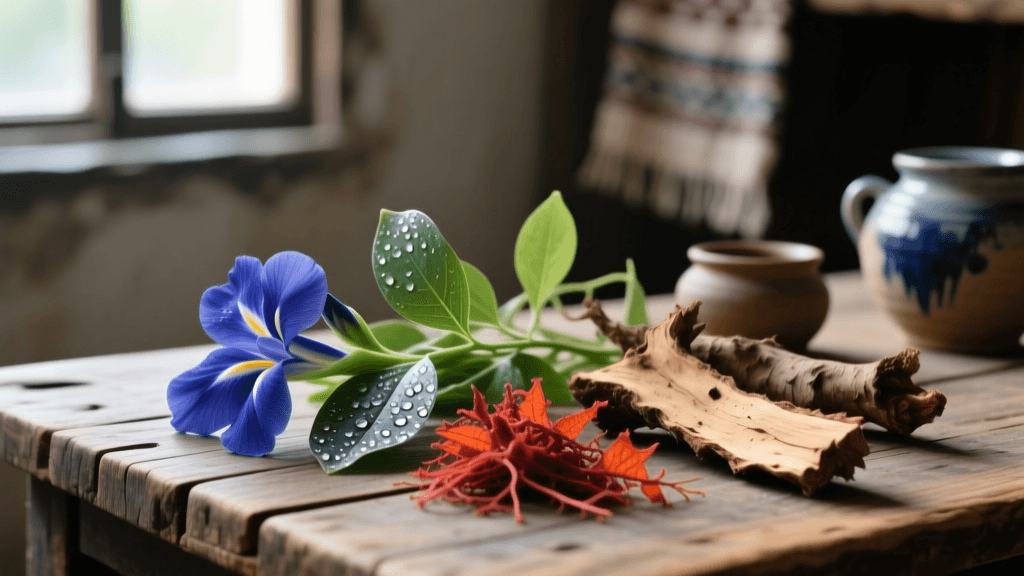
The Renaissance of Cao Mu Ran in 2026
As the global fashion industry faces stringent environmental regulations in 2026, the ancient Chinese art of Cao Mu Ran (plant dyeing) has transitioned from a niche heritage craft to a cornerstone of scalable, eco-friendly textile production. Synthetic azo dyes, which historically accounted for massive water pollution and heavy metal contamination, are being rapidly phased out by leading sustainable brands. In their place, traditional Chinese natural dye plants offer a vibrant, biodegradable, and culturally rich alternative. According to recent circular economy reports by the Ellen MacArthur Foundation, the integration of botanical dyes paired with closed-loop water systems has reduced dyeing effluent toxicity by over 85% in pilot facilities across Asia this year.
At The Garment Atlas, we are tracking the most effective, colorfast, and sustainable Chinese botanical dyes dominating the eco-fashion sector in 2026. This guide explores the 'Big Three' plants, modern bio-extraction techniques, and actionable protocols for achieving brilliant, lasting hues without harming the planet.
The Big Three: Essential Chinese Natural Dye Plants
1. Polygonum tinctorium (Chinese Indigo / Lan Cao)
While indigo is used globally, Polygonum tinctorium is the traditional Chinese source of deep, resilient blues. Unlike tropical indigofera, Lan Cao thrives in temperate climates and has seen a massive revival in provinces like Guizhou and Yunnan. The active compound, indigotin, is not water-soluble in its natural state and requires a reduction vat to dye fibers.
2026 Innovation: Historically, reduction vats relied on harsh chemicals like sodium dithionite (hydrosulfite). Today, eco-friendly dye houses utilize fructose-based bio-vats. By combining organic fructose, calcium hydroxide (slaked lime), and a controlled temperature of 50°C, dyers achieve a fully reduced, chemical-free indigo vat. This method preserves the aquatic ecosystems surrounding dye workshops and yields a remarkably soft, complex blue that ages beautifully on organic cotton and hemp.
2. Rubia cordifolia (Chinese Madder / Qian Cao)
Chinese Madder, known as Qian Cao, is prized for its rich reds, terracottas, and soft pinks. The primary dye compounds, alizarin and purpurin, are extracted from the dried roots of the plant. In traditional Chinese medicine and textile arts, Qian Cao has been used for millennia.
Extraction Protocol: Temperature control is critical. If the dye bath exceeds 65°C, the yellow-brown compounds in the root will overpower the red alizarin, resulting in a muddy orange. Modern sustainable studios in 2026 use solar-thermal vats equipped with precise digital thermostats to hold the bath exactly at 60°C for 45 minutes. This ensures maximum red yield while minimizing energy consumption. When paired with a plant-based mordant, Qian Cao produces a vibrant, wash-fast crimson that rivals synthetic alternatives.
3. Sophora japonica (Pagoda Tree / Huai Hua)
The unopened flower buds of the Pagoda Tree, known as Huai Mi, are the premier source of brilliant, lightfast yellows and olive greens in the Chinese dye palette. The active flavonoid, rutin, extracts easily in hot water and has a natural affinity for protein fibers like silk, as well as cellulose fibers when properly mordanted.
Sustainability Edge: Huai Hua is a byproduct of urban landscaping and traditional medicine harvesting in China. The buds are collected before they bloom, ensuring the tree's reproductive cycle isn't entirely disrupted, and the extraction process requires only boiling water—no complex fermentation or chemical reduction. It is widely considered one of the most energy-efficient natural dyes available to modern textile artisans.
Comparative Analysis: Yield, Fastness, and Footprint
To help designers and dyers choose the right botanical for their 2026 collections, we have compiled a comparison of these three foundational plants based on current eco-textile standards.
| Plant (Common / Pinyin) | Botanical Name | Primary Color Yield | Lightfastness (1-8) | Water Footprint (L/kg fiber) | Recommended Bio-Mordant |
|---|---|---|---|---|---|
| Chinese Indigo (Lan Cao) | Polygonum tinctorium | Deep Blue / Navy | 7 | 12 (Closed-loop vat) | None required (Vat dye) |
| Chinese Madder (Qian Cao) | Rubia cordifolia | Crimson / Terracotta | 6 | 25 | Myrobalan / Pomegranate Rind |
| Pagoda Tree (Huai Hua) | Sophora japonica | Bright Yellow / Olive | 6 | 18 | Symplocos (Alum-accumulating plant) |
Eco-Friendly Mordanting: Moving Beyond Heavy Metals
Historically, natural dyeing relied heavily on metallic salts like aluminum sulfate (alum), copper, and tin to bind the dye to the fiber. While alum is relatively safe, copper and tin are highly toxic to aquatic life. In 2026, the UN Environment Programme has heavily advocated for the elimination of heavy metal mordants in global supply chains.
The modern Cao Mu Ran practitioner now utilizes bio-mordants—plants rich in tannins or naturally accumulating aluminum from the soil. Two standout bio-mordants include:
- Symplocos (Loranthus): A parasitic plant that naturally hyper-accumulates aluminum from its host tree. Grinding the dried leaves and stems provides a highly effective, 100% plant-based alum substitute that yields bright, clear colors without synthetic salts.
- Pomegranate Rind (Shi Liu Pi): Rich in hydrolyzable tannins, pomegranate rind acts as both a mordant and a secondary dye source. It creates a strong bridge between cellulose fibers (like cotton and linen) and dye molecules, particularly enhancing the depth of madder reds and indigo over-dyes.
Step-by-Step Sustainable Dyeing Process (2026 Standard)
Whether you are a boutique designer or a textile student, adhering to a standardized, eco-friendly protocol ensures colorfastness and environmental safety. Below is the optimized workflow for dyeing organic cotton with Huai Hua (Pagoda Tree) using a Symplocos bio-mordant.
Step 1: Scouring (Preparation)
Natural fibers contain waxes, pectins, and oils that repel water-based dyes. Scour the cotton using a pH-neutral, biodegradable bio-enzyme detergent at 60°C for 45 minutes. Rinse thoroughly. Never use synthetic soda ash if aiming for strict organic certifications.
Step 2: Bio-Mordanting
Calculate the Weight of Fiber (WOF). For 1kg of dry cotton, use 200g of dried, powdered Symplocos leaves. Simmer the Symplocos in 20 liters of water for one hour. Strain the liquid, add the scoured, wet cotton, and hold at 70°C for 60 minutes. Let the fiber cool in the bath overnight to maximize tannin and aluminum absorption.
Step 3: Dye Extraction
Use 300g of dried Huai Mi (Pagoda buds) per 1kg of fiber. Steep the buds in hot water (80°C) for two hours. The water will turn a vibrant, fluorescent yellow-green. Strain the dye liquor through a fine mesh filter to remove plant particulate, ensuring an even dye application.
Step 4: The Dye Bath
Enter the mordanted, wet cotton into the Pagoda dye bath. Slowly raise the temperature to 80°C and maintain it for 45 minutes, stirring gently with a wooden paddle to prevent uneven spotting. Turn off the heat and allow the fabric to cool completely in the dye liquor. This slow cooling process is vital for molecular bonding.
Step 5: Oxidation and Washing
Remove the fabric and expose it to air. The yellow will initially look pale but will deepen and 'bloom' as it oxidizes. Rinse in cool, pH-neutral water until the runoff is clear. Line dry in the shade; direct UV exposure during the initial drying phase can cause uneven fading.
Sourcing, Certifications, and the Future
As demand for traceable, regenerative textiles grows, sourcing authentic Chinese natural dyes requires diligence. In 2026, leading eco-fashion brands are partnering directly with agricultural cooperatives in Yunnan and Guizhou, ensuring fair trade practices and preventing the over-harvesting of wild flora. Organizations like the Textile Exchange have introduced new tracking standards that allow consumers to scan a QR code on a garment and view the exact farm where the Rubia cordifolia or Polygonum tinctorium was cultivated.
Furthermore, the integration of ultrasonic extraction technology in larger dye houses has reduced the water and energy required to pull pigments from tough roots and bark by nearly 40%. This fusion of ancient botanical wisdom and cutting-edge green technology proves that traditional Asian dyeing methods are not merely relics of the past, but the blueprint for the future of sustainable fashion.
Conclusion
The transition to Chinese natural dye plants like Lan Cao, Qian Cao, and Huai Hua represents a profound shift toward ecological harmony in textile production. By embracing bio-vats, plant-based mordants, and precise thermal controls, the fashion industry in 2026 is proving that vibrant, luxurious colors do not have to come at the expense of the earth. Whether you are dyeing silk scarves at home or sourcing yardage for a global label, the legacy of Cao Mu Ran offers a sustainable, beautiful path forward.