Ceremonial vs Everyday Hanbok: 2026 Styling & Fabric Guide
The Resurgence of Korean Traditional Dress in 2026
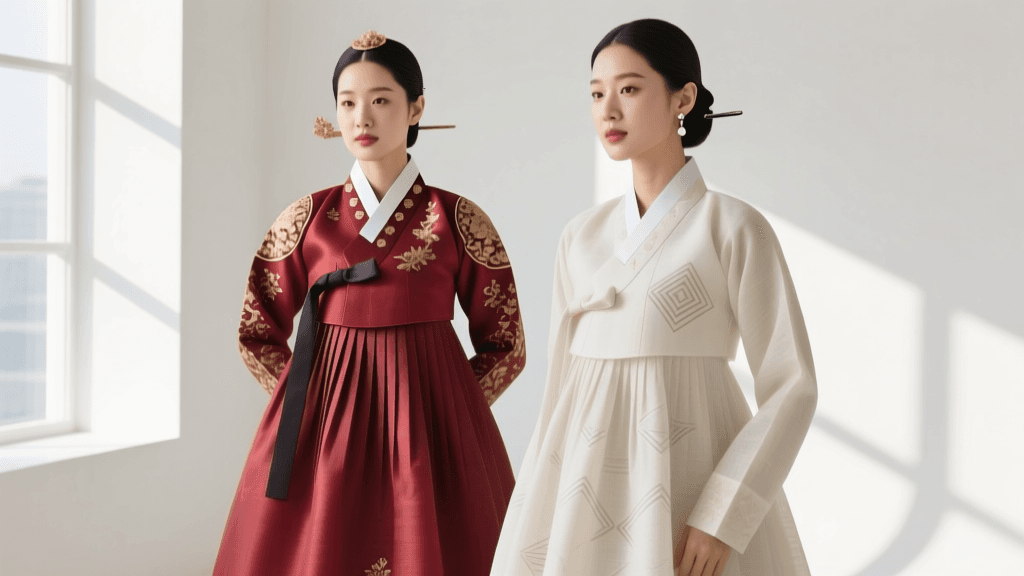
When discussing Asian traditional garments in 2026, few pieces capture the dynamic intersection of heritage and modernity quite like the Korean hanbok. Once reserved strictly for major holidays and historical dramas, the hanbok has undergone a massive renaissance over the last decade. Today, the market is distinctly divided into two primary categories: the opulent, structurally complex ceremonial hanbok (often referred to in the context of Myeongjeol or major holidays and weddings) and the streamlined, highly practical everyday hanbok (known as Saenghwal Hanbok).
As we navigate the fashion landscape of 2026, understanding the nuances between these two styles is essential for anyone looking to invest in, wear, or study Korean traditional dress. From the luxurious drape of traditional silk to the sustainable, machine-washable blends favored by Seoul's modern youth, this guide breaks down the construction, textiles, and styling rules that define ceremonial and everyday hanbok today.
Ceremonial Hanbok: Preserving the Myeongjeol Legacy
Ceremonial hanbok is designed to make a statement. Worn during Chuseok (Korean Thanksgiving), Seollal (Lunar New Year), traditional weddings (Gwanhonnebok), and first birthday celebrations (Doljanchi), these garments prioritize historical accuracy, voluminous silhouettes, and luxurious textiles over everyday convenience.
Silhouette and Construction
The defining feature of a ceremonial women's hanbok is the dramatic, bell-shaped silhouette. The chima (skirt) is cut from an immense amount of fabric—often exceeding four meters in circumference—gathered tightly at a high waistband that sits just below the bust. This creates a sweeping, regal profile. The jeogori (jacket) is traditionally cropped short, with curved sleeves (baerae) that mimic the gentle slope of a traditional hanok roof.
For men, the ceremonial ensemble involves layering. A basic jeogori and baji (trousers) are layered beneath a durumagi (overcoat) or a jangsam for highly formal rites. The voluminous trousers are tied at the ankle with daenim (leg bands), ensuring a clean line when wearing traditional woven shoes.
Textiles and Embellishments
In 2026, authentic ceremonial hanbok heavily relies on Myeongju (traditional Korean silk) and rich brocades. The silk is prized for its subtle, natural luster and its ability to hold vibrant, saturated dyes. You will frequently see the use of Obangsaek—the traditional five-color spectrum (blue, red, yellow, white, and black) representing cosmic balance—especially in children's holiday wear or bridal sleeves.
Embellishments are intricate and symbolic. Gold leaf stamping (geumbak) is often applied to the chest and sleeves of bridal jeogori, featuring motifs of peonies for wealth or cranes for longevity. The goreum (the long, flowing chest ties used to fasten the jacket) are exceptionally long and wide in ceremonial wear, serving as a major visual anchor for the outfit.
Everyday Hanbok: The Saenghwal Revolution
Saenghwal Hanbok translates roughly to 'living hanbok' or 'daily hanbok.' This category has exploded in popularity, transforming traditional dress into viable streetwear, office attire, and cafe-hopping fashion. The 2026 everyday hanbok movement is defined by minimalism, comfort, and a seamless integration with contemporary wardrobes.
Silhouette and Construction
To accommodate modern lifestyles, the everyday hanbok drastically alters the traditional silhouette. The chima is significantly narrowed, often featuring an A-line or pleated midi-cut that prevents the skirt from catching on subway doors or dragging on wet pavement. Many modern skirts incorporate hidden side pockets—a massive demand from consumers in the 2020s—and utilize discreet zippers or elastic waistbands instead of complex fabric ties.
The jeogori is elongated to cover the waistband of the skirt, providing more modesty and warmth. The dramatic curved sleeves are narrowed to a straight, tailored cut, allowing the wearer to type on a keyboard or wash hands without rolling up yards of silk. The long goreum ties are frequently replaced by short, decorative knots, hidden snap buttons, or even minimalist hook-and-eye closures.
Textiles and Embellishments
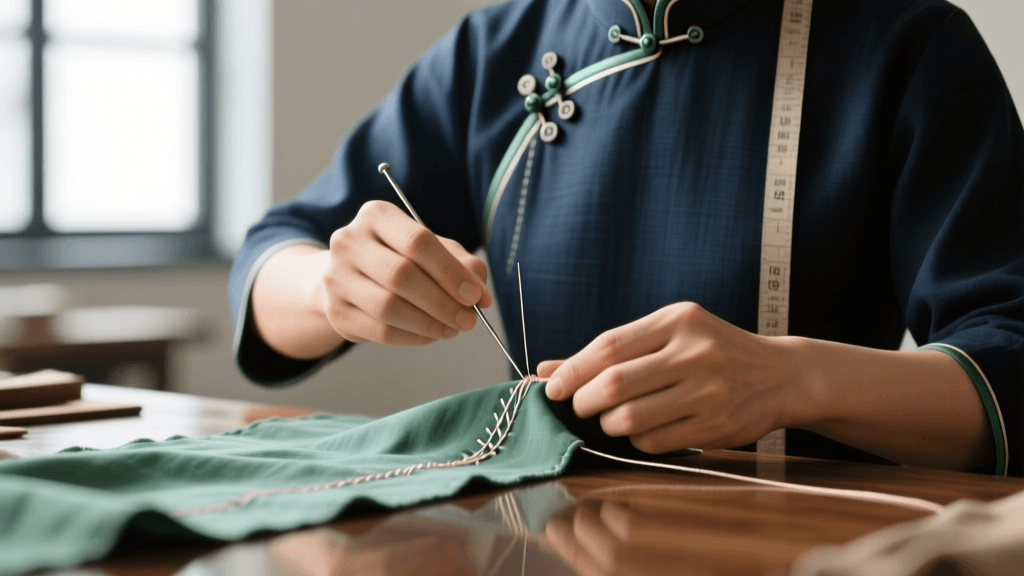
While silk remains the gold standard for formal wear, everyday hanbok embraces practical, sustainable, and breathable fabrics. High-quality cotton, linen, and Tencel blends dominate the 2026 market. These fabrics drape beautifully but can withstand machine washing and frequent wear. Patterns have also shifted; instead of heavy gold leaf or complex brocades, everyday hanbok features subtle jacquard weaves, delicate floral prints, or solid, muted tones like sage green, dusty rose, and charcoal grey.
Ceremonial vs. Everyday Hanbok: 2026 Comparison Chart
To help you decide which style suits your needs, here is a detailed comparison of the two categories based on current 2026 market standards.
| Feature | Ceremonial Hanbok (Myeongjeol) | Everyday Hanbok (Saenghwal) |
|---|---|---|
| Primary Use | Weddings, Lunar New Year, Chuseok, Rites | Daily wear, office, dining, casual travel |
| Skirt (Chima) Volume | Extremely voluminous, floor-sweeping | Narrow A-line, midi or ankle-length |
| Fasteners | Long, wide Goreum (fabric ties) | Zippers, elastic, snap buttons, short ties |
| Textiles | Silk (Myeongju), Brocade, Ramie | Cotton, Linen, Tencel, Poly-blends |
| Pockets | Rare (relies on separate pouch bags) | Common (hidden side seams in skirts) |
| Care & Maintenance | Professional dry clean only | Machine washable (gentle cycle) |
| 2026 Price Range | ₩400,000 – ₩2,500,000+ ($300 - $1,900+) | ₩80,000 – ₩250,000 ($60 - $190) |
Textile Deep Dive: The Magic of Ramie and Silk
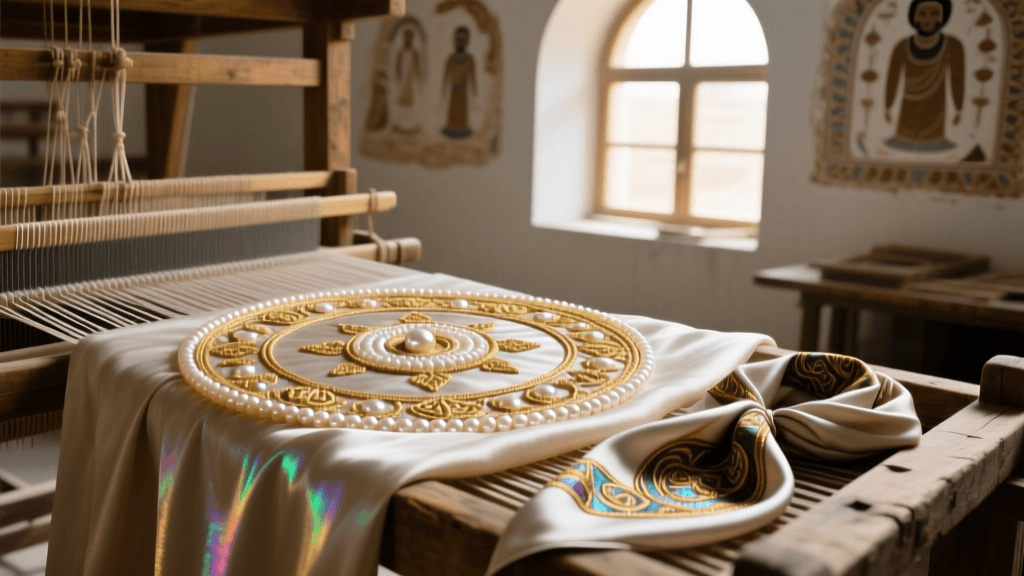
The choice of fabric is the most critical differentiator between ceremonial and everyday wear. For summer ceremonies, mosi (ramie) is the undisputed king of Korean textiles. Recognized globally for its cultural significance, the UNESCO Intangible Cultural Heritage list for Hansan Ramie weaving highlights the painstaking, multi-step process required to transform the ramie plant into a fabric that is stiff, translucent, and incredibly cooling. A high-grade Hansan ramie ceremonial hanbok is a wearable investment piece, prized for its crisp drape and glass-like sheen.
Conversely, the everyday hanbok market in 2026 has seen a surge in eco-conscious textiles. Brands in Seoul's Bukchon and Ikseon-dong neighborhoods are increasingly utilizing organic cotton and Tencel (lyocell) to create everyday skirts that mimic the flow of silk but offer the breathability and easy care of modern activewear. According to exhibitions and archives maintained by institutions like the National Folk Museum of Korea, the adaptation of traditional weaving techniques to accommodate modern, sustainable fibers is a key focus of contemporary Korean textile artisans.
Modern Styling and Accessories in 2026
Styling a hanbok correctly requires understanding the boundary between ceremonial and everyday accessories.
- Footwear: Ceremonial wear demands traditional hwa (silk shoes with upturned toes) or embroidered kkotsin. For everyday wear, styling has become highly eclectic. In 2026, it is incredibly common to pair a cotton saenghwal hanbok skirt with crisp white sneakers, leather loafers, or even ankle boots in the winter.
- Undergarments: The ceremonial silhouette requires specific foundational layers, such as the sokchima (slip skirt) and mujigi (layered petticoats) to achieve the iconic bell shape. Everyday hanbok eliminates the need for bulky petticoats, relying instead on the natural drape of the fabric and modern slip shorts.
- Outerwear: During the colder months, ceremonial wear is paired with a durumagi (traditional overcoat). Everyday hanbok enthusiasts often layer their jeogori under modern wool trench coats or oversized knit cardigans, blending East and West seamlessly.
- Hair and Jewelry: Ceremonial styling often involves intricate braids adorned with daenggi (ribbons) and the wearing of norigae (ornamental pendants tied to the goreum or waistband). Everyday styling favors minimalist jewelry—small pearl studs or delicate gold chains—and simple, modern hairstyles.
Garment Care and Preservation
Proper care ensures the longevity of these garments. Ceremonial silk and ramie must never be exposed to water or harsh detergents, as this will destroy the fabric's natural stiffness and luster. Always seek a dry cleaner experienced in handling traditional Asian garments, and store the pieces flat or rolled in acid-free tissue paper to prevent permanent creasing along the fold lines.
Everyday cotton and Tencel hanbok are remarkably resilient. Wash them on a gentle cycle in cold water using a neutral pH detergent. Avoid the tumble dryer; instead, hang the skirts by the waistband in a shaded, well-ventilated area. The natural weight of the wet fabric will pull out most wrinkles, eliminating the need for heavy ironing. If ironing is required, use a low-heat steam setting to preserve the integrity of the fibers.
Conclusion
The dichotomy between ceremonial and everyday hanbok in 2026 is not a story of replacement, but of expansion. The ceremonial hanbok remains a vital, protected vessel of Korean history, utilizing ancient weaving techniques and symbolic colors to mark life's most profound milestones. Meanwhile, the everyday saenghwal hanbok proves that traditional dress can evolve, adapting to the rhythms of modern life without losing its inherent grace. Whether you are investing in a bespoke silk gown for a wedding or purchasing a breathable cotton skirt for a weekend in Seoul, understanding these distinctions allows you to wear the hanbok with both respect and contemporary flair.