2026 Guide: Japanese Sashiko & Boro Luxury Fashion Collabs
The Evolution of Japanese Heritage in 2026 Global Fashion
As we navigate the 2026 fashion calendar, the intersection of traditional Japanese craftsmanship and international luxury streetwear has reached an unprecedented zenith. No longer confined to niche heritage menswear circles, Edo-period textile arts are now the focal point of high-profile collaborative capsules between European luxury houses and Japanese artisan cooperatives. This year, the global fashion industry's pivot toward radical sustainability and slow fashion has elevated functional, historically rich techniques into highly coveted luxury commodities.
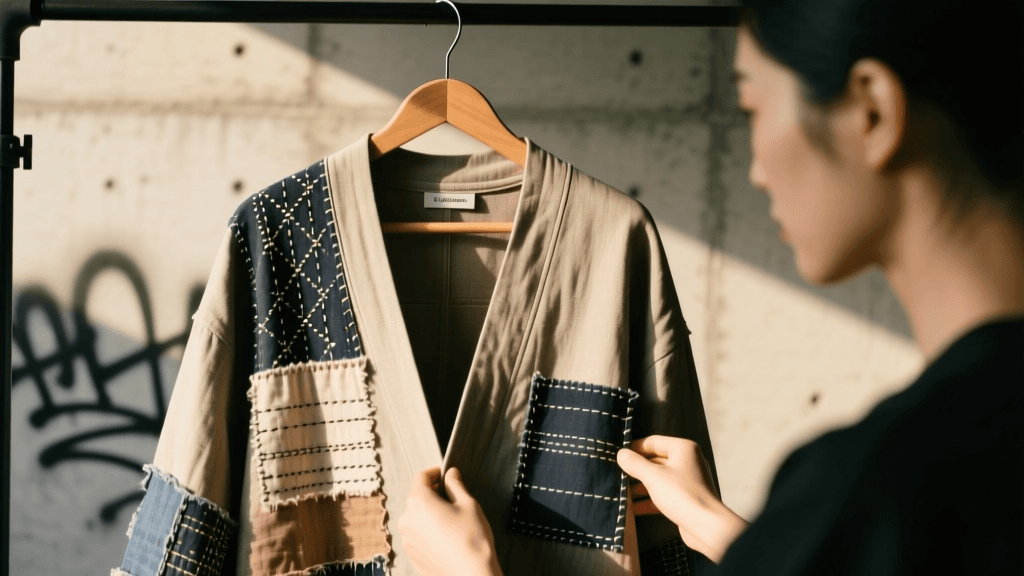
At the forefront of this movement are Sashiko (decorative reinforcement stitching) and Boro (patchwork mending). Once born out of peasant necessity in rural Japan, these methods are now being recontextualized on the runways of Paris and Tokyo. In 2026, international design collaborations are not merely appropriating these aesthetics; they are engaging in direct, equitable partnerships with multi-generational artisans in prefectures like Aomori and Okayama, resulting in garments that command prices upwards of $4,500.
Sashiko and Boro: From Peasant Necessity to Luxury Staple
To understand the gravity of these 2026 collaborations, one must understand the historical weight of the textiles involved. According to historical textile archives, Sashiko originated as a functional reinforcement technique used by working-class Japanese communities to quilt layers of cotton and hemp together, increasing both warmth and durability. The running stitch, characterized by its deliberate, rhythmic imperfection, transforms utilitarian repair into a geometric art form.
Similarly, the philosophy of Boro translates literally to 'tattered rags.' It represents the ultimate manifestation of mottainai (a sense of regret concerning waste). In historical contexts, garments were patched endlessly with whatever scrap fabrics were available, creating dense, heavily textured, and deeply personal garments. Today, luxury streetwear brands are utilizing the Boro aesthetic to challenge the disposable nature of modern fast fashion, offering 2026 consumers garments that are designed to age, fray, and evolve over decades of wear.
2026 Luxury Streetwear Collaborations: A Comparative Breakdown
The 2026 market is currently saturated with both authentic heritage collaborations and mass-market imitations. For collectors and enthusiasts, distinguishing between a genuine artisanal partnership and a factory-printed facsimile is critical. Below is a comparative analysis of the current market landscape.
| Feature | Authentic 2026 Heritage Collab | Mass-Market Fast Fashion Imitation |
|---|---|---|
| Stitching Method | 100% Hand-stitched using traditional bamboo thimbles and specialized Sashiko needles. | Machine-embroidered or digitally printed Sashiko patterns on single-layer fabric. |
| Fabric Base | Vintage or custom-milled selvedge denim and hand-woven Okayama hemp. | Thin, synthetic-blend twill or standard commercial cotton. |
| Indigo Dye Process | Natural Aizome (fermented indigo) requiring weeks of vat dipping. | Synthetic indigo or chemical sulfur dyes applied in a single wash. |
| 2026 Price Range | $1,200 – $5,500+ (Jackets/Noragi) | $85 – $250 |
| Durability & Patina | Generational lifespan; fades beautifully and molds to the wearer's body. | Degrades within 2-3 seasons; stitching unravels; color bleeds artificially. |
Material Sourcing: The 2026 Standard for Authentic Aizome and Hemp
A defining characteristic of the most successful 2026 international collaborations is the uncompromising approach to material sourcing. Top-tier European streetwear labels are now importing raw materials directly from Japan's remaining heritage mills. Traditional Aizome dyeing relies on fermented Polygonum tinctorium (Japanese indigo plant). The fermentation process, managed by master dyers known as Aishi, creates a living dye vat that possesses natural antibacterial properties and a distinct, earthy aroma.
In 2026, collaborative capsules frequently feature a blend of vintage hemp (asa) sourced from decommissioned agricultural tarps and modern heavyweight selvedge denim. This juxtaposition provides the structural integrity required for contemporary streetwear silhouettes—such as oversized tech-wear anoraks and wide-leg trousers—while maintaining the historical soul of the Boro tradition.
Actionable Guide: How to Authenticate 2026 Heritage Collaborations
With the secondary market for Japanese heritage fashion booming in 2026, buyers must exercise due diligence. Here is a practical checklist for authenticating Sashiko and Boro collaborative pieces:
- Examine the Reverse Side: True hand-stitched Sashiko is reversible. The reverse side should display a neat, continuous running stitch pattern. Machine embroidery will show messy bobbin threads and jump-stitch cuts.
- The Smell Test: Authentic natural Aizome indigo has a faint, earthy, fermented scent, especially when exposed to steam or moisture. Synthetic indigo smells distinctly of chemicals or has no odor at all.
- Check the Layering: Boro and Sashiko are inherently quilting techniques. Run your hand across the fabric; you should feel distinct layers of cloth stitched together, not just a single piece of fabric with decorative thread on top.
- Verify Artisan Provenance: Legitimate 2026 collaborations will include detailed provenance tags, often naming the specific artisan cooperative, the prefecture of origin (e.g., Aomori, Tokushima), and the number of hours spent on the hand-stitching.
Styling Sashiko Streetwear in 2026
Integrating heavy, textured heritage pieces into a modern wardrobe requires a balanced approach. In 2026, the prevailing styling ethos leans into 'Wabi-Sabi' minimalism. A heavily patched, indigo-dyed Noragi jacket is best treated as the statement centerpiece of an outfit. Pair it with contemporary, unstructured technical trousers in muted tones like charcoal, olive, or stone. Avoid competing patterns; the intricate geometry of Hitomezashi (single-stitch Sashiko) provides more than enough visual complexity. Footwear should remain grounded—chunky, hand-welted leather boots or minimalist vulcanized sneakers bridge the gap between Edo-period workwear and modern urban utility.
The Sustainability Paradigm: Mottainai in Modern Design
Beyond aesthetics, the integration of Boro into international design collaborations represents a vital philosophical shift. The concept of mottainai directly challenges the planned obsolescence that has plagued the global apparel industry. By investing in a $3,000 hand-stitched collaborative jacket, consumers are participating in a circular fashion economy. These garments are designed to be repaired, re-patched, and passed down, effectively rejecting the notion that clothing has an expiration date.
'The beauty of Boro is not in its perfection, but in its survival. When a luxury house embraces this, they are not just selling a garment; they are selling a commitment to time itself.' — 2026 Textile Heritage Symposium, Tokyo.
Conclusion
The 2026 landscape of Japanese fashion in international design collaborations proves that true luxury lies in human touch and historical continuity. Sashiko and Boro have transcended their origins as symbols of poverty to become the ultimate markers of conscious, high-end streetwear. For the modern collector, investing in these collaborative pieces is an act of cultural preservation, ensuring that the rhythmic pull of the artisan's needle continues to resonate on the global stage for generations to come.