Exploring China's Top Hanfu Museums and Textile Heritage Sites
The Rise of Hanfu Heritage Tourism
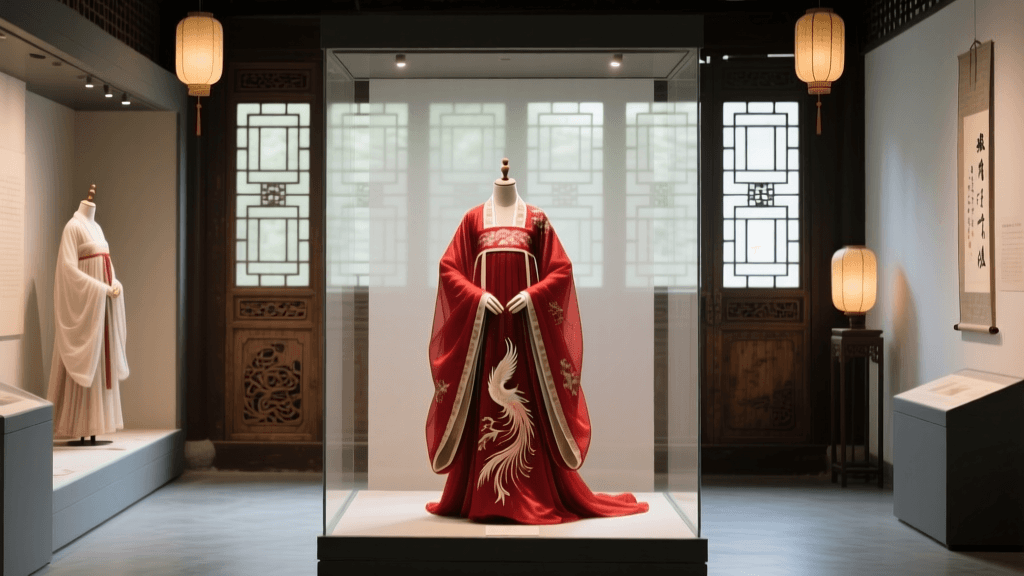
The contemporary Hanfu movement has fundamentally transformed how traditional Chinese garments are preserved, studied, and exhibited. No longer confined to dusty archival boxes, historical textiles and structural replicas are now the centerpieces of interactive, world-class exhibitions. For enthusiasts, historians, and cultural travelers, visiting China's specialized textile and Hanfu museums offers an unparalleled opportunity to witness the evolution of Chinese fashion—from the flowing, wide-sleeved shenyi of the Han Dynasty to the intricately pleated mamianqun (horse-face skirts) of the Ming Dynasty.
Understanding the material culture of Hanfu requires examining the textiles themselves. As noted by experts at the Metropolitan Museum of Art, the evolution of Chinese silk weaving techniques directly dictated the drape, structure, and aesthetic possibilities of historical garments. To truly appreciate the engineering behind traditional Asian fashion, one must visit the institutions dedicated to preserving these ancient crafts.
Top Hanfu and Textile Heritage Sites in China
1. China National Silk Museum (Hangzhou, Zhejiang)
Located near the scenic West Lake, the China National Silk Museum (CNSM) is the largest silk and textile museum in the world. For Hanfu enthusiasts, the crown jewel is the 'Chinese Silk and Fashion' permanent exhibition. Here, visitors can trace the silhouette changes of traditional garments across millennia. The museum houses remarkable replicas and preserved fragments of Han Dynasty textiles, including the famous lightweight gauze (sha) and complex damasks that defined early aristocratic dress.
The CNSM is also a premier research institute. Their conservation lab frequently rotates fragile, excavated garments into climate-controlled display cases. A major highlight is their exhibition on the Mawangdui Han Tomb textiles, showcasing the astonishingly thin, unlined gauze gowns that weigh mere grams, illustrating the pinnacle of ancient sericulture. The sericulture and silk craftsmanship of China is so foundational to global heritage that it has been officially recognized by UNESCO as an Intangible Cultural Heritage, a context the museum brilliantly brings to life through multimedia displays and live weaving demonstrations.
2. Chengdu Shu Brocade Museum (Chengdu, Sichuan)
While Hangzhou focuses on the broader history of silk, Chengdu's Shu Brocade Museum dives deep into one of the most luxurious and historically significant textiles used in high-status Hanfu. Shu brocade, originating in the Sichuan region, was highly prized during the Han and Three Kingdoms periods. The garments woven from Shu brocade were characterized by their vibrant colors, complex geometric patterns, and heavy, structured drape, making them ideal for formal court attire and winter layering.
The museum is uniquely built around operational, traditional wooden draw-looms. Visitors can hear the rhythmic clacking of the looms and watch master artisans weave intricate patterns that require two people to operate—one managing the warp and the other pulling the pattern threads. For Hanfu makers and tailors, observing the tight weave and structural integrity of Shu brocade provides invaluable insight into how historical garments maintained their stiff, majestic silhouettes without modern interfacing.
3. Nanjing Yunjin Brocade Museum (Nanjing, Jiangsu)
To understand the opulence of Ming and Qing dynasty formal wear, a pilgrimage to the Nanjing Yunjin Brocade Museum is essential. Yunjin, meaning 'cloud brocade,' is famous for its incorporation of real gold and silver threads, peacock feather yarns, and complex color gradients. This was the fabric of emperors and high-ranking officials.
The museum provides a masterclass in the structural origins of the Ming Dynasty mamianqun and the elaborate aoqun (jacket and skirt) ensembles. The Yunjin weaving technique is incredibly painstaking, producing only a few centimeters of fabric per day. Recognizing its immense cultural value, UNESCO inscribed Nanjing Yunjin on the Representative List of the Intangible Cultural Heritage of Humanity. The museum's gift shop and affiliated ateliers also offer rare opportunities to purchase authentic, hand-woven textile accessories and small brocade pouches, though full garments remain prohibitively expensive due to the labor involved.
Museum Comparison Chart
| Museum Name | Location | Primary Hanfu / Textile Focus | Approx. Entry Cost | Time Needed |
|---|---|---|---|---|
| China National Silk Museum | Hangzhou, Zhejiang | Comprehensive silk history, Han/Song silhouettes, gauze & damask | Free (Reservation required) | 3 - 4 Hours |
| Chengdu Shu Brocade Museum | Chengdu, Sichuan | Han/Three Kingdoms brocades, heavy structured fabrics, loom demos | ~50 RMB | 2 - 3 Hours |
| Nanjing Yunjin Museum | Nanjing, Jiangsu | Ming/Qing imperial robes, gold-thread weaving, mamianqun origins | ~50 RMB | 2 - 3 Hours |
Practical Guide: Planning Your Hanfu Heritage Tour
Visiting cultural heritage sites in China requires some logistical foresight, especially for international travelers and independent tourists. Here is actionable advice to ensure a seamless museum-hopping experience.
Booking and Ticketing
- WeChat Mini-Programs: Most Chinese museums, including the CNSM, have moved away from physical ticket counters. You must book entry slots via their official WeChat Mini-Programs (search the museum's Chinese name in WeChat). Slots often open 3 to 7 days in advance and can sell out during national holidays.
- Passport Requirements: Foreign visitors must bring their physical, original passports. Photocopies or digital photos on your phone will generally not be accepted at the security checkpoints.
- The Monday Rule: Like most cultural institutions globally, almost all major textile and Hanfu museums in China are closed on Mondays. Always plan your itinerary around this.
Photography and Exhibition Etiquette
When photographing historical garments, lighting and preservation are the museum's top priorities. Flash photography is strictly prohibited across all heritage sites, as the intense bursts of light degrade ancient protein-based silk fibers and natural dyes. Tripods and selfie sticks are also universally banned in exhibition halls to prevent accidental damage to glass cases and to maintain crowd flow. If you are a Hanfu content creator looking to film, you must apply for a commercial media permit weeks in advance through the museum's public relations office.
Best Seasons to Visit
The optimal times for a textile heritage tour are April to May and September to October. Hangzhou and Nanjing experience sweltering, humid summers which can make walking between museum pavilions exhausting, while Chengdu's winters are damp and chilly. Spring and autumn offer mild weather, and many museums host special outdoor sericulture or dyeing workshops during these comfortable months.
Beyond the Glass: Interactive Workshops
Modern Hanfu museums are shifting from passive observation to active participation. At the China National Silk Museum, visitors can book weekend workshops in traditional plant dyeing (caomu ran), learning how ancient artisans extracted indigo, madder root, and pagoda tree buds to color their ruqun (blouse and skirt ensembles). Similarly, the Chengdu Shu Brocade Museum offers short courses on basic weaving mechanics, allowing visitors to understand the mathematical precision required to create the repeating motifs seen on historical banbi (half-sleeve jackets).
'To wear Hanfu is to wear history, but to weave it is to understand the soul of the culture. The loom is where mathematics, art, and philosophy intersect.' — Master Weaver at the Shu Brocade Museum.
Conclusion
Exploring China's Hanfu and textile museums provides a profound, tactile connection to the past that reading historical texts simply cannot match. By walking the halls of the China National Silk Museum, listening to the looms in Chengdu, and marveling at the golden threads in Nanjing, enthusiasts gain a comprehensive understanding of the materials that shaped Asian traditions. Whether you are a historical reenactor, a fashion design student, or a cultural traveler, these heritage sites are essential pilgrimages that celebrate the enduring legacy of traditional Chinese garments.