Kimono Styling for Modern Occasions: Weddings & Galas
The Renaissance of the Kimono in Contemporary Formalwear
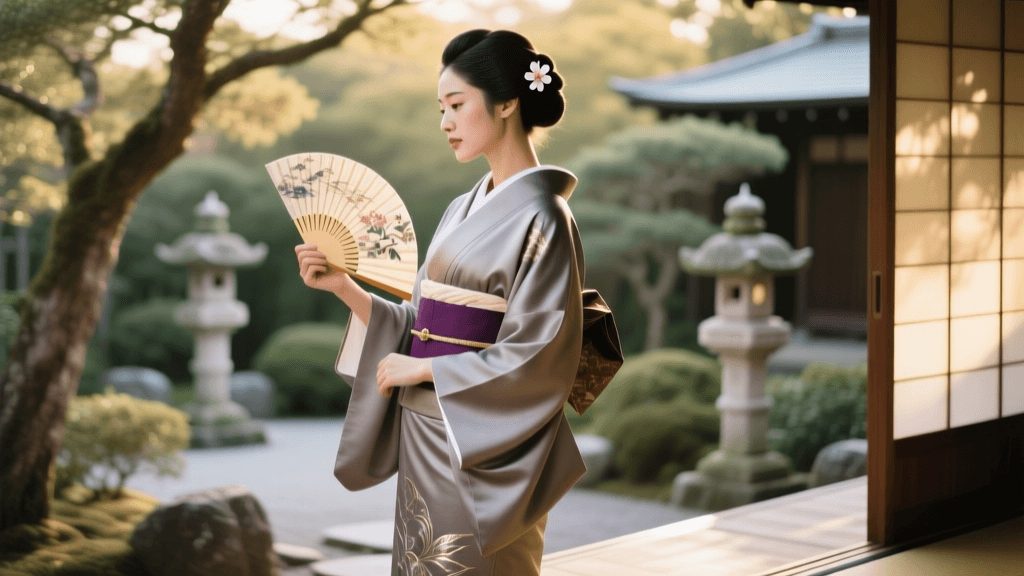
The kimono, historically the everyday garment of Japan, has undergone a profound transformation over the last century. While it is no longer standard daily attire, it has experienced a magnificent renaissance as a statement of high fashion, cultural pride, and exquisite formalwear. Today, styling a kimono for modern occasions—such as contemporary weddings, high-end art galas, charity balls, and evening banquets—requires a nuanced understanding of both traditional rules and modern aesthetic sensibilities. According to the Metropolitan Museum of Art, the kimono's T-shaped structure and expansive surface area make it an unparalleled canvas for artistic expression, a fact that modern fashion enthusiasts leverage to stand out at formal events.
For the modern wearer, navigating the intersection of ancient etiquette and contemporary event dress codes can seem daunting. However, with the right knowledge of garment types, accessory pairings, and event timelines, the kimono becomes an empowering and breathtaking choice for any formal occasion. This guide provides actionable, detailed advice for integrating traditional Japanese garments into your modern formal wardrobe.
Selecting the Perfect Kimono for Modern Events
Not all kimono are created equal, and wearing the wrong level of formality to a modern event can be a major faux pas. When attending a contemporary wedding, a diplomatic gala, or an evening banquet, you must select a garment that aligns with the event's prestige.
Houmongi (Visiting Kimono)
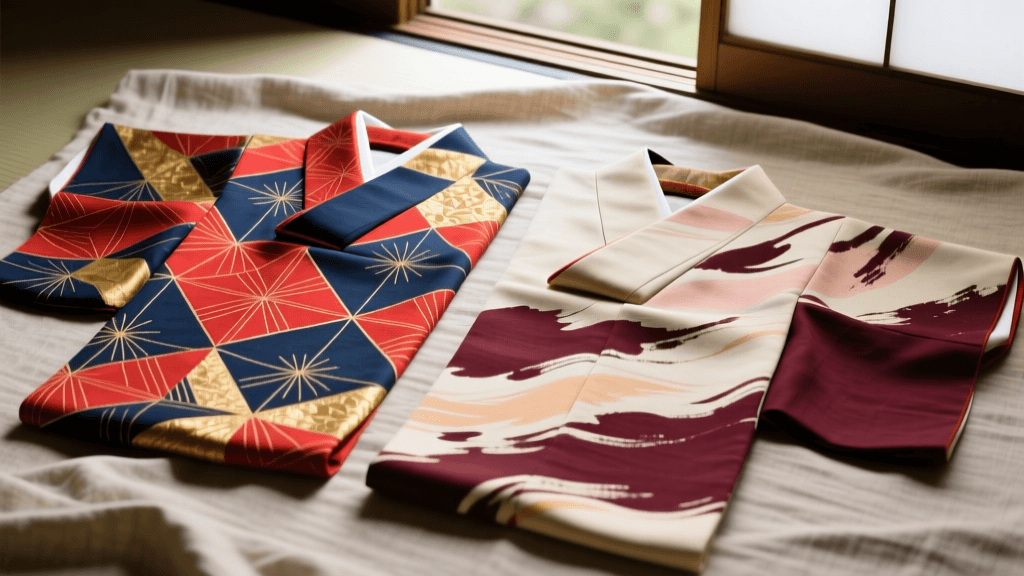
The Houmongi is the ultimate versatile choice for modern formal events. Characterized by its 'eba' pattern—a continuous design that flows seamlessly across the seams when the kimono is laid flat—it bridges the gap between semi-formal and formal wear. It is appropriate for both married and unmarried women, making it a favorite for wedding guests, gala attendees, and tea ceremony participants. A high-quality silk Houmongi featuring a subtle metallic thread (surihaku) can elevate your look for an evening event.
Tsukesage (Lower-Applied Pattern)
Slightly less formal than the Houmongi, the Tsukesage features patterns that are dyed or embroidered primarily on the lower half of the garment and the upper part of one sleeve. It is an excellent choice for daytime weddings, bridal showers, or sophisticated luncheons. While it may lack the grandeur required for a black-tie evening gala, its understated elegance is perfect for modern, minimalist-styled events.
Furisode (Swinging Sleeves)
Reserved exclusively for unmarried women, the Furisode is instantly recognizable by its long, flowing sleeves, which can measure anywhere from 85cm to 114cm in length. It is the most formal kimono for young, unmarried women and is the traditional choice for Coming-of-Age Day (Seijin Shiki). In a modern context, a Furisode is appropriate for attending a close family member's wedding or a highly formal evening banquet where the wearer is a central figure, though it is generally discouraged for standard wedding guests so as not to outshine the bride.
Comparison Chart: Kimono Types for Modern Occasions
To help you make an informed decision, refer to the table below detailing the best kimono types for various modern occasions, along with estimated costs for the Japanese rental and vintage markets.
| Kimono Type | Formality Level | Best Modern Occasion | Est. Rental Cost (USD) | Est. Vintage Purchase (USD) |
|---|---|---|---|---|
| Houmongi | Formal / Semi-Formal | Weddings, Art Galas, Evening Banquets | $100 - $250 | $150 - $600 |
| Tsukesage | Semi-Formal | Daytime Weddings, Bridal Showers, Luncheons | $80 - $180 | $80 - $300 |
| Furisode | Highly Formal (Unmarried) | Family Weddings, Seijin Shiki, Red Carpet | $150 - $350 | $200 - $800+ |
| Kurotomesode | Ultra-Formal (Married) | Immediate Family Wedding (Mother of Bride) | $120 - $280 | $100 - $400 |
Modern Accessorizing: Blending Eras
The true magic of modern kimono styling lies in the accessories. While the foundational garments must adhere to traditional rules of formality, the obi (sash), obijime (cord), and obidome (brooch) offer ample room for contemporary personalization.
The Obi and Obiage
For formal events, a Fukuro obi is mandatory. Woven with intricate gold or silver threads, it provides the structural support and visual weight necessary for formalwear. However, modern stylists often pair vintage, heavily brocaded Fukuro obi with contemporary, solid-colored Houmongi to create a striking, fashion-forward contrast. The obiage (silk scarf tied at the top of the obi) can be chosen in a bold, contrasting color—such as deep emerald or ruby red—to give the ensemble a modern pop of color.
Obidome and Hair Accessories
The obidome is a decorative clasp worn on the obijime cord. While traditional obidome feature motifs like cranes or plum blossoms carved from coral or jade, modern wearers are increasingly incorporating antique European brooches, vintage Art Deco jewelry, or bespoke resin pieces into their obijime. This cross-cultural styling technique is highly celebrated in contemporary Tokyo and Kyoto fashion circles. Similarly, hair accessories (kanzashi) can be swapped for minimalist metallic hairpins or modern pearl clips, provided the overall silhouette remains respectful of the garment's heritage.
Footwear: Zori vs. Modern Heels
Traditionally, formal kimono requires zori (straw or brocade sandals) worn with tabi (split-toe socks). For modern evening events, finding a zori with a slightly elevated heel (around 5cm to 7cm) can dramatically improve the drape of the kimono hem, preventing it from dragging on the floor and giving the wearer a more statuesque posture. While some avant-garde fashionistas attempt to pair kimono with Western stiletto heels, purists and etiquette experts strongly advise against this, as it alters the traditional center of gravity and walking gait (suriashi) required to move gracefully in a kimono.
Practical Guide: Fitting, Booking, and Event Day Timeline
Wearing a kimono is a time-intensive process that requires professional assistance, known as kitsuke. If you are renting or hiring a professional dresser for a modern event, meticulous planning is required.
Measurements and Booking
Unlike Western formalwear, kimono are not tailored to exact body measurements; they are wrapped and folded to fit. However, your height and hip circumference are critical for selecting the correct length and width. When booking a kitsuke appointment, provide your exact height (in cm) and hip measurement. It is highly recommended to book your fitting and dressing service at least two to three months in advance, especially during peak wedding seasons (Spring and Autumn in Japan).
The Event Day Timeline
- T-Minus 4 Hours: Arrive at the salon. Wear a simple, low-collar top and leggings to avoid ruining your hair and makeup during the dressing process.
- T-Minus 3.5 Hours: Kitsuke begins. The dresser will apply padding (kimono bra and waist towels) to create the traditional cylindrical silhouette, minimizing the natural curves of the body.
- T-Minus 2 Hours: Hair and makeup. Opt for an elegant updo to showcase the neckline (eri) of the kimono, which is considered one of the most sensual and aesthetically important areas of the garment.
- T-Minus 1 Hour: Final adjustments and photography. Practice walking in your zori and sitting in a chair (modern events often involve Western seating, which requires careful hem management).
Cultural Etiquette and Nuances for the Modern Wearer
When styling a kimono for a modern occasion, respecting cultural boundaries is paramount. The most unbreakable rule of kimono wearing is the collar direction: the left side of the kimono must always overlap the right side. Reversing this (right over left) is strictly reserved for dressing the deceased for burial. Furthermore, when attending a wedding, guests must avoid wearing white (the bride's color) and should avoid overly flashy gold or silver motifs that might photograph as white or compete with the bridal party.
The global appreciation for Japanese textiles has led to a surge in sustainable fashion practices, with many modern consumers opting for vintage and upcycled kimono. As highlighted by the Victoria and Albert Museum's extensive research on kimono evolution, the garment's modular and wrap-based design inherently supports a circular fashion economy, as it can be endlessly resized, re-dyed, and passed down through generations without losing its structural integrity.
'The kimono is not a relic of the past, but a living garment that adapts to the wearer's era. By understanding its foundational rules, modern stylists can push the boundaries of formalwear while honoring centuries of artisanal craftsmanship.'
Ultimately, styling a kimono for modern weddings and galas is an exercise in balance. By pairing a historically significant Houmongi with thoughtfully curated, contemporary accessories, and adhering to the proper etiquette and timeline, you can transform a traditional garment into a breathtaking, modern sartorial masterpiece.