Kyoto Kimono Apprenticeships and Schools in 2026: Full Guide
The State of Traditional Japanese Fashion Education in 2026
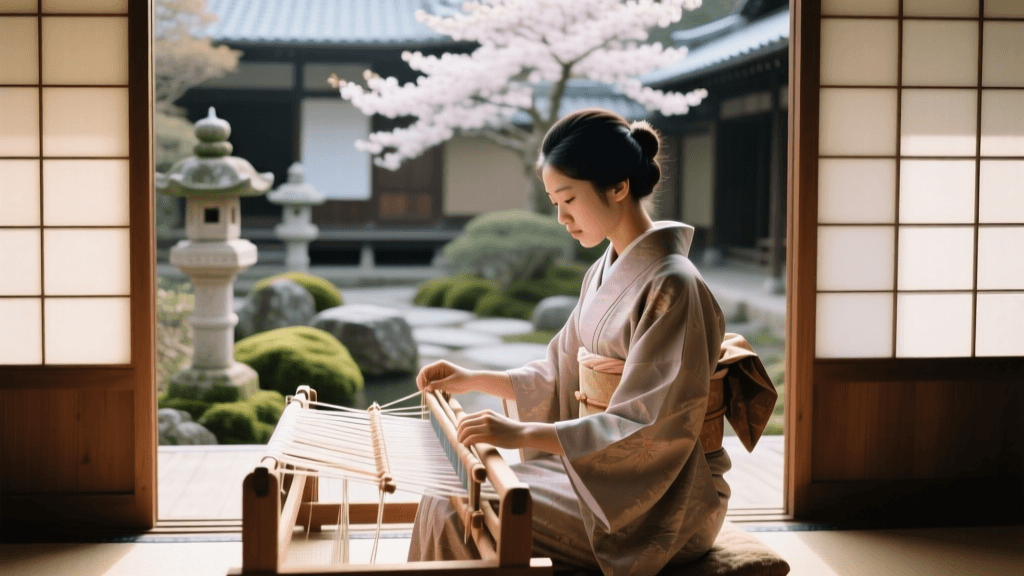
The preservation of Japanese traditional garments is undergoing a critical renaissance in 2026. As the demographic of master artisans continues to age, the Japanese government and private textile guilds have aggressively restructured the educational pathways for kimono production, Yuzen dyeing, and Nishijin weaving. Today, the intersection of ancient technique and modern preservation offers unprecedented opportunities for both domestic and international students. The rhythmic bata-bata of the jacquard loom and the meticulous application of rice-paste resist are no longer confined to multi-generational family workshops; they are now taught in state-subsidized vocational schools and formalized apprenticeship programs.
According to the Association for the Promotion of Traditional Craft Industries, the 2026 METI 'Next-Gen Artisan' initiative has expanded funding for designated traditional crafts (Dento Kogeihin). This means that aspiring textile artists now have access to modernized curricula that integrate digital archiving and CAD pattern drafting alongside rigorous hand-craft training, ensuring that the soul of the kimono survives the digital age.
Top Vocational Schools for Kimono and Textile Arts
For those seeking a structured academic environment before entering a traditional workshop, Japan's specialized vocational schools (senmon gakko) provide the foundational skills required by master artisans. In 2026, these institutions have updated their facilities to include both historical hand-looms and contemporary digital textile printers, allowing students to understand the full lifecycle of garment creation.
| Institution | Location | Primary Focus | 2026 Annual Tuition (JPY) | Duration |
|---|---|---|---|---|
| Kyoto College of Traditional Arts | Kyoto (Kamigyo) | Nishijin Weaving, Yuzen Dyeing, Lacquerware | ¥1,150,000 | 2 to 4 Years |
| Tokyo Kimono Gakuin | Tokyo (Shibuya) | Kitsuke (Dressing), Tailoring, Modern Styling | ¥850,000 | 1 to 2 Years |
| Nishijin Textile Industrial Assoc. | Kyoto (Kamigyo) | Loom Operation, Thread Preparation, Design | Stipend-based | 3 to 5 Years |
The Kyoto College of Traditional Arts remains the premier institution for hands-on textile creation. Their 2026 Yuzen dyeing curriculum requires students to master the traditional itokome (fine outline application) using norime resist paste before they are permitted to use modern synthetic dyes, ensuring that the foundational chemistry of natural indigo and safflower (benibana) is deeply understood.
The Deshi (Apprenticeship) System: Nishijin-ori and Yuzen
While vocational schools offer theory and baseline skills, the true mastery of Japanese fashion lies in the deshi (apprenticeship) system. In 2026, the Nishijin Textile Industrial Association has formalized its intake process to accommodate foreign applicants, provided they meet strict linguistic and cultural prerequisites. An apprenticeship in Nishijin-ori (brocade weaving) or Kyo-Yuzen (resist dyeing) is not merely a job; it is a profound commitment to a master-disciple lineage.
Apprentices in 2026 benefit from the newly expanded government living stipends. Accepted deshi in designated Kyoto crafts receive a monthly subsidy of ¥150,000 to offset living costs, alongside a one-time ¥500,000 tooling grant to purchase personal equipment such as bamboo stretching frames (shinshi) and specialized dyeing brushes.
A Day in the Life of a Nishijin Apprentice
The sensory experience of a Nishijin workshop is intense and demanding. A typical day for a first-year weaving apprentice in 2026 looks like this:
- 5:30 AM: Workshop arrival. Sweeping the wooden floors and preparing the silk threads. Humidity control is critical; apprentices must manually check the water basins that keep the silk from snapping.
- 7:00 AM: O-soji (cleaning) of the master's tools. This is considered a spiritual practice, teaching respect for the instruments of the craft.
- 8:00 AM - 12:00 PM: Thread preparation (seikei). Twisting and winding silk onto bobbins. First-year apprentices rarely touch the main loom, focusing instead on understanding the tension and twist of the raw material.
- 1:00 PM - 5:00 PM: Assisting senior weavers with jacquard punch-card digitization and repairing broken warp threads (tate-ito) using a magnifying glass and specialized hooks.
- 6:00 PM: Evening study of textile history and pattern drafting (mon-yo).
Step-by-Step Guide to Securing an Apprenticeship
Securing a position as a deshi requires meticulous preparation, cultural awareness, and bureaucratic navigation. The Agency for Cultural Affairs emphasizes that preserving intangible cultural properties requires practitioners who are deeply embedded in the local community.
1. Attain JLPT N2 Proficiency
Master artisans do not speak English, and the specialized vocabulary of textile production (e.g., hata for loom, ito for thread, senshoku for dyeing) is highly archaic. A minimum of JLPT N2 is required for visa sponsorship, but N1 is strongly recommended to grasp the nuanced instructions and philosophical teachings of your master.
2. Secure the Correct Visa Status
Foreign applicants must navigate Japan's immigration system carefully. Most apprentices enter on a 'Cultural Activities' visa or the newer 'Designated Activities (Traditional Craft Apprentice)' visa introduced in late 2025. Review the specific visa categories and documentation requirements via the Immigration Services Agency of Japan to ensure your sponsoring workshop is legally recognized to take on foreign deshi.
3. Prepare a Physical Portfolio and Formal Introduction
Digital portfolios are frowned upon in traditional workshops. You must present a physical book of your sketches, dyeing samples, or woven swatches, mounted on high-quality washi paper. Furthermore, securing an apprenticeship often requires a formal introduction (shokai) from a respected figure in the textile community, such as a professor from the Kyoto College of Traditional Arts or a local guild member.
Costs, Stipends, and Financial Realities
Living in Kyoto's Kamigyo ward, the historic heart of Nishijin weaving, requires careful budgeting. While the ¥150,000 monthly government stipend covers basic necessities, apprentices are expected to purchase their own high-end tools as they advance. A set of authentic Yuzen dyeing brushes can cost upwards of ¥80,000, and custom-forged weaving shuttles (hi) can exceed ¥120,000.
Rent for a modest, traditional machiya apartment or a modern 1K apartment near the weaving district averages ¥65,000 to ¥75,000 per month in 2026. Groceries, utilities, and mandatory national health insurance will consume another ¥70,000. Therefore, while the apprenticeship is financially survivable thanks to the 2026 subsidies, it is not a path to immediate wealth. It is an investment in a lifelong, highly respected vocation.
The Future of Japanese Garment Preservation
The narrative that traditional Japanese fashion is a dying art is being actively dismantled by the 2026 cohort of young artisans. Today's apprentices are not just repeating the past; they are translating it. By combining the structural integrity of Nishijin brocade with contemporary global fashion silhouettes, and by utilizing 3D weaving technology to reduce silk waste, the new generation of deshi is ensuring that the kimono and its constituent textiles remain relevant, vibrant, and economically viable for the next century. For those willing to endure the rigorous discipline of the workshop, the reward is the mastery of one of humanity's most exquisite sartorial traditions.