2026 Runway Kimono Trends: Paris & Milan Fashion Weeks
The Renaissance of the Kimono Silhouette in 2026
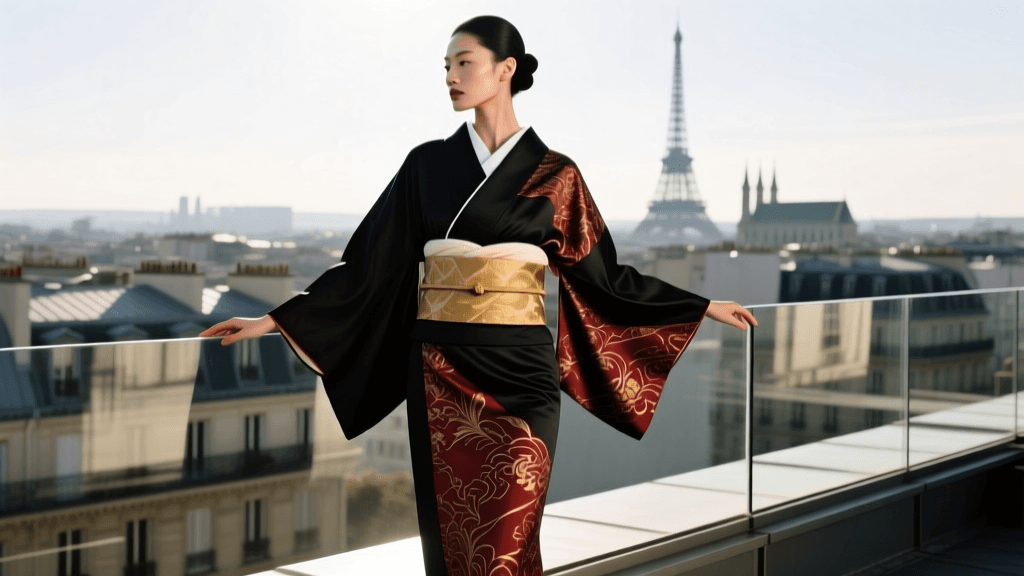
As the global fashion calendar moves through the Spring/Summer and Fall/Winter 2026 seasons, the influence of traditional Japanese garments has evolved from fleeting exoticism to a profound, structural reverence. On the runways of Paris and Milan, the kimono is no longer merely referenced through superficial prints; instead, designers are deconstructing its core architecture. The 2026 collections highlight a sophisticated dialogue between Western tailoring and Eastern flat-pattern cutting, resulting in garments that prioritize fluidity, sustainability, and artisanal heritage.
Leading fashion houses have moved past the cultural missteps of previous decades. Today, the integration of Japanese elements is defined by direct collaborations with heritage artisans in Kyoto and Kanazawa. According to the Kyoto Costume Institute, the historical evolution of Japanese dress has always been marked by an interplay between indigenous forms and foreign influences, a dynamic that is now reflected in reverse as Japanese silhouettes reshape European haute couture.
Key Runway Elements: Deconstructing the 2026 Collections
The T-Sleeve and Drop-Shoulder Revival
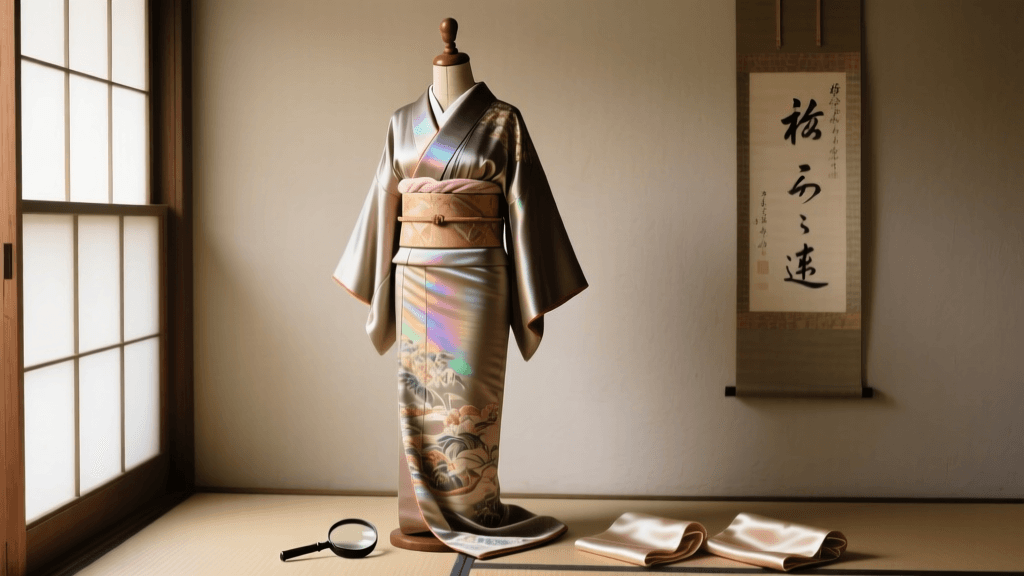
The most prominent silhouette on the 2026 runways is the exaggerated T-sleeve, derived directly from the traditional kimono's straight-line construction. Unlike Western garments that are cut to follow the curves of the body, the kimono relies on the drape of the fabric. This season, Parisian designers have adapted the sode (sleeve) into sweeping, floor-grazing drop-shoulder coats and wrap dresses. By eliminating the armscye (armhole seam), these 2026 garments offer an unprecedented range of motion and a striking, sculptural profile when in motion.
The Obi Belt as Structural Couture
The obi has been reimagined for 2026 as a piece of structural outerwear. Rather than the soft, tie-waist sashes seen in fast-fashion interpretations, this year's runway belts are rigid, corseted, and heavily textured. Designers are utilizing thick, brocaded textiles reminiscent of the fukuro obi, but engineering them with modern boning and hidden magnetic closures. Worn high on the ribcage or dropped to the hips, these structural belts cinch voluminous, oversized coats, creating a striking hourglass silhouette that honors the traditional placement of the obi while serving a modern architectural purpose.
Nishijin-ori and Yuzen Dyeing on the Catwalk
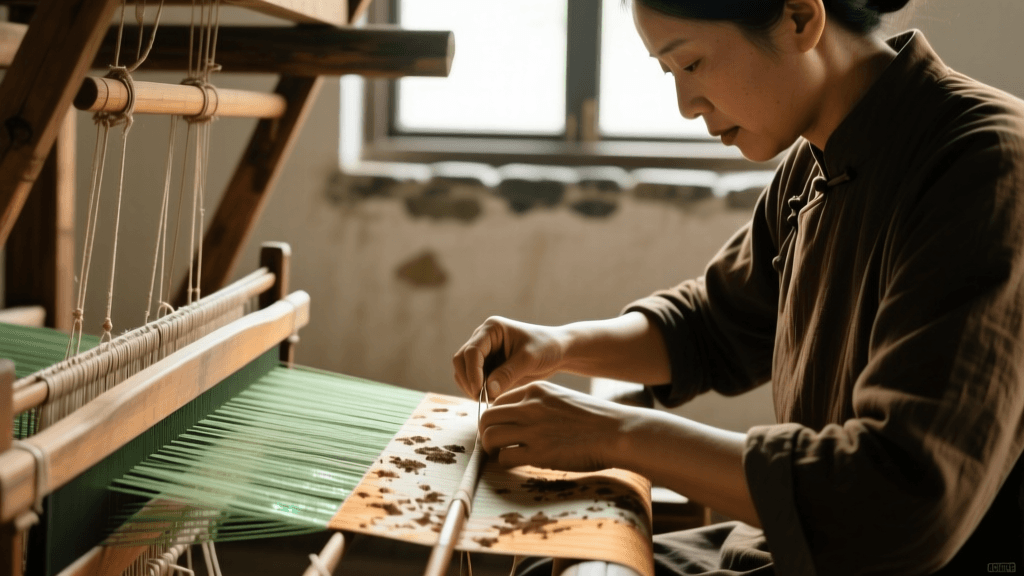
Textile innovation is at the heart of the 2026 collections. Nishijin-ori, the highly complex, multi-layered jacquard weaving technique originating from Kyoto's Nishijin district, has been heavily featured in Milanese ready-to-wear. Designers are utilizing these metallic-threaded, heavyweight silks for structured blazers and tailored trousers. Meanwhile, the delicate, hand-painted Yuzen dyeing technique is being applied to sustainable, lab-grown cellulose fabrics, bridging the gap between centuries-old artistry and 2026's bio-material revolution. The Japan National Tourism Organization notes that these traditional crafts are experiencing a global renaissance, driven by luxury brands seeking authentic, slow-fashion textiles.
Data Table: 2026 Runway Adaptations vs. Traditional Garments
To understand how high fashion has translated traditional Japanese clothing for the modern wardrobe, we must compare the original garments with their 2026 runway counterparts.
| Feature | Traditional Kimono / Haori | 2026 Runway Adaptation |
|---|---|---|
| Sleeve Construction | Attached, T-shaped with underarm openings (miyatsuchi) | Exaggerated drop-shoulder, detached bell sleeves, or sealed underarms for winter coats |
| Fastening Method | Obi belt, koshihimo ties, and datejime | Hidden magnetic closures, structured corset-obi, or single-button wrap closures |
| Fabric Width | Woven in standard 14-inch (36 cm) tanmono panels | Wide-loom jacquard, bias-cut Nishijin-ori, and seamless digital knitting |
| Length & Hemline | Ankle-grazing, adjustable via the ohashori fold | Asymmetrical hems, cropped haori-style jackets, and floor-sweeping dusters |
| Collar (Eri) | Thick, layered collars worn crossed right over left | Deep V-neck wrap collars, detached band collars, or asymmetrical lapels |
How to Ethically Adopt Runway Kimono Trends in 2026
While the haute couture pieces seen in Paris and Milan can cost upwards of $15,000, the core aesthetics of the 2026 kimono trend can be integrated into your personal wardrobe ethically and affordably. The key is to avoid mass-produced 'costume' pieces and instead invest in authentic vintage garments or modern, ethically produced interpretations.
1. Sourcing Authentic Vintage Haori and Obi
The haori (a traditional kimono jacket) is the most versatile entry point for the 2026 wrap-coat trend. When shopping for vintage silk haori, pay close attention to the yuki (sleeve-to-center-back measurement). Standard vintage pieces typically feature a yuki of 62cm to 64cm (approx. 24-25 inches). If you have broader shoulders, look specifically for modern vintage pieces from the 1990s or 2000s, which were cut with slightly wider dimensions.
- Cost Expectation: A high-quality, vintage silk haori with intact lining and no structural stains will cost between $150 and $350 from reputable online dealers in 2026.
- Styling Tip: Pair a vintage, mid-thigh silk haori with wide-leg, high-waisted wool trousers and a simple ribbed turtleneck. Leave the haori open to showcase the inner lining, which often features hidden, auspicious motifs.
- Obi as Accessories: A vintage fukuro obi (approx. $80 - $200) can be repurposed as a dramatic table runner, a wall hanging, or, with the help of a leatherworker, converted into a rigid statement belt that mimics the 2026 runway corset-obi.
2. Investing in Modern Artisan Collaborations
If you prefer new garments, seek out brands that explicitly credit and compensate Japanese artisans. The Victoria and Albert Museum's extensive research on kimono history underscores the importance of preserving the lineage of these garments. In 2026, several mid-tier luxury brands are partnering directly with the Nishijin Weaving Industrial Association to produce limited-run jackets using authentic, narrow-loom silk.
- Cost Expectation: Expect to invest between $800 and $2,500 for a newly woven, artisan-crafted jacket or wrap coat.
- Verification: Always look for the traditional craft seal (Dento-teki-kogeihin) or explicit documentation of the weaving studio in Kyoto.
3. Proper Care for Silk and Brocade
Adopting these garments requires a commitment to proper textile care. Traditional Japanese silks are highly sensitive to moisture and light.
- Cleaning: Never attempt to wash vintage silk at home. Utilize a dry cleaner that specializes in historical or delicate garments. For minor odors, air the garment outside in the shade on a dry, breezy day.
- Storage: Do not store silk haori on wire hangers, which will distort the shoulder seams. Use padded, wide-shoulder hangers. For long-term storage, fold the garment using acid-free tissue paper and place it in a breathable cotton storage bag or a traditional paulownia wood box (kiribako), which naturally regulates humidity and repels insects.
Conclusion
The 2026 global runway season has proven that the kimono is not a relic of the past, but a living, breathing blueprint for the future of fashion. By moving away from superficial appropriation and embracing the structural genius of flat-pattern cutting and the unparalleled beauty of heritage textiles like Nishijin-ori, designers in Paris and Milan have elevated Japanese traditions to new heights. For the conscious consumer, this trend offers a unique opportunity to invest in slow fashion, support master artisans, and wear garments that carry centuries of cultural depth and architectural brilliance.