Kimono Tanmono Construction: Zero-Waste Straight-Line Cutting 2026
The Renaissance of Zero-Waste Pattern Cutting in 2026
As the global fashion industry grapples with mounting ecological pressures in 2026, designers and historians are increasingly looking toward Asian dress traditions for sustainable solutions. Western pattern drafting, which relies heavily on curved seams to contour the human body, inherently generates up to 20% fabric waste on the cutting room floor. In stark contrast, the traditional Japanese kimono utilizes a sophisticated, entirely zero-waste construction method rooted in the tanmono fabric bolt system. By understanding and adapting these historic straight-line cutting techniques, modern sewists and contemporary fashion houses are pioneering a new era of circular, waste-free garment construction that honors Asian heritage while addressing the urgent environmental demands of 2026.
Understanding the Tanmono: The Foundation of Kimono Construction
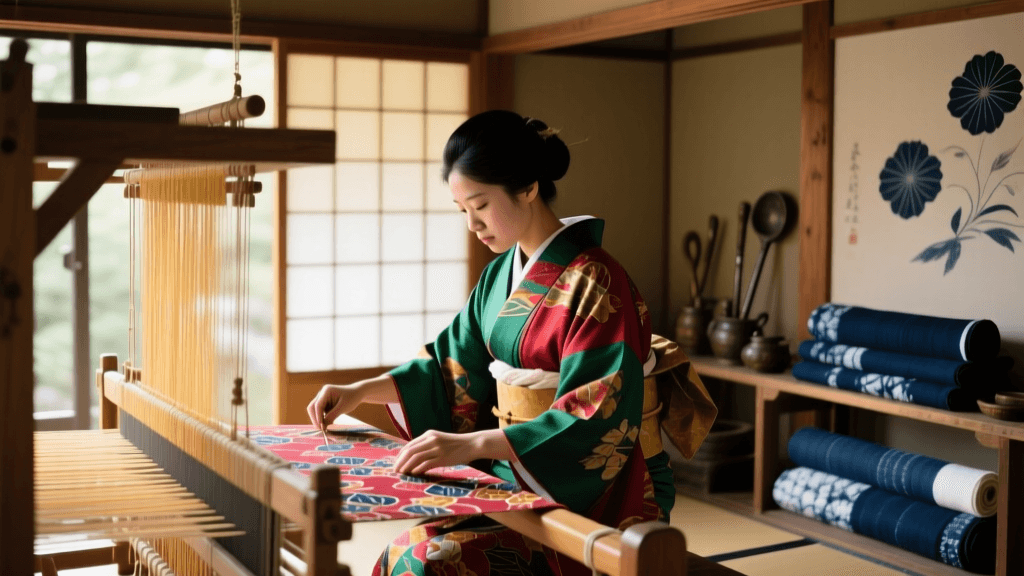
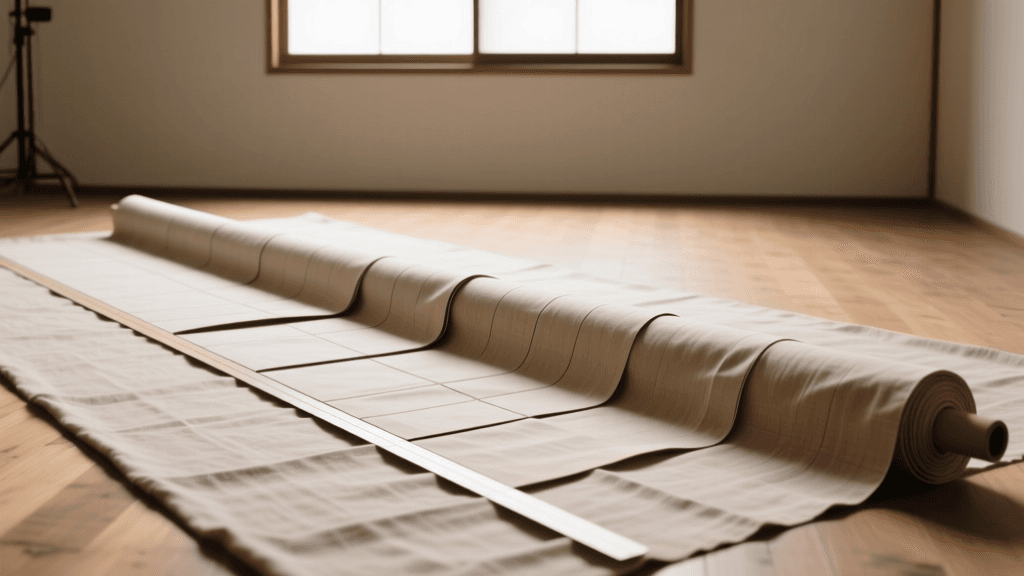
The cornerstone of kimono construction is the tanmono, a standardized, narrow bolt of fabric. Unlike Western textiles, which are typically woven in wide yardage (usually 115cm to 150cm) and subsequently cut into curved pattern pieces, a standard silk or linen tanmono is woven specifically to yield exactly one adult garment. According to the Victoria and Albert Museum, the traditional dimensions of a tanmono are approximately 36 to 38 centimeters in width and 12 meters in length. This precise mathematical relationship between the loom and the final garment ensures that when the fabric is cut, not a single scrap is discarded. In 2026, with the cost of premium textiles like Ahimsa (peace) silk and organic ramie reaching historic highs, this zero-waste methodology is not merely an ecological ideal but a vital economic strategy for independent designers.
The Eight Rectangular Panels
The genius of kimono construction lies in its geometric purity. A standard unlined kimono (hitoe) is composed of exactly eight rectangular panels cut directly from the tanmono. These include two main body panels (maemigoro and ushiromigoro), two sleeve panels (sode), two front overlap panels (okumi), and a collar (eri). Because the cuts are strictly rectilinear, the structural integrity of the woven fabric is maintained. The selvedges (the tightly woven edges of the fabric) are often left intact and incorporated directly into the seams, eliminating the need to finish raw edges and further reducing labor and waste.
Engineering for Longevity: The Miyatsu-Kuchi and Reversibility
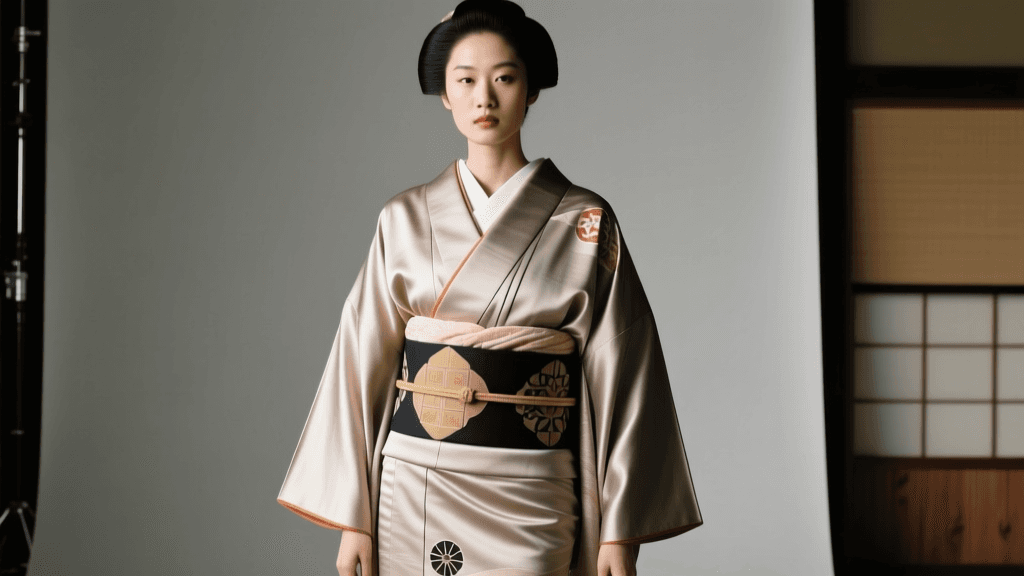
Western garments are generally constructed to be permanent; once a seam is overlocked and a hem is set, altering the garment's fundamental proportions is difficult. Kimono construction, however, is engineered for generational longevity and dynamic fit. A defining feature of women's kimono construction is the miyatsu-kuchi, an open, unsewn gap located just below the armpit on the side seams. This structural opening serves multiple purposes: it allows for ventilation, provides ease of movement, and crucially, permits the wearer to adjust the fit of the garment around the hips and waist by manipulating the excess fabric hidden beneath the obi (sash).
Furthermore, the kimono is assembled using shitsuke-ito (temporary basting threads) and running stitches that can be entirely unpicked. When a kimono requires cleaning, repair, or resizing for a new wearer, the garment is completely disassembled back into its original eight rectangular panels, washed or re-dyed, and resewn. This inherent reversibility aligns perfectly with the 2026 circular fashion mandates championed by organizations like the Ellen MacArthur Foundation, which advocate for garments designed for disassembly and continuous material cycling.
Advanced Sewing Techniques: Kuke-Kagari and Shitsuke-Ito
Mastering kimono construction requires an understanding of specialized hand-sewing techniques that differ vastly from modern machine sewing. The primary stitch used is a variation of the running stitch, but the true hallmark of high-end kimono tailoring is the kuke-kagari (blind hemming stitch). When attaching the lining (awase) or finishing the hem, the tailor uses a single thread and a specialized bamboo thimble to catch only one or two threads of the face fabric. This creates an invisible hem on the exterior while allowing the lining to shift slightly, preventing tension and puckering.
Before any permanent stitching occurs, the panels are meticulously aligned and basted using shitsuke-ito. In 2026, contemporary tailors are blending these historic hand-basting methods with modern ergonomic tools, using weighted magnetic rulers and laser-guided cutting mats to ensure the rectilinear panels are cut with sub-millimeter precision, honoring the exacting standards of traditional Kyoto artisans.
Comparative Analysis: Western Tailoring vs. Kimono Flat-Pattern Cutting
To fully appreciate the structural differences, it is helpful to compare traditional Asian straight-line construction with standard Western tailoring practices as they stand in 2026.
| Construction Feature | Traditional Kimono (Tanmono System) | Western Tailoring (2026 Standard) |
|---|---|---|
| Pattern Geometry | Rectilinear / Straight-line only | Curved / Contoured to body morphology |
| Fabric Waste | 0% (True Zero-Waste) | 15% - 25% (Off-cuts and curved seams) |
| Seam Allowance | Generous, adjustable, enclosed | Fixed (usually 1.5cm), often overlocked |
| Disassembly | Fully reversible and unpickable | Permanent, difficult to deconstruct |
| Fit Philosophy | Draped, wrapped, tied (Obi) | Tailored, darted, structured |
| Edge Finishing | Selvedges utilized, no serging needed | Requires serging, zigzag, or bias binding |
Sourcing Authentic Materials and 2026 Innovations
For modern designers looking to implement the tanmono system in 2026, sourcing the correct materials is paramount. Traditional silk weaving hubs in Japan, recognized for their cultural significance by entities such as the UNESCO Intangible Cultural Heritage list for techniques like Yuki-tsumugi, continue to produce authentic 38cm silk bolts. However, these heritage textiles command premium prices, often exceeding $2,000 per bolt for hand-pongée silk.
To democratize this zero-waste technique, a new wave of textile mills in Kyoto and Hangzhou have introduced 2026's 'Eco-Tanmono' lines. These fabrics are woven on computerized jacquard looms using recycled cupro and organic hemp, cut to the exact 38cm width required for straight-line pattern drafting, but priced accessibly for emerging sustainable fashion labels. By purchasing fabric in these standardized narrow widths, designers eliminate the need for wide-format cutting tables and drastically reduce their carbon footprint.
Adapting the Technique for Modern Wardrobes
You do not need to sew a formal kimono to benefit from this Asian construction tradition. The rectilinear cutting method can be adapted for modern garments such as wrap coats, wide-leg trousers, and minimalist tunics. By restricting your pattern drafting to 90-degree angles and utilizing the full width of a 38cm to 45cm narrow fabric bolt, you can create striking, avant-garde silhouettes that drape beautifully without generating a single scrap of waste. The intersection of ancient Asian wisdom and 2026 sustainable imperatives proves that the most forward-thinking solutions in fashion are often found by looking to the past.