2026 Hanfu Fabric Drape & Comfort Analysis: Silk vs Cupro
The Evolution of Hanfu Textiles in 2026
The Hanfu movement has undergone a radical transformation by 2026. No longer confined to weekend photography sessions, cultural festivals, or historical reenactments, traditional Chinese garments have firmly established themselves in the realm of daily, professional, and high-fashion wardrobes. As the aesthetic of Xin Zhongshi (New Chinese Style) matures, the modern wearer demands more than just visual authenticity; they require textiles that offer exceptional comfort, dynamic movement, and practical maintenance. At the heart of this sartorial evolution is a rigorous analysis of fabric texture, drape, and thermal comfort.
When selecting materials for iconic silhouettes like the mamianqun (horse-face skirt) or the flowing beizi (open-front coat), the physical properties of the textile dictate how the garment behaves in motion. In 2026, the market is dominated by a fascinating dichotomy: the reverence for heritage textiles like Xiangyunsha (gambiered Canton gauze) and the rapid adoption of innovative cupro-mulberry silk blends. This comprehensive analysis breaks down the physics, comfort, and practical applications of these leading Hanfu fabrics.
Understanding Drape: The Physics of Flowing Silhouettes
In textile engineering, the drape coefficient is a critical metric that defines how a fabric falls under its own weight. It is calculated by measuring the ratio of the draped area of a fabric to its undraped, flat area. A lower drape coefficient indicates a stiffer fabric that holds its shape, while a higher coefficient signifies a fluid, highly pliable material that clings and flows.
For Hanfu, drape is not merely an aesthetic choice; it is a structural necessity. The mamianqun, with its intricate knife and box pleats, requires a fabric with high flexural rigidity to maintain the sharpness of the pleats while allowing the skirt to swing outward gracefully during walking. Conversely, a beizi or a wide-sleeved ru (jacket) benefits from a highly fluid drape that creates an ethereal, cascading silhouette. Understanding the interplay between fabric weight (measured in momme for silk or GSM for blends) and the weave structure (satin, twill, or plain) is essential for achieving the perfect historical silhouette adapted for 2026 lifestyles.
Xiangyunsha: The Heritage Heavyweight
Xiangyunsha, often referred to as gambiered Canton gauze, represents the pinnacle of traditional Chinese textile craftsmanship. Recognized for its profound cultural significance, the broader traditions of Chinese silk craftsmanship are celebrated globally, as documented by UNESCO's Intangible Cultural Heritage registry. Xiangyunsha is created through a painstaking, multi-step process where mulberry silk is dyed with the tannin-rich juice of the gambier plant and then coated with iron-rich mud from specific riverbeds in Guangdong province.
Drape and Texture: Authentic Xiangyunsha possesses a unique, dual-sided texture. The mud-coated side is smooth, slightly leathery, and highly reflective, while the reverse side is matte and textured. In terms of drape, Xiangyunsha is relatively heavy and stiff compared to standard silks. This makes it the absolute gold standard for mamianqun and structured ao (jackets), as the fabric's natural weight forces the pleats to hang perfectly straight and creates a satisfying, rhythmic swishing sound when walking.
Comfort Profile: Despite its weight, Xiangyunsha is remarkably cooling. The gambier dye and mud coating create a naturally antimicrobial, moisture-wicking surface that feels cool against the skin, making it highly prized for humid summers. However, its stiffness means it lacks the soft, clingy comfort of lighter silks, requiring a breaking-in period to soften the fibers.
Cupro-Mulberry Blends: The 2026 Daily-Wear Innovator
As the demand for accessible, low-maintenance Hanfu has surged, 2026 has seen the widespread adoption of cupro-mulberry silk blends. Cupro is a regenerated cellulose fiber derived from cotton linter, often produced using the Bemberg process. When blended with high-grade mulberry silk (typically in a 60/40 or 50/50 ratio), it creates a textile that mimics the luxurious hand-feel of pure silk while introducing modern practicalities.
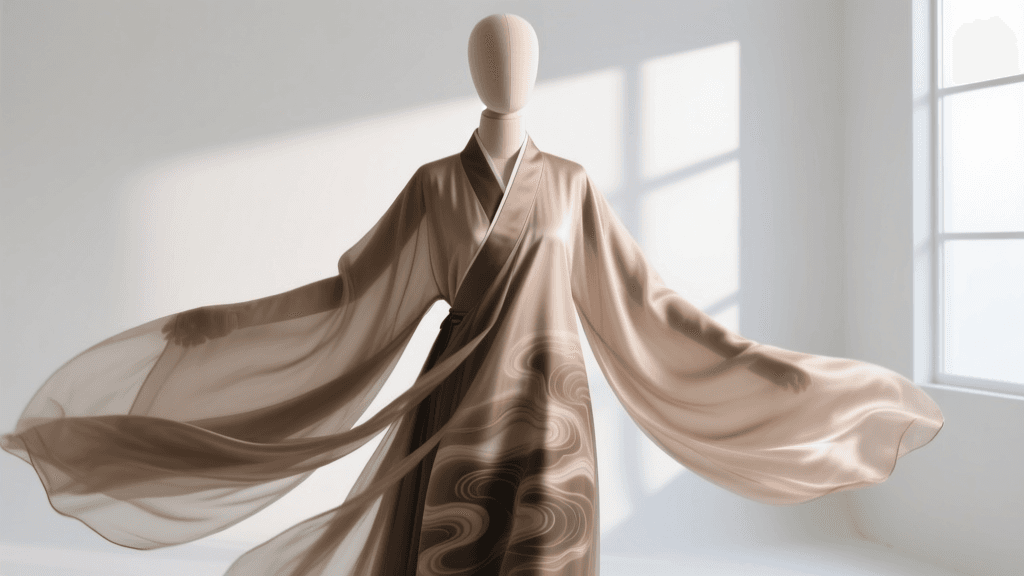
Drape and Texture: Cupro-silk blends are exceptionally fluid. They boast a high drape coefficient, allowing them to cascade beautifully over the body. This makes them ideal for flowing garments like qixiong ruqun (chest-high skirts) and lightweight summer beizi. The fabric possesses a subtle, pearlescent luster that closely resembles traditional charmeuse silk, though it lacks the structural rigidity required for heavy, pleated skirts without the addition of a stiffening interfacing.
Comfort Profile: The primary advantage of cupro-silk blends in 2026 is their unparalleled daily comfort. Cupro is highly breathable, hypoallergenic, and possesses excellent moisture absorption properties. Furthermore, modern weaving techniques have allowed these blends to become machine-washable on gentle cycles—a revolutionary shift for Hanfu enthusiasts who previously faced expensive dry-cleaning bills for pure silk garments.
Comprehensive Fabric Comparison Matrix
To help you make informed decisions for your 2026 wardrobe, below is a structured comparison of the leading Hanfu textiles based on current textile testing standards and market data.
| Fabric Type | Drape Coefficient | Pleat Retention | Breathability | 2026 Avg. Price (USD/m) | Best Garment Application |
|---|---|---|---|---|---|
| Xiangyunsha (Heritage) | Low (Stiff/Structured) | Excellent | High | $85 - $150+ | Mamianqun, Winter Ao |
| Cupro-Silk Blend (60/40) | High (Fluid/Soft) | Poor (Requires steaming) | Very High | $25 - $45 | Beizi, Summer Ruqun |
| Pure Mulberry Silk (22mm) | Medium (Balanced) | Good | High | $40 - $70 | Everyday Aoqun, Accessories |
| Polyester Jacquard | Medium-Low | Excellent | Low | $8 - $15 | Cosplay, Outerwear |
Thermal Comfort and Breathability Analysis
Thermal comfort in traditional garments is dictated by the fabric's moisture regain and thermal conductivity. Pure silk is a protein fiber that naturally regulates temperature, trapping air in cold weather and wicking moisture in the heat. However, as detailed in the historical analysis of silk's material properties by the Metropolitan Museum of Art, the tight weave structures used in historical brocades can sometimes hinder airflow.
In 2026, cupro-silk blends have overtaken pure polyester jacquards in the mid-tier market specifically due to thermal comfort. Cupro has a moisture regain of around 11%, significantly higher than standard viscose and vastly superior to polyester (which sits at a mere 0.4%). When wearing a multi-layered Hanfu outfit during a humid spring or late summer, a cupro-blend inner layer (zhongyi) will actively pull perspiration away from the skin, preventing the clammy discomfort associated with synthetic linings. Xiangyunsha, while less absorbent due to its mud coating, compensates with a naturally cool surface temperature and a loose, plain-weave base gauze that promotes exceptional air circulation.
Practical Sourcing and Care Guide for 2026
Navigating the 2026 Hanfu textile market requires a keen eye for fiber composition labels and an understanding of proper garment care.
- Sourcing Xiangyunsha: Authentic Xiangyunsha is an investment. When purchasing from specialized boutiques or heritage weavers, look for the地理标志 (Geographical Indication) certification for Shunde Xiangyunsha. Be wary of 'imitation' Xiangyunsha, which is often just polyester or standard silk printed with a crackle pattern to mimic the mud-dye effect. True Xiangyunsha will have a distinct, earthy scent and a two-toned color variation between the front and back.
- Sourcing Cupro Blends: When shopping on platforms like Taobao or independent global Hanfu retailers, check the detailed material breakdown. Look for 'Bemberg' or high-grade cupro mixed with at least 30% mulberry silk. Avoid blends that rely heavily on synthetic elastane, as this will ruin the natural drape and historical accuracy of the garment.
- Maintenance and Washing: While 2026 cupro-silk blends are marketed as machine-washable, it is highly recommended to use a mesh laundry bag, cold water, and a pH-neutral silk detergent on a delicate cycle. Never tumble dry. Xiangyunsha, conversely, should never be submerged in water or subjected to harsh detergents, as this can strip the gambier dye and mud coating. Spot clean with a damp cloth and air out in a shaded, well-ventilated area.
Ultimately, the choice between heritage Xiangyunsha and modern cupro-silk blends depends on your specific lifestyle and the silhouettes you wish to achieve. By understanding the underlying physics of fabric drape and the biological realities of thermal comfort, you can curate a Hanfu wardrobe that is not only historically resonant but perfectly adapted to the demands of modern life in 2026.