Hanfu Travel Wardrobe 2026: Best Packing Essentials & Tips
The Rise of Hanfu Tourism in 2026
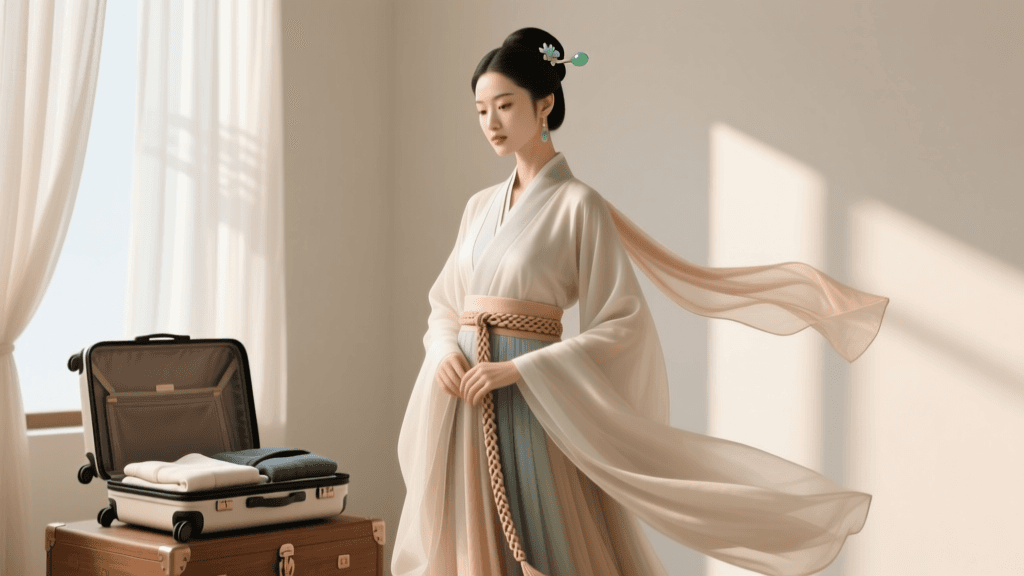
As global interest in traditional Asian garments continues to surge, the 2026 spring travel season has seen an unprecedented boom in Hanfu tourism. Travelers are no longer just visiting historical sites; they are immersing themselves in the culture by wearing authentic, historically inspired clothing while exploring ancient capitals, botanical gardens, and heritage villages. However, traveling with traditional garments presents unique logistical challenges. Silk wrinkles easily, pleated skirts require careful storage, and layered outfits can be cumbersome in transit. Building a strategic, wrinkle-resistant Hanfu travel wardrobe is essential for the modern cultural explorer. According to the Smithsonian National Museum of Asian Art, the intersection of historical textile appreciation and modern wearable culture is one of the most significant contemporary movements in Asian heritage preservation. This guide will help you curate, pack, and maintain a versatile Hanfu capsule wardrobe for your 2026 travels.
Building Your 2026 Hanfu Travel Capsule
A successful travel wardrobe relies on versatility and layering. Rather than packing five complete, highly specialized outfits, focus on interchangeable pieces that can adapt to changing weather and different cultural settings.
The Song Dynasty Beizi (Jacket)
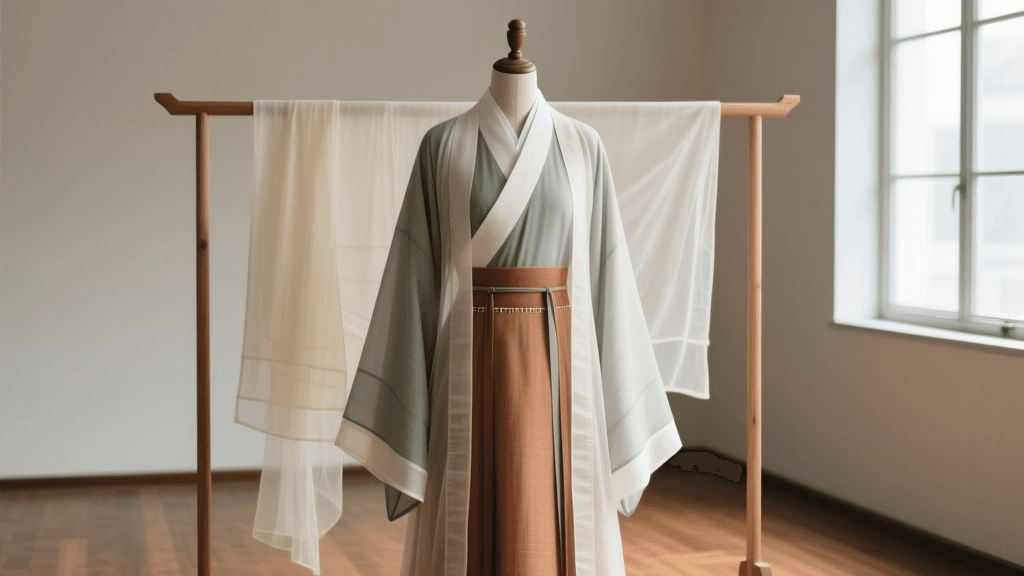
The Song dynasty Beizi is the ultimate travel layer. Characterized by its straight cut, side slits, and front opening, the Beizi functions similarly to a modern duster or light trench coat. For a 2026 spring trip, pack two Beizi: one made of lightweight, breathable crepe for warmer afternoons, and one made of a slightly thicker, textured cotton-linen blend for cooler evenings. The Beizi can be worn over a simple modern camisole and trousers for a subtle, everyday look, or layered over a traditional Ruqun for full historical dress.
The Mamianqun (Pleated Skirt)
The Ming dynasty Mamianqun, or horse-face skirt, is a staple of the Hanfu wardrobe. Its flat front and back panels with pleated sides make it incredibly elegant, but the pleats can be a nightmare to iron on the road. The solution for 2026 travelers is to invest in high-quality, memory-shape polyester blends. Modern textile manufacturing has produced synthetic-natural blends that hold pleats permanently, even after being rolled tightly in a suitcase.
The Ming Dynasty Aoqun (Jacket and Skirt Set)
For destinations with brisk mornings or air-conditioned transit hubs, a Ming-style Ao (a lined or lightly padded jacket with a standing collar and pipa sleeves) provides excellent warmth without sacrificing historical accuracy. Pair it with a solid-colored, unpleated skirt for a streamlined packing experience.
Fabric Technologies: What to Pack
Choosing the right fabric is the single most important decision when packing traditional garments. While pure silk is historically accurate for certain classes and eras, it is highly impractical for travel due to its susceptibility to water spots, wrinkling, and tearing. The Textile Exchange highlights that modern sustainable and tech-blended fabrics are revolutionizing how we approach heritage clothing, offering durability without compromising the visual drape required for traditional silhouettes.
| Fabric Type | Wrinkle Resistance | Travel Suitability | Best Garment Application |
|---|---|---|---|
| Pure Mulberry Silk | Very Low | Poor (Requires steaming) | Formal evening events, photography shoots |
| Raw Linen | Low | Fair (Wrinkles add texture) | Summer Beizi, casual daily wear |
| Crepe Polyester Blend | High | Excellent (Roll and go) | Ruqun tops, lightweight skirts |
| Memory-Shape Tech-Poly | Very High | Excellent (Pleat retention) | Mamianqun (Pleated skirts) |
| Cotton-Linen Twill | Medium | Good (Soft drape) | Ming Ao jackets, trousers |
For a two-week trip, aim for a wardrobe composition of 70% tech-blends and crepes, 20% cotton-linen, and only 10% pure silk reserved for a single, special-occasion outfit.
The Art of Packing Traditional Garments
How you pack your Hanfu is just as critical as what you pack. Abandon the traditional folding methods used for modern Western clothing; traditional garments require specialized packing techniques to preserve their structure and pleats.
The Bundle Wrapping Technique
For your Ruqun tops and Beizi jackets, use the bundle wrapping method. Lay the garment flat, place a soft core (like a rolled-up t-shirt or a dedicated packing sphere) in the center, and wrap the sleeves and hem around the core. This prevents hard creases from forming and maximizes suitcase space.
Preserving the Mamianqun Pleats
Never fold a Mamianqun across the pleats. Instead, lay the skirt flat on a clean surface. Fold the flat front and back panels inward so they meet in the middle, protecting the pleated sides. Then, roll the skirt tightly from the waistband down to the hem. Secure the rolled skirt with a wide, soft silk ribbon or place it inside a dedicated cylindrical garment tube. When you unpack, simply hang the skirt by its waistband; gravity will naturally pull out any minor compression lines.
Utilizing Compression Cubes and Tissue Paper
Use acid-free tissue paper between layers of heavily embroidered garments to prevent friction and snagging. Place your rolled Hanfu pieces into soft-sided compression packing cubes. Avoid hard-shell vacuum bags, as the intense pressure can permanently damage metallic embroidery threads and delicate woven patterns.
Footwear and Accessories for the Modern Traveler
Traditional Hanfu accessories can easily be lost or damaged in transit, and historical footwear is rarely designed for walking 15,000 steps a day on cobblestone streets.
Footwear: Cloud Shoes vs. Modern Alternatives
Traditional Yunxie (cloud shoes) with their upturned toes are beautiful for stationary photography but lack the arch support needed for travel. In 2026, many Hanfu enthusiasts opt for modern, minimalist leather loafers or plain white canvas sneakers. If you want to maintain a traditional silhouette, pack a pair of soft-soled cloth boots with a low, stacked heel, which offer a compromise between historical aesthetics and modern podiatric comfort.
Magnetic Clasps and Hairpins
Replace traditional fabric ties with hidden magnetic clasps for your Ruqun and Beizi. Magnetic clasps prevent the frustration of untying knots in windy conditions or crowded transit areas. For hair accessories, avoid long, fragile metal buyao (dangling hairpins) during the day. Instead, pack sturdy, resin-cast floral clips and simple wooden hair sticks that can withstand being bumped in crowds or tucked into a travel bag without bending.
On-the-Road Garment Care
Even with the best packing strategies, garments will need refreshing during a long trip. Ditch the heavy travel irons, which can easily scorch synthetic blends or delicate linings.
- Portable Handheld Steamer: A compact, dual-voltage handheld steamer is non-negotiable. Steam is gentle on embroidery and effectively removes wrinkles from crepe and tech-poly blends in minutes.
- Static Guard and Wrinkle Release Spray: For quick touch-ups before heading out to a temple or garden, a light mist of travel-sized wrinkle release spray, followed by a gentle tug on the fabric, can smooth out minor creases.
- Spot Cleaning Pens: Traditional garments often feature light-colored inner collars and cuffs that are prone to makeup and sweat stains. A portable enzymatic stain removal pen allows you to treat spots immediately without needing to hand-wash the entire garment in a hotel sink.
Destination Guides: Adapting Your Wardrobe
The cultural and climatic context of your destination should dictate your final packing choices. The Victoria and Albert Museum's Asian Collections emphasize that regional variations in climate historically dictated textile choices, a principle that remains highly relevant for modern travelers.
Xi'an, China: The Heritage Capital
Xi'an in the spring offers mild days and chilly nights. The city is highly accustomed to Hanfu tourism, with rental shops and dedicated photography studios everywhere. However, bringing your own tailored garments ensures a better fit and higher quality fabrics. Pack your Ming dynasty Aoqun for evening walks along the Ancient City Wall, where the wind can be biting. During the day, a lightweight Song Beizi over a cotton-linen Ruqun is perfect for exploring the Muslim Quarter and the Big Wild Goose Pagoda.
Kyoto, Japan: Cross-Cultural Elegance
While Kyoto is famous for Kimono, wearing Hanfu in Japan's cultural capital has become a beautiful expression of cross-cultural appreciation among international travelers in 2026. The key here is subtlety and respect. Opt for muted, nature-inspired colors like sage green, slate blue, or soft plum. Avoid overly flashy, metallic-heavy Ming dynasty court styles, which may clash with the serene, minimalist aesthetic of Kyoto's Zen gardens. A flowing, crepe Song dynasty Beizi paired with a simple, solid-colored skirt perfectly complements the bamboo groves of Arashiyama and the wooden verandas of Kiyomizu-dera.
Conclusion
Traveling with a Hanfu wardrobe in 2026 is no longer a logistical burden; it is a highly rewarding way to engage with Asian heritage. By selecting wrinkle-resistant tech-blends, mastering the art of rolling and bundle-wrapping, and choosing versatile, layer-friendly silhouettes like the Song Beizi, you can ensure that your traditional garments look pristine from the moment you unpack. Embrace the intersection of ancient aesthetics and modern travel technology, and let your wardrobe be a living, breathing part of your cultural journey.