Kimono vs Hanbok vs Cheongsam: 2026 Styling Comparison
The Evolution of Asian Heritage Garments in 2026
As global fashion continues to embrace heritage garments in 2026, the kimono, hanbok, and cheongsam have transcended their strictly ceremonial roots to become sophisticated elements of modern wardrobes and high-fashion crossovers. No longer confined to traditional festivals or weddings, these iconic garments are being reimagined through the lens of contemporary tailoring, sustainable textiles, and modern styling. For international enthusiasts, diaspora communities, and fashion historians alike, understanding the structural and stylistic differences between Japan's kimono, Korea's hanbok, and China's cheongsam (qipao) is essential. This comprehensive guide breaks down the silhouette, construction, and 2026 market trends for these three masterpieces of Asian sartorial tradition.
The Kimono: Mastering the Cylindrical Drape
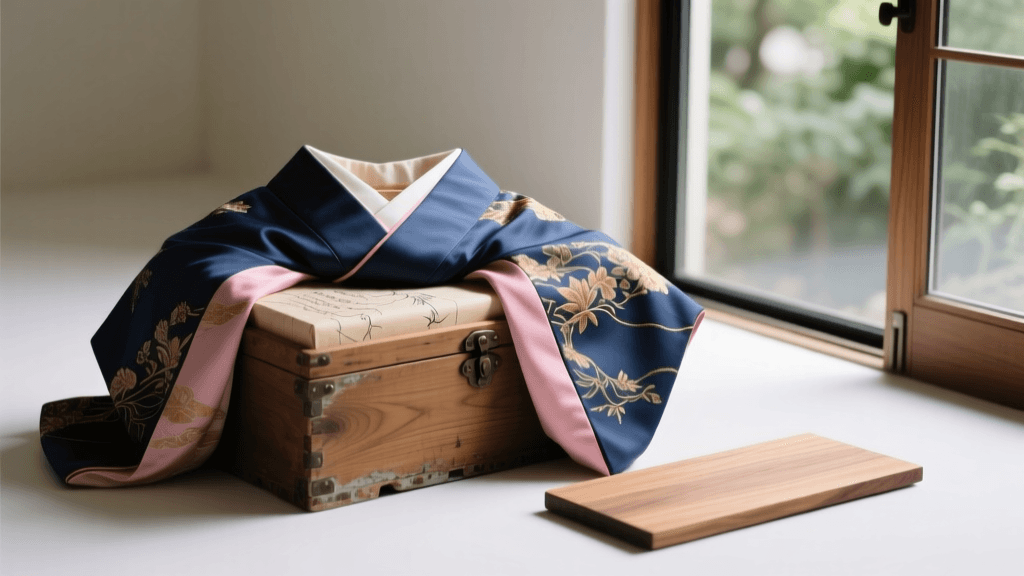
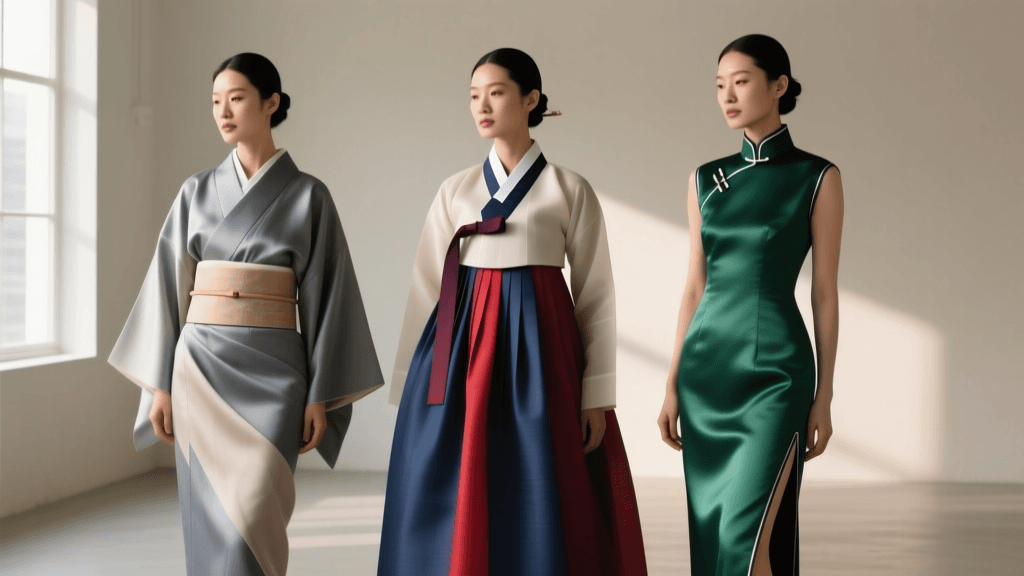
The Japanese kimono is a marvel of geometric construction. Unlike Western garments that are cut to follow the curves of the body, the kimono is constructed from straight bolts of fabric (tanmono), resulting in a T-shaped, cylindrical silhouette. According to the Metropolitan Museum of Art's Heilbrunn Timeline, the kimono's beauty lies not in its tailoring to the body, but in its surface design, drape, and the intricate layering of textiles.
Construction and Fit
The kimono does not use darts or curved seams. Instead, fit is achieved through the ohashori—a fold taken at the waist to adjust the length, which is then concealed beneath the obi (sash). The collar (eri) is crossed left over right (right over left is strictly reserved for dressing the deceased) and pulled snugly at the nape of the neck. In 2026, the rental and bespoke markets in Kyoto and Tokyo have embraced 'smart-silks' and washable synthetic blends that mimic the drape of heavy crepe silk (chirimen) while offering climate-controlled comfort for summer wearers.
2026 Styling and Market Trends
Modern styling in 2026 often pairs the kimono with minimalist leather footwear instead of traditional zori sandals, and utilizes obijime (decorative cords) in bold, contrasting neon hues. The entry-level market for high-quality, ready-to-wash polyester kimonos ranges from $120 to $250, while bespoke, hand-painted silk commissions from master dyers in Kanazawa start at $3,500 and can exceed $15,000 for formal furisode.
The Hanbok: Volume, Flow, and the High Waist
The Korean hanbok is defined by its striking contrast between a fitted upper garment and a voluminous lower half. For women, this consists of the jeogori (a short jacket) and the chima (a full, bell-shaped skirt). For men, it is the jeogori paired with baji (roomy trousers). The silhouette is characterized by soft, flowing curves and a high waistline that elongates the lower body.
Construction and Fit
The hanbok relies on the goreum, a long ribbon tie that secures the jeogori just below the bust. The white, detachable collar (dongjeong) provides a sharp, clean line that frames the face. Historically, the volume of the chima was achieved through multiple layers of petticoats. Today, structural organza and lightweight hoop skirts are used to maintain the bell shape without the heavy insulation of the past. The Victoria and Albert Museum's Asian Collections highlights how the hanbok's flat-cutting technique allows the fabric to move dynamically with the wearer, creating a sense of weightlessness.
2026 Styling and Market Trends
The 'Saenghwal Hanbok' (daily hanbok) movement has fully matured by 2026. Designers in Seoul are utilizing temperature-regulating ramie blends and recycled PET linings to make the garment viable for year-round urban wear. Modern hanbok frequently features detachable sleeves or cropped jeogori that pair seamlessly with high-waisted denim. Ready-to-wear modern hanbok sets are highly accessible, typically priced between $90 and $300, while traditional silk hanbok for weddings or first birthday celebrations (doljanchi) range from $800 to $2,500.
The Cheongsam: Precision Tailoring and the S-Curve
The Chinese cheongsam, also widely known as the qipao, represents a dramatic departure from the loose, concealing drapes of the kimono and hanbok. Originating in the 1920s in Shanghai, the modern cheongsam is a masterclass in form-fitting tailoring, designed to accentuate the natural S-curve of the female figure. The Met Museum's overview of Chinese Dress notes that the qipao represents a fascinating synthesis of traditional Manchu robe elements and Western 3D tailoring techniques.
Construction and Fit
Key structural elements include the mandarin collar, the asymmetrical front flap, side slits for mobility, and pankou (intricate knotted fabric buttons). Unlike the kimono, the cheongsam requires exact, millimeter-precise measurements of the bust, waist, hips, and shoulder slope. Darts are essential to achieve the tailored fit. In 2026, bespoke tailors in Shanghai and Hong Kong are utilizing LiDAR body-scanning technology via smartphone apps to create perfectly fitted digital patterns before cutting luxurious stretch-brocades and eco-friendly peace silks.
2026 Styling and Market Trends
The 2026 cheongsam is highly versatile. While floor-length, heavily embroidered versions remain the standard for weddings and red-carpet events, the 'daily qipao' trend favors knee-length or midi cuts with shorter, relaxed collars and hidden zipper closures for ease of wear. Ready-to-wear stretch-cotton and poly-blend cheongsams cost between $80 and $200. Bespoke, hand-tailored silk qipaos with traditional hand-rolled hems and authentic pankou knots start around $700 and can reach $4,000 for master-crafted pieces.
2026 Comparison Chart: Silhouette, Fit, and Market
To help buyers and stylists navigate these three distinct garments, the following table outlines their core structural and market differences as of 2026.
| Feature | Kimono (Japan) | Hanbok (Korea) | Cheongsam / Qipao (China) |
|---|---|---|---|
| Primary Silhouette | Cylindrical, T-shaped, straight drape | Bell-shaped, high-waisted, voluminous | Form-fitting, S-curve, tailored darts |
| Fastening Method | Obi (wide sash) and obijime (cord) | Goreum (long ribbon tie) | Pankou (knotted buttons) and hidden zips |
| Tailoring Requirement | Low (One size fits most via folding) | Medium (Adjustable ties, standard sizing) | High (Requires exact body measurements) |
| 2026 Fabric Trend | Washable smart-silks, zero-waste cotton | Temperature-regulating ramie, organza | Stretch-brocade, LiDAR-scanned peace silk |
| RTW Price Range (2026) | $120 - $400 | $90 - $300 | $80 - $250 |
| Bespoke Price (2026) | $3,500 - $15,000+ | $800 - $2,500 | $700 - $4,000 |
Practical Buying and Styling Advice for 2026
When integrating these garments into a modern wardrobe, understanding the context and proper styling is crucial to maintaining cultural respect while achieving a contemporary aesthetic.
Choosing the Right Garment for Your Body and Occasion
- For Concealment and Comfort: The kimono and hanbok are ideal. Their loose, non-restrictive fits are forgiving and comfortable for long events, outdoor festivals, or occasions where sitting on the floor is expected.
- For Formal Elegance and Structure: The cheongsam is unparalleled. Its tailored fit makes it perfect for galas, evening dinners, and professional settings where a sharp, polished silhouette is desired.
- For Movement and Dance: The hanbok's flowing chima and lightweight jeogori allow for a spectacular range of motion, making it a favorite for performers and dancers.
Footwear and Accessory Pairings
In 2026, strict adherence to historical footwear is no longer mandatory for semi-formal or daily wear. While traditional zori (Japan), kkotsin (Korea), and embroidered silk heels (China) are required for weddings and tea ceremonies, modern styling allows for sleek leather loafers, minimalist ankle boots, and block-heeled mules. When accessorizing, let the garment speak. The kimono's obi is the focal point; the hanbok's goreum and dongjeong frame the face; the cheongsam's pankou and side slits provide the visual interest. Keep jewelry minimal—think jade pendants, pearl studs, or modern metallic cuffs—to avoid clashing with the intricate textiles.
Care and Maintenance
Heritage garments require specialized care. While 2026 has seen a rise in machine-washable 'daily' versions of all three garments, traditional silks must be dry-cleaned or professionally spot-treated. Kimonos should be unpicked and washed as flat bolts by specialists every few decades. Hanbok skirts should be stored hanging to maintain their pleats, while cheongsams must be stored flat or rolled to prevent the delicate pankou knots and side seams from warping under their own weight.
Conclusion
The kimono, hanbok, and cheongsam are not static relics of the past; they are living, breathing textiles that continue to evolve. By understanding the unique architectural differences—from the kimono's geometric drape to the hanbok's voluminous flow and the cheongsam's precision tailoring—wearers in 2026 can make informed, respectful, and highly stylish choices. Whether you are investing in a bespoke silk qipao for a gala or adopting a modern ramie hanbok for daily wear, these garments offer a profound connection to Asian heritage while remaining firmly rooted in the future of global fashion.