Vintage Kimono Storage Preservation Guide 2026: Archival Care
The Science of Silk: Why Kimono Preservation Matters in 2026
Preserving vintage Japanese garments requires a meticulous understanding of material science, environmental control, and traditional handling techniques. Unlike modern synthetic blends, vintage kimonos from the Meiji, Taisho, and early Showa eras are predominantly crafted from protein-based silk fibers, metallic threads (surihaku), and natural dyes. These organic materials are inherently susceptible to environmental degradation, including photodegradation from UV light, hydrolysis from fluctuating humidity, and biological threats from textile pests.
As we navigate 2026, the standard for museum-grade textile storage has evolved, blending centuries-old Japanese wisdom with modern conservation technology. Whether you are managing a private collection of uchikake (wedding kimonos) or preserving a family heirloom, implementing a rigorous archival storage protocol is essential. According to the American Institute for Conservation (AIC) Textile Wiki, improper folding and acidic storage environments are the leading causes of irreversible silk shattering in historical garments.
The First Line of Defense: Tatou Paper and Proper Folding
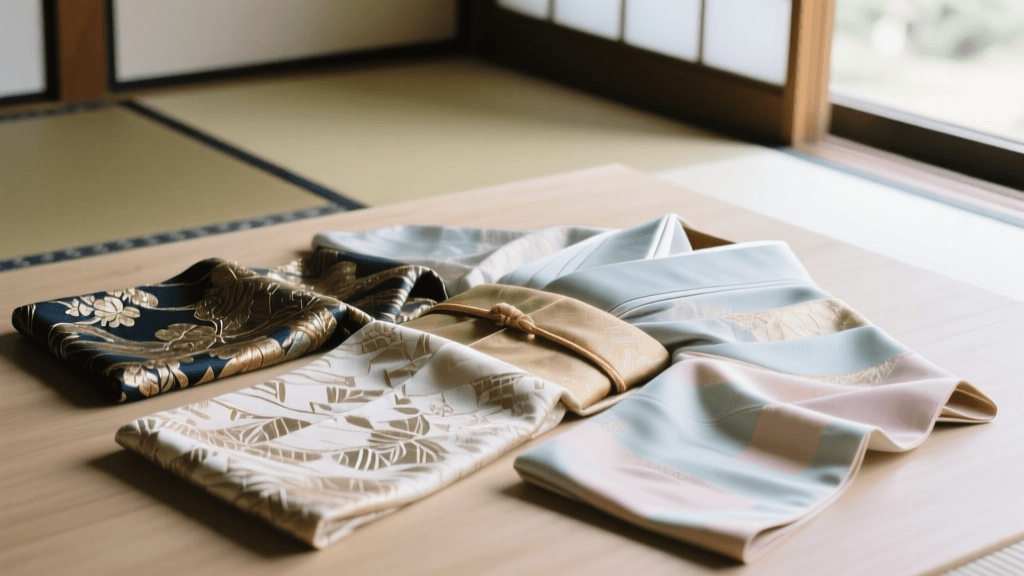
The foundation of kimono storage is the tatou (たとう), a specialized paper wrapper used to protect folded garments from dust, light, and abrasion. In 2026, sourcing authentic, unbuffered, acid-free washi paper is non-negotiable. Standard wood-pulp paper contains lignin and acidic sizing agents that will off-gas over time, causing yellowing and brittle degradation of the silk fibers it touches.
When purchasing tatou paper, look for 100% kozo (mulberry) fiber papers that are pH-neutral. Modern archival suppliers now offer breathable, water-marked washi papers specifically engineered for protein fibers, ensuring that the garment can 'breathe' while remaining shielded from airborne pollutants.
Step-by-Step Archival Folding Technique
The traditional folding method, known as hon-datami, is designed to align the seams and distribute the weight of the garment evenly. However, sharp folds act as stress points that will eventually snap fragile silk threads.
- Preparation: Ensure your hands are clean and dry, or wear unbleached cotton archival gloves. Lay the kimono face down on a clean, acid-free tissue sheet.
- The Hon-Datami Fold: Fold the sleeves back, align the side seams, and fold the body in thirds. Keep the collar flat and unpinned; never use metal pins or clips, which will rust and stain the silk.
- Padding the Creases: This is the most critical step for long-term preservation. Roll small 'sausages' of acid-free, unbuffered tissue paper and place them inside every major fold line. This prevents hard creases and reduces tension on the silk fibers.
- Wrapping: Place the folded, padded kimono in the center of the tatou paper and wrap it using the traditional envelope fold, securing it with a cotton tie or a strip of the same washi paper. Never use adhesive tape.
Choosing the Right Vessel: Kiri, Sugi, and Modern Alternatives
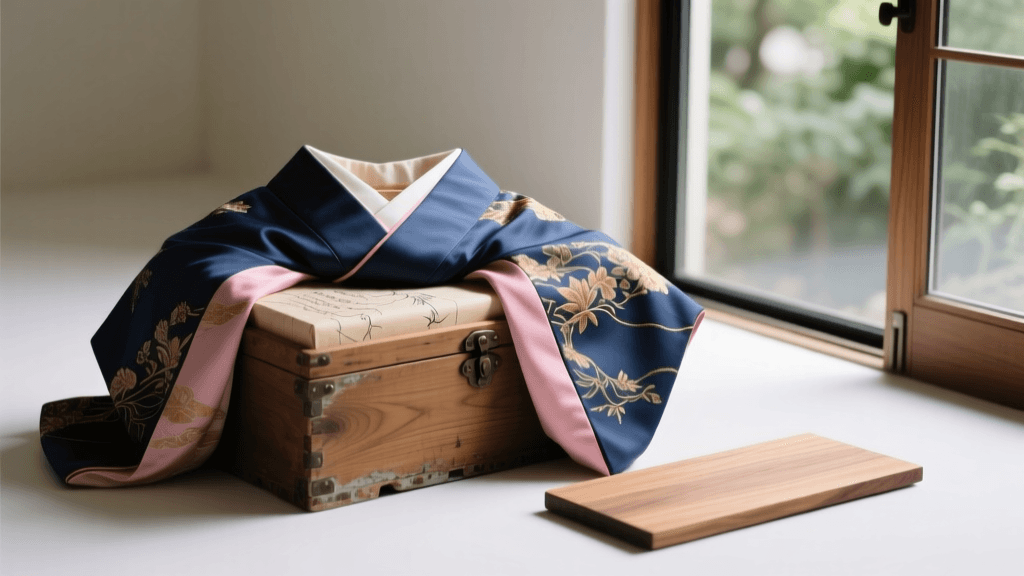
Once wrapped, the kimono must be housed in a protective container. Historically, Japanese collectors have relied on specific woods, but modern conservation offers alternative solutions depending on your climate and budget.
| Material | Pros | Cons | Best For | 2026 Est. Cost |
|---|---|---|---|---|
| Kiri (Paulownia) Wood | Naturally fire-resistant, regulates humidity, traditional aesthetic. | Heavy, expensive, requires periodic sanding to maintain efficacy. | High-value antique kimonos, long-term heirloom storage. | $350 - $800+ |
| Sugi (Japanese Cedar) | Aromatic (natural pest deterrent), beautiful grain, lightweight. | Can off-gas acidic resins if not properly aged/cured; may stain light silks. | Robust garments, outerwear (haori), non-metallic silks. | $200 - $500 |
| Archival Polypropylene (PP) | Chemically inert, waterproof, pest-proof, highly affordable. | Traps moisture if sealed with damp garments; lacks traditional appeal. | Humid climates, basement storage, large voluminous collections. | $40 - $120 |
If opting for wooden chests, ensure the interior is lined with unbleached, undyed cotton muslin or archival polyester sheeting to create a barrier between the wood's natural resins and the silk. For modern plastic bins, only use Polypropylene (PP) or Polyethylene (PE) plastics, identifiable by the recycling numbers 5 and 2, respectively. Avoid PVC (number 3), which releases hydrochloric acid as it degrades.
Climate Control: Managing Humidity and Temperature
Silk is highly hygroscopic, meaning it absorbs and releases moisture from the surrounding air. Rapid fluctuations in relative humidity (RH) cause the fibers to expand and contract, leading to structural fatigue. The Victoria and Albert Museum's textile care guidelines recommend maintaining a stable environment for historic silks, ideally between 45% and 55% RH, with temperatures around 65°F (18°C).
In 2026, private collectors are increasingly utilizing smart environmental monitors. Compact, Wi-Fi-enabled data loggers can be placed inside cedar chests or storage rooms to track micro-climates in real-time, sending alerts to your smartphone if humidity spikes or drops beyond safe thresholds. To manage moisture passively inside storage vessels, use rechargeable silica gel cassettes or modern moisture-absorbing polymer sheets. Avoid liquid chemical dehumidifiers, which pose a severe spill risk to irreplaceable textiles.
Pest Management Without Chemical Damage
The webbing clothes moth (Tineola bisselliella) and the carpet beetle are the natural enemies of silk and wool. Historically, collectors relied on naphthalene or paradichlorobenzene (PDB) mothballs. However, these chemical fumigants are now strictly avoided in professional conservation. Not only are they toxic to humans, but their vapors can react with moisture to form acidic compounds that tarnish metallic threads and degrade silk dyes.
For safe pest management in 2026, adopt an Integrated Pest Management (IPM) approach:
- Natural Repellents: Use natural camphor (shounou) or dried lavender sachets. Crucially, these must never touch the garment directly; place them in small muslin bags and pin them to the inside of the storage chest's lid.
- Quarantine: Any newly acquired vintage kimono should be isolated in a sealed polypropylene bin for at least three weeks before being introduced to your main collection to ensure no dormant eggs are present.
- Freezing Protocol: If an active infestation is suspected, the garment can be sealed in a plastic bag and frozen at -4°F (-20°C) for 72 hours to kill all life stages of the pest. Allow the bag to return to room temperature slowly before opening to prevent condensation on the silk.
Digital Collection Management for the Modern Archivist
Physical preservation is only half the battle; meticulous documentation is equally vital. Handling a fragile kimono repeatedly to check its condition or verify its provenance causes unnecessary wear. In 2026, digital collection management is highly accessible for private collectors.
Utilize database software or customized spreadsheet templates to log each garment. Your digital record should include:
- High-Resolution Photography: Capture the front, back, lining, and any damage or stains. Use a color-checker passport in the frame to ensure accurate color representation.
- Condition Reports: Note areas of weakness, such as shattering silk, oxidized metallic threads, or dye bleeding, updating this log annually.
- Provenance and Metadata: Record the era, estimated date, weave type (e.g., chirimen, rinzu, tsumugi), and any historical context or previous ownership.
By centralizing this data, you minimize physical handling and ensure that the historical context of your collection is preserved for future generations.
Conclusion
Preserving a vintage kimono collection is an act of cultural stewardship. By combining traditional Japanese wrapping techniques with 2026's best practices in climate monitoring and inert material storage, you can halt the march of time on these exquisite textiles. Remember that preservation is not a one-time task, but an ongoing commitment to environmental stability, careful handling, and vigilant pest management. Treat your silks with the respect they demand, and they will continue to tell their vibrant stories for centuries to come.