Best Japanese Fashion Schools & Kimono Apprenticeships 2026
The Evolution of Japanese Garment Education in 2026
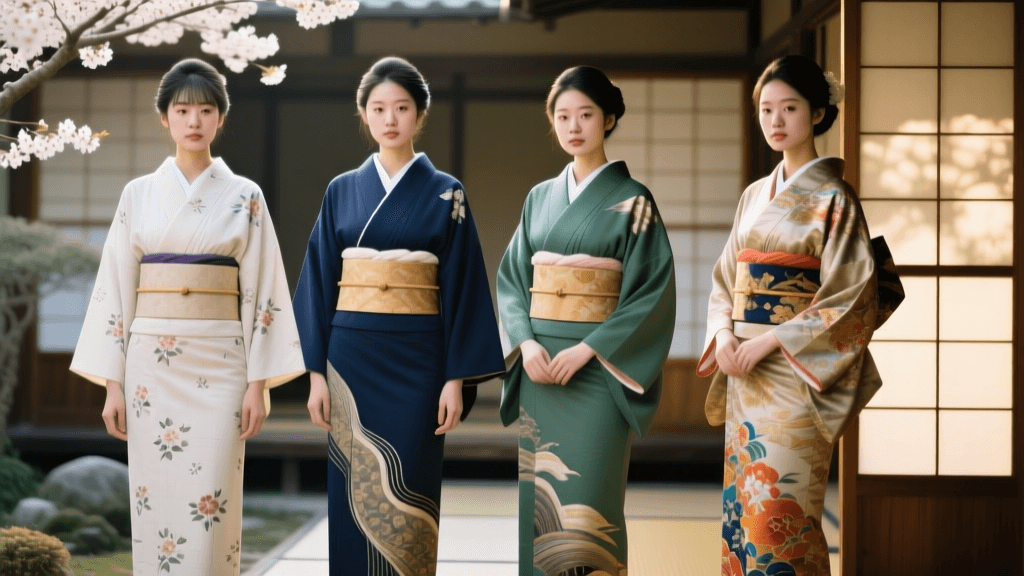
Japan remains the undisputed global epicenter where avant-garde fashion meets centuries-old textile traditions. For aspiring designers, pattern makers, and textile artisans, the year 2026 presents a unique crossroads. On one hand, modern institutions are integrating AI-driven 3D pattern drafting with heritage weaving techniques. On the other, the ancient shokunin (artisan) apprenticeship system in Kyoto continues to demand years of rigorous, sensory-rich dedication to preserve techniques like Kyo-Yuzen dyeing and Nishijin weaving. Understanding the distinct pathways of Japanese fashion education and traditional apprenticeships is crucial for anyone looking to immerse themselves in Asian garment traditions this year.
Modern Institutions: Bunka Fashion College & Esmod Tokyo
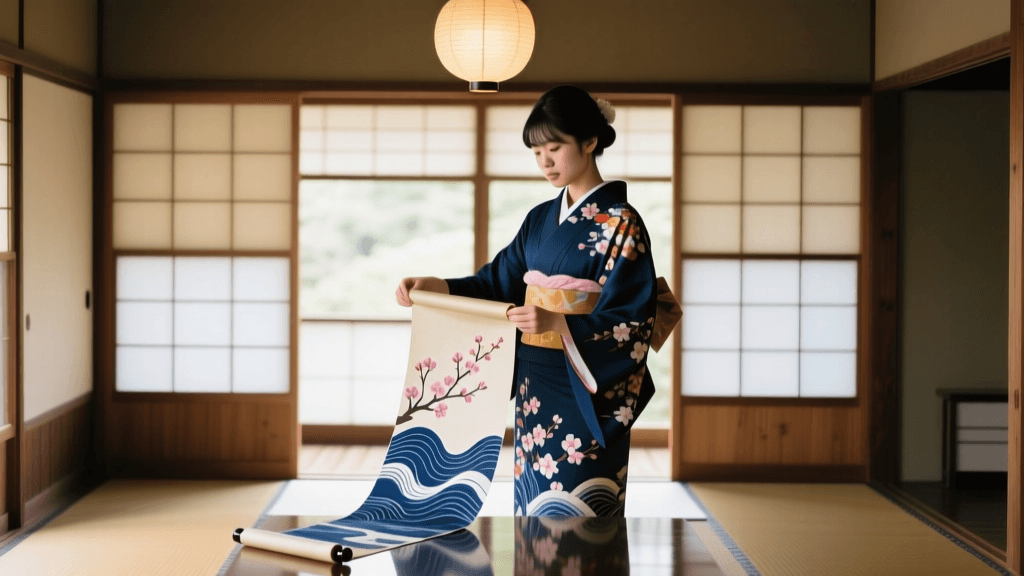
For those seeking a globally recognized degree with a foundation in Japanese aesthetics, Tokyo’s premier fashion schools remain the gold standard. As of the 2026 academic year, Bunka Fashion College has expanded its highly sought-after 'Heritage Textiles' module. This curriculum bridges the gap between historical garment construction and modern sustainability, teaching students how to adapt traditional sashiko (running stitch) and boro (mending) techniques for contemporary, zero-waste streetwear.
Tuition at Bunka for the 2026 intake averages around 1,450,000 JPY annually, excluding materials and living expenses. The environment is intensely fast-paced, mirroring the rhythm of Tokyo's fashion weeks. Students spend their days in digital labs utilizing CLO3D software to simulate the drape of heavy silk brocades, before moving to physical studios to cut and sew. The focus here is on innovation, commercial viability, and the international export of Japanese design philosophies.
The Sensory Experience of the Modern Studio
While modern schools rely heavily on technology, the sensory experience of the Japanese studio remains intact. The hum of industrial Juki sewing machines, the crisp sound of heavy shears gliding through silk crepe, and the meticulous, almost meditative organization of the studio space reflect a distinctly Japanese approach to craftsmanship. Students are taught that the physical handling of the fabric is just as important as the digital blueprint.
The Traditional Path: Kyoto Kimono & Yuzen Apprenticeships
In stark contrast to Tokyo’s high-speed fashion incubators, Kyoto offers a deeply traditional route: the artisan apprenticeship. Entering a Kyo-Yuzen dye house or a Nishijin weaving workshop in 2026 is not merely an educational choice; it is a commitment to a specific life stage and spiritual discipline. The traditional deshi (apprentice) system is built on the concept of minarai—learning by watching.
For the first one to two years, an apprentice in a Yuzen studio may do little more than wash brushes, mix natural dyes, and maintain the charcoal braziers used to steam the silk. This seemingly menial work is deeply tied to Zen spirituality and mindfulness. It teaches the apprentice patience, humility, and an intimate, sensory understanding of the materials. The pungent, earthy aroma of fermented indigo (sukumo) and the metallic tang of alum mordants become the backdrop of their daily lives.
Life Stages of the Shokunin
- Minarai (Years 1-2): Observation and studio maintenance. The apprentice learns the rhythm of the master’s work and the precise care required for delicate silk bolts.
- Shitaji (Years 3-5): Foundational skill building. The apprentice begins practicing basic resist-paste application (itome-nori) and learns to stretch the fabric on bamboo frames (hari) without tearing the fibers.
- Dokuritsu (Years 5-10+): Independence. After a decade of rigorous training, the artisan may finally be recognized as a master, capable of taking on their own apprentices and innovating within the strict boundaries of the tradition.
2026 Comparison: Fashion School vs. Traditional Apprenticeship
Choosing between a modern fashion school and a traditional apprenticeship requires a clear understanding of your career goals, financial situation, and tolerance for ambiguity. Below is a structured comparison for prospective students in 2026.
| Feature | Bunka Fashion College (Modern) | Kyoto Yuzen Apprenticeship (Traditional) |
|---|---|---|
| Duration | 2 to 4 Years | 5 to 10+ Years |
| Primary Focus | Contemporary design, pattern making, commercial fashion | Heritage preservation, hand-dyeing, master-level craftsmanship |
| Annual Cost / Stipend | ~1,450,000 JPY (Tuition) | Often unpaid; requires personal living stipend (~150,000 JPY/mo) |
| Language Requirement | JLPT N2 (or English track available) | JLPT N1 (Fluent business/keigo Japanese mandatory) |
| Visa Category | Student Visa (Ryugaku) | Cultural Activities Visa or Designated Activities |
| Career Outcome | Fashion Designer, Pattern Maker, Brand Director | Master Artisan, Heritage Conservator, Independent Dyer |
Navigating Visas, Funding, and Applications
For international applicants, the bureaucratic landscape of Japanese education requires careful planning. According to the Japan Student Services Organization (JASSO), securing a Student Visa for accredited institutions like Bunka or Esmod is a straightforward process, provided you have the necessary financial guarantees and a Certificate of Eligibility (COE). Scholarships such as the MEXT scholarship are highly competitive but remain available for 2026 applicants focusing on cultural preservation research.
However, securing a visa for a traditional apprenticeship is significantly more complex. The Japanese Ministry of Foreign Affairs categorizes unpaid or low-paid craft learning under the Cultural Activities Visa. This visa typically limits stays to one year, which is insufficient for a true shokunin apprenticeship. To stay longer, international artisans often must enroll in a local Kyoto traditional arts university concurrently, or secure a specialized 'Instructor' or 'Specialist in Humanities' visa by partnering with a registered heritage cooperative that can legally employ them as a junior craftsperson.
Actionable Steps for 2026 Applicants
- Build a Portfolio of Patience: If applying for a Kyoto apprenticeship, do not submit a portfolio of wild, avant-garde designs. Instead, document your dedication to repetitive, meticulous tasks. Show your understanding of natural fibers, dye chemistry, and traditional Asian garment structures.
- Master Keigo (Honorific Japanese): Traditional workshops operate on strict seniority hierarchies. Passing the JLPT N1 is not enough; you must understand the nuanced honorific language used when addressing a master artisan.
- Network at Heritage Guilds: Attend exhibitions hosted by the Kyoto Higashiyama Traditional Crafts Center. Many masters in 2026 are actively seeking dedicated foreign apprentices to help keep their guilds alive amidst Japan's aging population, but they require face-to-face introductions.
Preserving the Zen Spirit in Modern Textile Crafting
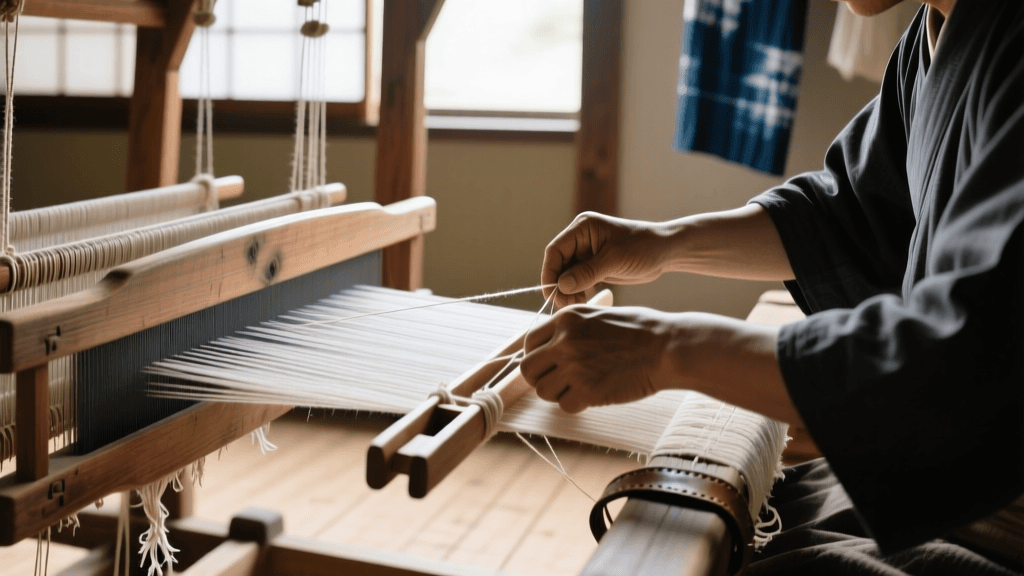
Whether you choose the neon-lit studios of Tokyo or the incense-scented workshops of Kyoto, the core philosophy of Japanese garment creation remains rooted in Zen spirituality. The concept of ichigo ichie (one time, one meeting) applies to every cut of the shears and every stroke of the dye brush. In an era where global fast fashion produces millions of identical, disposable garments, the Japanese educational system—both modern and traditional—reminds us that clothing is a profound intersection of human life, natural resources, and cultural memory.
'To weave Nishijin silk is not merely to interlace threads; it is to weave the passage of time itself. The loom does not forgive a distracted mind.' — Master Weaver, Nishijin Textile Center, 2026.
Final Thoughts for the Aspiring Artisan
The landscape of Japanese fashion education in 2026 offers unparalleled opportunities for those willing to respect the past while designing the future. If your goal is to launch a global brand infused with Japanese aesthetics, the rigorous, structured environment of a Tokyo fashion school will provide the technical and business acumen you need. If your soul yearns for the quiet mastery of the dye pot and the loom, prepare yourself for a decade of humility, sensory immersion, and profound personal transformation in the historic workshops of Kyoto. Both paths honor the rich tapestry of Asian traditions, ensuring that the legacy of the Japanese garment endures for generations to come.