Japanese Kimono Formality Guide 2026: Yukata to Furisode
Introduction to Japanese Kimono Formality in 2026
The Japanese kimono is far more than a simple garment; it is a deeply codified system of cultural expression, artistry, and social etiquette. As we navigate 2026, the global appreciation for traditional Asian garments has surged, driven by a renewed interest in sustainable fashion, artisanal craftsmanship, and cultural heritage. However, for both newcomers and seasoned enthusiasts, understanding the strict hierarchy of kimono formality remains a complex endeavor. According to historical context provided by Encyclopædia Britannica, the kimono evolved from the kosode of the Edo period into the highly structured T-shaped robe we recognize today, with specific rules governing who can wear what, and when.
In modern Japan, the concept of TPO (Time, Place, and Occasion) dictates wardrobe choices. Wearing a highly formal garment to a casual summer festival is considered just as much of a faux pas as wearing casual cotton to a formal wedding. This comprehensive 2026 guide will break down the essential types of Japanese kimono, from the relaxed yukata to the breathtakingly formal furisode, ensuring you are perfectly dressed for any occasion.
The Kimono Formality Hierarchy
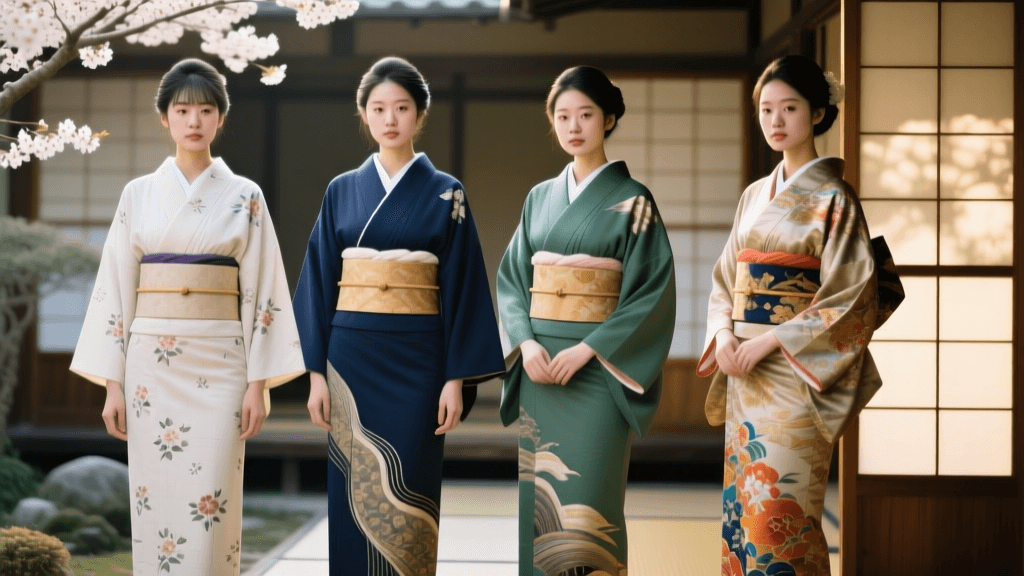
Before diving into the specific garment types, it is helpful to visualize the hierarchy of formality. The table below outlines the primary kimono types, their designated formality levels, standard sleeve lengths, and the average rental costs in Japan as of 2026.
| Garment Type | Formality Level | Sleeve Length | Target Demographic | 2026 Avg. Rental (JPY) |
|---|---|---|---|---|
| Yukata | Casual | 50-55 cm | Unmarried & Married | 3,000 - 5,500 |
| Komon | Semi-Casual | 55-60 cm | Unmarried & Married | 5,000 - 8,000 |
| Houmongi | Semi-Formal | 55-60 cm | Unmarried & Married | 10,000 - 18,000 |
| Furisode | Formal | 100-114 cm | Unmarried Women | 150,000 - 280,000 |
| Kurotomesode | Ultra-Formal | 55-60 cm | Married Women | 20,000 - 35,000 |
Yukata: Summer Casual Wear
The yukata is the most accessible and widely recognized form of traditional Japanese dress, particularly among international tourists and younger generations. Originally designed as a lightweight bathing robe for the nobility during the Heian period, it has evolved into the quintessential summer festival garment. As noted by cultural experts at Japan Guide, the yukata is typically made from breathable cotton, hemp, or modern high-tech cooling blends that have become highly popular in the sweltering summers of 2026.
Unlike silk kimono, the yukata does not require the complex layering of undergarments (nagajuban) and is worn directly over basic modern undergarments. It is paired with a simple, narrow sash called a hanhaba obi and wooden clogs known as geta. The patterns are often playful, featuring fireworks, morning glories, or contemporary pop-culture motifs. While it is strictly casual wear, the yukata remains a vital part of Japan's summer cultural landscape, especially during Obon festivals and fireworks displays.
Komon: Everyday Elegance
Stepping up the formality ladder, we find the komon, which translates to "small pattern." A komon kimono is characterized by a repeating design that covers the entire garment, with no distinct focal point or directional flow. This makes it incredibly versatile for everyday elegance. In 2026, vintage komon from the mid-20th century are highly sought after in the sustainable fashion market, offering high-quality silk chirimen (crepe) at a fraction of the cost of new artisan pieces.
The komon is appropriate for casual outings, such as visiting a local cafe, attending a casual tea ceremony practice, or taking a stroll through a botanical garden. It is always paired with a nagajuban (under-robe) to protect the silk and provide the necessary collar structure. The obi worn with a komon is typically a Nagoya obi, which is pre-folded and stitched for easier tying, making the art of kitsuke (kimono dressing) more manageable for beginners.
Edo Komon: A Masterclass in Micro-Dyeing
A highly prestigious sub-category is the Edo Komon. Originating from the samurai class of the Edo period, these garments appear solid from a distance but reveal incredibly intricate, microscopic patterns upon closer inspection. Some master artisans can achieve up to 300 dots per square inch using traditional paper stencils (katagami). An Edo Komon paired with a formal Fukuro obi can easily be elevated to semi-formal status, bridging the gap between everyday wear and high-society events.
Houmongi: The Versatile Semi-Formal Choice
The houmongi, meaning "visiting wear," is the workhorse of the semi-formal kimono wardrobe. It is suitable for both married and unmarried women and is the go-to choice for attending weddings (as a guest), formal tea ceremonies, and graduation ceremonies. The defining characteristic of a houmongi is its "eba" dyeing technique. The pattern is designed to flow continuously across the seams of the kimono, creating a single, cohesive canvas-like image when the garment is laid flat.
According to the extensive textile archives at the Victoria and Albert Museum, the houmongi's seamless visual flow represents a pinnacle of Japanese dyeing artistry, requiring the fabric to be temporarily basted together before the Yuzen dyeing process begins. In 2026, modern houmongi often feature subtle, elegant motifs like flowing water, seasonal flora, or abstract geometric clouds in muted, sophisticated color palettes. It is paired with a luxurious Fukuro obi and formal zori sandals.
Tsukesage: The Step Below
Often confused with the houmongi is the tsukesage. While similar in formality, the tsukesage features patterns that are dyed onto individual panels before the kimono is sewn, meaning the designs do not cross the seams. It is slightly less formal than a houmongi and is perfect for upscale dinners, theater outings, and semi-formal parties.
Furisode: The Pinnacle of Unmarried Women's Formalwear
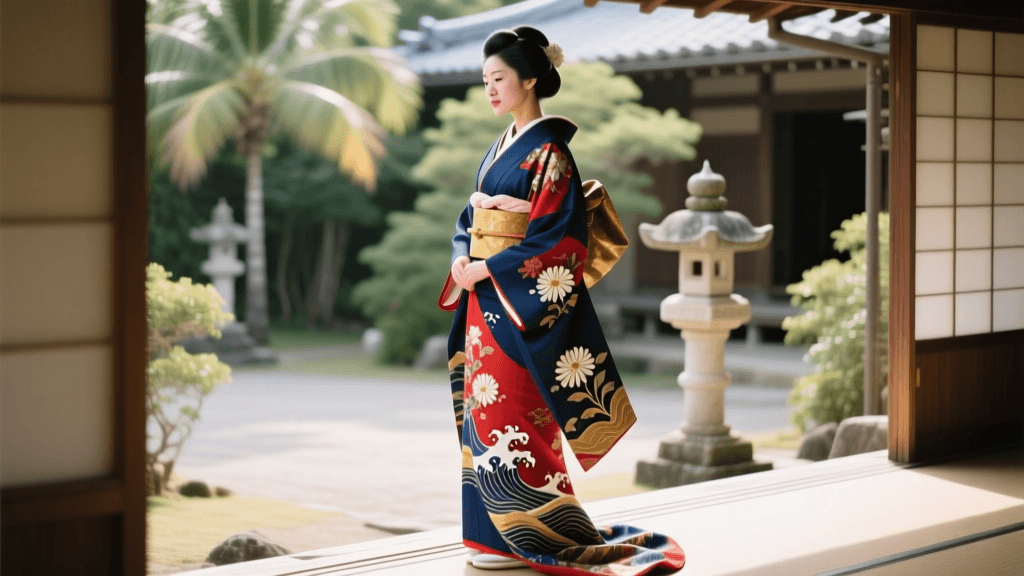
When it comes to unmarried women, nothing commands attention quite like the furisode. Translating to "swinging sleeves," the furisode is instantly recognizable by its dramatically long sleeves, which can range from 85 cm (ko-furisode) to an astonishing 114 cm (oh-furisode). Historically, the swinging of the long sleeves was believed to ward off evil spirits and attract good fortune, while also serving as a subtle visual signal of a woman's unmarried status to potential suitors.
Today, the furisode is the undisputed standard for Seijin Shiki (Coming of Age Day), a national holiday in Japan celebrating those who have reached the age of majority. In 2026, the rental market for furisode is a massive industry, with young women booking their appointments up to a year in advance. The garments are heavily brocaded, featuring lavish gold and silver leaf accents (surihaku) and intricate tie-dye (shibori) techniques. Because of the immense amount of silk and labor required, purchasing a new, custom-tailored furisode can cost upwards of 1,000,000 JPY, making the 2026 rental market, which includes full dressing services, photography, and hair styling, the preferred route for most families.
Tomesode: The Married Woman's Formal Standard
Once a woman marries, she traditionally transitions away from the long-sleeved furisode and adopts the tomesode for formal events. The tomesode is divided into two categories: Kurotomesode (black) and Irotomesode (colored).
- Kurotomesode: The most formal kimono for married women. It is entirely black, save for five family crests (kamon) and a beautiful, continuous pattern along the lower hem. It is strictly reserved for the closest relatives of the bride and groom at a wedding.
- Irotomesode: Featuring a solid color background (such as deep plum, navy, or sage green) with a hem pattern and one to five crests. It is slightly less formal and can be worn by married women to a variety of high-society events, including imperial garden parties and award ceremonies.
Essential Accessories and Layering
A kimono is never worn alone; it is part of a complex ecosystem of accessories that must also adhere to the rules of formality.
The Obi (Sash)
The obi is arguably as important as the kimono itself. A casual yukata requires a simple cotton hanhaba obi. A komon pairs well with a Nagoya obi, which is lighter and easier to tie into the ubiquitous taiko musubi (drum knot). Formal garments like the houmongi and furisode demand a Fukuro obi—a long, wide, and heavily brocaded sash that can cost more than the kimono itself. In 2026, antique Fukuro obi featuring genuine gold thread are highly prized collectors' items.
Obiage and Obijime
These are the finishing touches that secure the obi and add a pop of color. The obiage is a silk sash peeking out from the top of the obi, while the obijime is a braided cord tied around the center. For formal wear in 2026, the trend leans toward subtle, tonal coordination rather than the high-contrast color blocking popular in the early 2000s.
"The true beauty of the kimono lies not just in the silk, but in the negative space and the subtle interplay of colors between the obi, obiage, and obijime. It is an exercise in restrained elegance." — Master Kitsuke Instructor, Kyoto, 2026.
2026 Pricing Guide: Buying vs. Renting
The economics of kimono ownership have shifted significantly. With the rise of online vintage marketplaces and specialized recycling shops (reuse shops) across Tokyo and Kyoto, acquiring authentic silk kimono has never been more affordable for the everyday consumer. A high-quality, second-hand komon can be purchased for as little as 5,000 to 15,000 JPY in 2026. However, the hidden costs lie in the maintenance. Silk kimono require specialized dry cleaning (maruarai) and professional re-stitching (tokoshiboshi) to prevent mold and fabric degradation, which can cost upwards of 20,000 JPY per garment.
Conversely, the rental market remains robust for formal events. Renting ensures that the garment is perfectly pressed, professionally accessorized, and that the wearer does not have to worry about the logistical nightmare of transporting and storing delicate silks during humid Japanese summers. For tourists visiting Japan in 2026, many rental shops in Asakusa and Higashiyama now offer AI-driven virtual try-on mirrors, allowing customers to visualize complex formal layers before committing to a full-day rental package.
Conclusion
Navigating the world of Japanese kimono formality is a rewarding journey into one of Asia's most enduring cultural traditions. Whether you are slipping into a breezy cotton yukata for a summer evening or donning a magnificent, long-sleeved furisode for a coming-of-age celebration, understanding the rules of TPO ensures that you honor the garment's rich history. As the global fashion community continues to embrace the sustainability and artistry of traditional Asian dress in 2026, the kimono stands as a timeless testament to the beauty of intentional, mindful dressing.