Guide To Kyoto Kimono & Nishijin Weaving Schools 2026
Preserving the Thread: Japanese Fashion Education in 2026
The landscape of traditional Japanese garment preservation has evolved significantly as we navigate through 2026. With a global resurgence of interest in sustainable, artisanal fashion, the demand for authentic kimono, obi, and traditional textiles has surged both domestically and internationally. However, the aging demographic of master artisans in Japan has necessitated a robust, modernized approach to education and apprenticeship. Today, Japanese fashion education schools and apprenticeship programs are blending centuries-old techniques with contemporary pedagogical methods, ensuring that the soul of Asian traditions survives and thrives in the modern era.
For aspiring textile artists, fashion historians, and cultural preservationists, Kyoto remains the undisputed epicenter of traditional garment education. The city offers a unique ecosystem where vocational workshops, prestigious art universities, and centuries-old weaving cooperatives intersect. Whether you are looking to master the mathematical precision of Nishijin-ori brocade weaving, the meticulous art of Yuzen dyeing, or the elegant geometry of kitsuke (kimono dressing), the educational pathways available in 2026 are more structured and accessible than ever before.
Nishijin-Ori Weaving Apprenticeships: The Loom Masters
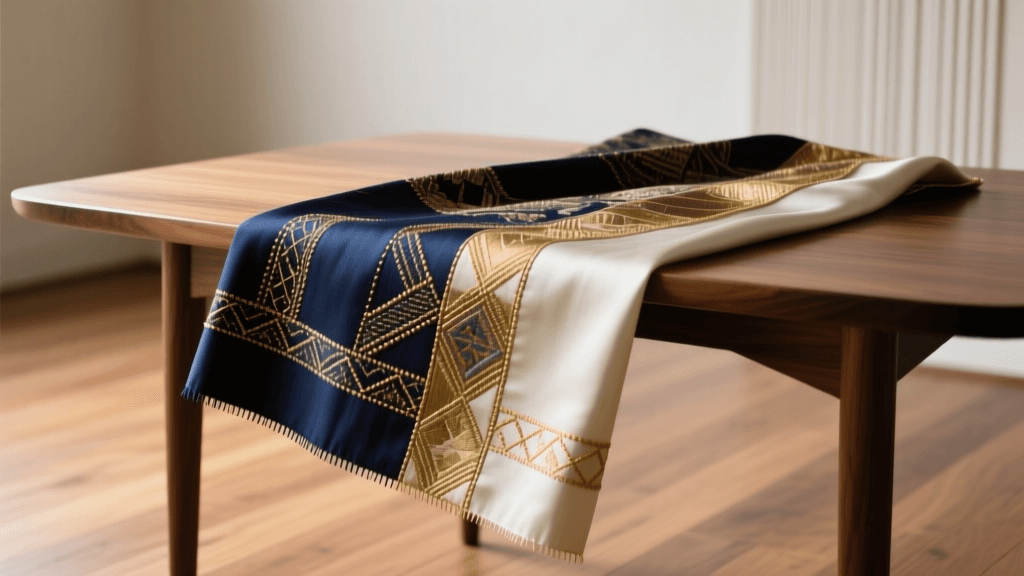
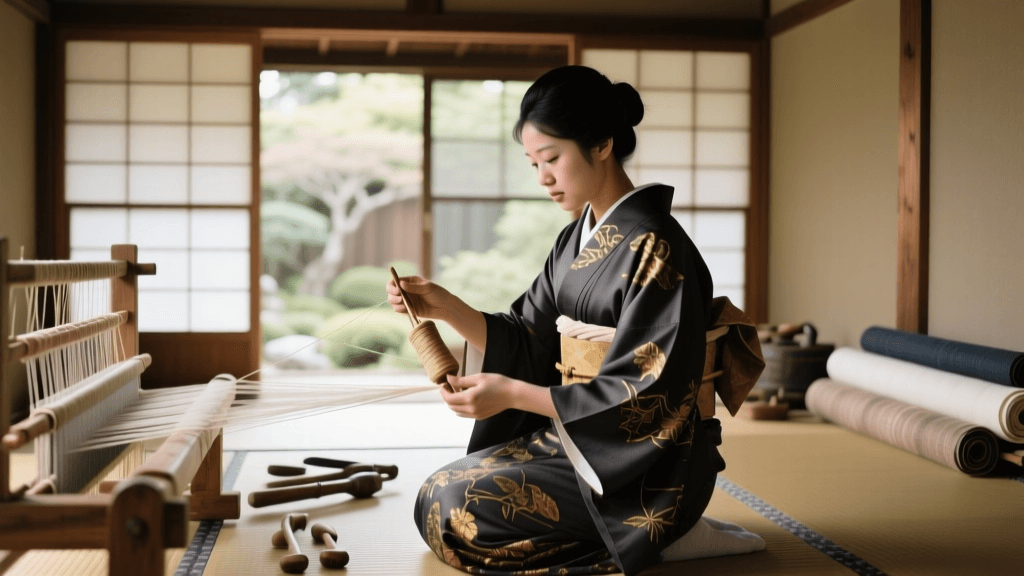
Nishijin-ori, the legendary brocade weaving of Kyoto, requires immense physical endurance, mathematical precision, and an intimate understanding of raw silk. Historically, this knowledge was passed down through the strict, closed-door uchi-deshi (live-in apprentice) system. In 2026, however, the apprenticeship model has shifted toward structured vocational partnerships and cooperative training programs designed to attract a wider, more diverse demographic of learners.
The Nishijin Textile Center remains a pivotal hub for both public education and professional apprenticeship matchmaking. Aspiring weavers typically begin with a foundational vocational course lasting one to two years, learning the mechanics of both modern Jacquard looms and traditional tebata (handlooms). Following this, apprentices are placed with master weavers in the Nishijin district for a paid residency that lasts between three to five years.
Apprenticeship Structure and Financial Support
One of the most significant developments in 2026 is the expansion of government and municipal subsidies aimed at traditional craft preservation. According to guidelines from the Ministry of Economy, Trade and Industry (METI), designated traditional crafts like Nishijin weaving qualify for substantial vocational stipends. Apprentices in 2026 can expect a monthly living stipend ranging from 160,000 to 200,000 JPY, provided they commit to a minimum three-year contract with a registered Nishijin cooperative. This financial safety net has drastically reduced the barrier to entry, allowing young artisans to focus entirely on mastering the complex tension controls and silk-thread preparation required for high-end obi production.
Kimono Dressing (Kitsuke) Schools and Certification
Kimono dressing, or kitsuke, is not merely about putting on a garment; it is a rigorous discipline of geometry, etiquette, and textile care. In 2026, major institutions and independent academies have updated their curricula to address the realities of modern life. While traditional schools like Sodo Kimono Academy and various Yamano Ryu branches maintain their strict adherence to classical Heian and Edo-period styling, they have also introduced modules on sustainable silk maintenance, modern climate-adaptive layering, and the integration of vintage Meiji and Taisho-era pieces into contemporary wardrobes.
Curriculum Breakdown for 2026
A standard comprehensive kitsuke certification program in 2026 spans 18 to 24 months and covers the following core competencies:
- Textile Identification and Care: Learning to distinguish between various silk weaves (chirimen, tsumugi, rinzu) and applying modern, eco-friendly cleaning techniques to antique garments.
- Foundational Dressing: Mastering the art of tying the nagajuban (under-kimono), adjusting the han-eri (collar), and achieving the perfect cylindrical silhouette using modern, breathable padding.
- Formal and Ceremonial Styling: Advanced techniques for dressing furisode (unmarried women's formal wear), kurotomesode (married women's formal wear), and hakama (graduation and martial arts attire).
- Obi Musubi (Knot Tying):strong> Memorizing and executing over 50 distinct obi knots, ranging from the simple taiko musubi to the elaborate fukura-suzume, tailored to the season and the wearer's age.
Yuzen Dyeing and Textile Vocational Courses
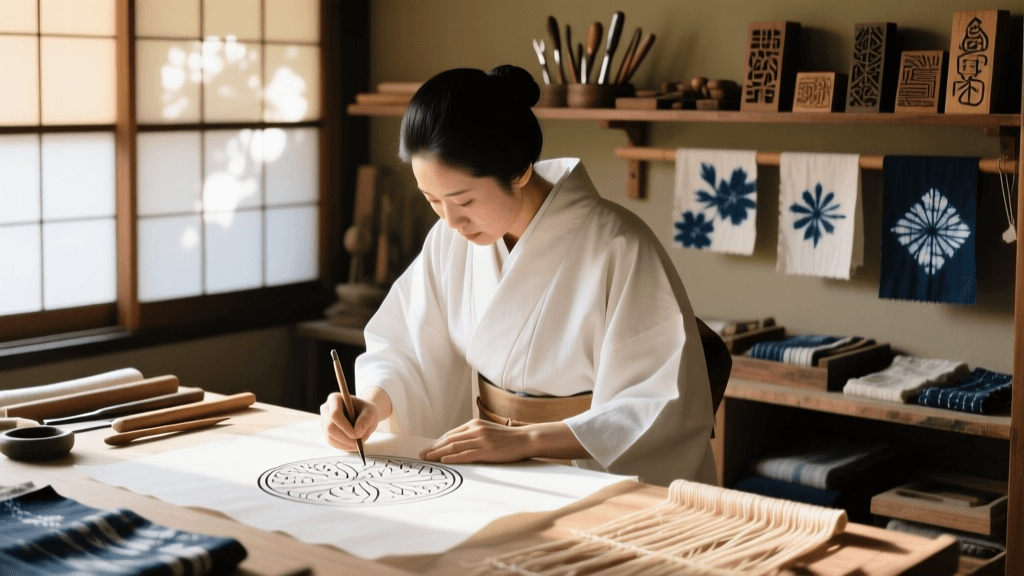
For those drawn to color and pattern, Kyo-Yuzen dyeing offers a breathtaking avenue into Japanese fashion education. This resist-dyeing technique allows for the creation of the pictorial, painterly designs seen on high-end kimono. Institutions like the Kyoto City University of Arts offer specialized degree programs and vocational certificates that merge traditional Yuzen methods with contemporary textile design.
Students in these programs spend their first year mastering the application of itome-nori (resist paste) using specialized brass and bamboo funnels. By their second year, they are introduced to the intricate brushwork required for color insertion (irosashi) and the delicate application of gold and silver leaf (haku-oki). The 2026 curriculum places a heavy emphasis on sustainable dye sourcing, with many workshops now utilizing advanced botanical extraction methods to create vibrant, colorfast pigments without relying on harsh synthetic mordants.
2026 Comparison: Traditional Fashion Education Paths
Choosing the right educational path depends heavily on your career goals, physical aptitude, and desired lifestyle. Below is a comparative overview of the primary traditional fashion education tracks available in Kyoto this year.
| Discipline | Duration | 2026 Estimated Cost / Stipend | Primary Focus | Certification Outcome |
|---|---|---|---|---|
| Nishijin Handloom Weaving | 3 - 5 Years | Stipend: 160k - 200k JPY/month | Brocade weaving, loom mechanics, silk tension | METI Traditional Craftsperson Eligibility |
| Kitsuke (Kimono Dressing) | 1.5 - 2 Years | Cost: 400k - 800k JPY total tuition | Garment styling, etiquette, obi knotting | Licensed Kitsuke Instructor Certificate |
| Kyo-Yuzen Dyeing | 2 - 4 Years | Cost: 600k JPY/year (University) | Resist dyeing, brushwork, color theory | University Degree / Master Artisan License |
| Obi Embroidery (Nui) | 4 - 6 Years | Apprenticeship (Unpaid/Paid varies) | Gold thread couching, silk shading, needlework | Independent Embroidery Artisan Status |
Application Guide for International Students
The international appeal of Japanese traditional garments has led to a significant increase in foreign applicants seeking apprenticeships and schooling in 2026. For non-Japanese citizens, navigating the visa and language requirements is the first critical step. Most vocational weaving and dyeing apprenticeships qualify for the Cultural Activities Visa or the Designated Activities Visa (specifically the Traditional Crafts category introduced and refined over recent years to combat artisan shortages).
Language proficiency is non-negotiable for those entering the Nishijin or Yuzen apprenticeship tracks. Master artisans conduct their teaching entirely in Japanese, often utilizing specialized Kyoto-ben (Kyoto dialect) and archaic textile terminology. Applicants are generally required to hold a minimum of JLPT N2 certification, though N1 is highly recommended for university-level textile programs. For kitsuke schools, some institutions now offer beginner-to-intermediate courses with English visual aids, but achieving instructor-level certification still requires advanced Japanese comprehension to pass the rigorous oral examinations on etiquette and history.
When preparing a portfolio for university or cooperative applications in 2026, focus less on modern fashion design and more on your understanding of materiality, patience, and repetitive craftsmanship. Sketchbooks detailing your observation of natural patterns, samples of hand-stitching, and a well-articulated statement of purpose regarding your commitment to the preservation of Asian traditions will resonate deeply with selection committees.
The Future of the Artisan
As the global fashion industry grapples with the environmental and ethical costs of fast fashion, the meticulous, slow-craft approach of Japanese traditional garment making offers a powerful alternative. The educational institutions and apprenticeship programs of 2026 are not merely preserving the past; they are actively training the next generation of global textile leaders. Whether you find yourself at the rhythmic clack of a Nishijin handloom or carefully adjusting the collar of a silk furisode, the path of the traditional garment artisan remains one of the most profoundly rewarding educational journeys in the world today.