Hanfu Travel Wardrobe 2026: Packing Essentials & Destination Guide
The Rise of the Global Hanfu Traveler in 2026
The cultural renaissance of traditional Chinese clothing has officially transcended borders. In 2026, Hanfu tourism is no longer confined to domestic hubs like Xi'an or Hangzhou; enthusiasts are curating destination wardrobes to wear at heritage sites across Kyoto, Paris, and Rome. However, traveling with multi-layered, historically inspired garments presents unique logistical challenges. From navigating airport security with traditional hairpins to preventing deep creases in six-meter pleated skirts, building a travel-friendly Hanfu wardrobe requires strategic planning, modern fabric innovations, and the right packing gear.
This comprehensive 2026 guide breaks down exactly how to pack, style, and maintain your Hanfu on the road, ensuring you look historically elegant and perfectly polished at every global destination.
Fabric Innovations: Choosing Travel-Ready Hanfu
Historically, Hanfu was crafted from delicate silks, raw hemps, and fine linens—materials that wrinkle if you simply look at them. Fortunately, the 2026 Hanfu market has heavily invested in 'commuter' and 'travel' lines that honor traditional drape while utilizing modern textile engineering.
- Memory-Shape Polyester Blends: Brands like Shisanyu and Zhongling have released 2026 collections featuring high-density polyester-silk blends (typically 80% polyester, 20% mulberry silk). These fabrics mimic the luster of pure silk but can be rolled tightly in a suitcase and will naturally release wrinkles within an hour of hanging.
- Treated Ramie and Ice-Silk: For summer travel, look for 150gsm ice-silk or enzyme-washed ramie. These materials offer the breathable, structured aesthetic of Tang and Song dynasty garments but are significantly more resistant to crushing and sweat stains.
- Worsted Wool-Blends: For autumn and winter travel, Ming dynasty jackets (Ao) are now being produced in lightweight, wrinkle-resistant worsted wool blends, providing warmth without the bulk of traditional padded cotton.
The 2026 Hanfu Destination Wardrobe Matrix
Selecting the right garment for your destination is crucial for both comfort and cultural resonance. Below is our curated packing matrix for the most popular 2026 Hanfu travel destinations.
| Destination | Climate & Vibe | Recommended Hanfu Style | Best Fabric Choice | Packing Method |
|---|---|---|---|---|
| Xi'an / Luoyang | Hot, humid summers; vibrant street photography | Tang Qixiong Ruqun (Chest-high skirt) | Ice-silk, lightweight linen-cotton | Roll skirts tightly; fold tops flat |
| Kyoto / Nara | Crisp autumns, cool springs; temple visits | Ming Aoqun (Jacket and pleated skirt) | Worsted wool-blend, crepe-back satin | Use silk-lined garment folders |
| Paris / Milan | Variable; high-fashion street style fusion | Song Beizi (Long open coat) over modern basics | Memory-shape poly-silk blends | Hang in a breathable canvas garment bag |
| Bali / SE Asia | Tropical, high humidity; resort wear | Song dynasty tank tops and lightweight pants | Enzyme-washed ramie, bamboo viscose | Compression packing cubes |
Essential Hanfu Packing Gear for 2026
To protect your investment and maintain historical silhouettes on the go, standard packing cubes will not suffice. Upgrade your luggage with these 2026 travel essentials:
1. Portable Smart Steamers
The Dreo 2026 Travel Steamer Pro (retailing around $48 USD) is a must-have. It heats up in 15 seconds and features a specialized ceramic plate that safely glides over delicate embroidery and metallic threads without snagging. Its dual-voltage capability makes it perfect for international hotel rooms.
2. Anti-Static and Wrinkle Release Sprays
Friction in a suitcase can cause static cling, which ruins the elegant drape of a Song dynasty skirt. A travel-sized bottle of botanical anti-static spray is essential for refreshing garments straight out of your luggage.
3. Acid-Free Tissue Paper
When folding structured Ming dynasty collars or heavily embroidered cuffs, stuff the folds with acid-free tissue paper. This prevents hard creases from setting into the fabric during long-haul flights.
Destination Styling and Cultural Etiquette
Kyoto and Nara: Ming Dynasty Elegance
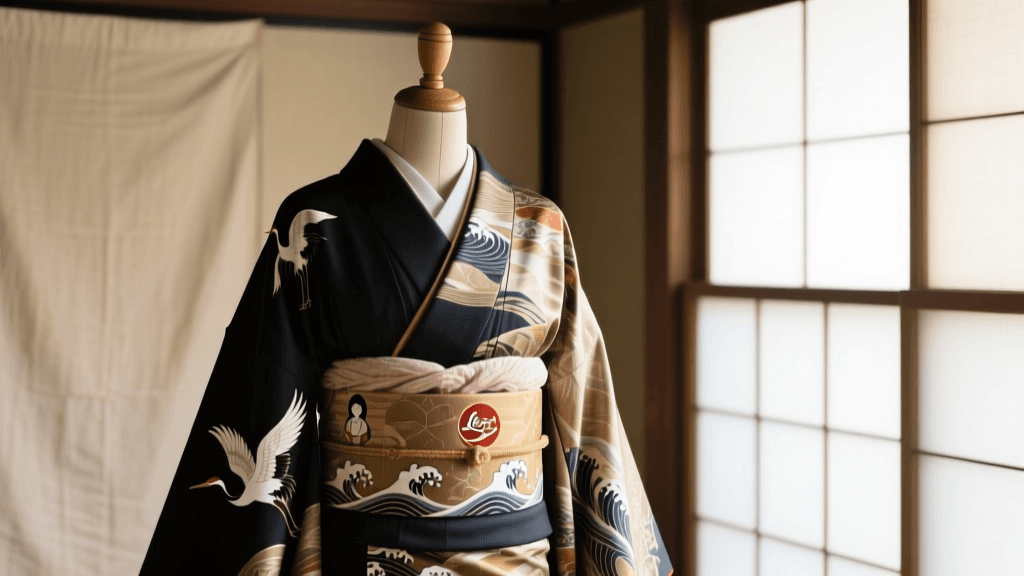
Wearing Hanfu in Japan's ancient capitals has become a beautiful cross-cultural exchange. The structured elegance of the Ming dynasty Aoqun translates perfectly to the crisp autumn air of Kyoto. The Metropolitan Museum of Art's Ming Dynasty overview highlights the era's emphasis on refined tailoring and dignified silhouettes, which pairs respectfully with the serene backdrop of Japanese Zen gardens. Opt for a 30-inch pleated Mamianqun (horse-face skirt) in deep jewel tones, paired with a thermal base layer hidden beneath your Ao jacket. Remember to wear tabi-friendly footwear or bring your own traditional cloud-step shoes (Yuntouxie) to respect temple shoe-removal etiquette.
Paris and Europe: Song Dynasty Minimalism
For European city breaks, the Song dynasty Beizi (a long, open-front coat) is the ultimate fusion piece. In 2026, European street style heavily embraces layered, flowing outerwear. You can pair a knee-length, wrinkle-resistant Beizi with a modern turtleneck and tailored trousers for a sophisticated, culturally rich look that transitions seamlessly from the Louvre to a sidewalk café. The minimalist lines and understated embroidery of Song garments align perfectly with contemporary European fashion sensibilities.
Xi'an: The Tang Dynasty Revival
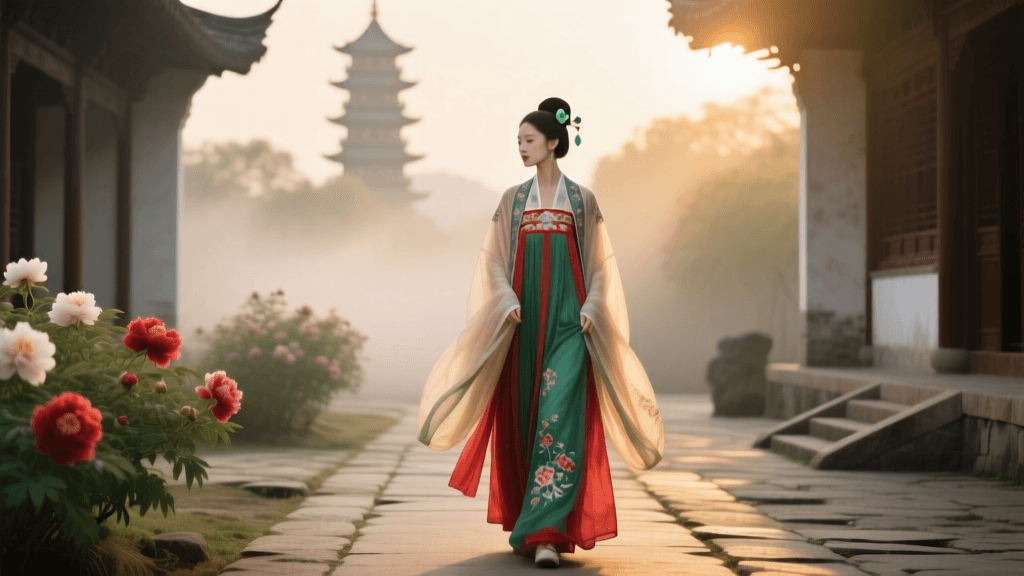
No Hanfu travel guide is complete without Xi'an. For the sweltering summer heat, the Tang dynasty Qixiong Ruqun remains the undisputed favorite. To avoid wardrobe malfunctions in the wind or crowds, utilize the modern 2026 innovation of hidden silicone grip-tape sewn into the inner waistband of the chest-high skirt, ensuring your garment stays securely in place while you navigate the bustling Muslim Quarter.
Navigating Airport Security and Transit
Traveling in full Hanfu, or packing it in your carry-on, requires foresight regarding airport security protocols.
- Hairpins and Accessories: Traditional metal Zanzi (hairpins) and elaborate Buyao (step-shake) accessories will almost certainly trigger TSA and international security alarms. For travel days, swap these for 2026's popular hand-carved resin, acetate, or polished wood alternatives, which pass through X-ray machines without issue while maintaining a historically accurate aesthetic.
- Layering for Flights: Airplanes are notoriously cold. Instead of packing away your Hanfu, wear a Ming dynasty Pifeng (cloak) or a thick, embroidered Doupeng (poncho) over your travel clothes. These garments are easy to remove at security and double as luxurious, culturally significant travel blankets on the plane.
On-the-Go Garment Care and Maintenance
Even with the best packing strategies, accidents and wrinkles happen. Here is how to maintain your wardrobe in a standard hotel room:
- The Shower Steam Trick: If you forgot your portable steamer, hang your Hanfu on a padded hanger in the bathroom. Run the shower on the hottest setting for 10 minutes, keeping the garment safely away from direct water splashes. The ambient steam will relax 90% of travel creases in polyester-silk blends.
- Spot Cleaning Silk: Always pack a waterless, pH-neutral silk stain remover pen. If you drop soy sauce or matcha on your skirt, gently dab (never rub) the area immediately. Rubbing will fray the delicate weave and push the pigment deeper into the fibers.
- Airing Out: Traditional garments can absorb ambient odors from street food or incense. Hang your Hanfu near an open window or use a handheld fabric refresher designed specifically for protein-based fibers like silk and wool.
Connecting Travel to Intangible Heritage
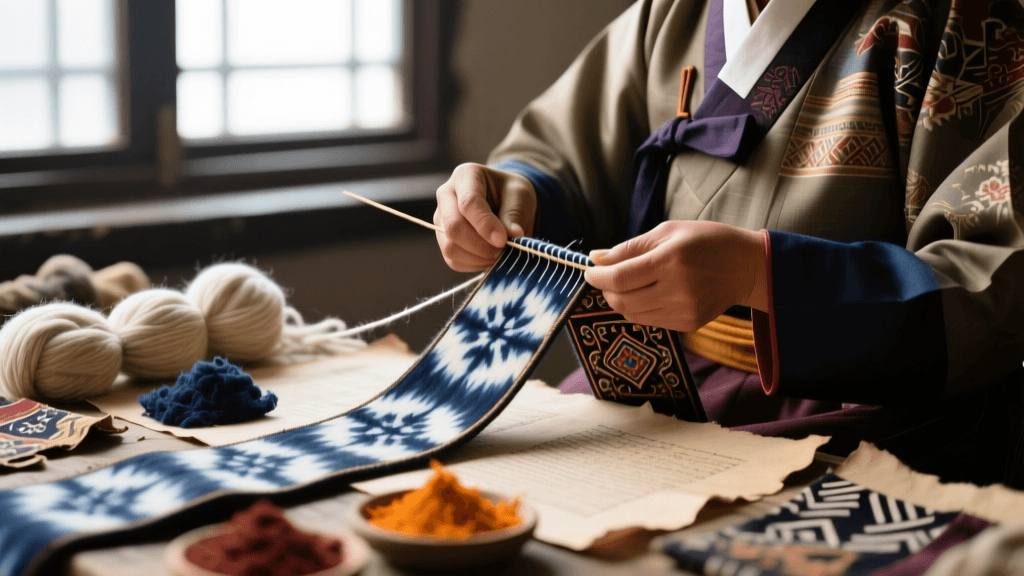
Wearing Hanfu abroad is more than a fashion statement; it is an act of living history. Many travelers in 2026 are specifically planning itineraries around sites recognized for their cultural significance. By wearing traditional garments, you participate in a global dialogue about the preservation of crafts like silk weaving, natural indigo dyeing, and traditional embroidery. As highlighted by the UNESCO Intangible Cultural Heritage initiatives, the transmission of these traditional skills relies on modern, everyday application. When you pack your Hanfu for a global journey, you are not just bringing clothes; you are carrying centuries of artisanal heritage into the modern world.
Final Thoughts for the 2026 Traveler
Building a destination-ready Hanfu wardrobe is an investment in both cultural pride and travel logistics. By prioritizing wrinkle-resistant memory fabrics, investing in specialized travel steamers, and tailoring your silhouettes to the climate and culture of your destination, you can explore the globe with elegance and ease. Whether you are walking the ancient walls of Xi'an or the cobblestone streets of Milan, your Hanfu will remain as vibrant and structured as the moment you first packed it.