Hanfu Travel Wardrobe 2026: Packing Essentials for Heritage Tours
The Rise of the 2026 Hanfu Heritage Tour
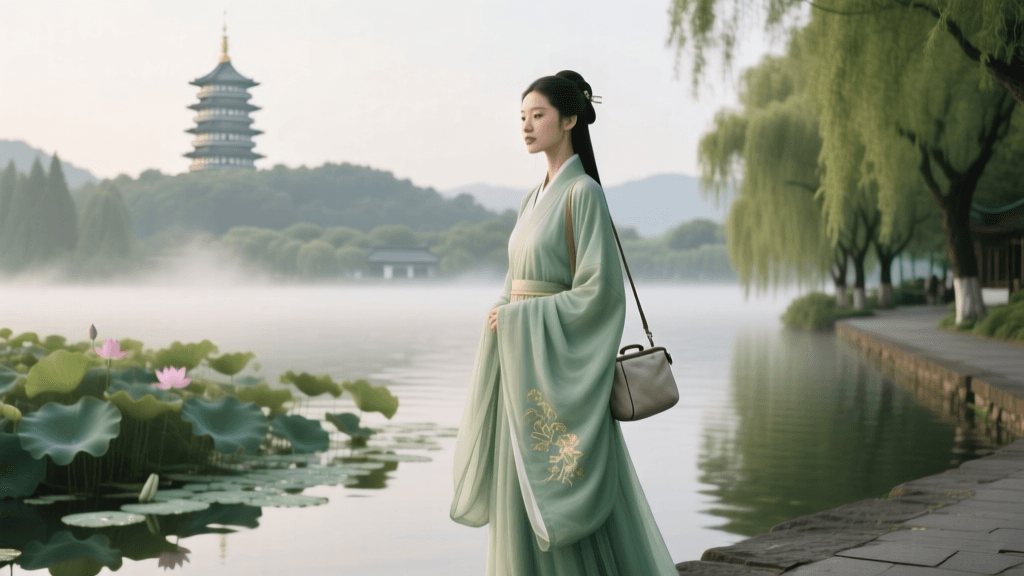
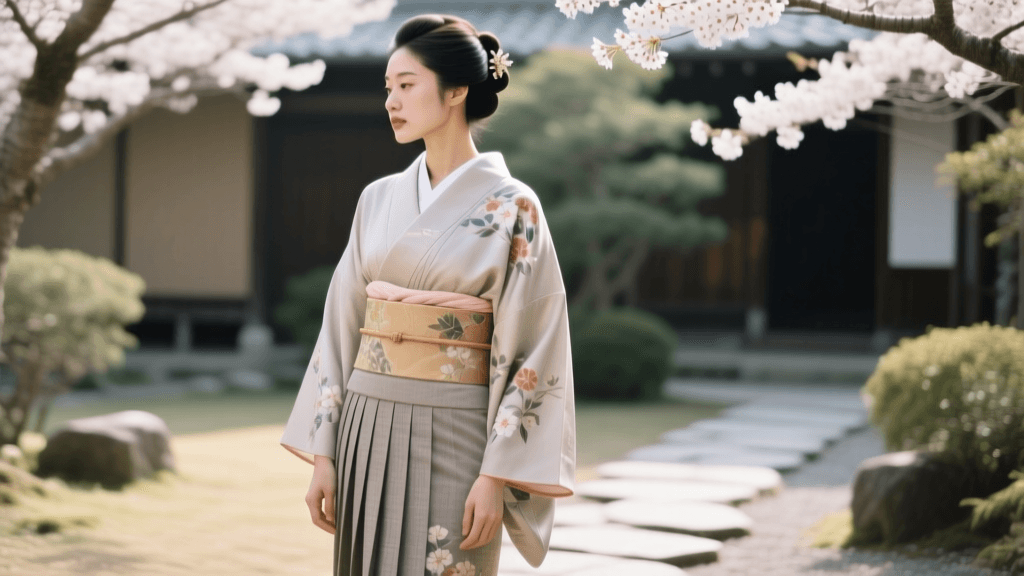
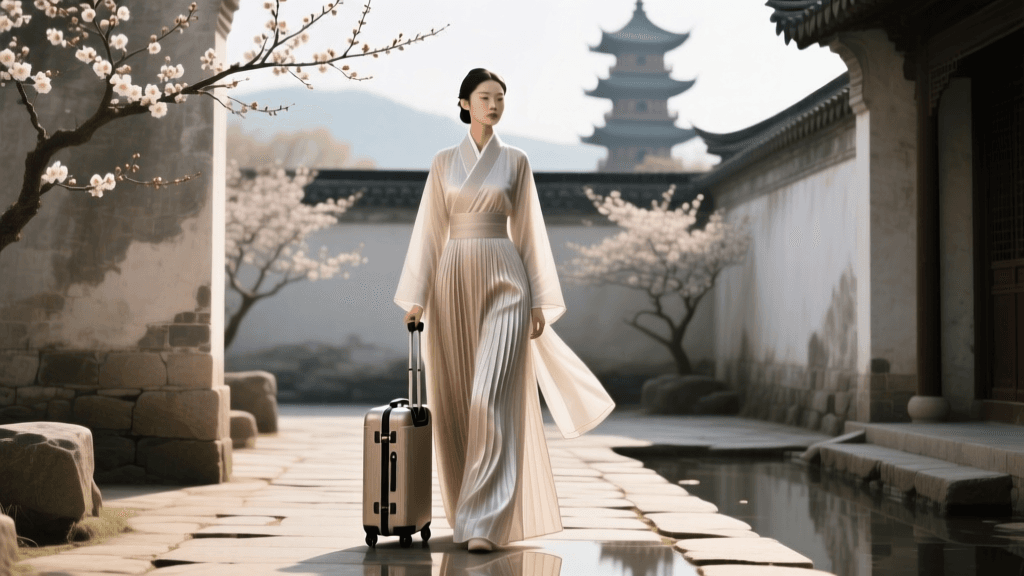
As global interest in traditional Asian garments continues to surge in 2026, the Hanfu heritage tour has become a premier travel experience. Enthusiasts are no longer just visiting museums; they are walking the ancient streets of Xi'an, exploring the temples of Kyoto, and attending cultural festivals in Seoul while wearing historically inspired traditional Chinese clothing. However, traveling with Hanfu presents unique logistical challenges. The voluminous sleeves, intricate pleats of the Mamianqun (horse-face skirt), and delicate silk fabrics require a strategic approach to packing and styling.
This comprehensive guide explores the ultimate 2026 Hanfu travel wardrobe, focusing on wrinkle-resistant fabric innovations, modular layering systems, and culturally respectful destination styling. Whether you are embarking on a humid summer tour of Hangzhou or a crisp autumn retreat in the Japanese Alps, mastering the art of the Hanfu travel capsule is essential for the modern cultural tourist.
Building a Modular Hanfu Capsule Wardrobe
The key to a successful travel wardrobe is modularity. In 2026, the most popular Hanfu silhouettes for travel are drawn from the Song and Ming dynasties, prized for their elegant layering and practical proportions. Rather than packing bulky, one-piece ceremonial gowns, seasoned travelers opt for separates that can be mixed, matched, and layered.
A standard 10-day heritage tour capsule should include:
- Two Base Skirts: One lightweight Mamianqun for formal site visits, and one flowing Song-style pleated skirt for casual exploration.
- Three Tops (Ru/Shan): Short-sleeved or thin long-sleeved cross-collar blouses made from breathable Tencel blends.
- Two Mid-Layers (Beizi): Long, open-front jackets that provide sun protection and modest layering without restricting movement.
- One Outer Layer (Pifeng or Doupeng): A versatile cape or cloak for cooler evenings and transitional weather.
By sticking to a cohesive color palette—such as muted celadons, ivory, and deep indigo—travelers can create dozens of unique outfits from just a few core pieces, significantly reducing luggage weight.
Top Wrinkle-Resistant Fabrics for 2026 Travelers
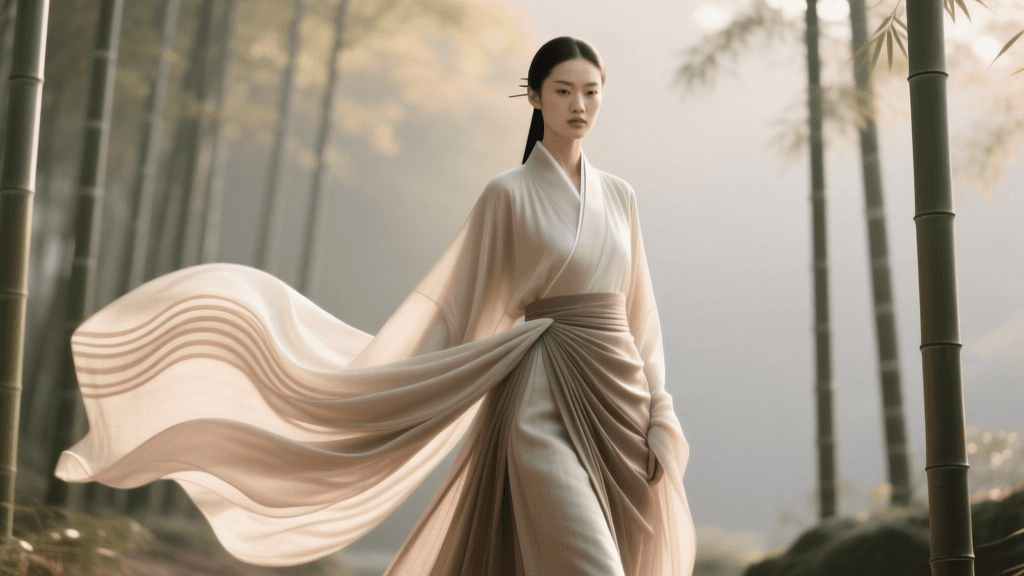
Historically, pure silk was the gold standard for Hanfu, but it is notoriously difficult to maintain on the road. Fortunately, the 2026 textile market offers incredible innovations that mimic the drape and sheen of traditional silk while offering the durability required for suitcase packing. When shopping for your travel Hanfu, prioritize these modern, travel-friendly fabrics:
- Nano-Spun Tencel-Linen: This 2026 breakthrough blend offers the cooling properties of linen with the silky drape of Tencel. It is naturally wrinkle-resistant and dries incredibly fast if hand-washed in a hotel sink.
- Textured Crepe (Zhou): A highly twisted yarn weave that naturally hides creases. Crepe Hanfu garments can be tightly rolled in a suitcase and will spring back to their original shape within minutes of hanging.
- Memory-Silk Blends: Woven with specialized synthetic cores, memory-silk holds pleats permanently. This is an absolute must-have for Mamianqun skirts, ensuring the knife pleats remain razor-sharp even after hours of sitting on trains or planes.
- Crushed Velvet: Ideal for winter heritage tours, crushed velvet is inherently textured, meaning any packing wrinkles simply blend into the fabric's natural pattern.
The Climate & Layering Matrix
Asian heritage destinations span vastly different microclimates. The table below outlines a strategic layering matrix to help you adapt your Hanfu wardrobe to specific regional weather patterns encountered on popular 2026 tour routes.
| Destination Climate | Base Layer | Mid-Layer | Outer Layer | Footwear |
|---|---|---|---|---|
| Humid Subtropical (e.g., Summer Hangzhou, Kyoto) | Thin, short-sleeve Ruqun (Tencel blend) | Sheer, sleeveless Beizi for sun protection | None (focus on ventilation) | Breathable woven sandals with arch support |
| Dry Continental (e.g., Autumn Xi'an, Luoyang) | Long-sleeve Shan (Textured Crepe) | Lined Beizi or Ao (Jacket) | Lightweight Pifeng (Cape) | Leather cloud-toe boots (modern rubber sole) |
| Cold Alpine (e.g., Winter Hokkaido, Changbai Mountain) | Thermal modern base layer (hidden) | Heavy brocade Ao with fleece lining | Wool-blend Doupeng (Hooded Cloak) | Insulated, waterproof traditional-style boots |
When exploring the historical context of these garments, it is helpful to reference the Metropolitan Museum of Art's Ming Dynasty collection, which showcases the structural brilliance of historical winter layering that modern designers continue to adapt for contemporary travel.
Mastering the Art of Packing Pleats and Silks
Packing a Mamianqun requires specific techniques to preserve its structural integrity. In 2026, specialized Hanfu travel gear has become widely available, but you can also use clever DIY methods to protect your garments.
The Cardboard Insert Method
To prevent the pleats of a horse-face skirt from shifting and wrinkling, lay the skirt flat on a clean surface. Place a piece of acid-free tissue paper or thin, flexible cardboard over the pleated sections, then fold the skirt along its natural crease lines. Secure the folds with specialized silk-friendly clips or soft cotton ties before placing it in a garment bag.
Rolling vs. Folding
For tops and Beizi jackets, the rolling method is superior. According to general luggage optimization strategies recommended by experts at Condé Nast Traveler, tightly rolling garments minimizes friction and reduces deep creases. Roll your Hanfu tops from the hem upward, tucking the sleeves inward to create a compact cylinder that fits easily into packing cubes.
Essential 2026 Packing Gear
- Compartmentalized Hairpin Tubes: Traditional hair accessories like Ji (crowns) and Zan (hairpins) are fragile. Use rigid, foam-lined bamboo tubes to protect them from being crushed in checked luggage.
- Dual-Voltage Smart Steamers: A compact, 2026-model lithium-ion travel steamer is non-negotiable. Look for models with a ceramic plate that can double as a mini-iron for quick touch-ups on collars and cuffs.
- Silk-Lined Garment Folders: These tri-fold cases feature a silk interior that reduces static and friction, keeping delicate brocades pristine during transit.
Footwear, Accessories, and On-the-Go Maintenance
Heritage tours involve miles of walking over uneven cobblestones, temple steps, and gravel paths. While traditional cloth shoes are beautiful, they lack the support and weather resistance needed for modern travel. In 2026, several heritage footwear brands have released "cloud-toe" sneakers and boots that feature the iconic upturned toe silhouette but are constructed with modern EVA foam midsoles and waterproof rubber outers. These provide the historical aesthetic without sacrificing podiatric health.
For on-the-go maintenance, pack a small "Hanfu First-Aid Kit." This should include a lint roller, a few safety pins matched to your garment colors, double-sided fashion tape (essential for keeping cross-collars securely in place during windy days), and a portable stain-remover pen for treating accidental spills from street food or tea ceremonies.
Cultural Etiquette and Destination Styling
Wearing Hanfu on an international or domestic heritage tour is a beautiful way to engage with living history, but it requires a mindful approach to cultural etiquette. As the global appreciation for traditional Asian garments grows, so does the responsibility to wear them respectfully.
First, avoid mixing dynasty-specific ceremonial garments in a single outfit unless you are highly knowledgeable about historical fashion evolution. A Ming dynasty official's hat paired with a Song dynasty scholar's robe can be jarring to historians and enthusiasts. Stick to cohesive, era-appropriate styling or opt for modern "Hanyuansu" (Hanfu-inspired daily wear) which blends traditional elements with contemporary sensibilities.
Second, be mindful of the cultural significance of silk and sericulture. The production of silk is a deeply rooted cultural practice, recognized globally for its historical importance. Understanding the heritage behind your garments enriches the travel experience. For instance, the UNESCO Intangible Cultural Heritage list highlights the profound legacy of Chinese sericulture and silk craftsmanship, reminding travelers of the centuries of artistry woven into their travel wardrobe.
Finally, when visiting sacred sites, shrines, or active temples, ensure your garments are modest and appropriately layered. Avoid dragging long, ceremonial hems through dirt or sacred spaces; use skirt-ties or opt for ankle-length cuts when navigating rugged heritage sites.
Conclusion
The 2026 Hanfu heritage tour is an immersive journey through time, landscape, and culture. By curating a modular, wrinkle-resistant capsule wardrobe and mastering the art of traditional garment packing, you can focus entirely on the beauty of your surroundings. Embrace the modern textile innovations that make travel easier, respect the historical silhouettes that connect us to the past, and step confidently onto the ancient streets of Asia in style and comfort.