Japanese Traditional Garments Guide 2026: Kimono vs Yukata vs Hakama
The Renaissance of Japanese Traditional Garments in 2026
As we navigate through 2026, the global fascination with Japanese traditional garments has evolved from mere historical appreciation into a dynamic, living fashion movement. Driven by a renewed interest in sustainable, slow fashion and the meticulous craftsmanship of heritage textiles, garments like the kimono, yukata, and hakama are being reimagined for contemporary wardrobes. Whether you are planning a cultural immersion trip to Kyoto, attending a traditional tea ceremony, or simply looking to incorporate antique Japanese silk into your modern aesthetic, understanding the nuances of these garments is essential.
This comprehensive guide breaks down the structural, cultural, and practical differences between Japan's most iconic garments, providing you with up-to-date 2026 market insights, styling techniques, and preservation methods.
Understanding the Core Trio: Kimono, Yukata, and Hakama
1. The Kimono: Japan's Iconic T-Shaped Robe
The word kimono literally translates to "thing to wear" (ki = wear, mono = thing). Historically, it referred to all clothing, but today it specifically denotes the T-shaped, straight-seamed robe that wraps left over right and is secured with an obi (sash). According to the Victoria and Albert Museum, the kimono's straight-line construction was revolutionary, allowing garments to be easily folded, stored, and repurposed without wasting fabric.
In 2026, authentic silk kimono remain the pinnacle of formal Japanese attire. They are categorized by formality, ranging from the highly formal kurotomesode (worn by married female relatives at weddings) to the versatile komon (featuring repeating patterns suitable for daily outings). A crucial component of wearing a kimono is the nagajuban, an under-robe that protects the delicate outer silk from body oils and sweat.
2. The Yukata: Summer's Breathable Cotton Staple
Originally worn as a bathrobe by the nobility during the Heian period, the yukata has transformed into the quintessential summer garment for festivals (matsuri) and fireworks displays. Unlike the multi-layered kimono, the yukata is unlined, typically made of lightweight cotton or modern breathable hemp-blends, and worn directly over basic undergarments.
"The yukata represents the democratization of Japanese fashion. It is accessible, affordable, and allows for vibrant, playful expressions of personal style during the sweltering summer months." — Japanese Textile Heritage Society, 2026 Report.
For men, yukata patterns tend to be darker and more subdued (navy, indigo, charcoal), while women's yukata in 2026 feature everything from classic floral motifs to contemporary pop-culture collaborations and geometric art-deco revivals.
3. The Hakama: Pleated Trousers of Status and Scholarship
The hakama is a divided, pleated skirt-trouser worn over a kimono. Historically reserved for samurai to protect their legs while riding horseback, it evolved into a symbol of scholarly and martial prestige. Today, it is standard attire for university graduation ceremonies, Shinto priests, and practitioners of martial arts like aikido and kendo. The Metropolitan Museum of Art notes that the hakama's five front and two back pleats are often said to represent the seven virtues of the samurai code (Bushido).
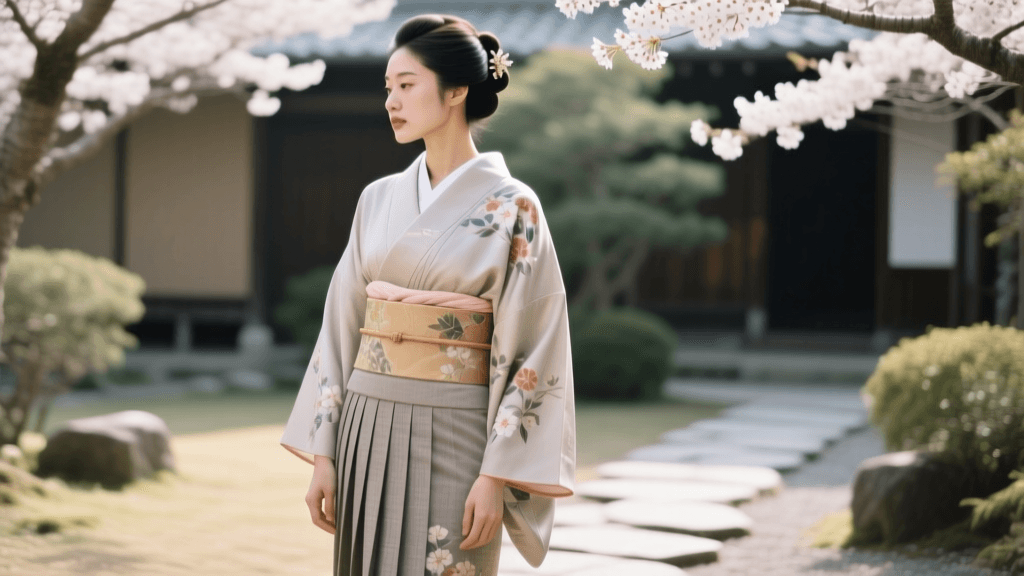
In modern women's fashion, the andon bakama (an undivided, lantern-shaped hakama) is frequently paired with vintage meisen silk kimono and lace-up boots, a retro-modern aesthetic that has completely dominated Tokyo's Harajuku and Kyoto's Gion districts in 2026.
2026 Comparison Chart: Kimono vs. Yukata vs. Hakama
| Feature | Kimono | Yukata | Hakama |
|---|---|---|---|
| Primary Material | Silk, Polyester, Wool | Cotton, Hemp, Linen | Silk, Polyester, Cotton |
| Formality | High to Medium (depends on type) | Casual / Summer Festival | Formal / Martial / Academic |
| Undergarments | Nagajuban (under-robe), hadajuban | Susoyoke (slip), hadajuban | Worn over a base kimono |
| Footwear | Zori (sandals) with tabi socks | Geta (wooden clogs), bare tabi | Zori or modern lace-up boots |
| 2026 Avg. Retail (New) | ¥50,000 - ¥300,000+ | ¥5,000 - ¥15,000 | ¥15,000 - ¥40,000 |
Modern Kitsuke: The Art of Dressing in the 2020s
Kitsuke is the art of dressing in traditional Japanese garments. Historically a complex process requiring multiple padding pieces, ties (koshihimo), and boards (itajime), the 2026 landscape of kitsuke has embraced innovation without sacrificing tradition.
- Pre-Tied Obi: For beginners and tourists, pre-tied tsuke-obi with magnetic clasps have become incredibly sophisticated, mimicking the complex taiko musubi (drum knot) flawlessly.
- Silicone Padding: Replacing traditional cotton towels, modern silicone hip-pads provide the necessary cylindrical silhouette while remaining breathable and slip-resistant.
- Collar Stays: Adhesive erishin (collar stays) ensure the neckline remains perfectly crisp and angled at the traditional ikinuki (the graceful pull-back of the collar at the nape of the neck).
2026 Market Trends: Vintage, Upcycling, and Rental
The 2026 market for Japanese garments is heavily defined by sustainability. With the domestic kimono industry facing a shrinking artisan base, the vintage and upcycling markets are booming. In Tokyo's Otsuka and Kyoto's Shichijo districts, antique kimono recycling shops (reuse kimono-ten) offer stunning Taisho and early Showa era silk garments for as little as ¥3,000 to ¥10,000.
Furthermore, upcycling is a major trend. Artisans are transforming damaged vintage kimono into modern haori jackets, two-piece skirt sets, and even high-end streetwear accessories. For travelers, the rental market remains robust. A standard 2026 Kyoto rental package—including a mid-tier silk kimono, professional dressing, hair styling, and zori sandals—averages between ¥7,500 and ¥12,000 for a full day.
Fabric Care and Maintenance
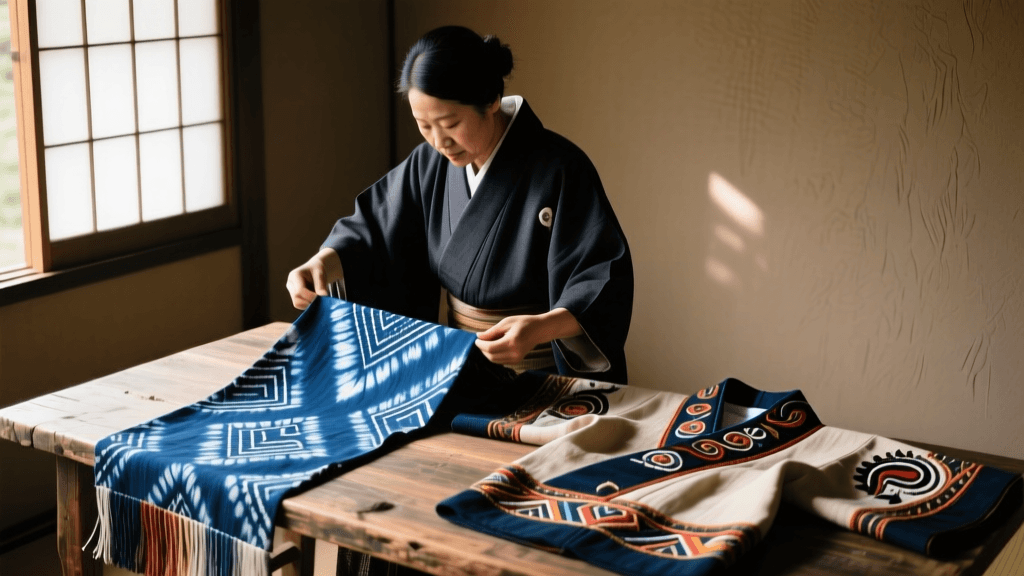
Proper care is paramount, especially for heritage textiles. The preservation of traditional techniques, such as the intricate silk weaving recognized by UNESCO's Intangible Cultural Heritage list (like Yuki-tsumugi), relies on meticulous modern maintenance.
Silk Kimono Care
Never wash a silk kimono at home. In Japan, the traditional cleaning method is arai-hari, where the garment is completely unstitched, washed as flat bolts of fabric, stretched on bamboo frames, and re-sewn. While rare and expensive today, specialized dry cleaners in 2026 offer "maru-arai" (whole garment cleaning) using gentle, eco-friendly solvents that preserve the silk's luster and the integrity of the metallic threads.
Cotton Yukata Care
Yukata are designed to be washed. However, to prevent the indigo or vibrant dyes from bleeding, use a neutral pH detergent and wash inside out in a mesh laundry bag on a delicate cycle. Always hang dry in the shade; direct UV exposure will rapidly fade traditional plant-based dyes.
Storage Solutions
Store your garments folded in tatoushi (specialized breathable paper envelopes) inside a paulownia wood chest (tansu). Paulownia naturally regulates humidity and repels insects. In 2026, climate-controlled closet inserts are also popular for Western homes lacking traditional tansu, ensuring the silk does not succumb to mold or moisture damage.
Conclusion
Navigating the world of Japanese traditional garments in 2026 is a rewarding journey that bridges centuries of artistry with contemporary lifestyle needs. Whether you are investing in a formal silk kimono, slipping into a breezy cotton yukata for a summer festival, or adopting the scholarly elegance of the hakama, understanding the construction, context, and care of these garments ensures they will be preserved for generations to come. Embrace the slow fashion movement, respect the heritage of the textiles, and wear your history with pride.