Kimono Travel Kit 2026: Packing Essentials & Kyoto Etiquette
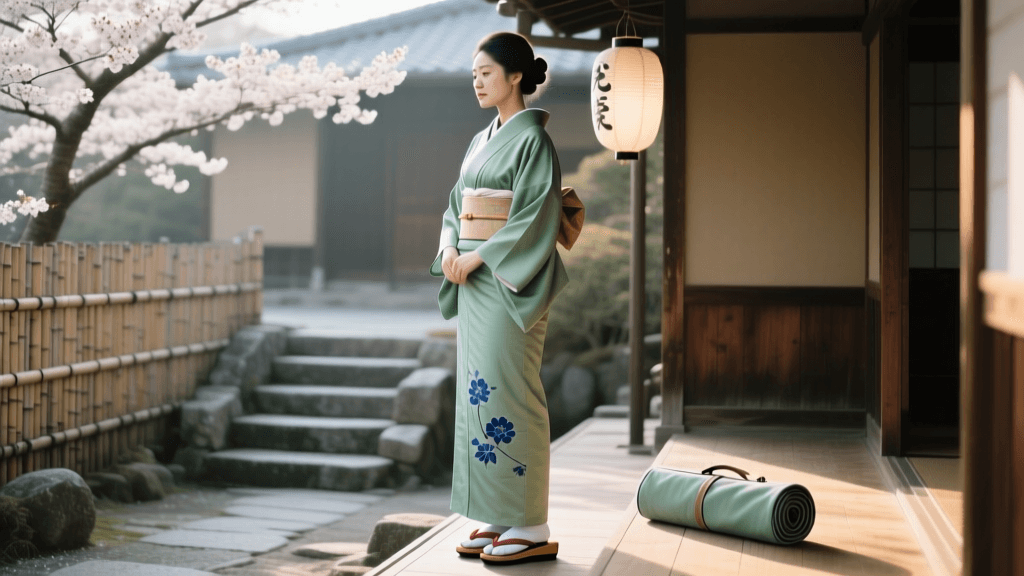
The Evolution of Independent Kimono Travel in 2026
As global travel to Japan reaches new heights in 2026, the desire to experience the country through the lens of its traditional garments has never been stronger. However, the days of relying exclusively on crowded, time-restricted rental shops are fading. Today’s culturally immersed travelers are building their own bespoke kimono travel kits, allowing for spontaneous exploration, personalized styling, and a deeper connection to Japanese textile arts. Whether you are wandering through the historic tea districts of Kanazawa or navigating the strict cultural etiquette of Kyoto’s geisha quarters, bringing your own travel-optimized kimono wardrobe is the ultimate game-changer for your 2026 itinerary.
According to the Japan National Tourism Organization, there has been a massive surge in travelers seeking authentic, self-guided cultural experiences, including traditional dressing. This guide covers exactly what to pack, how to modernize your accessories for comfort, and the crucial etiquette updates you must know before stepping out in your traditional garments this year.
The Shift to Wrinkle-Free Travel Kimonos
The traditional silk kimono is a masterpiece of craftsmanship, but it is notoriously difficult to transport. Silk wrinkles easily, requires specialized folding techniques, and is highly susceptible to humidity and rain. In 2026, the market for high-quality, travel-friendly kimonos has matured beautifully. Leading Japanese textile manufacturers and independent artisans have perfected the sen-i (washable synthetic and silk-polyester blend) market. These modern fabrics mimic the drape, sheen, and breathability of premium silk while offering incredible resistance to wrinkling.
For your 2026 travel kit, prioritize a komon (everyday patterned kimono) made from a high-grade polyester crepe or a washable silk-blend. These garments can be rolled or folded in your luggage and will release minor creases simply by hanging in a steamy bathroom. For the humid Japanese summer months (June through September), pack a premium cotton yukata. Unlike standard festival yukata, look for ro or sha weave cotton-linen blends that offer superior breathability and a more refined, semi-formal appearance suitable for upscale ryokan dinners and evening strolls.
The 2026 Kimono Travel Packing Matrix
Packing a kimono requires more than just the main garment; the undergarments and tying accessories are what truly dictate your comfort. In 2026, modern dressing aids have revolutionized how travelers secure their garments, replacing rigid traditional ties with ergonomic, travel-friendly alternatives.
| Item | Traditional Equivalent | 2026 Travel Alternative | Packing Benefit |
|---|---|---|---|
| Koshihimo (Waist Ties) | Silk or cotton thin ropes | Elastic bands with silicone grips and clip fasteners | Prevents slipping during long walks; eliminates tight knot discomfort. |
| Datejime (Under-Sash) | Stiff woven silk sash | Velcro-closure elastic mesh bands | Secures the collar instantly; lays flat in luggage. |
| Obi (Sash) | Fukuro or Nagoya obi (heavy brocade) | Hanhaba (half-width) reversible obi | Lightweight, requires no stiff padding (obi-ita), easy to tie solo. |
| Tabi (Socks) | Non-stretch cotton with kohaze hooks | Stretch-polyester blend tabi with reinforced soles | Conforms to foot swelling after 15,000+ steps; machine washable. |
| Zori (Footwear) | Wood or cork with silk hanao straps | Collapsible EVA foam travel zori | Waterproof, shock-absorbing, and folds flat into a day bag. |
Essential Small Items to Include
- Obi-jime and Obi-dome: A thin decorative cord and clasp to elevate a simple hanhaba obi into a semi-formal look.
- Han-eri (Collar Cover): Pack two interchangeable embroidered collars. They pin onto your juban (undergarment) and instantly change the aesthetic of your outfit.
- Portable Steamer: A dual-voltage, palm-sized travel steamer is non-negotiable for refreshing your garments in hotel rooms.
- Tatou Paper: Traditional Japanese acid-free folding paper. Wrap your kimono in this before placing it in your suitcase to prevent friction damage and absorb ambient moisture.
Destination Guide: Where to Wear Your Kit
Knowing where to wear your kimono is just as important as knowing how to pack it. Different cities offer vastly different environments, terrains, and cultural expectations for traditionally dressed visitors.
Kanazawa: The Unhurried Cultural Haven
If you want a relaxed, highly photogenic environment to debut your travel kit, Kanazawa is the premier destination for 2026. The Higashi Chaya district, with its preserved wooden teahouses and gold-leaf artisan shops, offers a stunning backdrop. The streets here are relatively flat, and the pace of tourism is much slower than in Kyoto. Many local tea houses welcome traditionally dressed visitors, and you will find numerous benches and resting spots to adjust your footwear or obi.
Kyoto: Navigating Strict 2026 Etiquette
Kyoto remains the spiritual heart of the kimono, but it is also the epicenter of overtourism management. Travelers in 2026 must be acutely aware of the strict etiquette rules enforced in historic districts like Gion and Kamishichiken. Following years of friction between tourists and local residents, the Kyoto City government and local machizukuri (town planning) councils have heavily reinforced regulations regarding photography and pedestrian conduct.
"Wearing a kimono is a beautiful way to show respect for Japanese culture, but it does not grant you access to private spaces. The preservation of our living cultural districts relies on the mindfulness of every visitor."
— Guidelines on Cultural Respect and District Preservation, Kyoto Tourism Council
According to the Kyoto City Official Travel Guide, photography is strictly prohibited in the private alleys of Gion to protect the privacy and dignity of geisha and maiko who are commuting to appointments. When wearing your kimono in Kyoto, stick to main public thoroughfares like Ninenzaka and Sannenzaka. Do not block narrow pathways to pose for photos, and never chase or photograph working geisha. Respect the "no photography" signs, which are now accompanied by steep fines for violators. Your kimono should be a symbol of respect, blending harmoniously into the historic scenery rather than disrupting it.
Tokyo: The Modern Fusion
For a contemporary twist, Tokyo’s Yanaka district offers a nostalgic, shitamachi (downtown) vibe where traditional garments blend seamlessly with modern street fashion. Alternatively, visiting the Victoria and Albert Museum's traveling textile exhibitions or Tokyo's own National Museum when they host kimono retrospectives allows you to wear your garment in spaces dedicated to the appreciation of textile history.
Garment Care on the Road
Maintaining your kimono during a multi-week trip requires a disciplined end-of-day routine. When you return to your accommodation, immediately remove your obi and hang it over a chair to let the fabric breathe. Unfold the hem of your kimono and hang the garment on a wide, specialized kimono hanger (which you can buy cheaply at any Japanese 100-yen shop upon arrival) near an open window or air purifier.
Do not attempt to wash a silk or high-grade synthetic kimono in a hotel sink. Instead, use a damp microfiber cloth to gently dab away any dirt from the hemline, which is the area most prone to street grime. Rotate your han-eri (collar covers) and wash them in the sink with a drop of gentle shampoo, laying them flat to dry overnight. This simple rotation keeps the neckline looking pristine throughout your trip.
Cultural Appreciation in the Modern Era
The global conversation surrounding the kimono has evolved significantly. In 2026, the focus is heavily placed on cultural appreciation, education, and supporting traditional artisans. By investing in a high-quality travel kit—perhaps purchasing a vintage piece from a reputable dealer in Kyoto's Toji Temple flea market or commissioning a modern washable piece from a certified Japanese atelier—you are participating in the living history of the garment.
Traveling with your own kimono kit requires preparation, but the reward is unparalleled. It allows you to experience the shifting seasons of Japan through the appropriate textiles, engage in mindful dressing as a meditative morning ritual, and navigate the country's most sacred historic districts with the utmost respect and authenticity. Pack smart, respect the local guidelines, and let the timeless elegance of the kimono transform your 2026 Japanese adventure.