Styling Modern Hanbok Jeogori With Denim & Trousers 2026
The Renaissance of the Saenghwal Hanbok in 2026
The intersection of heritage and high-street fashion has reached a sophisticated zenith in 2026. No longer reserved exclusively for Lunar New Year, Chuseok, or traditional weddings, the saenghwal hanbok (daily hanbok) has firmly established itself as a staple in the wardrobes of global fashion enthusiasts. At the heart of this cultural sartorial movement is the jeogori—the traditional upper garment of the Korean hanbok—reimagined for contemporary life. By blending historical silhouettes with modern tailoring, designers have created a versatile piece that bridges centuries of Asian tradition with today's urban aesthetics.
According to historical textile archives documented by The Metropolitan Museum of Art, the traditional jeogori was characterized by its curved hem (baerae), vibrant color blocking, and a long, flowing silhouette that prioritized modesty and grace. However, the 2026 iterations prioritize mobility and structural contrast. Modern designers are utilizing bio-fabricated silks, recycled organza, and structured hemp blends to create jeogori that hold their shape against rigid modern fabrics like denim and wool.
Understanding the 2026 Modern Jeogori Silhouette
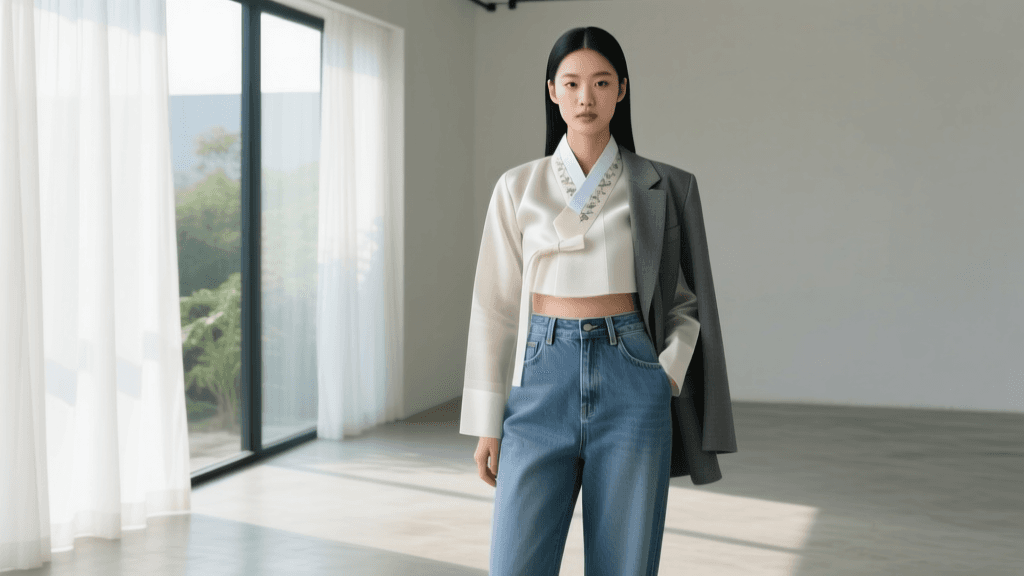
Before integrating the jeogori into your daily rotation, it is crucial to understand how the modern silhouette differs from its historical predecessor. The 2026 daily jeogori typically features:
- Cropped Hemlines: Falling just above the natural waist (usually 14 to 16 inches from the shoulder), allowing for high-waisted bottom pairings without excessive bunching.
- Simplified Goreum: The traditional long, flowing ties have been shortened or replaced with discreet magnetic clasps and minimalist ribbon accents.
- Structured Shoulders: Moving away from the sloping, drop-shoulder look of the Joseon era, contemporary pieces often feature subtle shoulder pads or reinforced seams to match modern blazer constructions.
- Relaxed Sleeve Volumes: The baerae curve remains, but the wrist cuffs are often tightened or fitted with elastic to prevent interference with typing, driving, or manual tasks.
Mastering Proportions: Pairing the Jeogori with Denim
Mixing the delicate, airy nature of a traditional Asian garment with the rugged, utilitarian ethos of Western denim is one of the most striking styling techniques of the decade. The key to pulling off this hybrid look lies in proportion and weight contrast.
The Heavy Denim Contrast
When wearing a lightweight, pastel-toned jeogori crafted from summer organza or cupro-blends, anchor the outfit with heavy, raw 14oz selvedge denim. The stiffness of the denim provides a visual foundation that prevents the voluminous sleeves of the jeogori from overwhelming your frame. In 2026, the preferred denim silhouettes for this pairing are wide-leg barrel jeans or straight-leg vintage washes with a 32-inch inseam. Avoid skinny jeans entirely; the tapered leg disrupts the volume balance inherent in Korean aesthetics and creates a top-heavy, disproportionate silhouette.
Color Theory and Wash Selection
The traditional color palette of the hanbok (obangsaek) relies on bold primary colors. However, modern streetwear integration favors muted tones. Pair an ivory or soft sage jeogori with a deep indigo, unwashed raw denim. The stark contrast highlights the intricate collar (git) and the white inner lining (dongjeong), which frames the face beautifully. For a more subdued, monochromatic streetwear look, opt for a charcoal-grey cotton jeogori paired with faded, washed-black wide-leg denim.
Footwear Recommendations
Complete the denim hybrid look with chunky, architectural sneakers or modern, square-toed leather loafers. The traditional kkotsin (silk shoes) are too fragile and historically formal for streetwear; instead, lean into contemporary footwear that matches the utilitarian weight of the denim.
The Boardroom Hanbok: Elevating Office Wear with Tailored Trousers
As workplaces continue to embrace expressive, culturally rich attire, the modern jeogori has emerged as a sophisticated alternative to the standard blazer or silk blouse. Styling the jeogori with tailored trousers requires a meticulous approach to fabric drape and waistband finishing.
The High-Waisted Pleated Trouser
The most seamless way to integrate a cropped jeogori into a professional wardrobe is by pairing it with high-waisted, single-pleated wool trousers. Because the modern jeogori is designed to end precisely at the natural waist, it sits perfectly on the waistband of a high-rise trouser without the need for tucking. This preserves the clean, architectural lines of the garment. Opt for tropical wool or sustainable Tencel-blend trousers in shades of oatmeal, charcoal, or deep navy.
The Layered Camisole Technique
For conservative office environments where the traditional V-shaped neckline of the jeogori might feel too open, the 2026 layering technique is essential. Wear a fitted, ribbed silk camisole underneath the jeogori. This not only provides modesty but also adds a textural contrast between the matte silk of the camisole and the slight sheen of the jeogori's outer fabric. Alternatively, many contemporary designers now offer jeogori with built-in, modesty-panel linings specifically engineered for corporate environments.
Accessorizing the Professional Silhouette
The norigae—a traditional tassel pendant historically tied to the waistband of the chima (skirt)—has been brilliantly repurposed for modern tailoring. In 2026, miniature, metallic norigae are being used as lapel pins on the structured shoulders of the jeogori, or attached to the hardware of luxury leather briefcases. Additionally, the traditional binyeo (hairpin) is frequently utilized as an elegant scarf clip or a decorative pin to secure the lapels of a cardigan worn beneath the jeogori during colder months.
Fabric Care for Mixed Wardrobes
Maintaining the pristine condition of a hybrid wardrobe requires understanding the distinct needs of traditional and modern textiles. While historical silks demand rigorous preservation techniques, the 2026 saenghwal hanbok is designed for the realities of modern life.
- Bio-Silks and Cupro: Many modern jeogori are crafted from semi-synthetic, plant-based fabrics that mimic the drape of silk but offer the durability of cotton. These can typically be hand-washed in cold water with a pH-neutral detergent and laid flat to dry. Never wring the fabric, as this will distort the curved baerae seams.
- Structured Cotton and Hemp: Hemp-blend jeogori are highly breathable and naturally antimicrobial. They can be machine-washed on a gentle, cold cycle inside a mesh laundry bag to protect the delicate dongjeong (white collar). Iron on a medium setting while slightly damp to maintain crisp collar lines.
- Embroidered and Organza Pieces: For jeogori featuring intricate 3D embroidery or delicate recycled organza, dry cleaning remains the only safe option. The Victoria and Albert Museum emphasizes that the structural integrity of traditional Asian embroidery threads can easily snap under the agitation of modern washing machines.
2026 Brand Spotlight & Price Guide
The market for modern hanbok has expanded significantly, with several key brands leading the charge in creating pieces specifically designed to be mixed with Western wardrobes. Below is a comparison of top contemporary brands dominating the 2026 market, their signature styles, and their price points.
| Brand | Signature 2026 Style | Price Range (USD) | Best For |
|---|---|---|---|
| Leesle | Minimalist daily wear with hidden clasps | $80 - $150 | Office & Casual Denim |
| Danha | Upcycled luxury and bold textile mixing | $200 - $450 | Evening & High-End Streetwear |
| Kimme | Structured, avant-garde architectural cuts | $120 - $250 | Fashion-Forward Tailoring |
| Tchai Kim | Romantic, voluminous organza layering | $150 - $300 | Weekend & Resort Wear |
Embracing Cultural Fluidity in Daily Fashion
The integration of the hanbok jeogori into contemporary Western wardrobes is more than a fleeting trend; it is a profound expression of cultural fluidity. As noted by cultural historians at Korea.net, the globalization of Korean heritage through fashion allows traditional garments to evolve organically, ensuring their survival and relevance in a fast-paced world.
Whether you are pairing a structured, hemp-blend jeogori with raw selvedge denim for a weekend gallery hop, or layering a minimalist silk piece over tailored wool trousers for a boardroom presentation, the modern hanbok offers unparalleled versatility. By respecting the historical proportions while embracing contemporary fabrics and styling techniques, you can create a wardrobe that is deeply rooted in Asian tradition yet entirely relevant to the global citizen of 2026.