Hanfu Travel Wardrobe 2026: Packing & Destination Style Guide
The Rise of the Hanfu Traveler in 2026
As cultural tourism continues to surge globally in 2026, the traditional Chinese garment known as Hanfu has transcended local streetwear to become a staple for international and domestic travelers. No longer confined to photography studios or localized festivals, Hanfu is now being worn through the bustling streets of Xi'an, the serene bamboo groves of Kyoto, and the classical gardens of Suzhou. However, traveling with traditional garments presents unique logistical challenges. The voluminous silhouettes, delicate silk fabrics, and intricate layering systems require a strategic approach to packing and styling. According to UNESCO's sustainable tourism guidelines, engaging with local heritage through traditional dress fosters deeper cultural appreciation, provided it is done respectfully and practically. This comprehensive guide will help you build a modular, travel-friendly Hanfu wardrobe for 2026, ensuring you look historically inspired while navigating modern transit with ease.
Building a Modular Hanfu Travel Wardrobe
The secret to traveling with Hanfu lies in modularity. Rather than packing complete, single-use outfits, the modern Hanfu traveler curates a capsule wardrobe of interchangeable separates. This approach drastically reduces luggage weight while maximizing outfit combinations. The foundation of a 2026 travel wardrobe revolves around three core components: versatile tops, adaptable skirts, and functional outerwear.
Core Tops: Duan Shan and Beizi
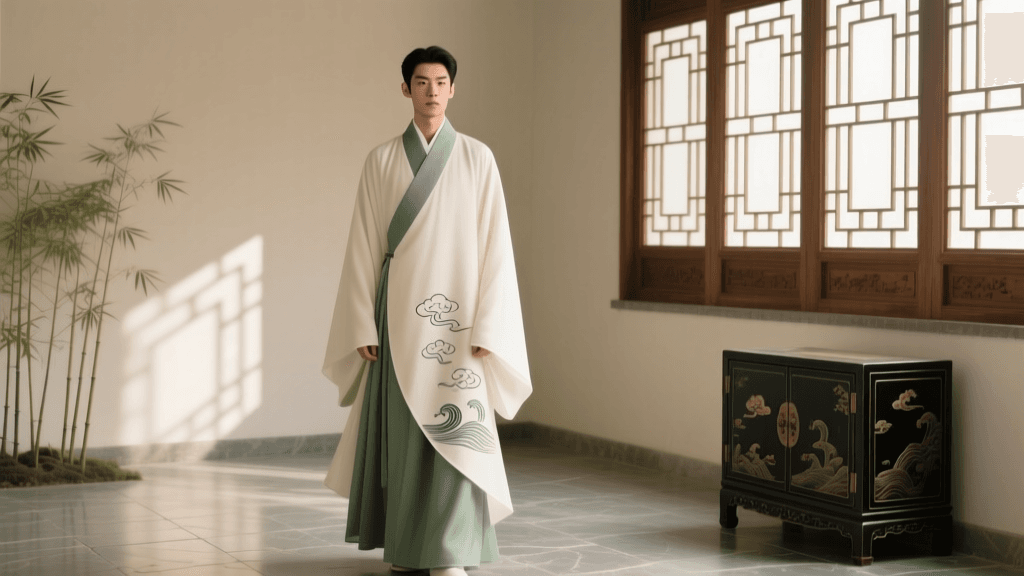
For transit and casual exploration, the Duan Shan (short blouse) and Beizi (open-front jacket) are indispensable. A Song-style Beizi, characterized by its straight silhouette and side slits, functions beautifully as a lightweight duster over modern base layers or traditional Mo Xiong (tube tops). In 2026, leading heritage brands have introduced Beizi with hidden interior pockets and reinforced seams, catering specifically to the needs of travelers carrying passports and transit cards. Opt for neutral tones like celadon, ivory, or slate grey, which can easily transition from a daytime museum visit to an evening tea ceremony.
Bottoms: The Versatile Mamianqun
The Mamianqun, or horse-face skirt, remains the undisputed champion of Hanfu travel. Its flat front and back panels, combined with pleated sides, offer a forgiving fit that accommodates fluctuations in travel bloating and allows for a full range of motion. For travel, select a Mamianqun with a 4.5-meter hem circumference rather than the more extravagant 6-meter versions; this prevents the pleats from dragging on dirty pavement or getting caught in escalator teeth. According to comprehensive historical archives on Hanfu, the Mamianqun's structural integrity has always lent itself to daily wear, and modern iterations with adjustable side-ties make them incredibly secure for long-haul flights.
Fabric Technology for the Suitcase
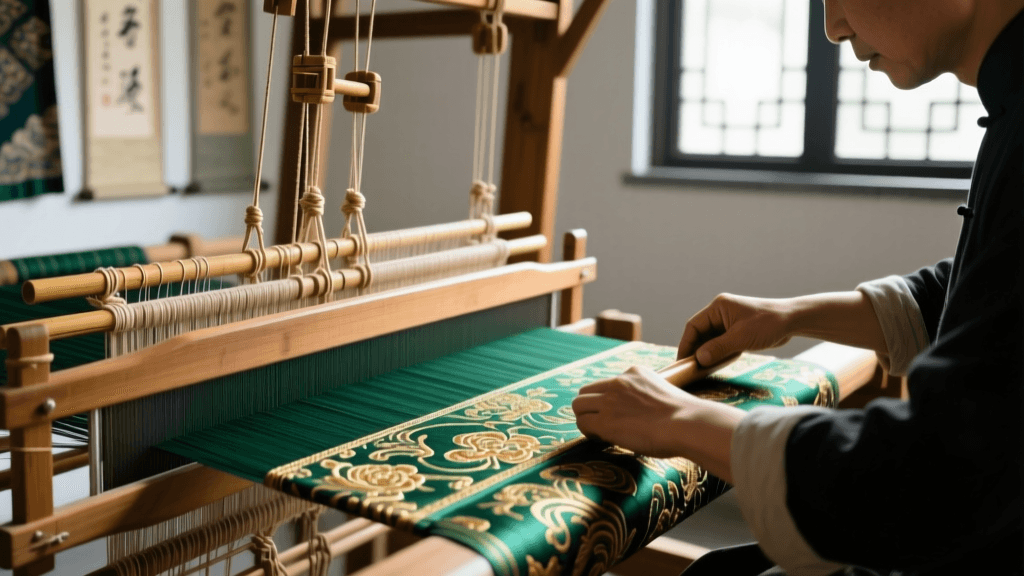
While pure mulberry silk is historically luxurious, it is a nightmare for suitcase packing due to its propensity to wrinkle and stain. The 2026 Hanfu market has fully embraced advanced textile blends that mimic the drape and luster of silk while offering the resilience of activewear. When curating your travel wardrobe, prioritize the following fabrics:
- Tencel and Lyocell Blends: These semi-synthetic fibers offer a cool, silky touch with exceptional wrinkle resistance. A Tencel Mamianqun can be rolled tightly in a packing cube and will release its creases within an hour of hanging.
- Copper Ammonia (Cupro):strong> Often used as a silk substitute, Cupro breathes beautifully in humid climates like Suzhou's summer or Kyoto's rainy season. It drapes elegantly and is machine-washable on delicate cycles, a lifesaver for extended trips.
- High-Twist Polyester Chiffon: For Tang-style Qixiong Ruqun (chest-high skirts) that require voluminous layering, high-twist poly-chiffon provides the necessary ethereal float without the crushing weight of real silk. It is virtually indestructible in luggage.
Destination-Specific Wardrobe Curation
Different destinations demand different historical aesthetics and practical considerations. Referencing the Metropolitan Museum of Art's Asian Art collection can provide excellent visual cues for matching your garments to the architectural and historical context of your destination.
Xi'an: Tang Dynasty Grandeur
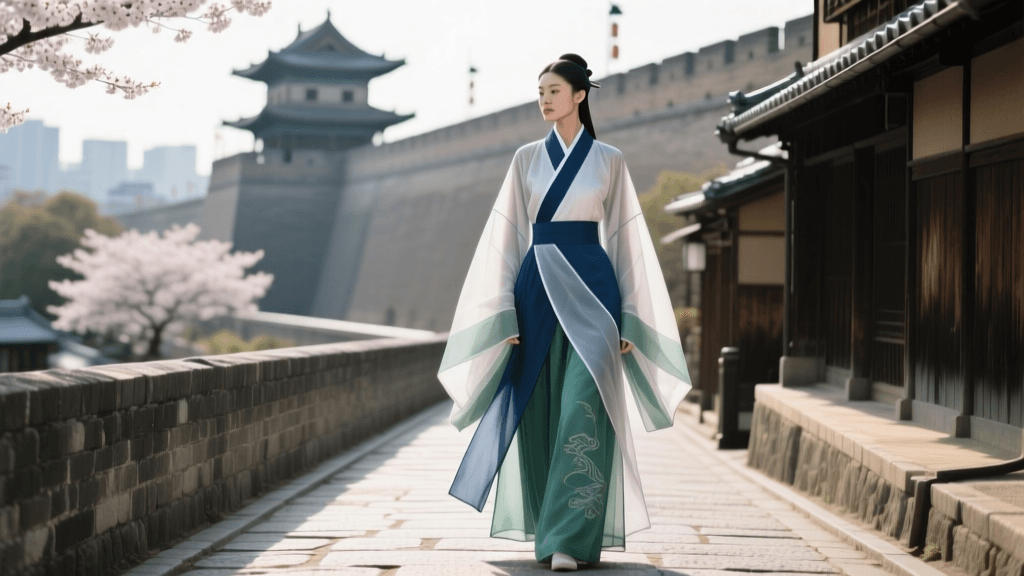
Xi'an, particularly the Datang Everbright City, is the epicenter of Tang Dynasty revivalism. The aesthetic here is bold, vibrant, and opulent. Pack a Qixiong Ruqun in jewel tones—ruby red, peacock blue, or marigold—paired with a sheer, wide-sleeved Daxiushan (grand sleeve robe). Because Xi'an involves extensive walking across expansive stone plazas, pair your outfit with modern, cushioned loafers disguised beneath the hemline rather than traditional embroidered shoes, which lack arch support.
Suzhou: Song Dynasty Elegance
The classical gardens of Suzhou call for the restrained, intellectual elegance of the Song Dynasty. A pastel-colored Baidiequn (hundred-pleat skirt) paired with a narrow-sleeved Beizi is perfect for navigating the narrow, winding corridors of the Humble Administrator's Garden. The color palette should reflect the natural surroundings: bamboo green, lotus pink, and mist grey. Avoid overly long trailing hems, as the mossy stone paths can be damp and uneven.
Kyoto: Ming Dynasty Harmony
When traveling to Kyoto, the Ming-style Aoqun (jacket and skirt) resonates beautifully with the local aesthetic, sharing visual parallels with traditional Japanese kimono layering. A high-collared Liling Ao paired with a woven, metallic-thread Mamianqun offers a dignified, structured silhouette that commands respect in sacred spaces like the Fushimi Inari Shrine. Ensure your garments are impeccably pressed, as Kyoto's culture places a high premium on neatness and meticulous presentation.
The 2026 Hanfu Packing Matrix
To streamline your preparation, use this destination-specific packing matrix to ensure you have the correct garments and accessories for your itinerary.
| Destination | Recommended Style | Primary Fabric | Key Accessory | Footwear Strategy |
|---|---|---|---|---|
| Xi'an (Datang Everbright City) | Tang-Style Qixiong Ruqun | Lightweight Poly-Chiffon | Silk Shawl (Pibo) | Cushioned Slip-ons |
| Suzhou (Classical Gardens) | Song-Style Beizi & Baidiequn | Tencel / Linen Blend | Bamboo Hand Fan | Flexible Mary Janes |
| Kyoto (Arashiyama / Shrines) | Ming-Style Aoqun | Wrinkle-Free Cupro | Embroidered Cloud Purse | Low-Profile Loafers |
| Hangzhou (West Lake) | Improved Modern Hanfu | Cotton / Spandex | Oil-Paper Umbrella | Waterproof Ankle Boots |
Mastering the Bundle Wrapping Technique
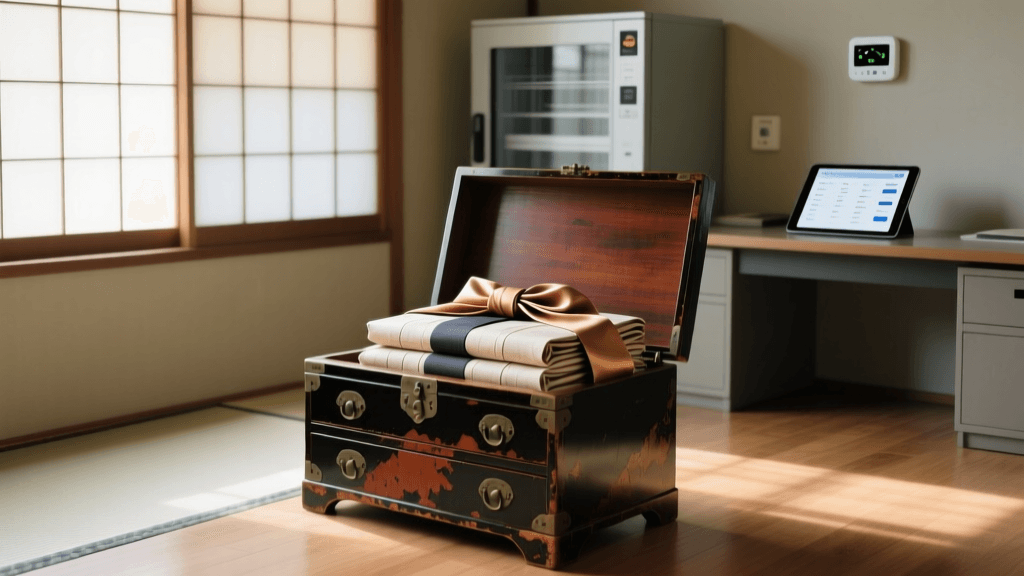
Folding Hanfu using standard squares will result in permanent creases across the pleats of your Mamianqun. In 2026, the gold standard for packing traditional garments is the "Bundle Wrapping" method. To execute this, lay your skirt flat and place a soft core (like a roll of undergarments or a small packing cube) in the center. Wrap the flat panels of the skirt over the core, then carefully fold the pleated sections inward, following the natural grain of the pleats. Finally, wrap the entire bundle in a silk or satin scarf to reduce friction. This method distributes tension evenly, ensuring that when you unpack at your hotel, the pleats fall perfectly into place without the need for a steamer.
Essential Travel Accessories & Undergarments
The structural integrity of a Hanfu outfit relies heavily on what lies beneath. Modern travel requires modern undergarment solutions. Traditional white cotton underskirts are too bulky for suitcase packing. Instead, invest in seamless, anti-static slip skirts made from microfiber; these prevent the outer Mamianqun from clinging to your legs in dry, air-conditioned airplane cabins. For tops, a well-fitted, nude-toned Mo Xiong with a silicone grip strip is essential to keep Tang-style chest-high skirts secure without the need for constant readjustment during transit.
Furthermore, pack a portable, dual-voltage capsule steamer. While wrinkle-resistant fabrics are a game-changer, a quick blast of steam is often required to refresh the stiff collars of Ming-style jackets after a long flight. Look for 2026 models that feature a ceramic soleplate and a leak-proof design, allowing you to steam garments while they are still hanging on the hotel closet rod.
Garment Care and Cultural Respect on the Road
Traveling in Hanfu is not merely about aesthetics; it is an act of cultural ambassadorship. When visiting active religious sites, whether Buddhist temples in Kyoto or Taoist shrines in the Wudang Mountains, ensure your shoulders and collarbones are covered. Avoid overly sheer fabrics in sacred spaces, and always remove your outer robes if requested by local monastics. If your garments become stained during street food excursions, carry a portable, waterless stain-removal pen specifically formulated for protein-based fibers, allowing you to treat spills on silk or Tencel immediately without requiring a full wash.
Ultimately, the 2026 Hanfu travel wardrobe is about harmonizing the romance of history with the pragmatism of modern exploration. By selecting modular pieces, embracing advanced textiles, and packing with intentionality, you can carry the elegance of Asian traditions across the globe, turning every cobblestone street and bamboo forest into your personal runway.