Gender-Neutral Hanfu: A Men's and Androgynous Styling Guide
The Evolution of Hanfu Beyond Gender Binaries
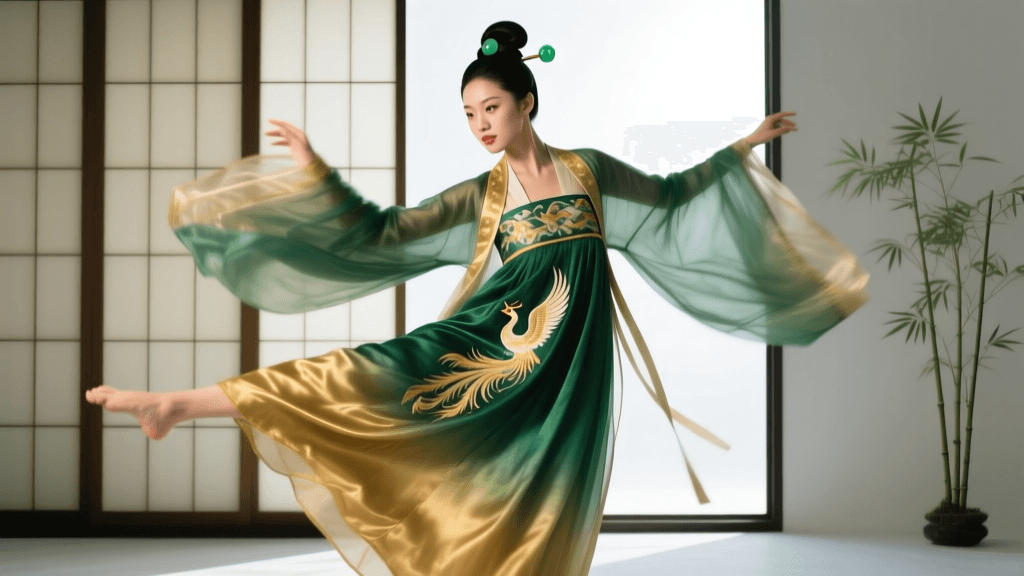
The modern Hanfu movement, or Hanfu Yundong, has largely been associated with a romanticized revival of traditional Chinese femininity, characterized by flowing skirts, delicate floral embroidery, and elaborate hairpins. However, a significant and rapidly growing subculture within this movement is challenging these modern gender binaries. Men, non-binary individuals, and gender-nonconforming fashion enthusiasts are reclaiming traditional Chinese garments, proving that Hanfu is not bound by contemporary Western concepts of gendered clothing. According to industry reports highlighted by the South China Morning Post, the Hanfu market has exploded into a multi-billion dollar industry, heavily driven by Gen Z consumers who view these garments as a canvas for personal and cultural identity rather than strict historical reenactment.
Historically, traditional Chinese clothing denoted social status, occupation, and dynasty-specific sumptuary laws far more than it adhered to the rigid menswear-womenswear divides of the 20th century. For instance, during the Song Dynasty, it was entirely common and socially celebrated for male scholars and officials to wear fresh flowers in their hair (zanhua) and don soft, pastel-colored silk robes. Today, the gender-neutral Hanfu movement draws upon this historical fluidity, blending masculine structures with androgynous draping to create a deeply expressive fashion category.
Key Silhouettes for Men and Androgynous Styling
When building a gender-neutral or masculine Hanfu wardrobe, understanding the foundational silhouettes is crucial. The core rule of all traditional Hanfu remains jiaoling youren (cross-collar, right-over-left), a cultural mandate that signifies respect and life, whereas left-over-right was historically reserved for the deceased.
The Daopao (Taoist Robe)
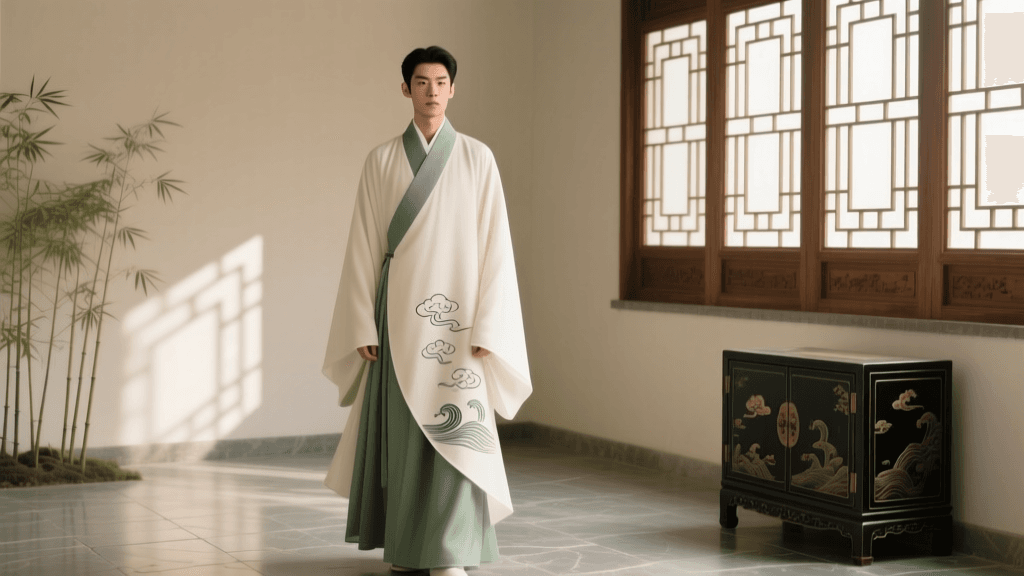
The Daopao is a staple of Ming Dynasty menswear that has become a favorite for androgynous styling. It features a cross-collar, wide sleeves, and distinctive side slits that reveal inner flaps (anbai). The Daopao provides a dramatic, flowing silhouette that flatters all body types, masking the waist and shoulders while offering immense comfort and mobility. It is frequently worn in solid, earthy tones like deep plum, slate grey, or bamboo green.
The Yuanlingpao (Round-Collar Robe)
Prominent in the Tang and Ming dynasties, the Yuanlingpao features a round neckline and is often secured with a leather or fabric belt. This garment is highly versatile for modern gender-neutral styling because it can be layered over contemporary clothing, such as a black turtleneck or a crisp button-down shirt, bridging the gap between ancient tradition and modern streetwear. The collar can also be unbuttoned and folded down to mimic a cross-collar look.
The Feiyufu (Flying Fish Garment)
Originally a uniform granted by the Ming Emperor to elite guards, the Feiyufu is characterized by its narrow sleeves, structured shoulders, and intricate, aggressive embroidery (featuring the mythical flying fish or python motifs). It is highly favored by masculine-presenting individuals and cosplayers for its sharp, martial aesthetic. Paired with a structured leather belt and a traditional sword, it projects authority and historical power.
Kuzhe and Yiqun (Trousers and Skirts)
While the ruqun (top and skirt) is traditionally coded as feminine in modern revivals, gender-neutral stylists are reclaiming the Yiqun (skirt) by pairing it with structured, masculine tops or wearing wide-legged, pleated trousers known as Kuzhe. The Kuzhe offers the visual volume and graceful draping of a skirt while providing the practical mobility of trousers, making it a cornerstone of androgynous Hanfu fashion.
Comparison Chart: Silhouettes and Styling
| Garment | Historical Era | Key Characteristics | Modern Gender-Neutral Appeal |
|---|---|---|---|
| Daopao | Ming Dynasty | Cross-collar, side slits, inner flaps, wide sleeves | Flowing, dramatic silhouette suitable for all body types; excellent for layering. |
| Yuanlingpao | Tang / Ming | Round collar, side slits, belt-secured | Structured, adaptable for layering over modern turtlenecks or streetwear. |
| Feiyufu | Ming Dynasty | Narrow sleeves, embroidered motifs, tailored fit | Sharp, martial aesthetic; highly favored for bold, authoritative styling. |
| Kuzhe | Various | Pleated or wide-leg trousers, high-waisted | Replaces skirts, offers mobility, fluid draping, and a distinctly androgynous profile. |
Fabric, Color, and Embroidery: Breaking the Rules
A common misconception in modern Hanfu styling is that men must wear dark, unadorned fabrics, while bright colors and floral embroidery are reserved for women. Historical records contradict this. Tang Dynasty noblemen frequently wore vibrant pinks, purples, and gold brocades. When curating a gender-neutral wardrobe, do not shy away from rich textiles.
- Raw Silk and Linen: Ideal for everyday wear and warmer climates. These fabrics offer a matte, textured finish that reads as deeply masculine or utilitarian, yet drapes beautifully.
- Jacquard and Brocade: Perfect for festivals and formal events. Look for subtle, tone-on-tone jacquard weaves featuring clouds, cranes, or bamboo motifs. These add visual depth without relying on overtly feminine floral patterns.
- Color Palettes: Move beyond basic black and navy. Explore 'traditional Chinese colors' such as Yuebai (moon white, a pale blue), Yachi (pale ivory), and Cangse (deep teal). These shades are universally flattering and historically rich.
Practical Sizing, Measurements, and Tailoring
One of the greatest hurdles in purchasing Hanfu online—particularly from Taobao or specialized retailers like Shisanyu or Zhongzheng Hanfu—is navigating Asian sizing charts, which often run smaller and are strictly gendered. For a truly gender-neutral fit, custom tailoring or made-to-measure services are highly recommended.
According to cultural analyses by Sixth Tone, the search for authentic identity in the Hanfu revival has led to a booming market for bespoke artisans who cater to diverse body types and non-standard measurements.
Essential Measurements to Take
- Shoulder Width: Measure from the edge of one shoulder bone to the other across the upper back.
- Chest/Bust: Measure around the fullest part of the chest, keeping the tape measure level.
- Waist: For Hanfu, the 'waist' is often the natural waist or slightly higher, depending on the skirt or trouser rise.
- Sleeve Length: Crucial for Hanfu. Measure from the C7 vertebra (the prominent bone at the base of the neck) across the shoulder and down to the wrist or middle knuckle, depending on the desired sleeve length.
- Garment Length: Measure from the base of the neck down to the desired hemline (usually the ankle bone for robes).
Costs and Timing
Off-the-rack Hanfu from reputable brands typically costs between $40 and $150 USD. However, for custom tailoring that accommodates broader shoulders, diverse chest measurements, or specific androgynous draping preferences, expect to pay between $150 and $350 USD. Pro Tip: Custom Hanfu artisans often have waitlists of 45 to 90 days. If you are planning an outfit for major cultural events like the Spring Festival, Mid-Autumn Festival, or a traditional wedding, place your custom orders at least three months in advance.
Accessorizing: Hair, Footwear, and Historical Accents
Accessories are where a gender-neutral Hanfu look truly comes to life. They provide the structural markers of historical context while allowing for immense personal expression.
Hair and Headwear (Guan and Zan)
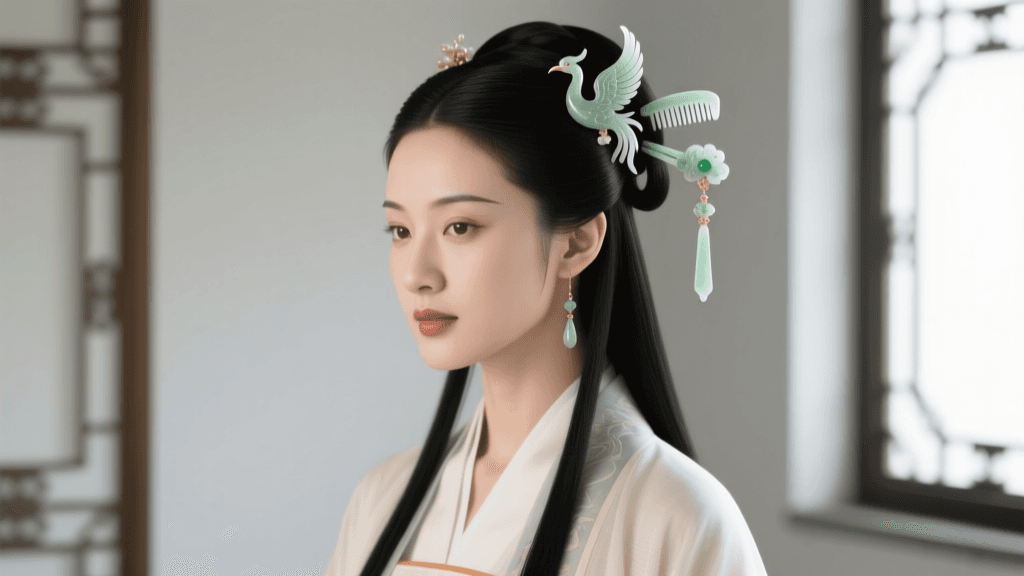
Historically, allowing one's hair to hang loose was considered uncivilized or associated with youth and mourning. Adult men and scholars wore their hair bound and secured with a Guan (cap or crown) or a Zan (hairpin). Today, individuals of all genders with long or medium-length hair can utilize wooden, jade, or metal hairpins to create elegant half-up styles. For those with short hair, subtle leather headbands or minimalist metal hair cuffs can evoke a martial, wuxia-inspired aesthetic without requiring extensions.
Footwear
While traditional cloth boots (xue) with upturned toes are historically accurate, they can be difficult to source in larger, masculine sizes. A popular gender-neutral alternative is the modern leather Chelsea boot or a minimalist, thick-soled Oxford shoe in black or dark brown. These provide the necessary height and structure to support the heavy draping of Ming Dynasty robes while grounding the outfit in contemporary fashion.
Belts and Waist Accents
The waist is a focal point in Hanfu styling. Instead of delicate silk sashes, opt for tooled leather belts, braided cord belts with jade pendants (pei yu), or structured fabric cummerbunds. Jade is historically significant; as noted in reports by China Daily regarding the youth-driven Hanfu market, traditional accessories like jade and silverwork have seen a massive resurgence, with young consumers investing heavily in gender-neutral, heritage-quality accents that can be passed down.
'Hanfu is not a costume to be confined by modern gender expectations; it is a living textile tradition that has always adapted to the wearer's spirit, status, and era.'
The Cultural Impact of the Gender-Neutral Hanfu Movement
The visibility of men and non-binary individuals in Hanfu has been massively amplified by platforms like Douyin (the Chinese counterpart to TikTok) and Instagram. Creators are blending traditional garments with modern cyberpunk elements, gothic aesthetics, and high-fashion streetwear, creating subgenres like 'Wuxia Techwear' and 'Dark Academia Hanfu'. This digital visibility is doing more than just shifting fashion trends; it is actively dismantling the stereotype that traditional cultural dress is inherently restrictive or solely feminine.
By embracing the Daopao, reclaiming the right to vibrant colors, and mastering the art of historical accessorizing, men and gender-diverse individuals are ensuring that the Hanfu revival is an inclusive, multifaceted renaissance. Whether you are stepping out for a photoshoot, attending a cultural festival, or simply integrating a Yuanlingpao into your daily autumn wardrobe, gender-neutral Hanfu styling offers a profound connection to history, redefined on your own terms.