Dressing the Divine: Hanfu Styling for Chinese Mythology
The Intersection of Myth and Textile
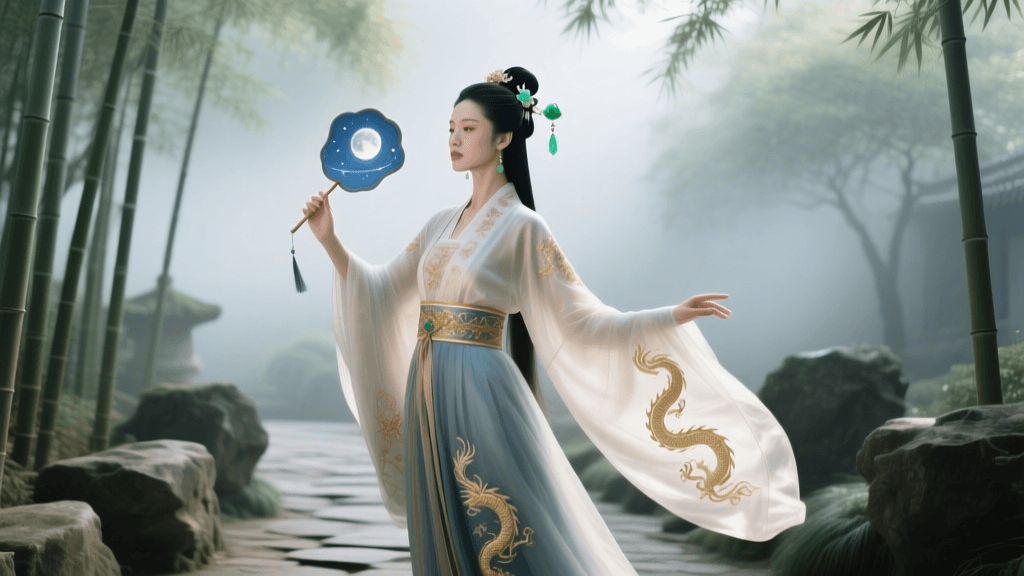
Chinese mythology is a vast, intricate tapestry of gods, goddesses, spirits, and immortal beings that have captivated the human imagination for millennia. From the moonlit elegance of the lunar goddess Chang'e to the fierce, tempestuous majesty of the Dragon Kings, these legends are deeply embedded in the cultural consciousness of East Asia. In recent years, the global Hanfu movement has expanded beyond historical recreation into the realm of Shenhua (mythology) and Xianxia (immortal heroes). Enthusiasts are no longer just replicating Tang or Song dynasty street wear; they are actively translating ancient legends into tangible, wearable art.
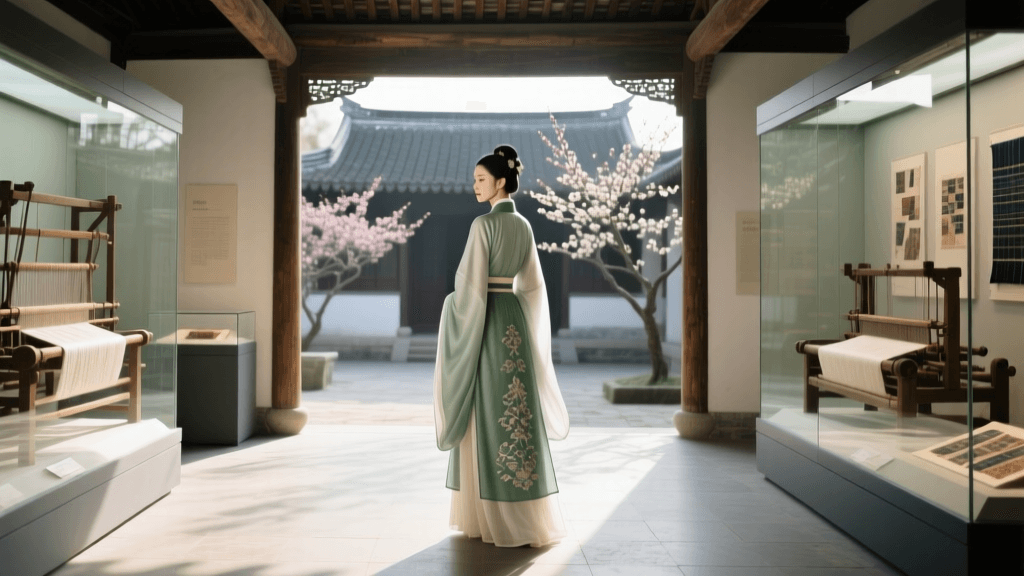
Dressing as a deity requires more than just slipping on a traditional robe. It demands an understanding of celestial aesthetics, the physics of flowing fabrics, and the symbolic language of color and embroidery. According to the Metropolitan Museum of Art, the evolution of silk weaving and textile production in ancient China was intrinsically linked to social status and spiritual rituals, making silk the undisputed fabric of the divine. When we recreate mythological Hanfu today, we are participating in a lineage of craftsmanship that elevates the wearer from the mortal realm to the celestial.
The Architecture of Divine Dress: Key Garment Types
To achieve an ethereal, otherworldly silhouette, specific Hanfu garments are essential. These pieces rely on flat-cutting techniques and generous fabric allowances to create the illusion of floating or gliding, a hallmark of Chinese immortal depictions in classical art and Dunhuang murals.
1. Daxiushan (The Grand Outer Robe)
The Daxiushan, or large-sleeve shirt, is the cornerstone of any high-immortal or deity wardrobe. Originating in the Tang and Song dynasties, this sheer or semi-sheer outer layer features dramatically wide sleeves that often measure between 100cm and 150cm in width. For mythological styling, the Daxiushan is typically worn open at the front, allowing the intricate layers beneath to show through. When sourcing a Daxiushan for cosplay or photography, look for sleeve lengths that extend at least 15cm past the fingertips to create the signature 'water sleeve' effect when the arms are in motion.
2. Pibo (The Celestial Silk Ribbon)
No deity ensemble is complete without the Pibo, a long, flowing silk stole or ribbon draped around the shoulders and arms. The Pibo defies gravity in artistic depictions, swirling around immortals to signify their spiritual energy (Qi). For practical wear, a Pibo should measure between 2.5 to 3.5 meters in length and about 20cm to 30cm in width. To prevent it from slipping off during movement, stylists often use hidden safety pins at the collarbone or rely on the friction of textured silk organza against the inner robe.
3. Qixiong Ruqun (Chest-High Skirt Ensemble)
Popularized by modern interpretations of Tang dynasty fashion and heavily featured in Xianxia media, the Qixiong Ruqun features a skirt tied high above the bust. This silhouette elongates the lower body, giving the wearer a statuesque, pillar-like grace reminiscent of temple statues. The critical challenge with the Qixiong Ruqun is keeping it secured. Modern Hanfu brands often include silicone gripper strips inside the waistband or provide dual-layer ties to ensure the heavy pleated skirts do not slip down during wear.
Deity Archetypes: A Styling and Fabric Guide
Different mythological figures require distinct color palettes, fabrics, and motifs. The cultural significance of these textiles is so profound that traditional sericulture and silk craftsmanship in China have been inscribed on the UNESCO Representative List of the Intangible Cultural Heritage of Humanity, as documented by UNESCO. Below is a comparative guide to styling four major mythological archetypes.
| Deity Archetype | Signature Colors | Core Garments | Fabric Recommendations |
|---|---|---|---|
| Moon Goddess (Chang'e) | Pearl White, Icy Blue, Silver | Qixiong Ruqun, Extra-Long Pibo | Silk satin, sheer organza, silver-thread embroidery |
| Dragon King / Water Deity | Azure, Deep Teal, Imperial Gold | Yuanlingpao (Round Collar), Daxiushan | Heavy brocade, damask, scale-motif jacquard |
| Nine-Tailed Fox Spirit | Crimson, Peach, Copper, Black | Jiaoling Ruqun, Asymmetric layers | Chiffon, velvet accents, faux fur trim |
| Jade Emperor / High Immortal | Imperial Yellow, Jade Green, White | Mianfu (Ceremonial), Wide-Sleeve Daxiushan | Silk damask, gold-thread Kesi tapestry |
Practical Guide: Sourcing and Assembling Your Wardrobe
Building a mythological Hanfu wardrobe requires navigating a mix of historical accuracy and theatrical fantasy. As noted by Encyclopædia Britannica, silk has long been associated with luxury, status, and the divine, but modern synthetic alternatives can offer similar visual effects at a fraction of the cost, which is vital for elaborate cosplay builds.
Where to Source Mythological Hanfu
While historical Hanfu brands focus on museum-accurate reproductions, mythological and Xianxia styling often requires specialized 'fantasy Hanfu' (often categorized as Xianxia Hanfu or Guofeng on e-commerce platforms). Taobao and specialized international retailers like Newhanfu or Hanfu Global are primary sources. Look for brands like Shisan Yu or Zhongling for high-quality embroidery, but for purely fantastical, gravity-defying pieces, independent Taobao studios specializing in 'Cosplay Hanfu' offer the dramatic sleeve widths and pre-pleated Pibo stoles necessary for deity styling.
Crucial Measurements for the Perfect Fit
Hanfu relies on flat cutting rather than tailored darts, meaning the fit is highly forgiving, but specific measurements are non-negotiable for mythological silhouettes:
- Skirt Length (Qixiong): Measure from your underbust (where the skirt will sit) down to the floor while wearing the shoes you intend to use. Add 5cm to this measurement to allow for the hem to pool slightly, enhancing the ethereal, grounded look of a deity.
- Sleeve Width (Daxiushan): Standard historical sleeves might be 40-60cm wide. For mythological styling, ensure the product description specifies a sleeve width (Xiu Kuan) of at least 100cm. Anything less will look like standard historical wear rather than celestial dress.
- Pibo Length: Ensure the Pibo is at least 2.5 meters. If you are taller than 170cm, opt for a 3-meter Pibo to ensure it reaches the calves when draped over both shoulders.
Budgeting Your Divine Wardrobe
The cost of assembling a mythological Hanfu outfit varies wildly based on material and embroidery density. Here is a practical cost breakdown in USD:
- Entry-Level / Cosplay Grade ($60 - $120): Utilizes polyester chiffon, digital printing instead of embroidery, and machine-sewn pleats. Excellent for conventions and dynamic photography where durability is needed.
- Mid-Tier / Studio Grade ($150 - $350): Features genuine silk blends, metallic thread embroidery, and structured jacquard weaves. The Pibo will likely be real silk organza, providing superior drape and light-catching qualities.
- Couture / Heirloom Grade ($500 - $1,500+): Involves hand-embroidery (such as Suzhou or Shu embroidery techniques), genuine mulberry silk, and custom-tailored proportions. Reserved for serious collectors and high-end cultural exhibitions.
Accessorizing the Immortals: Hair, Jade, and Makeup
The garments are only half the equation; the accessories anchor the mythological illusion. Deities in Chinese folklore are rarely depicted with simple hairstyles. Investing in a high-quality, heat-resistant lace-front wig styled into a traditional Gaoji (high bun) is essential. Secure the wig with a Buyao (step-shake) hairpin. For a moon goddess, choose silver buyao with dangling pearl or jadeite beads; for a fox spirit, opt for gold and coral with asymmetrical floral motifs.
Jade ornaments are mandatory for high-ranking immortals. A Bi disc (a flat jade ring with a central hole) worn as a pendant on a silk cord at the waist symbolizes heaven and cosmic harmony. When sourcing jade, authentic Hetian jade is prohibitively expensive for most hobbyists; high-quality Xiuyan jade or polished aventurine provide the same translucent, spiritual aesthetic for under $50.
Finally, makeup must bridge the gap between human and divine. Incorporate Huadian (forehead decals) made of gold leaf, pearl powder, or delicate floral cutouts. For ethereal beings like Chang'e or the Nine-Tailed Fox, subtle shimmer on the cheekbones and the inner corners of the eyes mimics the celestial light often depicted in classical scroll paintings.
Conclusion
Recreating traditional clothing from Chinese mythology is an act of cultural storytelling. It requires a delicate balance of respecting historical textile traditions while embracing the boundless creativity of folklore. By carefully selecting the right silhouettes, understanding the physics of celestial fabrics like the Pibo and Daxiushan, and accessorizing with symbolic jade and metallic hairpins, you can step out of the mortal realm and embody the timeless elegance of the divine. Whether for a cultural festival, a photography project, or a deep dive into the Xianxia aesthetic, dressing the gods allows us to keep ancient legends vividly alive in the modern world.