Destination Weddings in Japan: The Ultimate Kimono Guide
The Allure of a Traditional Japanese Destination Wedding
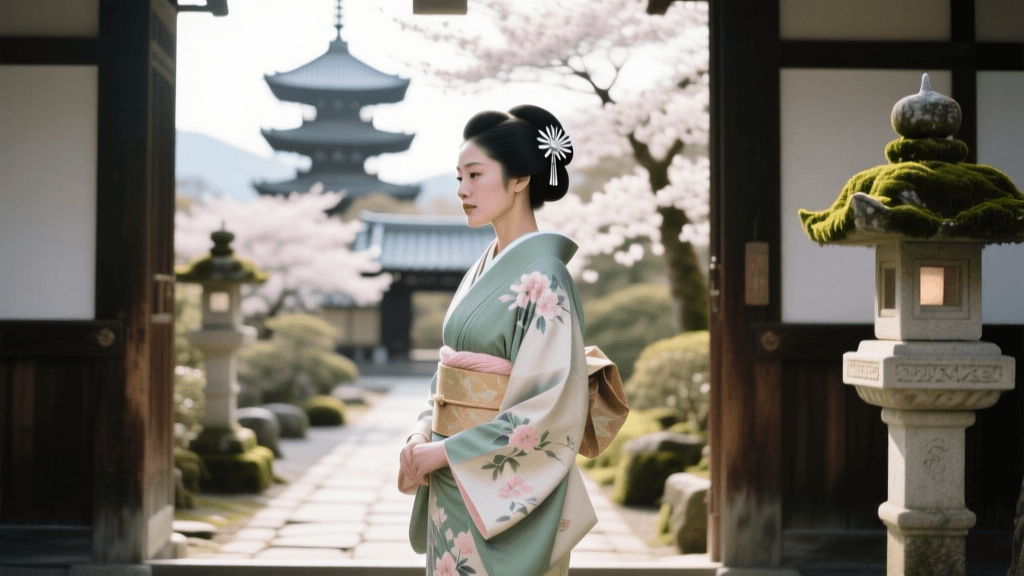
For couples seeking a wedding that transcends the ordinary, Japan offers an unparalleled blend of ancient tradition, meticulous craftsmanship, and breathtaking natural beauty. A destination wedding in Japan is not merely a change of scenery; it is an immersive cultural experience. At the heart of this experience is the traditional Japanese wedding attire. Exchanging vows in a historic Shinto shrine or a serene Kyoto garden while draped in centuries-old silk textiles creates a profoundly moving atmosphere that modern Western gowns simply cannot replicate.
According to the Japan Guide on traditional weddings, Shinto-style ceremonies remain deeply significant, emphasizing purity, harmony, and the bond between families. However, planning a kimono-clad destination wedding requires navigating unique logistical challenges, from understanding complex dressing procedures to managing seasonal weather constraints. This comprehensive guide provides actionable advice, cost breakdowns, and insider tips to help international couples execute a flawless traditional Japanese wedding.
Choosing Your Bridal Kimono: Shiromuku, Irouchikake, and Hikifurisode
The Japanese bridal wardrobe is famously layered and symbolic. Unlike a Western wedding where a bride might wear one dress, a Japanese bride often changes outfits multiple times throughout the day, transitioning from the solemn ceremony to the festive reception. Understanding the distinct types of bridal kimono is the first step in planning your wardrobe.
The Shiromuku is the most formal and traditional bridal kimono, worn exclusively for the wedding ceremony. Translating to "pure white," it consists of a white under-robe, a white outer robe, and a white hood called a wataboshi or a horn-hiding tsunokakushi. The color symbolizes the bride's purity and her willingness to be "dyed" in the colors of her new family. The Irouchikake is a heavily padded, brightly colored or patterned outer robe worn over a base kimono, typically reserved for the reception. Finally, the Hikifurisode features long, swinging sleeves and is often black with vibrant motifs, symbolizing the bride's transition into a married woman.
As noted by the Victoria and Albert Museum's extensive research on Kimono artistry, the textile techniques used in these garments, such as Yuzen dyeing and intricate gold-leaf embroidery, represent the pinnacle of Japanese craftsmanship. Below is a comparison chart to help you choose the right styles for your event.
| Kimono Style | Primary Use | Key Characteristics | Average Rental Cost (JPY) | Approx. Weight |
|---|---|---|---|---|
| Shiromuku | Shinto Ceremony | Pure white silk, wataboshi hood, subtle woven patterns | ¥150,000 - ¥300,000 | 15 - 20 kg |
| Irouchikake | Reception / Photos | Vibrant colors, heavy padded hem, elaborate embroidery | ¥200,000 - ¥500,000 | 12 - 18 kg |
| Hikifurisode | Reception / Banquet | Long swinging sleeves, often black with bold motifs | ¥150,000 - ¥350,000 | 10 - 15 kg |
| Uchikake (Western) | Reception (Alternative) | Worn open over a Western wedding gown for a fusion look | ¥80,000 - ¥150,000 | 5 - 8 kg |
The Groom’s Attire: Montsuki Haori Hakama
While the bride's attire often steals the spotlight, the groom's traditional wear is equally steeped in formality and elegance. The standard formal attire for a groom is the Montsuki Haori Hakama. This ensemble consists of a black silk kimono adorned with five family crests (montsuki), a formal pleated skirt-like trousers (hakama), and a short jacket (haori) worn over the kimono. The groom will also carry a white folding fan (sensu) and wear traditional zori sandals with white tabi socks. For destination weddings, renting this ensemble is highly recommended, with packages typically ranging from ¥50,000 to ¥120,000, including dressing services.
Logistics: Renting vs. Buying for a Destination Wedding
For international couples, renting is almost universally the most practical choice. Purchasing a genuine, high-quality bridal kimono can cost anywhere from ¥1,000,000 to over ¥5,000,000 ($7,000 to $35,000+ USD). Furthermore, authentic silk kimono require meticulous climate-controlled storage and specialized cleaning, making them difficult to transport across international borders without risking damage from customs inspections or humidity changes.
When renting in Japan, look for comprehensive bridal packages offered by specialized kimono salons in Tokyo or Kyoto. These packages typically include the kimono, all necessary undergarments, the obi (sash), accessories, hair styling, makeup, and the services of a professional kitsuke (kimono dresser). Be sure to book your rental salon at least 9 to 12 months in advance, especially if your wedding coincides with peak tourist seasons like the spring cherry blossom season or the autumn foliage season.
The Dressing Process: What to Expect on the Big Day
Dressing in a traditional bridal kimono is not like slipping into a Western gown; it is a complex architectural feat. The kitsuke process takes between 90 and 120 minutes. The dresser will use multiple padding garments to create a uniform, cylindrical silhouette, which is considered the ideal aesthetic in traditional Japanese fashion. This involves tying numerous koshihimo (thin cotton ties) and datejime (wide elastic belts) tightly to secure the heavy layers and the elaborate obi knot.
Brides should be prepared for the physical reality of wearing a kimono. The complete Shiromuku ensemble can weigh up to 20 kilograms (44 pounds). The tight binding restricts deep breathing and limits your stride to small, shuffling steps. To manage this, schedule a "first look" or a private dressing rehearsal a day before the wedding to build your stamina and ensure your footwear fits correctly.
"The art of kitsuke is about creating harmony between the garment and the wearer's body. For brides, we focus on ensuring the heavy layers are distributed evenly so she can maintain her posture gracefully throughout the long ceremony." — Master Kitsuke Instructor, Kyoto.
Navigating Weather and Venues in Kyoto and Beyond
Japan's distinct seasons dramatically impact your kimono experience. The official Kyoto tourism board heavily promotes the city's rich traditional heritage, making it a top destination for weddings. However, timing is everything.
- Spring (March to May): The most popular season due to the mild weather and cherry blossoms. Kimono are lined (awase). Book venues a year in advance.
- Summer (June to August): June is the rainy season (tsuyu), and July/August bring oppressive heat and humidity. Wearing a heavy, multi-layered silk kimono in 35°C (95°F) heat with 80% humidity is physically dangerous. If you must marry in summer, opt for a lightweight, unlined summer silk (ro or sha) and ensure your venue and photo locations are heavily air-conditioned.
- Autumn (September to November): Excellent weather and stunning red maple leaves (momiji). Ideal for outdoor shrine photography.
- Winter (December to February): Bitterly cold, especially in Kyoto where winds sweep through the basin. Brides will need specialized kimono undergarments with fleece lining and disposable heat packs (kairo) strategically placed by the dresser.
Essential Tips for International Couples
To ensure your destination wedding is a success, keep these actionable tips in mind:
- Hire a Bilingual Wedding Planner: Many traditional kimono salons and Shinto shrines do not have English-speaking staff. A local planner will bridge the communication gap, translate your measurements, and negotiate rental contracts.
- Provide Accurate Measurements Early: Kimono are wrapped and folded to fit. You will need to provide your height, bust, waist, hips, and arm span (from wrist to wrist) at least three months prior. Significant weight fluctuations close to the wedding can complicate the dressing process.
- Plan for Footwear: Traditional zori sandals are flat and can cause blisters if you are not used to them. Bring blister plasters and consider having your dresser adjust the hanao (thongs) for a custom fit.
- Understand Shrine Restrictions: Some historic Shinto shrines restrict photography during the actual ritual, or require you to hire their in-house photographers. Always verify the media policy of your chosen venue well in advance.
Conclusion
A kimono destination wedding in Japan is a profound commitment not just to your partner, but to the preservation and celebration of a beautiful, enduring culture. By understanding the nuances of bridal styles, respecting the physical demands of the attire, and planning meticulously around Japan's seasonal shifts, you can create a wedding day that is as visually stunning as it is spiritually meaningful. Whether you are walking the stone paths of a Kyoto shrine or exchanging vows beneath the cedar trees of Hakone, the traditional Japanese wedding kimono will ensure your special day is etched in timeless elegance.