Hanfu Travel Guide 2026: Packing Tips & Best Photo Destinations
The Renaissance of Hanfu Travel in 2026
The year 2026 marks a pivotal moment for traditional Chinese fashion. What began as a niche hobby has fully blossomed into a mainstream cultural movement, with millions of enthusiasts traveling domestically and internationally to capture breathtaking photographs in authentic historical settings. However, traveling with Hanfu presents unique logistical challenges. Unlike modern fast fashion, traditional garments like the Mamianqun (horse-face skirt) and Daxiushan (large-sleeve robe) feature intricate pleats, delicate silk weaves, and elaborate accessories that require meticulous packing strategies. According to the Metropolitan Museum of Art's Heilbrunn Timeline of Chinese Art, the structural complexity of historical Chinese garments is deeply tied to their cultural significance, meaning modern travelers must treat these pieces with the utmost care to preserve their historical silhouettes.
Whether you are planning a weekend photoshoot at a botanical garden or a two-week heritage tour across China, mastering the art of packing Hanfu is essential. This comprehensive guide covers wrinkle-free packing techniques, essential 2026 travel gear, and the ultimate destination guide for Hanfu photography.
Essential Hanfu Packing Strategies for Wrinkle-Free Travel
Packing traditional garments requires moving away from standard rolling or stuffing methods. The goal is to preserve structural integrity, particularly for heavily pleated or embroidered pieces.
The Tissue Paper Interleaving Method for Mamianqun
The Mamianqun is arguably the most popular yet difficult garment to pack. The sharp, knife-edge pleats can easily become crushed or misaligned in a standard suitcase. To prevent this in 2026, seasoned travelers use the 'Tissue Paper Interleaving Method'. First, lay the skirt flat on a clean surface. Fold the skirt along its natural pleat lines, but place a sheet of acid-free tissue paper between every single fold. This reduces friction and prevents the fabric from shifting during transit. Once folded, place the skirt inside a rigid, water-resistant garment folder rather than a soft compression cube, which can apply uneven pressure and warp the pleats.
Handling Delicate Silks and Song Dynasty Outerwear
Song dynasty styles, such as the Beizi (long outer jacket) and Baiqun (pleated skirt), often utilize lightweight, semi-sheer silks or synthetic blends that mimic the drape of historical gauze. While these fabrics are less structured than Ming dynasty brocades, they are highly susceptible to deep-set creases. Never use vacuum-sealed bags for silk Hanfu; the intense compression will damage the fibers and create wrinkles that even professional steamers struggle to remove. Instead, loosely roll the garments around a cylindrical packing tube, a technique favored by luxury textile conservators.
Must-Have 2026 Packing Accessories
- Portable Dual-Voltage Steamer: A compact steamer is non-negotiable. The Philips STH3020 foldable travel steamer remains a top choice in 2026 for its rapid heat-up time and ability to safely refresh delicate silk damasks without leaving water spots.
- Pleat Retention Clips: Small, specialized plastic clips designed to hold Mamianqun pleats in place while hanging in your hotel closet.
- Velvet-Lined Accessory Boxes: Hairpins (buyao), jade pendants, and woven belts must be stored in hard-shell, velvet-lined jewelry boxes to prevent tarnishing and bending.
- Cloud Shoe Bags: Traditional embroidered cloud shoes (yunxie) often feature delicate beadwork. Pack them in individual flannel drawstring bags to protect the embroidery from snagging on zippers.
Top Hanfu-Friendly Destinations for 2026
Choosing the right destination is just as important as packing the right garment. In 2026, several cities have optimized their tourism infrastructure to cater specifically to Hanfu enthusiasts, offering specialized rental shops, historical makeup artists, and curated photography routes.
Luoyang: The Ultimate Tang Dynasty Immersion
Luoyang, one of the Four Great Ancient Capitals of China, is the undisputed capital of Tang dynasty aesthetics. The city's Luoyi Ancient City district is a sprawling, meticulously recreated architectural marvel designed specifically for Hanfu photography. In 2026, Luoyang has expanded its night-time illumination projects, allowing photographers to capture the vibrant, lantern-lit atmosphere that perfectly complements the bold colors and luxurious fabrics of Tang-style Qixiong Ruqun (chest-high skirts) and Pibo (silk shawls). When planning itineraries around heritage sites, referencing the UNESCO World Heritage list is highly recommended, as the nearby Longmen Grottoes offer a breathtaking, albeit more restricted, backdrop for solemn, historically grounded photoshoots.
Hangzhou: Song Dynasty Elegance by the West Lake
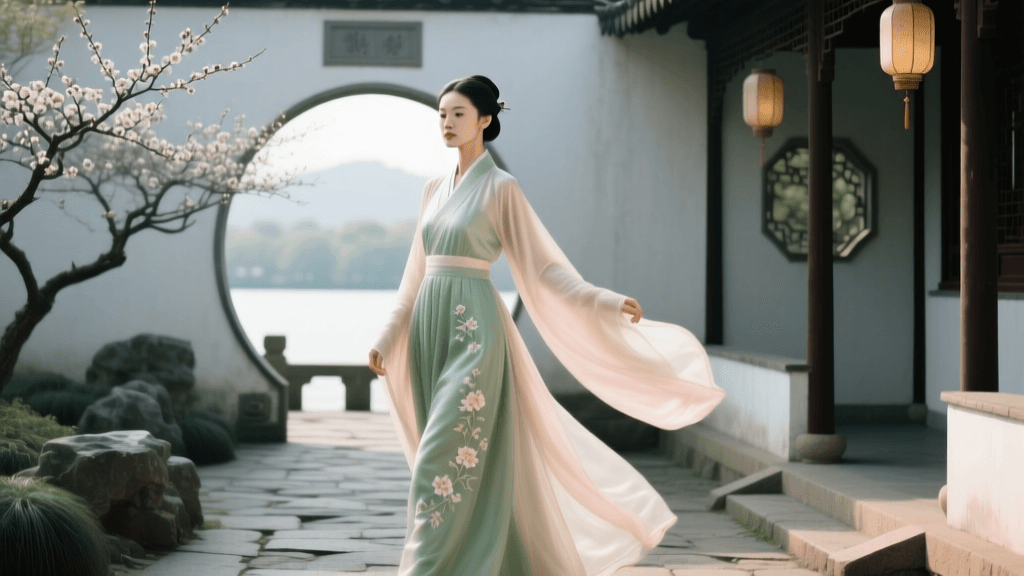
For those who prefer the understated, intellectual elegance of the Song dynasty, Hangzhou is the premier destination. The weeping willows, misty pavilions, and serene waters of the West Lake provide a natural canvas for the muted tones and slender silhouettes of Song-style garments. The Lingyin Temple area and the nearby Xixi National Wetland Park offer lush, green backdrops that highlight the flowing drape of Song Beizi. Hangzhou's local tea houses also frequently host traditional tea ceremonies, providing excellent opportunities for lifestyle and detail-oriented photography.
Xi'an: Night Markets and Ming Dynasty Walls
Xi'an offers a dynamic blend of Tang and Ming dynasty influences. The Datang Everbright City is a massive pedestrian zone that comes alive at night with performances, parades, and thousands of Hanfu-clad visitors. For a more structured, architectural backdrop, the ancient City Wall of Xi'an provides a commanding, imposing setting that pairs beautifully with the dignified, structured lines of Ming dynasty Aoqun (jacket and skirt sets) and the iconic horse-face skirts. According to Lonely Planet's China travel resources, navigating Xi'an's vast historical sites requires comfortable footwear, making the aforementioned cloud shoes or hidden modern sneakers a practical necessity for long shooting days.
Hanfu Destination Comparison Chart
| Destination | Best Hanfu Era | Top Photo Spot | Crowd Level (2026) | Garment Care Need |
|---|---|---|---|---|
| Luoyang | Tang Dynasty | Luoyi Ancient City | Very High | High (Heavy silks) |
| Hangzhou | Song Dynasty | West Lake Pavilions | Moderate | Moderate (Light gauze) |
| Xi'an | Tang / Ming | Datang Everbright City | Very High | High (Structured pleats) |
| Suzhou | Ming Dynasty | Humble Administrator's Garden | High | High (Embroidered silks) |
Navigating Transit and Security with Traditional Garments
Traveling with Hanfu extends beyond the suitcase; it also involves navigating modern transit systems. Airport security and high-speed rail checkpoints in China can be hectic. When packing your carry-on, ensure your travel steamer is easily accessible, as security personnel may need to inspect its water reservoir. If you are wearing Hanfu during transit, be mindful of the Daxiushan's massive sleeves and Mamianqun's floor-grazing hemlines. Escalators and revolving doors are notorious hazards for trailing fabrics. Many seasoned travelers opt to wear a 'travel-modified' Hanfu set—featuring shorter sleeves and ankle-length skirts—while in transit, saving their full ceremonial garments for the destination.
Renting vs. Bringing Your Own Hanfu
A common dilemma for travelers in 2026 is whether to pack their own collection or rent locally. Cities like Luoyang and Xi'an boast thousands of Hanfu experience shops offering full packages, including garment rental, historical makeup, hair styling, and photography. Renting is highly recommended for travelers who want to experiment with heavy, elaborate Tang dynasty court wear without the burden of packing it. However, if you have a specific, custom-tailored Ming dynasty set or a sentimental family heirloom, bringing your own is always the superior choice for fit and personal comfort.
Conclusion
Traveling with Hanfu in 2026 is a deeply rewarding experience that bridges the gap between historical appreciation and modern exploration. By employing careful packing techniques, investing in the right garment care tools, and selecting destinations that celebrate traditional aesthetics, you can ensure your cultural journey is as seamless as the silk you wear. Whether you are wandering the misty shores of Hangzhou or the illuminated streets of Xi'an, your meticulously packed Hanfu will allow you to step directly into the living history of China.