Hanfu Travel Guide 2026: Packing Tips & Top Destinations
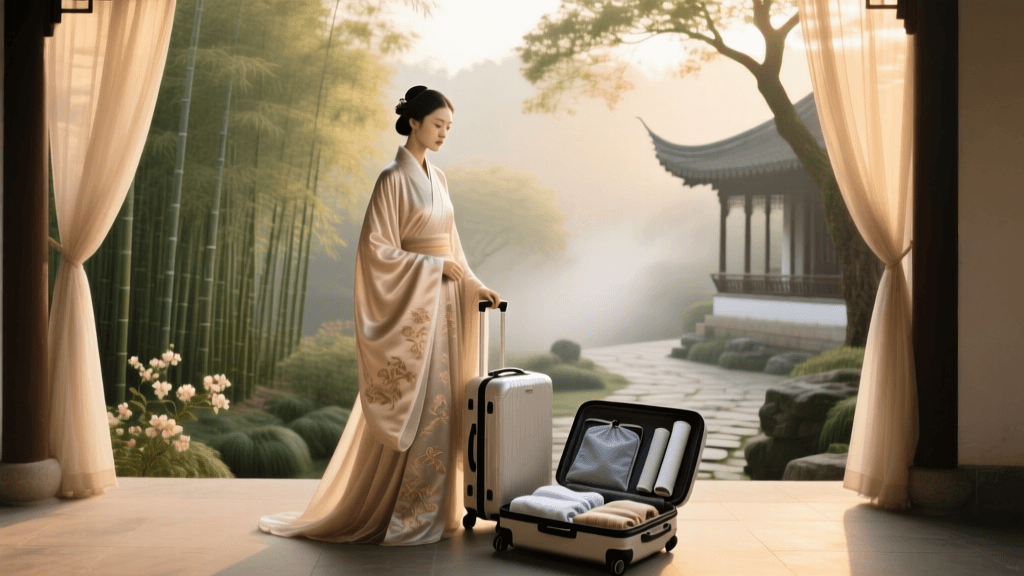
The Hanfu Travel Renaissance of 2026
In 2026, the global Hanfu movement has transcended local streets and specialized conventions, evolving into a major pillar of Asian cultural tourism. Travelers are no longer just visiting historical sites; they are actively participating in living history by donning traditional Han Chinese garments while exploring ancient capitals, scenic lakes, and sacred grottoes. The rise of the Xin Zhongshi (New Chinese Style) movement has further normalized wearing elements of traditional dress in everyday settings, but for the dedicated Hanfu enthusiast, traveling with a full, multi-layered ensemble presents unique logistical challenges.
Silk brocades, delicate pleats, and intricate embroidery require meticulous care, especially when subjected to the rigors of modern transit. Whether you are taking the new high-speed rail networks across China or flying internationally to attend cultural festivals, mastering the art of packing Hanfu is essential. This comprehensive 2026 guide will equip you with the latest wrinkle-free packing techniques, essential gear recommendations, and a curated list of the best destinations to showcase your traditional wardrobe.
Essential 2026 Gear for Wrinkle-Free Packing
Throwing a delicate Mamianqun (horse-face skirt) into a standard suitcase is a recipe for disaster. To preserve the structural integrity of your garments, you need specialized packing gear designed for delicate textiles. According to textile conservation guidelines, minimizing friction and avoiding hard creases are the most critical factors in preserving silk and synthetic brocades during transit.
- Peak Design Compression Cubes (Medium & Large): While primarily known for general travel, the 2026 iteration of these compression cubes features a smoother interior lining that reduces friction against delicate embroidery. Use the large cube for outer garments like Dahu (cross-collar coats) and Beizi (long vests).
- Monos Garment Sleeve (2026 Edition): This water-resistant, structured garment sleeve is perfect for heavily embroidered Ruqun tops and delicate silk shawls. Its rigid exterior prevents the garment from being crushed by heavier luggage items.
- Acid-Free Archival Tissue Paper: This is non-negotiable for pleated skirts. Acid-free tissue prevents color transfer and provides a soft buffer that maintains the sharp, knife-like pleats of a Mamianqun without causing permanent crease lines.
- Portable Handheld Steamer: The Dexim 3-in-1 Travel Steamer (2026 Model) is currently the top choice for Hanfu travelers. It heats up in 15 seconds, features a ceramic soleplate safe for delicate silks, and easily fits into a carry-on bag.
For more detailed information on preserving delicate textiles, the Penn State Extension's guide on silk fabric care emphasizes that storing silk away from direct pressure and using buffered tissue paper are the most effective ways to prevent fiber degradation and permanent wrinkling.
The 'Tissue-Roll' Packing Method for Mamianqun
The Mamianqun is notoriously difficult to pack due to its structured, flat-pleated design. Folding it traditionally will result in a chaotic mess of misaligned pleats upon arrival. In 2026, the 'Tissue-Roll' method has become the gold standard among Hanfu influencers and professional stylists.
Step-by-Step Instructions:
- Lay Flat and Align: Lay the skirt flat on a clean, large surface. Ensure the front and back overlapping panels are perfectly aligned, and the pleats are resting exactly as they are meant to fold.
- Insert Tissue Buffers: Take sheets of acid-free tissue paper and gently tuck them between the major pleat lines. This prevents the fabric from biting into itself and creating secondary, unwanted creases.
- The Core Roll: Take a clean, empty cardboard wrapping paper tube (or a specialized inflatable packing cylinder) and place it at the top waistband of the skirt. Begin rolling the skirt tightly and evenly around the cylinder. The cylinder ensures the inner radius of the roll is wide enough to prevent hard creasing on the silk.
- Secure the Bundle: Once fully rolled, wrap the cylinder in a clean cotton pillowcase or a dedicated silk storage bag. Secure it with soft cotton ties. Never use rubber bands or tight elastic, which will dent the fabric.
- Suitcase Placement: Place the rolled skirt horizontally at the very top of your suitcase, just under the lid, so no heavy items compress it during transit.
Packing Ruqun and Layered Outerwear
For upper garments like Jiaoling Youren (cross-collar right lapel) tops and Qixiong Ruqun (chest-high skirts), the rolling method is less effective. Instead, utilize the 'Bundle Wrapping' technique. Lay your heaviest outer coat flat, place the folded tops and skirts in the center, and wrap the outer coat around them like a burrito. The heavy outer layer acts as a protective shield, while the softer inner layers prevent hard folds. Always unfasten all ties and remove detachable collars before packing to prevent snagging.
Top 2026 Destinations for Hanfu Photography
Choosing the right destination is just as important as packing correctly. In 2026, several Chinese cities have heavily invested in Hanfu-friendly infrastructure, offering dedicated changing rooms, historical accuracy consultants, and specialized photography zones. Below is a comparison of the top three destinations for your next Hanfu trip.
| Destination | Recommended Hanfu Style | 2026 Vibe & Highlight | Avg. Daily Budget (USD) |
|---|---|---|---|
| Xi'an (Shaanxi) | Tang Dynasty Ruqun & Dahu | Night markets, Datang Everbright City | $120 - $180 |
| Luoyang (Henan) | Wei-Jin Cross-Collar & Big Sleeves | Longmen Grottoes, Peony Festival | $90 - $140 |
| Hangzhou (Zhejiang) | Song Dynasty Beizi & Pleated Skirts | West Lake, Lingyin Temple tea houses | $150 - $220 |
Xi'an: The Tang Dynasty Immersion
Xi'an remains the undisputed capital of Hanfu tourism. As the ancient starting point of the Silk Road, the city's architecture perfectly complements the vibrant, opulent styles of the Tang Dynasty. In 2026, the Datang Everbright City pedestrian zone has expanded its Hanfu rental and styling hubs, making it incredibly easy to find professional makeup artists who specialize in historical Huadian (floral forehead decals) and elaborate updos. The city's rich history is well-documented by institutions like Encyclopedia Britannica, which highlights Xi'an's enduring legacy as a cultural and political epicenter of ancient China.
Luoyang: Ethereal Wei-Jin Aesthetics
For those who prefer the flowing, ethereal, and somewhat melancholic aesthetic of the Wei-Jin Southern and Northern Dynasties, Luoyang is your ideal destination. The wide, sweeping sleeves of this era look breathtaking against the backdrop of the Longmen Grottoes. Recognized as a UNESCO World Heritage site, the Longmen Grottoes feature tens of thousands of Buddhist statues carved into limestone cliffs. Photographing a flowing Hanfu against these ancient, weather-carved statues creates a striking visual contrast that has dominated social media feeds throughout 2026.
Hangzhou: Understated Song Dynasty Elegance
If your style leans toward minimalism, intellectual elegance, and refined tailoring, the Song Dynasty aesthetics found in Hangzhou are unmatched. The Beizi (a long, open-front coat) paired with a narrow, pleated skirt is perfect for the misty, poetic landscapes of West Lake and the quiet bamboo paths leading to Lingyin Temple. Hangzhou's 2026 spring season offers ideal weather for lightweight silk garments, and the city's numerous traditional tea houses provide intimate, historically accurate indoor settings for photography.
Footwear, Accessories, and Transit Etiquette
Traveling in Hanfu requires more than just the garments; it requires a holistic approach to styling and logistics.
Footwear Solutions for 2026 Travel
Traditional Yun Tou Xie (cloud-head shoes) are beautiful but offer zero arch support for walking across massive historical complexes like the Forbidden City or the Summer Palace. In 2026, many specialized Hanfu brands have released 'hybrid' historical footwear. These shoes feature the traditional upturned toes and embroidered silk uppers but hide modern, memory-foam insoles and rubber traction soles underneath. Invest in a pair of these hybrid shoes before your trip to save your feet during 15,000-step photography days.
Navigating High-Speed Rail and Airports
China's high-speed rail network in 2026 is incredibly efficient, but navigating the security checkpoints in full Hanfu can be cumbersome. The metal hairpins, elaborate Buyao (dangling hair ornaments), and waist pendants will trigger metal detectors. Pro Tip: Pack all metallic hair accessories and heavy jade pendants in a dedicated, easily accessible clear toiletry bag. Remove them before passing through security to avoid the embarrassment of a security guard having to inspect your intricate historical updo. Furthermore, wide-sleeved Hanfu can be a hazard on escalators and near train doors; always use a 'sleeve tie' (a simple silk ribbon used to bind the wrists) when navigating crowded transit hubs.
Final Thoughts on Cultural Respect
As Hanfu tourism continues to boom, it is vital to remember that these garments are deeply tied to Chinese cultural identity. When traveling in 2026, always research the specific historical context of the garments you are wearing. Avoid mixing dynasties in a single outfit if you are participating in formal cultural events, and always be respectful when photographing at sacred or religious sites. By combining meticulous packing techniques with a deep respect for the culture, your Hanfu travel experience will be nothing short of transformative.