Modern Qipao Guide: Evolution, Styling, and Sizing Tips
The Historical Evolution of the Qipao
The qipao, widely known as the cheongsam in Cantonese-speaking regions, is arguably the most globally recognized garment in Chinese sartorial history. However, the form-fitting, high-collared dress we associate with the term today is a relatively modern invention. According to the Encyclopædia Britannica, the qipao originated from the loose, modest, and floor-length robes worn by Manchu women during the Qing Dynasty (1644–1911). These early garments were characterized by their straight silhouettes, wide sleeves, and heavy embroidery, designed to conceal the wearer's figure entirely.
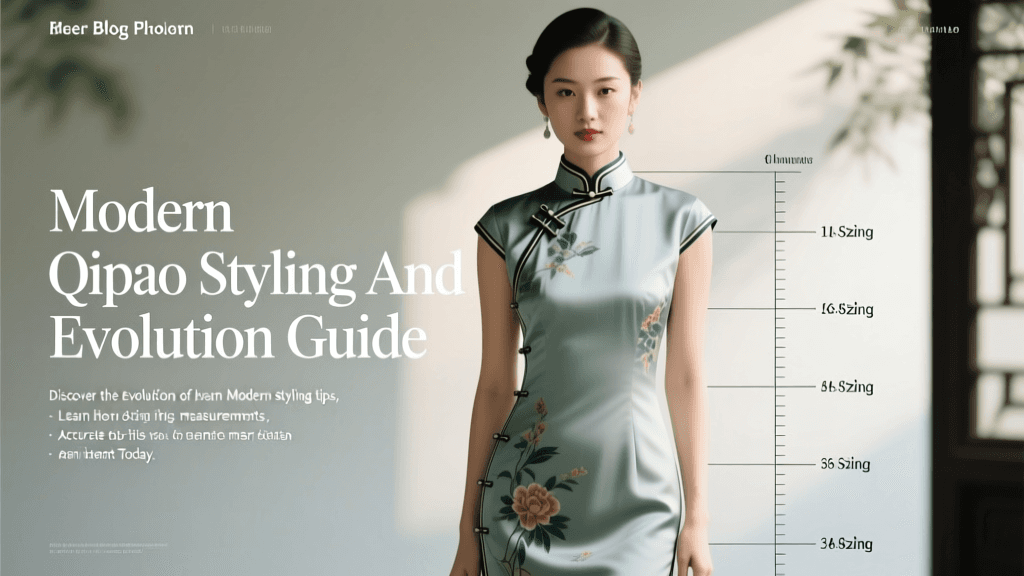
The radical transformation of the qipao occurred in the 1920s and 1930s in Shanghai, a bustling cosmopolitan hub where Eastern traditions met Western modernity. Influenced by the flapper era and Western tailoring techniques, Shanghai socialites and students began cinching the waist, raising the hemline, and introducing daring side slits. This era birthed the 'modern qipao,' a garment that celebrated the female silhouette while retaining traditional elements like the asymmetrical lapel and intricate pankou (frog button) fastenings. The Victoria and Albert Museum notes that this 1930s iteration became a powerful symbol of modern Chinese femininity and national identity, worn by everyone from schoolgirls to silver-screen actresses like Ruan Lingyu.
Today, the qipao is experiencing a massive renaissance, driven by the 'Xin Zhongshi' (New Chinese Style) movement. Modern designers are deconstructing the classic silhouette, experimenting with unconventional fabrics, and integrating the garment into everyday streetwear and high fashion.
Traditional vs. Modern Qipao: A Comparison Chart
Understanding the differences between vintage and contemporary designs is crucial for styling and purchasing. Below is a comparison of the classic 1930s Shanghai qipao versus the modern contemporary interpretations.
| Feature | 1930s Traditional Qipao | Modern Contemporary Qipao |
|---|---|---|
| Silhouette | Form-fitting, tailored darts, restrictive movement | A-line, relaxed fit, shift dress styles, stretch fabrics |
| Collar | Stiff, high Mandarin collar (up to 4 inches) | Low collar, scoop neck, off-shoulder, or collarless |
| Length | Calf-length or floor-length with high side slits | Mini, midi, or asymmetrical hems; varied slit heights |
| Fabric | Silk brocade, velvet, crepe, heavy jacquard | Cotton, linen, denim, tulle, vegan leather, knits |
| Fastenings | Hand-knotted silk frog buttons (pankou) | Hidden zippers, snap buttons, decorative faux-pankou |
| Occasion | Formal events, weddings, diplomatic functions | Everyday wear, clubbing, casual outings, office wear |
The Art of the Fit: Measurement Guide
A traditional qipao is unforgiving when it comes to fit. Unlike Western garments that rely on stretch, a bespoke silk qipao requires millimeter-perfect measurements to ensure the collar sits flush against the neck without choking the wearer, and the bodice contours smoothly without pulling. If you are ordering a made-to-measure qipao online or visiting a tailor in Shanghai or Hong Kong, you will need the following specific measurements:
- Bust: Measure around the fullest part of your bust while wearing the exact undergarments you plan to wear with the dress. Do not pull the tape too tight; allow for one finger's width of ease.
- Waist: Measure at your natural waistline, usually the narrowest part of your torso, about an inch above the belly button. Traditional qipaos sit slightly higher than modern low-rise waists.
- Hips: Measure around the fullest part of your hips and buttocks. This is critical for the side slits; if the hip measurement is off, the slits will pull open awkwardly when walking.
- Shoulder Width: Measure from the edge of one shoulder bone to the other across the back. A proper shoulder fit prevents the garment from sagging or restricting arm movement.
- Armhole (Scye): Measure the circumference of your armhole. Traditional qipaos have notoriously high and tight armholes, which actually allow for better arm mobility than low, loose armholes.
- Neck Circumference: Measure snugly around the base of the neck. Add exactly 1 to 1.5 centimeters of ease so the Mandarin collar does not restrict breathing.
- Hollow to Hem: Measure from the hollow at the base of your front neck down to your desired hemline. For a classic tea-length qipao, this usually falls about 10-12 inches below the knee.
Pro Tip: If you are buying off-the-rack, prioritize the shoulder and bust measurements over the waist, as the waist can be easily taken in by a local tailor, but altering the shoulders and high collar is notoriously difficult and expensive.
Modern Styling: Integrating the Qipao into Everyday Wardrobes
The modern 'Xin Zhongshi' (New Chinese Style) movement has liberated the qipao from the confines of formal banquets and wedding receptions. As noted by cultural guides like China Highlights, younger generations are actively reclaiming traditional dress for daily life, blending heritage with contemporary streetwear. Here is how to style the qipao for the modern era:
1. Footwear Pairings
Ditch the traditional stiletto pumps. To ground a silk or brocade qipao and give it an edgy, contemporary feel, pair it with chunky footwear. Dr. Martens, platform Mary Janes, or pristine white leather sneakers create a striking juxtaposition between the delicate heritage of the dress and modern utilitarianism. For a softer, romantic look, opt for ballet flats or pointed-toe kitten heels.
2. Layering Techniques
The qipao is incredibly versatile when layered. In cooler months, a sleeveless or short-sleeved qipao can be worn over a fitted black or white turtleneck. Conversely, you can layer outerwear over the qipao: a cropped vintage leather jacket adds a rebellious rock-and-roll vibe, while an oversized, structured wool blazer transforms the dress into high-powered office attire. Ensure the blazer is slightly cropped or left unbuttoned to maintain the visibility of the qipao's waist darts and side slits.
3. Deconstructed and Asymmetrical Styles
If a full traditional qipao feels too costumey for your personal style, look for deconstructed versions. Modern designers are creating qipao-inspired wrap skirts, asymmetrical tunics worn over wide-leg trousers, and cropped tops that retain the iconic frog buttons and diagonal lapels but separate the garment into easy-to-mix two-piece sets.
Buying Guide: Costs, Timing, and Where to Shop
Investing in a qipao requires understanding the market tiers, which vary wildly in price, quality, and production time.
Off-the-Rack (Ready-to-Wear)
- Cost: $50 – $150 USD
- Materials: Polyester blends, cotton, stretch crepe, printed synthetics.
- Where to Buy: Asian fashion e-commerce sites (YesStyle, Taobao), Etsy, and boutique Chinatown shops.
- Timing: Immediate shipping (1-2 weeks).
- Best For: Halloween, casual themed parties, or testing out the silhouette before investing in custom tailoring.
Made-to-Measure (MTM)
- Cost: $200 – $600 USD
- Materials: Mulberry silk, linen, wool blends, authentic brocade.
- Where to Buy: Specialized online MTM studios (e.g., Qipao-focused ateliers on Etsy or independent Shanghai-based studios that ship globally), or local tailors in major cities with historic Chinatowns.
- Timing: 4 to 8 weeks. Requires submitting your exact measurements and selecting fabrics from swatches.
- Best For: Bridesmaids, formal event attendees, and those who want a perfect fit without the artisan price tag.
Bespoke / Artisan Craftsmanship
- Cost: $800 – $3,500+ USD
- Materials: Heritage Xiangyunsha (mud-silk), hand-woven Song brocade, hand-embroidered silk.
- Where to Buy: Master tailors in Shanghai (e.g., the famous South Bund Fabric Market ateliers), Hong Kong (e.g., Blanc de Chine), or high-end heritage brands.
- Timing: 3 to 6 months. Involves multiple in-person fittings, hand-carved frog buttons, and hand-stitched hems.
- Best For: Heirloom garments, brides, and serious collectors of textile art.
Conclusion
The qipao is far more than a static relic of 1930s Shanghai; it is a living, breathing garment that continues to evolve alongside the women who wear it. Whether you opt for a vintage-inspired silk cheongsam for a formal gala or a deconstructed cotton qipao top paired with denim for a weekend outing, understanding its history, mastering the fit, and embracing modern styling techniques will allow you to wear this iconic piece of Asian heritage with confidence and respect.