Japanese Kimono Types: A 2026 Formality & Style Guide
Introduction to the Kimono Hierarchy in 2026
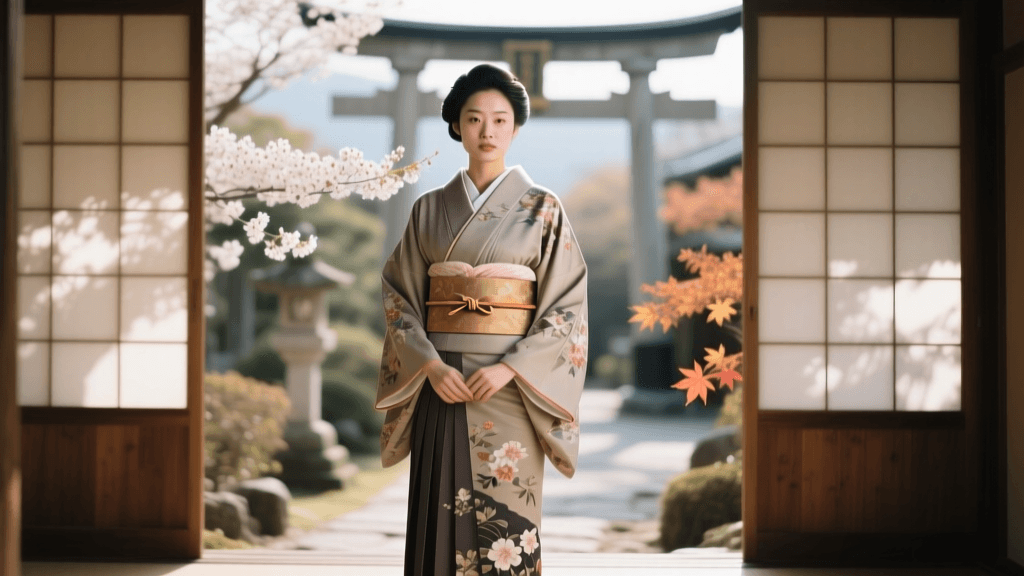
The Japanese kimono is far more than a beautiful garment; it is a complex, highly codified system of communication. Wearing the correct kimono type signals your age, marital status, the season, and the precise formality of the event you are attending. As we navigate the fashion landscape of 2026, the kimono remains a vibrant, living tradition. While modern styling has introduced contemporary accessories and sustainable vintage upcycling, the foundational rules of kimono formality remain strictly respected in Japanese society.
According to the Metropolitan Museum of Art's Heilbrunn Timeline of Art History, the kimono evolved from the kosode of the Muromachi period into a sophisticated canvas for textile arts. Today, understanding the hierarchy of women's kimono types is essential for anyone looking to purchase, rent, or wear these garments for weddings, tea ceremonies, or cultural festivals in 2026.
The TPO Rule: Time, Place, and Occasion
Before diving into specific garment types, one must understand the Japanese concept of TPO: Time, Place, and Occasion. In 2026, TPO dictates everything from the number of family crests (mon) on the garment to the weave of the obi belt. A garment that is perfectly appropriate for a casual summer stroll in Kyoto's Gion district would be a severe faux pas at a formal wedding reception in Tokyo. Furthermore, the "Time" aspect strictly governs seasonal fabric choices, which we will detail later in this guide.
Comprehensive Breakdown of Women's Kimono Types
The hierarchy of women's kimono is primarily determined by sleeve length, pattern placement, the presence of family crests, and the base color. Below is a detailed look at the major categories.
1. Furisode (振袖): The Pinnacle of Unmarried Formality
The Furisode is the most formal kimono for unmarried women. It is instantly recognizable by its long, swinging sleeves, which typically measure between 100 cm and 114 cm in length. Historically, the swinging sleeves were believed to ward off evil spirits and express romantic interest. In 2026, the Furisode remains the mandatory attire for Seijin no Hi (Coming of Age Day) and is frequently worn by unmarried female relatives at weddings. The patterns are lavish, covering the entire garment, and it is always made of high-quality, brightly dyed silk.
2. Tomesode (留袖): Married Women's Formal Wear
Once a woman marries, she transitions from the long-sleeved Furisode to the Tomesode, which features shorter sleeves (around 50 cm). There are two main types:
- Kurotomesode (Black Tomesode): The absolute most formal wear for married women. It is solid black with patterns only below the waistline and features five family crests. It is traditionally worn by the mothers of the bride and groom at weddings.
- Irotomesode (Colored Tomesode): Similar in cut and pattern placement to the Kurotomesode, but features a colored base. It usually has three or five crests and is worn by married female relatives at formal celebrations.
3. Houmongi (訪問着) and Tsukesage (付け下げ): Semi-Formal Elegance
The Houmongi (visiting wear) is a versatile semi-formal kimono worn by both married and unmarried women. Its defining feature is the eba-moyo technique, where the pattern flows continuously across the seams, creating a unified picture when the kimono is laid flat. It is perfect for tea ceremonies, gallery openings, and attending weddings as a guest.
The Tsukesage is slightly less formal. Its patterns are dyed onto the fabric before cutting, meaning the designs do not cross the seams. It typically has one crest and is an excellent choice for upscale dining or semi-formal parties in 2026.
4. Komon (小紋) and Yukata (浴衣): Casual and Everyday Wear
Komon translates to "fine pattern." These kimonos feature a repeating design that covers the entire garment. They do not have family crests and are considered casual wear, suitable for shopping, casual lunches, or practicing traditional arts. As noted by the Victoria and Albert Museum's extensive textile archives, the evolution of repeating stencil-dyeing techniques (katagami) made these garments accessible and highly popular for everyday fashion.
The Yukata is the most casual of all, made from lightweight cotton or modern breathable synthetic blends. Worn primarily during summer festivals (matsuri) and at hot spring resorts, it requires fewer undergarments and a simpler obi.
Structured Guide: Kimono Formality Chart
| Kimono Type | Formality Level | Sleeve Length | Crests (Mon) | Best 2026 Occasions |
|---|---|---|---|---|
| Kurotomesode | Very Formal | Short (~50cm) | 5 | Weddings (Mother of Bride/Groom) |
| Furisode | Very Formal | Long (100-114cm) | 0 to 3 | Coming of Age Day, Unmarried Wedding Guest |
| Irotomesode | Formal | Short (~50cm) | 3 to 5 | Weddings, Formal Banquets |
| Houmongi | Semi-Formal | Standard (~60cm) | 1 to 3 | Tea Ceremonies, Wedding Guest, Galas |
| Tsukesage | Semi-Formal | Standard (~60cm) | 0 to 1 | Upscale Dinners, Cultural Events |
| Komon | Casual | Standard (~60cm) | 0 | Shopping, Casual Outings, Classes |
| Yukata | Very Casual | Standard (~60cm) | 0 | Summer Festivals, Fireworks, Ryokan |
Seasonal Fabric Rules: Awase, Hitoe, and Usumono
In the Japanese sartorial calendar, wearing the wrong fabric weight for the season is considered a major fashion misstep. The transition of garments follows the lunar and solar calendar closely:
- Awase (Lined Kimono): Worn from October 1st through May 31st. These kimonos have an inner silk lining for warmth. In 2026, modern climate control in venues has led to some wearing lighter linings in early October, but the traditional rule remains the standard for formal events.
- Hitoe (Unlined Kimono): Worn in June and September. The garment is made of a single layer of silk, offering breathability during the humid transition months.
- Usumono (Sheer/Summer Silk): Worn in July and August. Made from highly twisted threads like ro or sha silk, these garments are semi-transparent and worn with a specialized lightweight undergarment (nagajuban) to maintain modesty while maximizing airflow.
Furthermore, the motifs on the kimono must anticipate the season. Cherry blossoms (sakura) are worn in late March and early April, while autumn grasses and maple leaves are worn starting in late September. Wearing a motif after the season has peaked is considered outdated.
Selecting the Right Obi and Accessories
The kimono is only half the ensemble; the obi (sash) dictates the final formality. A Fukuro obi (a fully patterned, stiff, and heavily brocaded belt) is required for Furisode and Tomesode. For Houmongi, a slightly less ornate Fukuro or a high-end Nagoya obi is appropriate. The Nagoya obi, which is pre-folded and stitched at one end for easier tying, is the standard for semi-formal and casual wear.
Accessories in 2026 have seen a blend of heritage and innovation. While traditional obijime (decorative cords) and obidome (brooches) remain essential, modern artisans are incorporating recycled precious metals and 3D-printed sustainable resins into their designs. Footwear also follows strict rules: formal wear requires zori (sandals with brocade or leather straps) paired with white tabi (split-toe socks), whereas Yukata is paired with wooden geta and bare feet or specialized toe-socks.
The 2026 Market: Rentals, AI Sizing, and Sustainability
If you are planning to wear a kimono in 2026, the acquisition market has evolved significantly. While purchasing a bespoke, hand-painted Kurotomesode can still cost upwards of ¥800,000 ($5,500 USD), the rental market has become highly sophisticated. In cultural hubs like Kyoto's Higashiyama and Tokyo's Asakusa, rental shops now utilize AI-driven 3D body scanning via smartphone apps to pre-adjust the oshinobi (padding) and ensure a flawless, custom fit before you even arrive at the shop.
Current 2026 rental pricing averages ¥8,000 to ¥15,000 for standard Komon or Yukata sets, while premium Furisode and Houmongi packages (including professional hair styling and dressing) range from ¥25,000 to ¥45,000. Additionally, the recycle kimono (vintage) boom continues to grow. Younger generations are actively seeking out Taisho-era (1912-1926) and early Showa-era silks, upcycling them with modern, contrasting obi belts to create a "Taisho Roman" aesthetic that honors the historical evolution of the garment while promoting sustainable fashion practices.
Final Thoughts on Wearing the Kimono
Navigating the world of Japanese traditional garments requires respect for its deep-rooted rules, but it also offers an incredible opportunity to participate in a living art form. Whether you are donning a casual cotton Yukata for a summer fireworks display or a lavishly embroidered Furisode for a formal ceremony, understanding the types, seasonality, and formality ensures you wear the garment with the grace and respect it commands in 2026.