What Are Traditional Mexican Dresses Called? A Complete Cultural Guide
When travelers and textile enthusiasts first encounter the breathtaking sartorial landscape of Mexico, they are often captivated by a kaleidoscope of vibrant colors, intricate embroidery, and flowing silhouettes. A common question naturally arises: what are traditional Mexican dresses called? The answer is beautifully complex. Mexico is not a monolith; it is a pluricultural nation where pre-Columbian heritage and colonial history have intertwined to create a rich lexicon of garments. There is no single "Mexican dress." Instead, there is a diverse array of regional attire, each with its own name, history, and profound cultural significance.
In Mexico, traditional clothing is broadly referred to as traje típico or indumentaria tradicional. However, these umbrella terms encompass dozens of distinct garments, from the ancient, loom-woven huipil to the globally recognized China Poblana. To truly understand Mexican fashion heritage, one must look beyond the surface and explore the specific names, origins, and regional variations of these iconic garments. In this comprehensive guide, we will unravel the threads of Mexican textile history and answer the question of what traditional Mexican dresses are called, region by region and stitch by stitch.
The Huipil: The Ancient Foundation of Mexican Dress
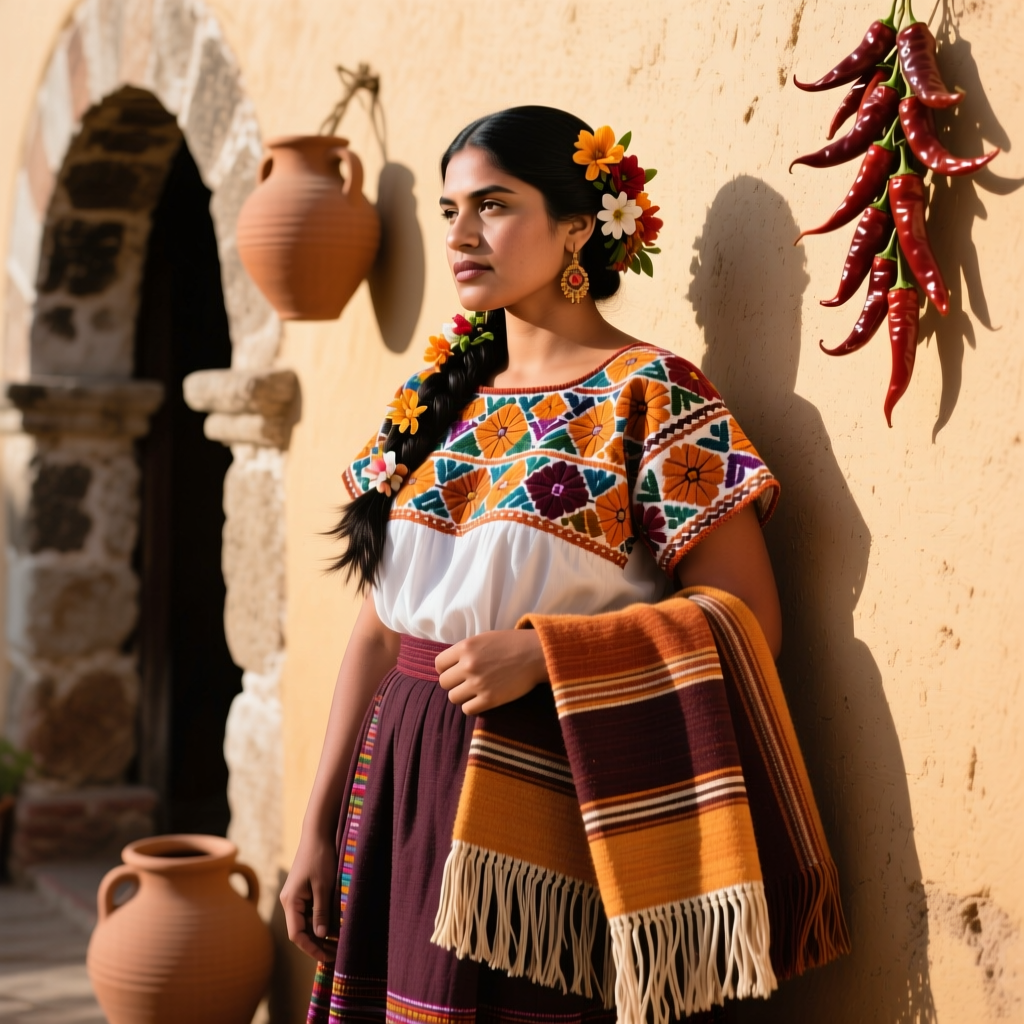
If there is one garment that serves as the bedrock of indigenous Mexican clothing, it is the huipil (pronounced wee-peel). Derived from the Nahuatl word huīpīlli, the huipil is a loose-fitting tunic or dress that has been worn by Indigenous women across Mesoamerica for thousands of years. Long before the arrival of European colonizers, the huipil was a staple of daily life, and it remains a vital, living garment in many communities today.
Traditionally, a huipil is constructed from one, two, or three rectangular webs of fabric woven on a backstrap loom. These panels are stitched together, leaving openings for the head and arms. The creation of a single huipil can take anywhere from a few weeks to several months, depending on the complexity of the design. For a deeper dive into the mechanics of this ancient garment, our guide on the anatomy of the huipil explores the warp & weft of backstrap weaving.
The huipil is far more than a simple dress; it is a canvas of identity. The motifs woven or embroidered into the fabric—ranging from geometric diamonds and zigzags to stylized flora, fauna, and mythological creatures—communicate the wearer's village, marital status, and social standing. In many communities, the neck opening of the huipil represents the center of the universe, with the four seams pointing to the cardinal directions. When a woman slips a huipil over her head, she is symbolically placing herself at the center of her cosmos.
The China Poblana: A Symbol of National Identity
When people outside of Mexico picture a "traditional Mexican dress," they are most often thinking of the China Poblana. Characterized by a brilliantly colored, sequined skirt and a delicate, embroidered white blouse, the China Poblana is the undisputed star of Mexican folkloric ballet and national celebrations. But its origins are a fascinating tale of global trade and colonial caste systems.
The term "China" in this context does not refer to the Asian country. In colonial New Spain, the word china was a caste term used to describe a servant or a woman of mixed indigenous and African descent who worked in domestic roles. The "Poblana" part of the name denotes the city of Puebla, where this specific style of dress became highly popularized. According to popular legend, the dress was inspired by Catarina de San Juan, an Asian woman who was brought to Puebla via the Manila Galleon trade route. Her exotic, layered garments reportedly influenced the local mestizo women, blending Asian silk aesthetics with indigenous and Spanish tailoring. You can read more about this fascinating global exchange in our article on the transpacific textile trade.
The traditional China Poblana ensemble consists of three main pieces: a white blouse with intricate embroidery around the neckline and sleeves; a wide, voluminous skirt known as a castor, which is heavily adorned with sequins, beads, and silk thread (often featuring the colors of the Mexican flag); and a silk sash tied at the waist. Today, the China Poblana is rarely worn as daily attire, but it stands proudly as a symbol of Mexican nationalism, mestizaje, and the blending of worlds.
The Tehuana Traje: Matriarchy and Majestic Elegance
In the Isthmus of Tehuantepec in the state of Oaxaca, the traditional dress is a stunning reflection of a deeply matriarchal society. The Tehuana traje is worn by Zapotec women, who are historically the primary merchants and economic drivers of their communities. The Tehuana dress is so iconic, regal, and visually striking that it was famously adopted by the painter Frida Kahlo as her signature wardrobe, cementing its status in the global imagination.
The Tehuana ensemble is composed of several distinct elements. The foundation is a huipil made of rich velvet, satin, or cotton, heavily embroidered with vibrant, oversized floral patterns or intricate chain-stitch motifs. This is paired with a matching long skirt, often featuring a wide, lace-trimmed ruffle at the hem known as a holán. For a closer look at the artisans who create these masterpieces, explore our cultural heritage page on Zapotec weaving traditions.
For ceremonial occasions, weddings, and religious festivals, Zapotec women wear a spectacular headdress called a resplandor. Made of stiff, pleated white lace that frames the face like a halo or a nun's wimple, the resplandor is a breathtaking piece of textile architecture. The Tehuana traje is also frequently accessorized with heavy gold jewelry, including coin necklaces known as zahuane, which serve as both adornment and a display of the woman's wealth and financial independence.
The Quechquémitl and the Rebozo: Essential Accompanying Garments
While the huipil serves as a dress or tunic, traditional Mexican attire is often completed with essential outerwear and shawls that carry their own rich histories. Two of the most important are the quechquémitl and the rebozo.
The quechquémitl is a poncho-like garment primarily worn by the Nahua, Huastec, and Mazahua peoples in central and eastern Mexico. Unlike the rectangular huipil, the quechquémitl is constructed from two rectangular pieces of fabric woven on a backstrap loom, which are then sewn together in a way that creates a diamond shape when laid flat. This diamond is highly symbolic, representing the four cardinal directions and the movement of the sun. The edges are often finished with intricate brocade or embroidery, and the garment is slipped over the head to rest on the shoulders, providing warmth and a layer of ceremonial beauty.
The rebozo is perhaps the most ubiquitous and versatile garment in Mexican history. A long, flat shawl, the rebozo is the ultimate symbol of the mestiza (mixed-heritage) woman. It is used to provide warmth, to carry babies or heavy loads, to cover the head in church, and as an elegant accessory for formal events. The rebozo is created using a complex tie-dye technique known as reservado or ikat, where the threads are dyed before they are woven, creating stunning, blurred geometric patterns. To understand the evolution of this vital accessory, read our comprehensive history of the rebozo.
Regional Variations: From Chiapas to Jalisco
Because Mexico is divided into diverse geographic and climatic zones, the answer to "what are traditional Mexican dresses called" changes dramatically depending on where you are standing. Let us explore three distinct regional variations that highlight the country's incredible diversity.
The Chiapaneca Dress (Chiapas)
In the southern state of Chiapas, particularly in the town of Chiapa de Corzo, the traditional dress is known as the traje de chiapaneca. This striking garment consists of a black satin or velvet skirt and blouse, heavily embroidered with brilliant, oversized floral motifs in bright yellows, pinks, and oranges. The dark background represents the earth and the mysteries of the jungle, while the vibrant flowers represent the local flora and the joy of the people. The embroidery technique used here is a masterful example of Mesoamerican embroidery techniques, requiring immense skill and patience.
The Terno (Yucatán)
In the tropical heat of the Yucatán Peninsula, the traditional Maya garment is called the terno. The terno is an elegant, three-piece ensemble made of crisp, white cotton or linen, designed to reflect the harsh sun and keep the wearer cool. It consists of a square-necked yoke (hipil), a sleeveless bodice (jubón), and a long skirt (fustán). The pristine white fabric is adorned with intricate, colorful cross-stitch embroidery (punto de cruz) along the hems and necklines, featuring geometric Mayan motifs and local flowers. The terno is worn with pride during the Jarana dances and regional festivals.
The Jalisco Dress (Jalisco)
In the western state of Jalisco, the birthplace of mariachi and tequila, the traditional dress is heavily influenced by Spanish colonial fashion and the rural charro (cowboy) culture. The traje de Jalisco features a very wide, sweeping cotton skirt, traditionally in dark colors or white, adorned with bright, multi-colored ribbons wrapped in intricate patterns around the hem. The blouse is high-necked, long-sleeved, and features matching ribbon details. This dress is designed for movement, specifically for the Escaramuza charra, a precision equestrian ballet performed by women on horseback, where the wide skirt billows spectacularly.
Cultural Significance and Modern Preservation
Understanding what traditional Mexican dresses are called is only the first step in appreciating their true value. These garments are not costumes; they are living archives of history, resistance, and identity. For many Indigenous communities, continuing to weave and wear the huipil is an act of cultural survival against centuries of assimilation pressures and modern globalization.
The creation of these garments supports local economies and empowers female artisans. Weaving cooperatives across states like Oaxaca, Chiapas, and Puebla allow women to achieve financial independence while preserving ancient techniques that are passed down from mother to daughter. The use of natural dyes—such as cochineal for reds, indigo for blues, and marigold for yellows—connects the artisans directly to their local environment and ancestral knowledge.
However, the global fashion industry has frequently appropriated these designs, mass-producing cheap knock-offs without crediting or compensating the original communities. As consumers and textile lovers, it is vital to approach Mexican fashion with respect and a commitment to ethical textile sourcing. Purchasing directly from artisan cooperatives or certified fair-trade organizations ensures that the women who spend months weaving a single huipil are fairly compensated for their time, art, and heritage. For more on the incredible artisans behind these textiles, visit our directory on the indigenous textiles of Oaxaca.
Frequently Asked Questions
What is the most common traditional Mexican dress?
The most common and historically significant traditional garment is the huipil. It is worn daily by hundreds of thousands of Indigenous women across Mexico and Central America. While the China Poblana is the most famous on a national and international level for folkloric dances, the huipil remains the true, everyday traditional dress of Mexico's native communities.
Are traditional Mexican dresses still worn today?
Yes, absolutely. In many rural and Indigenous communities across states like Oaxaca, Chiapas, Puebla, and Yucatán, traditional garments like the huipil, terno, and quechquémitl are worn as daily attire. Furthermore, during religious festivals, weddings, and national holidays, people from all walks of life, including those living in urban centers, will don their regional traje típico to celebrate their heritage and community identity.
What do the colors and patterns on a Huipil mean?
The colors and patterns on a huipil act as a visual language. Specific motifs can indicate the wearer's exact village, her age, and her marital status. For example, certain geometric diamonds represent the cosmos and the four cardinal directions, while stylized animals like the double-headed eagle or the jaguar hold deep pre-Columbian mythological significance. The colors are often derived from natural dyes, with red (from cochineal) representing life and blood, and indigo blue representing the heavens and water.
How can I ethically purchase traditional Mexican garments?
To ethically purchase traditional Mexican dresses, avoid mass-market retailers and fast-fashion brands that appropriate indigenous designs. Instead, seek out certified fair-trade organizations, buy directly from artisan cooperatives, or purchase from reputable galleries that transparently credit the specific community and artist. This ensures that the weavers and embroiderers receive fair compensation for the hundreds of hours of labor required to create these masterpieces.
What is the difference between a Huipil and a blouse?
While a modern blouse is typically cut from a commercial pattern, tailored to fit the contours of the body, and mass-produced, a huipil is constructed from rectangular panels woven specifically on a backstrap or pedal loom. The huipil is generally loose-fitting, relies on the drape of the woven fabric rather than tailored seams, and is deeply embedded with cultural, spiritual, and regional symbolism that a standard commercial blouse does not possess.