The Rich Tapestry of African Traditional Clothing: A Comprehensive Guide
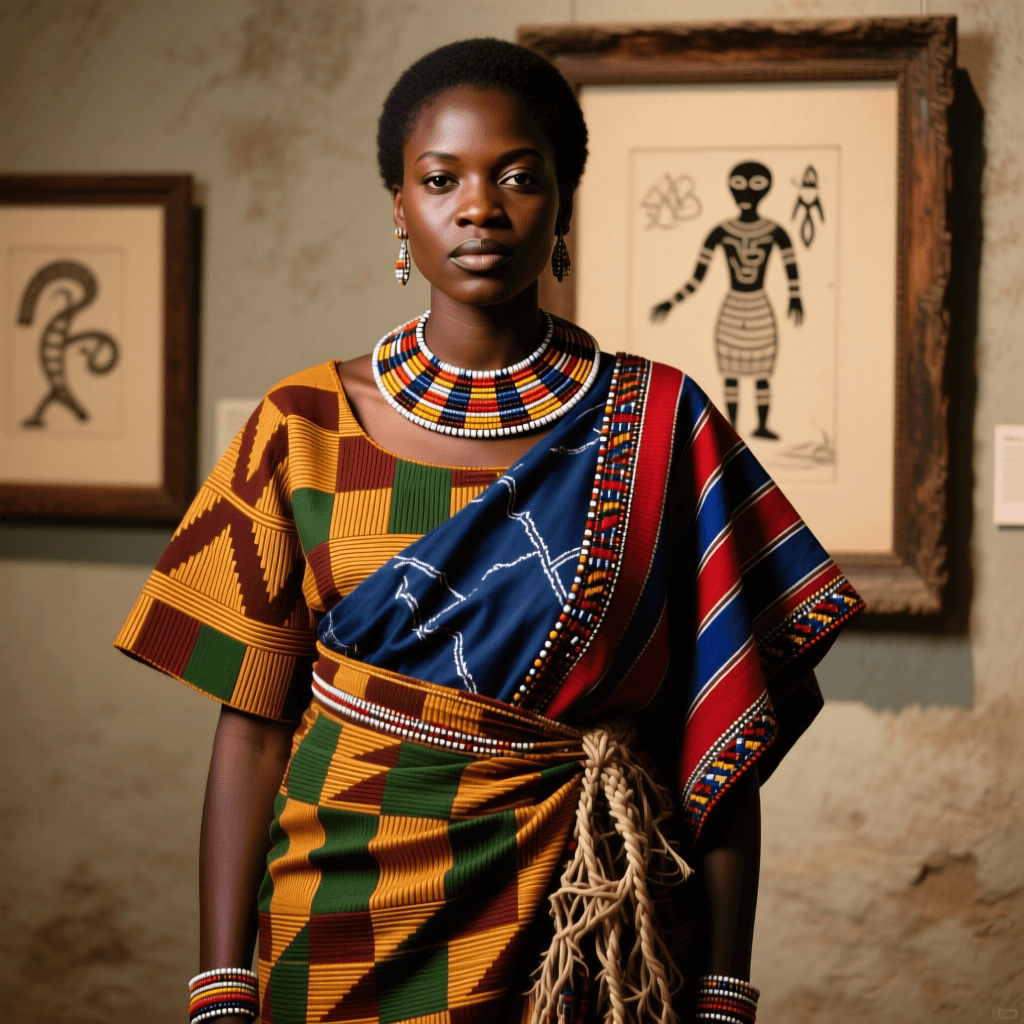
Africa is a continent of staggering diversity, home to thousands of distinct ethnic groups, languages, and cultures. Because of this immense variety, the question of what constitutes traditional clothing in Africa cannot be answered with a single garment or style. Instead, African traditional dress is a vibrant, complex tapestry of textiles, beadwork, draping techniques, and symbolic motifs that vary dramatically from region to region. Far from being a monolith, the sartorial traditions of the continent represent a profound visual language that communicates identity, social status, spiritual beliefs, and historical lineage.
Historically, clothing in African societies served purposes far beyond mere protection from the elements. Garments were meticulously crafted to mark rites of passage, denote tribal affiliation, and honor ancestors. While globalization and colonial influences have undeniably impacted daily wardrobes across the continent, traditional clothing remains a vital, living element of African heritage. Today, these garments are worn with immense pride during ceremonies, festivals, and cultural celebrations, serving as a powerful link between the past and the present. In this comprehensive guide, we will explore the origins, defining characteristics, regional variations, and enduring cultural significance of traditional African clothing.
The Origins and Evolution of African Garments
The origins of African clothing are deeply rooted in the continent's diverse ecosystems and the ingenuity of its early inhabitants. Long before the introduction of imported textiles, indigenous communities utilized the natural resources available to them to create functional and decorative garments. In the forested regions of Central and East Africa, bark cloth was one of the earliest textiles. Crafted by stripping the inner bark of the Ficus tree, soaking it, and beating it with wooden mallets until it achieved a soft, supple texture, bark cloth was used to create wrapped garments for both men & women.
In the savannas and arid regions, animal hides and leather were the primary materials. Skins were carefully tanned using natural oils and ash, then softened and decorated with ochre, beads, and cowrie shells. The leatherworking traditions of Southern and East Africa remain some of the most sophisticated in the world, with garments often serving as canvases for intricate beadwork that conveys specific messages about the wearer's age, marital status, and social standing.
The introduction of woven textiles revolutionized African dress. Cotton cultivation and weaving techniques developed independently in various parts of the continent, most notably in West Africa. The narrow-strip loom, a hallmark of West African textile traditions, allowed weavers to create long, narrow bands of fabric that were then sewn together edge-to-edge to form large, voluminous wrappers and robes. The trans-Saharan trade routes later introduced new materials such as silk, copper, and glass beads, which were eagerly incorporated into local designs. Indigenous dyeing techniques, such as the famous indigo pits of Kano and the resist-dyeing methods used to create Bogolanfini (mud cloth), further expanded the aesthetic possibilities of African garments, laying the foundation for the rich West African textile traditions we recognize today.
Defining Characteristics of Traditional African Dress
While it is impossible to generalize the clothing of an entire continent, several defining characteristics unite many traditional African garments. One of the most prominent features is the use of bold, vibrant colors and intricate geometric patterns. In many African cultures, color is not merely an aesthetic choice but a vital component of visual communication. For example, gold often represents wealth, royalty, and spiritual purity; green symbolizes the earth, fertility, and growth; red can denote blood, sacrifice, or political power; and black is frequently associated with maturity, spiritual energy, or mourning.
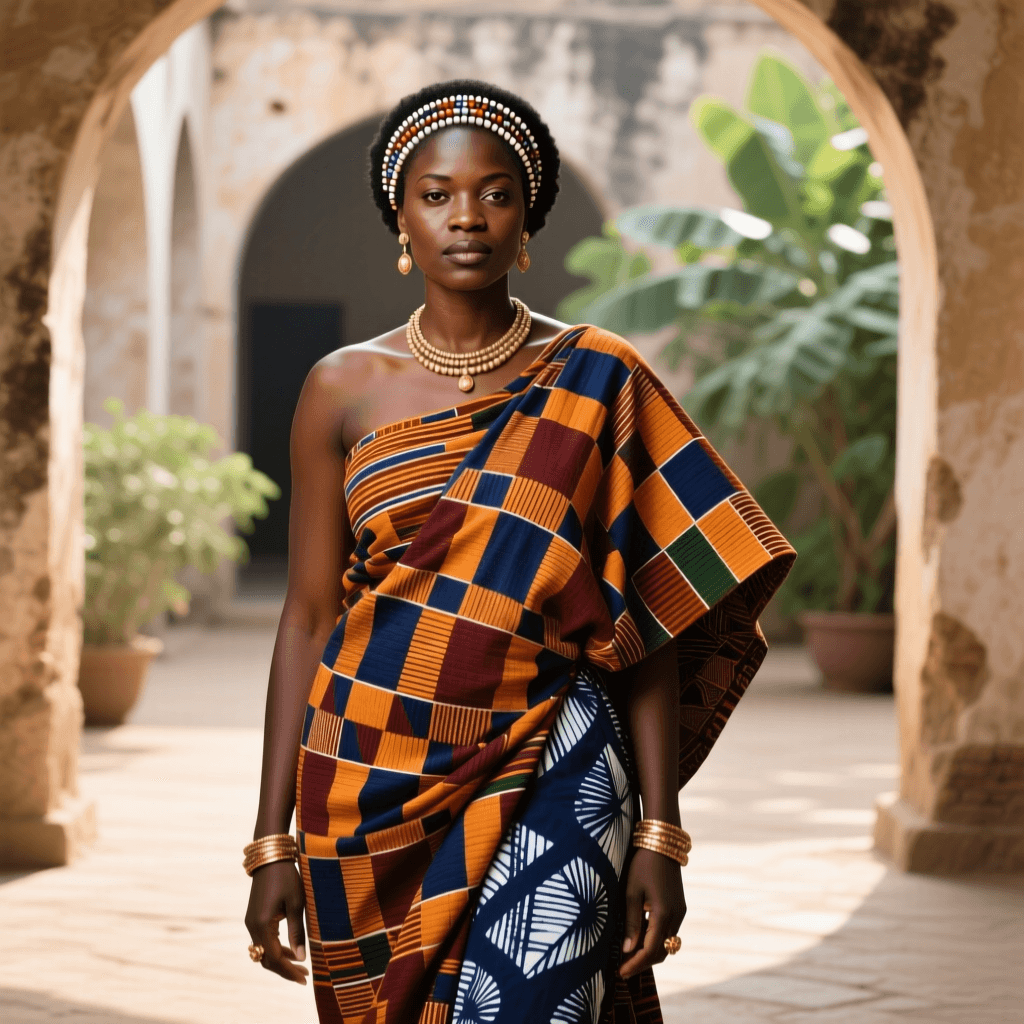
Patterns and motifs also carry deep semantic weight. Symbols woven into or stamped onto fabrics often function as a form of non-verbal communication. The Adinkra symbols of the Ashanti people in Ghana are a prime example, with each motif representing a specific proverb, philosophical concept, or historical event. Similarly, the geometric patterns found in Kente cloth are meticulously planned to convey messages about the wearer's lineage and social standing.
The silhouette of traditional African clothing often prioritizes flowing, draped, and voluminous forms over tightly tailored, body-hugging cuts. Garments like the Boubou, the Agbada, and the Kanga are designed to drape elegantly over the body, allowing for ease of movement and providing comfort in warm climates. This emphasis on draping also allows a single garment to be styled in multiple ways, adapting to different occasions or the wearer's personal preference. Furthermore, traditional dress is rarely complete without accessories. Elaborate headwraps (such as the Gele or Duku), heavy metal jewelry, and intricate Maasai beadwork and dress elements are considered essential components of the overall ensemble, elevating the garment from simple clothing to a complete work of wearable art.
Regional Variations Across the Continent
To truly understand what the traditional clothing in Africa looks like, one must examine the distinct sartorial practices of its various regions. The continent's vast geographical and cultural divides have given rise to highly specialized garment traditions.
West Africa: Royalty, Weaving, and Voluminous Robes
West Africa is globally renowned for its exceptional weaving traditions and voluminous, flowing garments. The Agbada (or Boubou) is a wide-sleeved, flowing robe worn by men across the region, often heavily embroidered around the neck and chest. Women frequently wear the Iro and Buba (a wrapper and blouse combination) or the elegant Kaba and Slit, accessorized with towering, intricately folded headwraps known as Geles. Textiles like Aso Oke, a hand-loomed cloth of the Yoruba people, and the world-famous Kente of the Ashanti and Ewe peoples are reserved for special occasions and royalty. Additionally, the region is famous for its adoption and localization of Ankara wax prints, which have become a staple of everyday and ceremonial wardrobes alike.
East Africa: Swahili Wrappers and Maasai Shukas
In East Africa, traditional clothing reflects a blend of indigenous practices and historical trade influences from the Middle East and Asia. The Kanga and Kitenge are ubiquitous cotton fabrics worn by women in countries like Kenya, Tanzania, and Uganda. The Kanga is particularly unique because it features a printed Swahili proverb or riddle along its hem, allowing the wearer to silently communicate messages, advice, or warnings to their community. In rural and pastoral areas, the traditional dress of the Maasai people remains highly visible. The Maasai Shuka, a durable, brightly colored (often red and blue) woven blanket wrapped around the body, is designed to protect warriors & herders from the harsh savanna terrain and wildlife.
North Africa: Desert Elegance and Islamic Influences
North African traditional clothing is heavily influenced by the region's Islamic heritage and the practical needs of desert living. The North African kaftan and the Djellaba are iconic garments. The Djellaba is a long, loose-fitting robe with full sleeves and a pointed hood, traditionally made of wool for winter or lightweight cotton for summer. The hood serves a dual purpose: protecting the wearer from the harsh desert sun and sandstorms, and acting as a pocket. Women in the region may also wear the Haik, a large, rectangular piece of white or cream fabric wrapped around the body and head, or the highly ornate, heavily embroidered Takchita for weddings and festive occasions.
Southern Africa: Blankets, Beadwork, and Animal Skins
Southern African traditional dress is characterized by its striking use of beadwork, animal skins, and woven blankets. The Basotho people of Lesotho and South Africa are famous for the Basotho blanket, a thick, beautifully patterned woolen blanket worn draped over the shoulders as a mark of cultural pride and protection against the cold mountain climate. Among the Zulu and Xhosa peoples, traditional attire for ceremonies often incorporates leather skirts, beaded aprons, and intricate Southern African beadwork. The colors and patterns of the beads act as a complex code, particularly in courtship, where young women use beaded garments to convey messages of love, availability, or marital status to potential suitors.
The Role of Traditional Clothing in Ceremonies and Daily Life
In many African societies, the distinction between daily wear and ceremonial attire is strictly observed. While modern Western-style clothing is common for everyday work and school, traditional garments are meticulously brought out for significant life events. Weddings are perhaps the most vibrant showcase of traditional dress. In Nigeria, the concept of "Aso Ebi" (family cloth) dictates that extended family members and close friends wear matching garments made from the same fabric, creating a stunning visual display of unity and support for the marrying couple.
Rites of passage, such as coming-of-age ceremonies, also demand specific traditional attire. Among the Xhosa people of South Africa, initiates wear specific blankets and white clay coverings during their transition into adulthood. Funerals are equally steeped in sartorial tradition. Depending on the culture, mourning attire may involve wearing stark white to celebrate the life of an elder who has passed into the ancestral realm, or deep reds and blacks to signify grief and the shedding of blood. In all these occasions, the clothing is not merely decorative; it is a mandatory social uniform that reinforces community bonds and respects cultural protocols.
Cultural Significance and Symbolism
The cultural significance of traditional clothing in Africa extends far beyond aesthetics; it is a vital repository of history and identity. Garments act as historical archives, preserving the stories of migrations, conquests, and trade relationships. The incorporation of cowrie shells, for instance, is a direct nod to the era when these shells were used as currency, symbolizing wealth and prosperity. Similarly, the presence of specific Islamic calligraphy or protective talismans woven into the amulets of a hunter's shirt in West Africa highlights the deep intersection of spirituality and dress.
Furthermore, traditional clothing serves as a powerful tool for cultural reclamation and resistance. During periods of colonization, indigenous dress was often suppressed or marginalized in favor of European attire. In the post-colonial era, and continuing into contemporary society, the deliberate choice to wear traditional garments is an act of cultural pride and decolonization. It is a declaration of identity that honors the craftsmanship of local weavers, dyers, and tailors, ensuring that ancient techniques are passed down to future generations. By wearing these garments, Africans across the continent and the diaspora maintain an unbroken thread connecting them to their ancestors, their land, and their shared heritage.
Frequently Asked Questions
What is the most common fabric used in African traditional clothing?
Historically, indigenous materials like bark cloth, animal hides, and hand-spun cotton were the most common. Today, while hand-woven textiles like Kente and Aso Oke are highly prized for special occasions, industrially produced cotton fabrics, particularly Ankara (African wax prints), are the most widely used materials for everyday traditional and contemporary African fashion across the continent.
Is it appropriate for non-Africans to wear traditional African garments?
Generally, African cultures are highly welcoming and appreciate when outsiders show genuine respect for their heritage. Wearing traditional garments, especially when invited to a cultural event like a wedding or a festival, is usually seen as a sign of respect and participation. However, it is crucial to understand the cultural significance of specific garments, avoid wearing sacred or royalty-restricted items (like certain Kente patterns or royal beadwork), and ensure you are supporting authentic African artisans rather than purchasing mass-produced cultural appropriations.
How has colonization impacted traditional African dress?
Colonization introduced European fabrics, tailoring methods, and modesty standards, which led to the marginalization of some indigenous garments and the adoption of Western suits and dresses for professional settings. However, it also led to the creation of hybrid styles. For example, the introduction of European military blankets influenced the creation of the Basotho blanket, and the influx of Dutch and British wax-resist textiles eventually evolved into the beloved Ankara prints that are now considered quintessentially African.
What is the difference between Kente and Ankara fabric?
Kente is a hand-woven textile originating from Ghana, made by weaving narrow strips of silk and cotton on traditional wooden looms. It is highly prestigious, expensive, and deeply symbolic, often reserved for royalty and major ceremonies. Ankara, on the other hand, is a factory-produced, 100% cotton wax-print fabric. While its origins trace back to Indonesian batik and Dutch manufacturing, it has been thoroughly localized and embraced across West and Central Africa as a vibrant, everyday fabric used for both casual and formal tailoring.
How are traditional African garments made today?
The production of traditional garments today is a blend of ancient craftsmanship and modern tailoring. Hand-weaving, natural dyeing (such as indigo and mud cloth), and intricate hand-beading are still practiced by specialized artisans and cooperatives, preserving centuries-old techniques. Once the textiles are created, they are often taken to local tailors who use modern sewing machines to cut and sew the fabrics into both traditional flowing silhouettes and modern, contemporary fashion designs, ensuring the survival and evolution of African sartorial heritage.